
 English
 русский
 中文简体
中文简体 Español
 Deutsch
 عربى
عربى

Why Use Built-In Support Garments Instead of Stick on Boob Tape?
Content
- 1 What Built-In Support Garments Actually Offer
- 2 What Stick on Boob Tape Actually Does
- 3 Comparing the Two: Where Each One Holds and Where Each One Doesn't
- 4 When Built-In Garments Are Genuinely Sufficient
- 5 When Boob Tape Remains the Practical Answer
- 6 Boob Tape for Weddings: The Stakes Are Higher
- 7 Safe Boob Tape and Skin Considerations
- 8 Combining Both: When a Hybrid Approach Makes Sense
- 9 Making the Decision That Works for the Outfit and the Occasion
There is a particular kind of wardrobe anxiety that comes with certain outfits — the backless dress, the strapless gown, the deep-V neckline that rules out every conventional bra in the drawer. The search for a reliable support solution in these moments often leads to two distinct camps: garments with built-in support, and Stick on Boob Tape. Both have genuine advocates, both have failure stories, and neither is universally the right answer. The question worth working through is not which one is categorically better, but which one — or which combination — actually serves the specific outfit, body type, and occasion in front of you.
What Built-In Support Garments Actually Offer
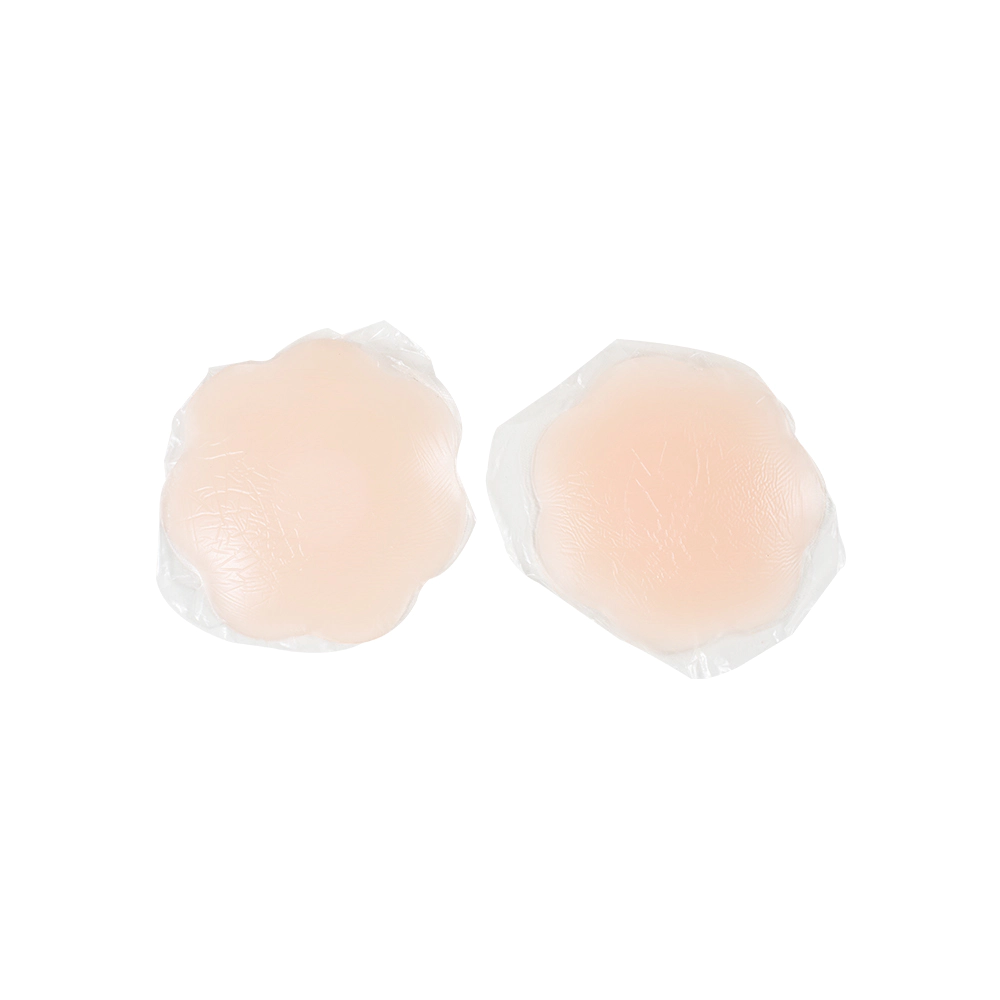
The Range Is Wider Than Most People Assume
Built-in support garments cover a broad category. At one end, there are bra-cup insert dresses and structured bodices where the garment itself is engineered to hold its shape and the wearer's shape simultaneously. In the middle, there are shapewear pieces with shelf bras, smoothing camisoles with foam cups, and strapless corset-style bodices. At the other end, there are lighter solutions — bandeau tops with a sewn-in strip of elastic, slip dresses with interior boning — that provide shape without meaningful lift.
The lift and support a built-in garment provides depends almost entirely on construction quality and garment architecture. A well-boned, properly fitted corset bodice can deliver meaningful uplift and projection without any adhesive involvement. A thin shelf bra inside a jersey dress is essentially decorative. The category label tells you less than the specific construction does.
Key variables that determine how much a built-in garment can do:
- Boning type and placement — whether the structure is in the right position to support the bust from below
- Cup construction — molded foam provides more projection and shape than gathered fabric
- Band tension — how firmly the garment holds against the ribcage without riding up
- Fit precision — a built-in garment that does not fit correctly is significantly less effective than one that does, regardless of how well it is constructed
What Stick on Boob Tape Actually Does
It Is Not Just an Alternative to a Bra
Stick on Boob Tape functions differently from a built-in garment in a fundamental way: it adheres directly to the skin and lifts by creating upward tension through the tape's tension and attachment point. There is no band, no cup, no structural element sitting beneath the bust. The lift comes entirely from adhesion and angle.
This has real advantages. Because the tape bonds to the skin rather than relying on a garment fit, it works with outfits that no built-in solution can accommodate — a dress cut so low at the back that any waistband shows, a neckline so open that even a built-in cup would be visible, or a sheer fabric where the silhouette of any garment layer would be apparent through the outfit.
The trade-off is that adhesive tape is not the same as structural support. For smaller bust sizes, the tape provides both lift and shaping without needing to bear significant weight. For larger bust sizes, the tape's adhesive bond carries more mechanical load, which places greater demands on adhesive quality, application technique, and skin preparation. Tape that is applied to damp or oily skin, or that is not pressed firmly enough during application, will not hold at the same level as tape applied correctly.
Comparing the Two: Where Each One Holds and Where Each One Doesn't
| Factor | Built-In Support Garments | Stick-On Boob Tape |
|---|---|---|
| Lift strength | Dependent on garment construction | Dependent on adhesive quality and application |
| Outfit compatibility | Limited by garment visibility | Works with backless, strapless, plunge necklines |
| Comfort over time | Generally comfortable if well-fitted | Can cause skin stress with extended wear |
| Skin safety | No direct skin adhesive | Removal requires care; irritation possible |
| Adjustability | Fixed once garment is on | Can be repositioned before final press |
| Bust size suitability | Works across sizes with correct fit | More demanding for larger bust sizes |
| Emergency correction | Difficult mid-event | Nearly impossible once set |
| Sweat and heat resistance | Garment may shift, boning may dig | Adhesive can weaken in high heat or humidity |
| Cost and reusability | Higher upfront, reusable | Single-use or limited reuse |
| Visibility under fabric | Potential show-through at edges | Minimal if tape color matches skin tone |
Averages across product quality ranges show a pattern. A garment with proper construction performs better than a lower-quality one on nearly all measures. The same holds for tape — adhesive grade, backing material, and thickness all shape how the product behaves under real conditions.
When Built-In Garments Are Genuinely Sufficient
Which Outfit Situations Favor Garments Over Tape?
There are situations where a well-fitted built-in garment handles the support requirement fully, and reaching for adhesive tape is simply unnecessary complexity.
Built-in garments work well when:
- The dress or top has significant structural boning in the bodice — a corset-style evening gown or structured cocktail dress where the garment's own architecture provides enough lateral and vertical support
- The neckline allows for some garment edge visibility and the built-in cups sit fully concealed within the design
- The wearer has a smaller bust size where the weight load on any support system is modest
- Comfort over a long wear period is a higher priority than maximum lift — a built-in garment stays predictably in place without the skin contact that tape involves
- The fabric is thicker or more structured, so any slight garment edge line does not read through the outfit
In these circumstances, adding tape on top of a built-in garment is redundant. The garment is doing its job, and the tape introduces skin contact and a removal process without adding meaningful benefit.
When Boob Tape Remains the Practical Answer
Are There Situations Where Garments Simply Cannot Compete?
Yes, and being clear about these situations is more useful than suggesting that garments can always substitute. Some outfit categories exist precisely because they cannot accommodate a conventional support garment, and Stick on Boob Tape was developed to address exactly this gap.
Tape is the more practical solution when:
- The back of the outfit drops below any waistband or banding that a built-in garment requires
- The neckline cuts so deep or so wide that any cup edge or garment layer would be visible from the front
- The fabric is transparent or very lightweight, making any garment layer visible as a distinct silhouette beneath
- The design requires an entirely smooth, uninterrupted line from neckline to hem that no garment can achieve without showing
- The wearer needs a solution that travels with them rather than being built into the outfit — useful when the same dress needs to work with different support setups on different occasions
For these outfits, no built-in garment is going to solve the problem. The choice is between tape and going without support — and for many people, in many contexts, that is not a real choice.
Boob Tape for Weddings: The Stakes Are Higher
Why Does the Wedding Context Change the Equation?
Boob Tape Wedding applications represent a specific use case where the decision carries more weight than an ordinary day. A wedding dress is worn for many consecutive hours — often through ceremony, photographs, a reception, dancing, and sometimes beyond. The dress may be one the wearer has spent months selecting. The support solution needs to hold through all of it, through varying levels of physical activity, heat, and emotion.
Several factors make this context distinct:
- Duration: What holds for two hours may not hold for ten. Adhesive fatigue is a real phenomenon, and the tape selected for a full wedding day should be evaluated for long-wear performance, not just initial adhesion.
- Heat and perspiration: Weddings often involve outdoor ceremonies, warm reception venues, or both. Adhesive performance in these conditions varies significantly between tape products. Safe Boob Tape formulations designed for sensitive skin may use gentler adhesives that also have lower heat resistance — a trade-off worth understanding before the day.
- The dress cannot be easily adjusted: In a standard outfit, a wardrobe adjustment is a minor inconvenience. In a structured wedding gown, repositioning tape mid-event may not be feasible. The application needs to be correct the first time.
- Skin sensitivity: Some wearers experience adhesive reactions that are mild with short-term wear but more significant after hours of skin contact. Testing the tape on the skin in advance — ideally during a fitting — is a practical safeguard for sensitive skin types.
For brides with larger bust sizes, the question of whether a built-in garment within the gown is sufficient often has a clear answer: the gown's internal construction should be evaluated at fitting, and if the support is marginal, tape can be added as reinforcement rather than used as the sole system.
Safe Boob Tape and Skin Considerations
What Makes One Tape Safer Than Another?
The "safe" aspect of Safe Boob Tape is worth unpacking, because it covers several distinct concerns that affect different people in different ways.
Adhesive type:
Medical-grade acrylic adhesives are generally gentler on skin than rubber-based adhesives. For people with known skin sensitivities or eczema, the adhesive formulation matters more than the tape's marketing positioning.
Backing material:
Cotton-based backings allow some air circulation and are softer against the skin over time. Synthetic backings may be more rigid and create more friction at the edges during extended wear.
Removal:
Rapid removal of adhesive tape from skin causes more damage than slow, careful removal. Using a body oil or adhesive remover at removal time significantly reduces the irritation risk. This is particularly relevant after a full day of wear when the adhesive has had many hours to bond.
Skin preparation:
Clean, dry skin with no moisturizer or oil present before application creates the strongest initial bond and reduces the risk of the tape shifting during wear. The skin surface at application time has a direct effect on how the tape performs and how easy removal is afterward.
Patch testing:
For anyone with sensitive skin or a history of adhesive reactions, applying a small strip of the tape to an inconspicuous skin area and leaving it for several hours before the event identifies potential reactions without risk to the outcome.
Combining Both: When a Hybrid Approach Makes Sense
Is There a Case for Using Both Together?
There is, and it is more common than either camp of advocates tends to acknowledge. The hybrid approach — a built-in garment providing structural support while tape handles specific areas of adhesion or lift — addresses the limitations of both systems while drawing on the strengths of each.
Scenarios where the combination works well:
- A structured strapless bodice that provides good general support but needs tape at the upper bust to prevent gaping at the neckline in a specific cut
- A slip dress with light built-in cups where the cups need anchoring against the skin in a backless configuration to prevent the garment from shifting
- A wedding gown with strong internal boning where a strip of tape at the décolletage adds security without replacing the structural support the gown already provides
- Any outfit where movement during the event is significant — dancing, walking, physical activity — and the built-in garment handles the structural load while tape provides the edge-securing function
The hybrid approach requires thinking through both systems in advance rather than defaulting to one. It also means the application process is more involved — but for a high-stakes occasion, the additional preparation time is generally worth it.
Making the Decision That Works for the Outfit and the Occasion
The decision between built-in support garments and Stick on Boob Tape is not binary, and treating it as such leads to unnecessary frustration on both sides. Built-in garments handle the majority of everyday and formal outfit situations where the design allows for structural support — and when the fit is right, they are comfortable, reliable, and low-maintenance through a long day. Tape addresses the genuinely challenging scenarios that built-in garments cannot reach: the backless, the sheer, the architecturally extreme neckline where no garment layer can hide. For a wedding, where both the outfit and the day itself demand reliability across many hours, the choice depends on the specific gown construction, the wearer's bust size, and how the gown performs at fitting — and a hybrid approach is often the most sensible answer.
Wenzhou Anqi Medical Supplies Co., Ltd. manufactures adhesive body tape and skin-contact support products designed for extended wear, including formulations suited for sensitive skin and event use. Their product range addresses the specific performance requirements of high-stakes wear occasions — adhesive strength, skin safety, and compatibility across skin types. For retailers, distributors, or brands building out a body tape product line for wedding or fashion markets, reaching out to their team to discuss product specifications, customization options, and wholesale sourcing is a practical next step.
Keep In Touch

No.455 New Town Development Road,Longgang City, Wenzhou City

 +86-0577-83728222
 +86-0577-837282222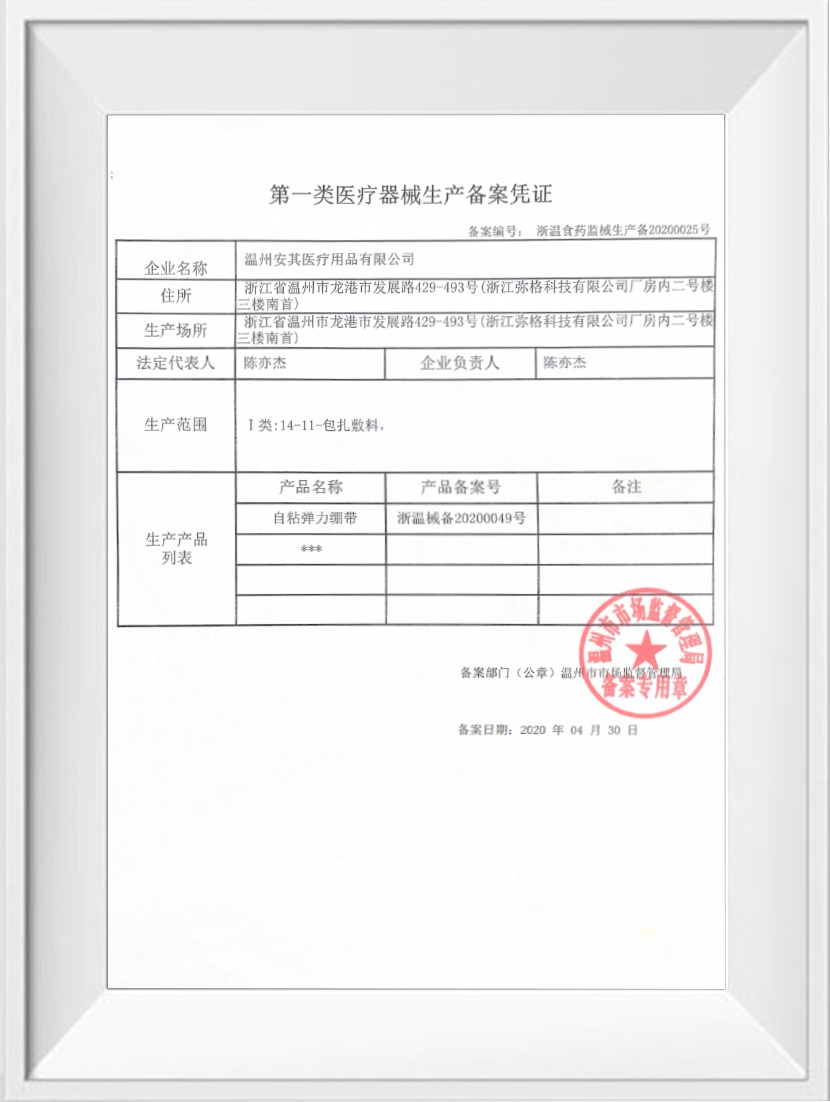
Copyright © Wenzhou Anqi Medical Supplies Co., Ltd. All Rights Reserved.
Approval No: Zhejiang Wenzhou Food and Drug Administration Machinery Production Filing No. 20200025
The information provided on this website is intended for use only in countries and jurisdictions outside of the People's Republic of China.
