
 English
 русский
 中文简体
中文简体 Español
 Deutsch
 عربى
عربى

How Boob Tape Solves Backless Outfit Styling Problems
Content
- 1 The Core Problem With Backless Outfits and Standard Bras
- 2 How Stick on Boob Tape Provides Support Without Straps or Bands
- 3 Application Scenarios Where Boob Tape Is the Practical Choice
- 4 Safe Boob Tape and Skin Compatibility
- 5 How Does Boob Tape Compare to Strapless Bras?
- 6 Application Method: Getting the Best Hold and Lift
- 7 Common Application Mistakes That Reduce Effectiveness
- 8 Sourcing Boob Tape for Retail and Wholesale Distribution
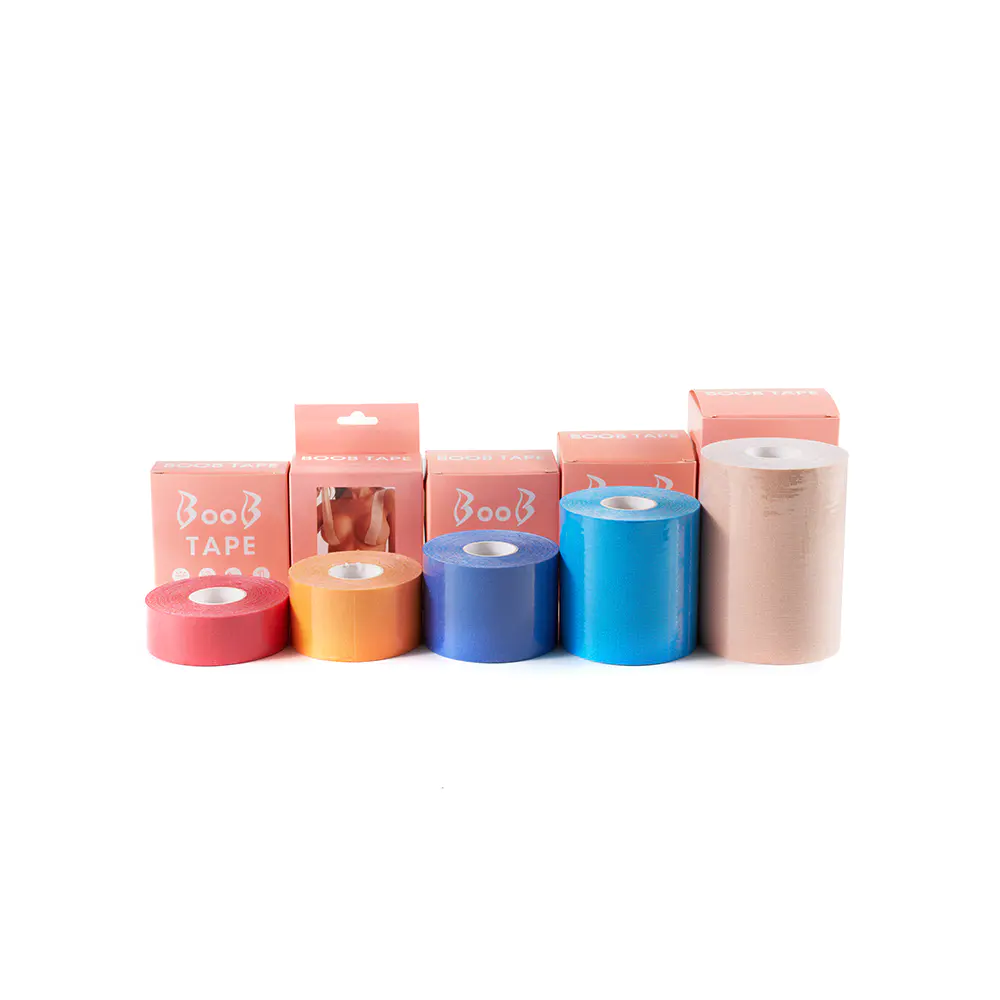
There is a particular wardrobe problem that many people encounter but rarely discuss openly: finding an outfit that works beautifully from the front while creating an impossible situation at the back. A backless dress, a deep-cut gown, an off-shoulder top — these garments are designed with a specific silhouette in mind, and conventional undergarments immediately compromise that silhouette the moment a strap or band becomes visible. Stick on Boob Tape addresses this problem directly, providing lift and shaping without any of the structural elements that make traditional bras incompatible with open-back styles. It is not a workaround or a compromise — it is a purpose-built solution for situations where the garment's design leaves conventional support structures with nowhere to go.
The Core Problem With Backless Outfits and Standard Bras
Traditional Bras Were Designed for Enclosed Garments
A conventional bra depends on three structural elements: shoulder straps, a back band, and cup structures. Every one of these elements becomes visible or impractical in a backless outfit. Shoulder straps appear at the neckline. The back band sits exactly where the garment is designed to be open. Even strapless bras rely on a back band that sits across the exposed area, which limits how far down a backline can plunge before the band itself becomes visible.
The result is a clothing category that is widely produced and purchased but frequently difficult to wear without visible bra lines or the absence of any support. Boob tape wedding applications demonstrate this tension clearly — a bridal gown with a low-back design is often among the heavily photographed garments of a person's life, and visible undergarment hardware in those photographs is not a trivial concern.
How Stick on Boob Tape Provides Support Without Straps or Bands
Adhesive Replaces Structure in the Support System
Stick on Boob Tape functions by adhering directly to the skin and creating upward tension rather than relying on shoulder or back anchorage. The tape is applied from below or to the side of the breast and anchored to the upper chest or torso, depending on the lift direction required. The adhesive holds the breast in position against gravity and movement — replacing the mechanical function of a strap without any of its visual presence.
The support mechanism relies on:
- Skin adhesion across a distributed surface area rather than a concentrated point
- Directional tension toward the anchoring point — upward for lift, inward for shaping
- Layering multiple strips for additional hold in situations where a single strip does not provide sufficient support
- The flexibility of the tape material allowing natural movement without the rigid structure of a bra
This approach means that the lift direction, the shaping effect, and the level of support are all adjustable based on how the tape is positioned — something a conventional bra, with its fixed cup shape and strap configuration, cannot offer.
Application Scenarios Where Boob Tape Is the Practical Choice
Backless Dresses and Low-Back Gowns
This is the core use case. A dress that opens at the back — whether in a full backless design, a keyhole, a V-shaped cut, or a low-back style — eliminates the possibility of using any garment with a back band. Stick on Boob Tape resolves the entire constraint by moving the support mechanism to the front and sides of the torso, leaving the back completely clear.
The application approach varies with the depth of the back cut:
- Shallow low-back (band sits just below mid-back): nearly all bra types are already excluded, but positioning the tape anchor just above the garment's back opening is usually straightforward
- Deep low-back or waist-level cut: tape anchors on the side torso or lower ribs, with strips angled upward
- Fully backless to the tailbone: all anchoring happens at the front, chest, or side — no contact with the back surface at all
Off-Shoulder and Strapless Styles
Off-shoulder and strapless styles present a different problem — the shoulder straps of a conventional bra become visible at the neckline and sleeve area. A strapless bra resolves the strap issue but adds a back band. Adhesive tape removes both constraints simultaneously.
For strapless or tube-top styles, tape positioned upward from below the breast and anchored above creates the same lift effect without any visible hardware at the neckline or shoulders.
Boob Tape Wedding Applications
Wedding dresses represent a demanding test for any support solution. A bridal gown is typically worn for many hours across an emotionally intense day involving physical activity — dancing, standing for extended periods, being embraced repeatedly. The tape needs to maintain hold through perspiration, humidity, and movement over that full duration.
Boob tape wedding applications require attention to:
- Skin preparation: clean, dry, product-free skin before application significantly extends hold time
- Tape width and strength: wider strips and stronger adhesive formulations hold better through sustained activity
- Layering: overlapping strips create a more secure anchor than single-strip applications in high-demand situations
- Temperature: warm environments and physical activity both challenge adhesive performance — applying in a cool environment before moving into warmth gives the adhesive time to set
The extended wear time of a wedding makes safe boob tape formulation particularly relevant — a tape that causes irritation after two hours is very different from one that remains comfortable through an eight-hour event.
Safe Boob Tape and Skin Compatibility
What Makes a Tape Safe for Extended Skin Contact?
Not every adhesive is appropriate for extended skin contact. Standard craft adhesives, office tapes, and even some medical tapes formulated for short-duration wound dressings are not designed for the specific demands of body tape use — strong adhesion during movement, clean removal without tearing the skin, and chemical compatibility with skin across several hours.
Safe boob tape is formulated with adhesives designed for prolonged skin contact:
- Medical-grade or skin-contact-rated adhesive compounds that have been tested for biocompatibility
- Hypoallergenic formulations that avoid common sensitizers — particularly relevant for people with contact allergies or sensitive skin
- Adhesive chemistry that releases cleanly from skin during removal without the tearing or trauma associated with aggressive adhesives
- Breathable tape backing materials that allow some air exchange at the skin surface, reducing the moisture buildup that can cause irritation during extended wear
People with particularly sensitive skin should test a small strip of tape on a less visible area before full application. This practice identifies any reaction before it occurs in a situation where full removal is not practical.
How Does Boob Tape Compare to Strapless Bras?
Each Solution Solves a Different Problem
Strapless bras and adhesive tape both eliminate visible shoulder straps, but they address the support problem through different mechanisms and suit different garment types.
A strapless bra provides:
- Structured cup support that holds shape across the full breast surface
- Support sustained by the back band and internal boning rather than adhesion
- A defined, consistent silhouette regardless of individual application technique
- Quick on-and-off without adhesive removal
Adhesive tape provides:
- No visible elements at the back — suitable for any backline depth
- Adjustable lift direction and shaping through application angle
- No band at any position on the torso
- Support that stays close to the skin without a rigid structure that can shift or roll
The comparison across specific situations:
| Situation | Strapless Bra | Stick on Boob Tape |
|---|---|---|
| Low-back dress (band visible) | Not suitable | Suitable |
| Deep backless gown | Not suitable | Suitable |
| Off-shoulder top (straps visible) | Suitable (no straps) | Suitable |
| Wedding gown, low back | Limited | Well-suited with proper prep |
| Quick change required | Easier | Requires careful removal |
| Sensitive or reactive skin | Generally fine | Patch test recommended |
| Extended wear, physical activity | Suitable (may shift) | Hold depends on skin prep |
| Custom lift direction needed | No | Yes |
The two solutions are not competitors for the same use case — they serve different garment requirements. Where the garment allows a back band to sit, a strapless bra is a straightforward choice. Where the garment does not, adhesive tape is the option that actually works.
Application Method: Getting the Best Hold and Lift
How Should Boob Tape Be Applied for a Secure, Comfortable Result?
Correct application technique directly affects both the hold quality and the comfort of the tape through the wear period. Applying tape to unprepared or damp skin, or in the wrong sequence, reduces hold and increases the chance of the tape shifting during wear.
Step-by-step application:
- Start with clean, dry skin. Remove any body lotion, oil, or sweat from the application area — these reduce adhesive contact significantly. If time allows, apply to skin that has been washed and left completely dry for several minutes.
- Determine the desired lift direction before applying any tape. Lift the breast to the position where you want it to sit during wear, and hold it in that position while applying the tape.
- Apply the tape starting from below the breast, anchoring the free end away from the breast on the chest or rib cage. Pull the tape upward with gentle tension while adhering it to the breast surface.
- Press the tape firmly along its full length from the center outward, removing any air pockets that could reduce adhesive contact area.
- Apply additional strips alongside or overlapping the initial strip if greater hold is needed. Each additional strip adds to the total adhesive contact area.
- Allow the adhesive to fully set before getting dressed — a few minutes of stillness after application allows the adhesive to form strong contact with the skin surface.
Common Application Mistakes That Reduce Effectiveness
What Typically Goes Wrong With Boob Tape Applications?
Understanding the points where tape applications fail helps avoid the situations where the tape loses hold at an inconvenient moment.
Frequent problems and their causes:
Applying to oily or moisturized skin: Body products significantly reduce adhesive contact. Any product applied before tape will reduce hold proportionally.
Not pressing firmly enough after application: Adhesive contact requires pressure across the full tape length. Light placement without pressing produces uneven contact and early edge lifting.
Choosing too-narrow tape for the task: Narrow tape strips have less total adhesive area and less tensile strength against the gravitational load of the breast. Wider strips or multiple strips are needed for larger bust sizes.
Removing tape too aggressively: Rapid pulling tears skin. Removal should be slow, steady, and supported by pressing the adjacent skin with the free hand. Removing in a warm bath or shower, or using a skin-safe oil at the tape edges before pulling, significantly reduces discomfort.
Applying in a warm, humid environment: Adhesives set more reliably in cool, dry conditions. Applying tape immediately before entering a hot, humid venue gives the adhesive less time to form a strong bond.
Sourcing Boob Tape for Retail and Wholesale Distribution
Understanding what makes an adhesive tape product work well in backless and backless-adjacent garment applications is directly relevant for retailers, fashion accessory distributors, and private label buyers who are evaluating the category for their product range. The tape's formulation — adhesive type, backing material, and skin-compatibility certification — determines whether it performs consistently across the range of customers who will use it and the conditions they will use it in. A tape that holds well in a controlled environment but loses adhesion in warm weather, or that causes skin reactions after extended wear, creates returns and complaints that reflect on the product regardless of how it is marketed. For buyers sourcing stick on boob tape for retail, private label, or wholesale distribution, Wenzhou Anqi Medical Supplies Co., Ltd. manufactures body tape and adhesive support products with medical-grade adhesive formulations and skin-contact certifications, covering a range of widths, strengths, and skin-tone options suited to fashion, bridal, and everyday wear applications. Reaching out to discuss product specifications, certification documentation, or volume sourcing arrangements is the practical next step toward building a product range that performs reliably for end users.
Keep In Touch

No.455 New Town Development Road,Longgang City, Wenzhou City

 +86-0577-83728222
 +86-0577-837282222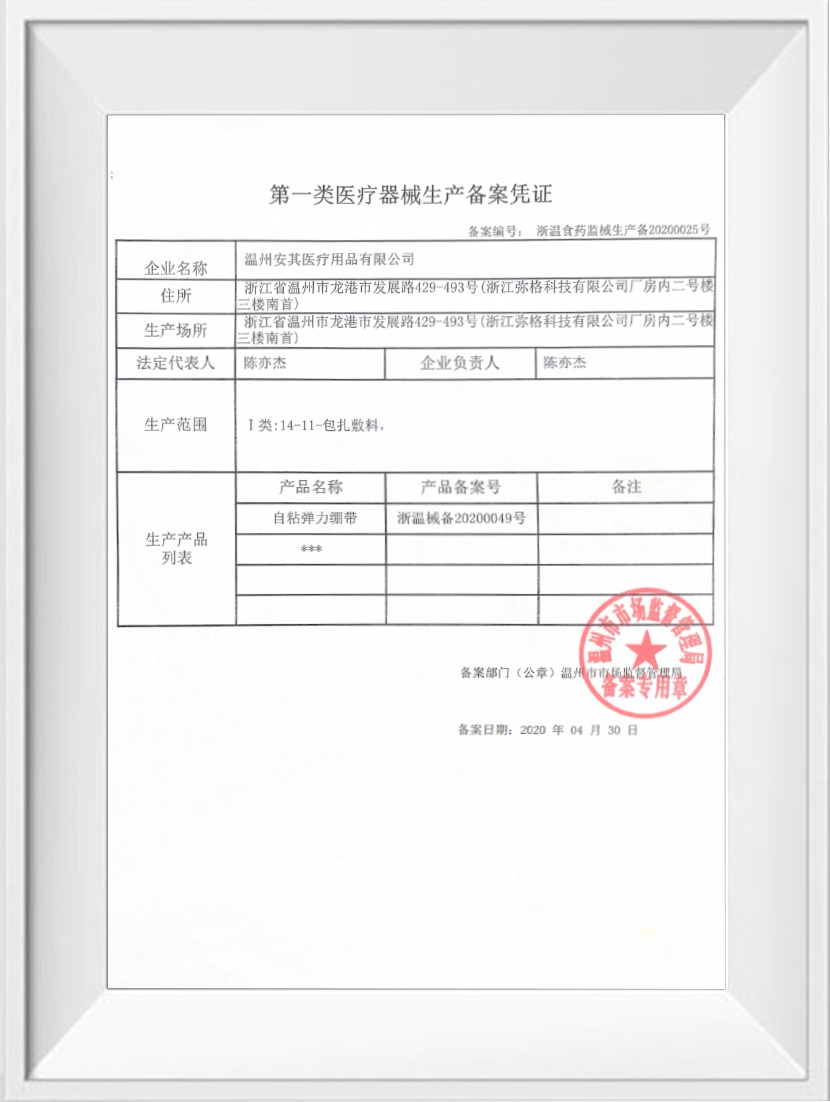
Copyright © Wenzhou Anqi Medical Supplies Co., Ltd. All Rights Reserved.
Approval No: Zhejiang Wenzhou Food and Drug Administration Machinery Production Filing No. 20200025
The information provided on this website is intended for use only in countries and jurisdictions outside of the People's Republic of China.
