
 English
 русский
 中文简体
中文简体 Español
 Deutsch
 عربى
عربى

Why Pick Stick on Boob Tape for Easy Wear and Removal?
Content
- 1 What Stick on Boob Tape Is and How It Works
- 2 The Central Tradeoff: Easy Removal vs. Long-Lasting Wear
- 3 How the Occasion Should Drive the Choice
- 4 Safe Boob Tape: What Skin-Friendly Formulations Offer
- 5 Comparing Easy-Removal and Long-Lasting Tape Side by Side
- 6 A Practical Selection Process
- 7 Common Mistakes That Undermine Performance
- 8 Removing Tape Without Damaging Skin
Choosing adhesive breast tape for a formal event or an all-day occasion involves a decision that most product descriptions skip over entirely. The tape has to hold — through movement, warmth, and hours of wear — but it also has to come off without leaving the skin irritated or damaged. These two requirements do not always point in the same direction. Stick on Boob Tape comes in formulations that prioritize one side of this balance over the other, and understanding what drives that difference is what allows buyers to match the product to the actual situation rather than guessing at the point of purchase.
What Stick on Boob Tape Is and How It Works
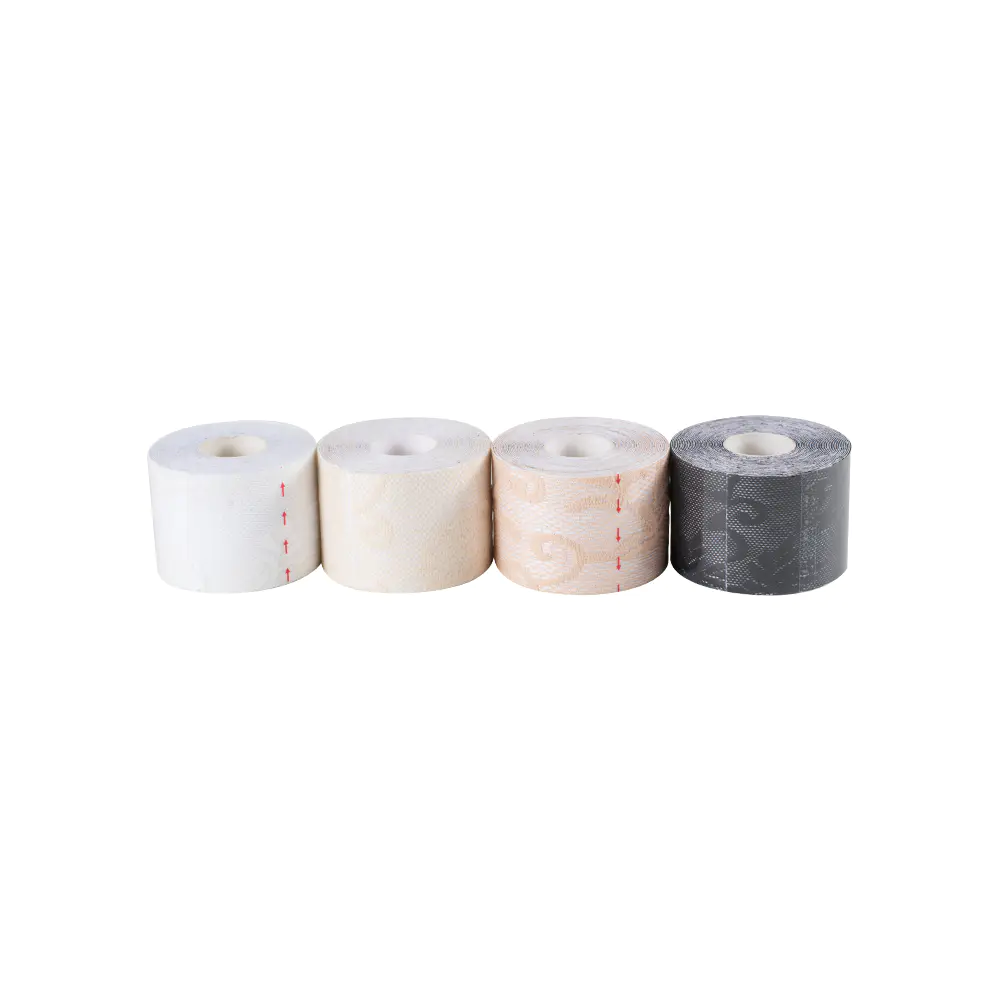
The Mechanics Behind Adhesive Breast Support
Stick on Boob Tape is an adhesive fabric or film-based tape applied directly to the skin to lift, shape, or support the chest without a bra or visible undergarment. It is widely used with strapless dresses, deep-cut necklines, backless garments, and any outfit where a conventional bra would be visible or impractical.
The tape works by creating a bond between its adhesive surface and the skin, then using tension in the applied strip to provide support and positioning. How effectively it does this depends on the adhesive formulation, the tape's elasticity, and how it is applied. A tape applied without adequate skin preparation will not bond as intended; a tape applied to thoroughly cleaned, dry skin will hold significantly better and more consistently.
Understanding this mechanism matters because the product is doing physical work — it is not simply covering the skin. The bond needs to be strong enough to maintain its position across movement, temperature changes, and sweat, yet it also needs to release without damaging the skin layer it has been bonded to.
The Central Tradeoff: Easy Removal vs. Long-Lasting Wear
What Easy-Removal Adhesive Actually Means
Tape formulated for easy removal uses a gentler adhesive that bonds to the skin surface without penetrating or bonding as aggressively to the outermost skin layer. This makes removal more comfortable — the tape releases with less resistance, reducing the pulling sensation and minimizing the risk of skin irritation or surface disruption after removal.
The tradeoff is hold strength. A gentler adhesive will not maintain the same level of support under heat, perspiration, or extended wear as a stronger formulation. For a short event in a cool environment with minimal physical activity, easy-removal tape performs adequately. For a long event in warm conditions with movement — a wedding, a performance, an all-day ceremony — it may begin to lose its bond before the occasion ends.
Easy-removal tape suits:
- Short-wear occasions of a few hours
- Situations where skin sensitivity is a concern
- Users who are wearing breast tape for the first time and want a lower-risk introduction to the product
- Daily-wear contexts where the tape will be applied and removed frequently
- Users whose skin reacts to adhesive and needs the mildest available formulation
What Long-Lasting Wear Adhesive Actually Means
Long-wear tape uses a stronger adhesive formulation designed to maintain its bond through extended periods of wear, perspiration, movement, and temperature variation. The adhesive bonds more firmly to the skin, which is what enables it to hold its position across a full day or evening event without repositioning or reapplication.
The tradeoff is removal experience. Stronger adhesive requires more care and more deliberate removal — peeling quickly or pulling at an aggressive angle increases the risk of skin redness, irritation, or surface disruption. The removal process is not difficult when done correctly, but it requires awareness that the bond is intentionally strong and should be released gradually and gently.
Long-wear tape suits:
- Wedding ceremonies and receptions that span a full day
- Formal events where the tape needs to hold through dinner, dancing, and photography
- Warm environments where perspiration is a factor
- Physical activities where movement and body heat would compromise a lighter adhesive
- Users who have used breast tape before and are confident in their removal technique
How the Occasion Should Drive the Choice
Boob Tape for Weddings: Why Hold Duration Matters
Boob Tape Wedding applications represent the scenario where long-lasting adhesive earns its place. A wedding day spans many consecutive hours — preparation, ceremony, photography sessions, reception, and often dancing or outdoor activities across different temperatures. The tape applied in the morning needs to hold through all of it.
A gentle-adhesive tape that begins to shift after a few hours is not a viable option for this context. The consequences of tape failure during a wedding — visible repositioning, lost support, or the need to remove and reapply during the event — are more disruptive than any mild discomfort from a stronger adhesive.
For Boob Tape Wedding use, the selection priority should be:
- Adhesive strength rated for extended wear
- Sweat resistance, since body temperature and physical activity will generate perspiration
- A tape width and elasticity appropriate for the specific dress style and the level of support needed
- A removal method planned in advance, using warm water or oil to loosen the bond gradually after the event
Daily Wear: When Comfort Takes Priority
For regular use — wearing breast tape under everyday clothing for a workday or a casual event — the calculation shifts. Daily use means frequent application and removal cycles, which cumulative stress on the skin even from well-tolerated adhesives. A gentler formulation in this context protects the skin from the wear that repeated strong bonding and removal would cause over time.
Daily wear users benefit from:
- Lighter adhesive that removes cleanly and without extended time spent on the removal process
- Breathable tape materials that allow air circulation for comfortable all-day wear
- Tape that does not leave significant adhesive residue, which complicates removal and can attract dirt
- Products specifically described as suitable for repeated use, since some formulations are designed for single-use applications only
Safe Boob Tape: What Skin-Friendly Formulations Offer
The Ingredients and Materials That Reduce Irritation Risk
Safe Boob Tape refers to products formulated to reduce the risk of skin reactions from the adhesive or the tape material itself. This matters because skin sensitivity to adhesives varies significantly between users, and the chest area may be more sensitive than the areas where adhesive tape is typically tested.
Key characteristics of skin-friendly formulations:
- Medical-grade or hypoallergenic adhesive that avoids common sensitizing agents
- Breathable fabric or film backing that allows moisture to escape rather than trapping it against the skin
- Absence of latex, which causes reactions in a significant proportion of users
- Low or no fragrance content, since fragrance is a common irritant in adhesive products applied directly to skin
- Certification or testing documentation confirming suitability for direct skin contact
The Safe Boob Tape category is particularly relevant for users with known skin sensitivities, those who have experienced reactions to other adhesive products, and users who will be wearing the tape in conditions where the skin will be warm and the adhesive in contact with skin for extended periods.
The Patch Test Remains the Most Reliable Screening Method
Regardless of how a product is marketed, individual skin responses to adhesives vary in ways that formulation specifications cannot fully predict. A patch test — applying a small piece of the tape to an inconspicuous area of skin and waiting the recommended period before checking for reactions — remains the practical way to verify personal compatibility with a specific product before wearing it for a major occasion.
This is especially relevant before Boob Tape Wedding applications, where discovering a skin reaction on the day itself is not a recoverable situation.
Comparing Easy-Removal and Long-Lasting Tape Side by Side
A direct comparison across the dimensions buyers care about makes the selection logic clearer.
FactorEasy-Removal FormulationLong-Lasting Formulation
Adhesive strengthLighter — releases more easilyStronger — designed for extended bond
Wear durationSuitable for shorter occasionsSuitable for full-day and long events
Removal comfortMore comfortable, less resistanceRequires care and gradual release
Sweat resistanceLower — may shift in warm conditionsHigher — maintains bond through perspiration
Skin irritation riskGenerally lowerDepends on formulation and skin type
Daily use suitabilityHigher — gentler on skin with repeat useLower — stronger bond creates more wear over time
Wedding suitabilityLower — risk of shift during long eventsHigher — designed for extended hold
First-time user suitabilityHigher — lower-risk introductionLower — removal technique matters more
Sensitive skin suitabilityHigher — safer adhesive profileCheck product-specific safety certifications
Neither category is a universal answer. The right choice emerges from the specific occasion, the wearer's skin sensitivity, the duration of wear needed, and the environment in which the tape will be worn.
A Practical Selection Process
How to Work Through the Decision Before Buying
Selection that matches the product to the actual situation requires working through a short sequence of questions rather than relying on general product descriptions.
Step 1: Define the Occasion and Its Duration
A short evening event of two to three hours has different requirements from a full wedding day. Identify how long the tape will need to maintain its hold, and whether the environment will involve warmth, movement, or perspiration.
Step 2: Assess Skin Sensitivity
Anyone who has experienced reactions to adhesive plasters, medical tapes, or other adhesive products should treat skin sensitivity as a significant factor and lean toward hypoallergenic or medically certified safe boob tape formulations. A patch test before the main application is worth the time.
Step 3: Determine the Support Level Needed
Different dress styles require different levels of lift and support. A strapless gown needing significant support requires wider tape applied with more tension than a garment needing only light coverage. The tape's elasticity and width need to match the support requirement, not just the adhesive strength.
Step 4: Plan the Removal Method in Advance
Long-lasting tape requires more deliberate removal — warm water, oil, or specifically formulated adhesive remover applied to the tape edge and worked gradually under the tape from the edge toward the center. Planning this in advance prevents rushed removal that causes unnecessary skin irritation.
Step 5: Test Before the Event
For any significant occasion, testing the chosen tape product in advance — in similar conditions to the actual event — provides confirmation that it holds as expected and that the removal process is manageable. Discovering unexpected performance on the day itself is avoidable.
Common Mistakes That Undermine Performance
What Goes Wrong During Application and Removal
Most performance problems with adhesive breast tape trace back to application or removal rather than the product itself.
- Applying to oily or moisturized skin: Adhesive bonds to clean, dry skin. Moisturizers, body oils, perfume, and sweat residue all reduce the bond. Cleaning and thoroughly drying the skin before application significantly improves hold.
- Choosing adhesive strength based on packaging descriptions alone without a test: Marketing language varies across products, and descriptions like "strong hold" or "gentle removal" reflect formulation intent but not universal experience. A trial application before the main event reveals actual performance.
- Pulling tape off quickly or at a sharp angle: This is the source of most removal-related skin irritation. The bond was designed to hold; releasing it requires patience, oil or warm water to soften the adhesive, and slow peeling at a shallow angle.
- Skipping the patch test for new products: A reaction discovered during removal after a long event is far more disruptive than a patch test result identified the week before.
- Neglecting post-removal skin care: The skin that has been under adhesive tape for several hours benefits from gentle moisturizing after removal. This reduces any residual tightness and supports recovery from the mild occlusion that extended tape wear creates.
Removing Tape Without Damaging Skin
The Correct Process Matters as Much as the Product Choice
Even a well-formulated tape leaves the skin stressed after extended wear if it is removed carelessly. A consistent removal process reduces irritation regardless of the adhesive strength used.
Recommended removal steps:
- Apply warm water or a small amount of natural oil (such as coconut or olive oil) along the edge of the tape, allowing it to work under the edge and begin loosening the adhesive bond
- Wait a short period for the adhesive to soften before beginning to peel
- Hold the skin taut with one hand while peeling back with the other, keeping the peel angle shallow rather than pulling upward
- Work slowly from one edge, reapplying oil or water at the advancing peel line as needed
- After full removal, cleanse the area gently to remove any adhesive residue
- Apply a soothing, alcohol-free moisturizer to help the skin recover
- This process applies regardless of tape formulation, though it is more important with long-lasting adhesive where the bond is stronger and requires more deliberate release.
The choice between easy-removal comfort and long-lasting hold is not a question with a universal answer — it depends on the occasion, the environment, the duration of wear, and the wearer's skin. Buyers who understand this tradeoff before purchasing consistently find products that meet their actual needs rather than discovering the mismatch during the event itself. For procurement teams and distributors sourcing adhesive breast tape for retail or wholesale, the formulation profile and skin safety credentials of the supplier are as important as price and packaging. Wenzhou Anqi Medical Supplies Co., Ltd. manufactures adhesive body tape products including breast tape formulations across varying adhesive strengths, with product development capability for hypoallergenic and medical-grade specifications. For wholesale buyers and brand partners evaluating product range options or OEM development for specific market requirements, reaching out to their team with product specifications and volume requirements is a practical way to move from product need to verified sourcing.
Keep In Touch

No.455 New Town Development Road,Longgang City, Wenzhou City

 +86-0577-83728222
 +86-0577-837282222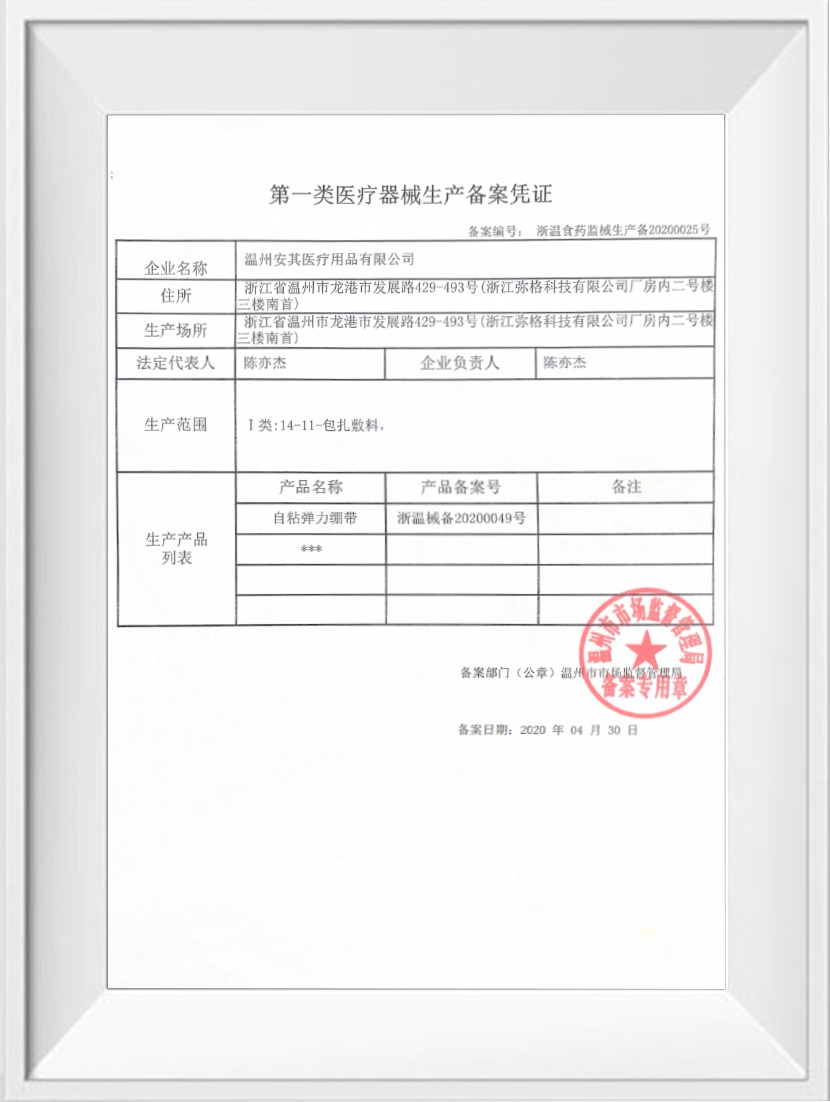
Copyright © Wenzhou Anqi Medical Supplies Co., Ltd. All Rights Reserved.
Approval No: Zhejiang Wenzhou Food and Drug Administration Machinery Production Filing No. 20200025
The information provided on this website is intended for use only in countries and jurisdictions outside of the People's Republic of China.
