
 English
 русский
 中文简体
中文简体 Español
 Deutsch
 عربى
عربى

How Do You Remove Stick on Boob Tape Without Irritation?
Content
- 1 What Boob Tape Is and Why It Bonds So Strongly
- 2 How to Remove Boob Tape Without Irritation
- 3 What Not to Do When Removing Boob Tape
- 4 Long Wear Situations Like Boob Tape Wedding Use
- 5 Caring for Skin After Tape Removal
- 6 Choosing a Safe Boob Tape for Sensitive Skin
- 7 Common Mistakes That Make Irritation More Likely
- 8 Closing Thoughts
Adhesive body tape holds firmly by design, and that same bonding strength is exactly what makes removal the part most likely to go wrong. A fast pull, a dry tug, or skipping any kind of release agent can leave skin red, sore, or marked for days afterward — a result that has little to do with skin sensitivity in general and much more to do with technique at the moment of removal. Understanding what actually happens at the adhesive-skin interface, and which removal methods work with that mechanism rather than against it, makes the difference between a clean, comfortable removal and one that leaves lasting irritation.
What Boob Tape Is and Why It Bonds So Strongly
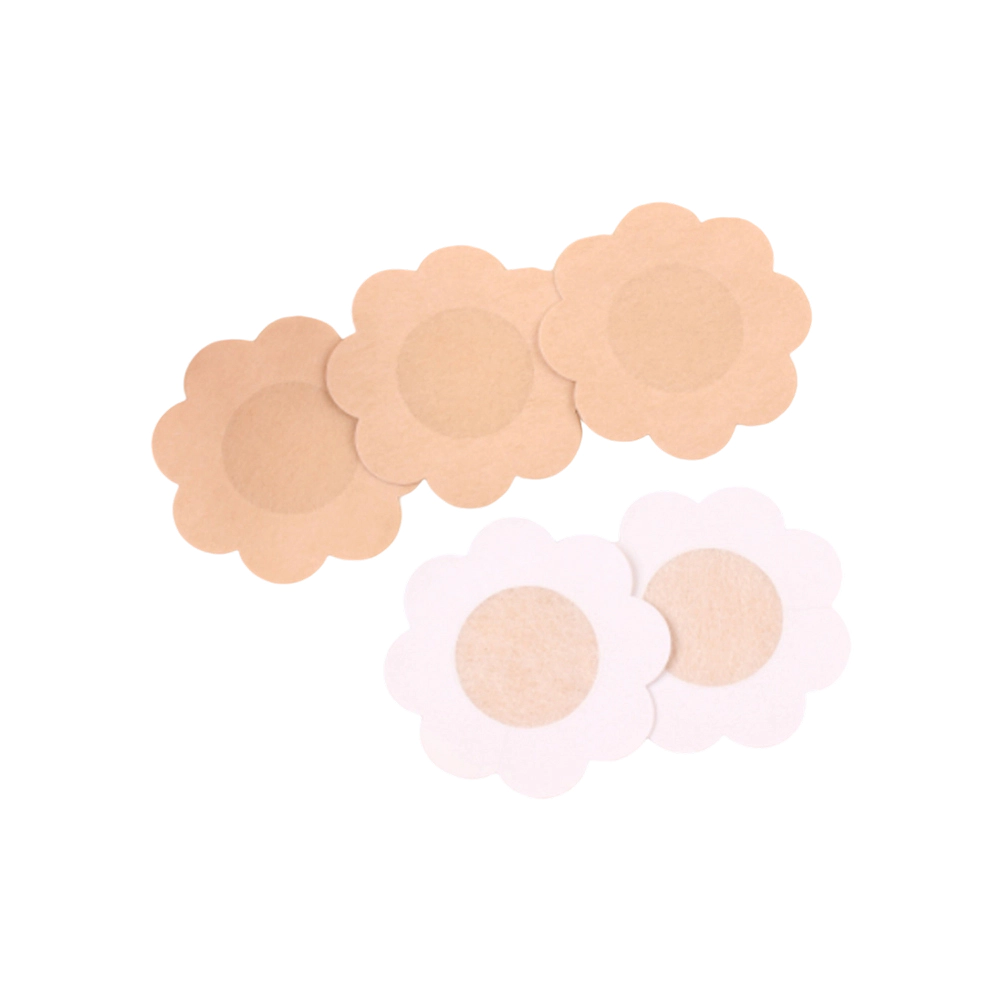
The Adhesive Mechanism Behind the Hold
Body tape uses a medical-grade or fabric-based adhesive designed to bond securely to skin for extended wear, often through movement, sweat, and varying temperature conditions. This is a deliberate design choice — the tape needs to hold under conditions that would cause a weaker adhesive to fail partway through the day. The tradeoff is that an adhesive strong enough to stay put through a full event or workout is also strong enough to pull at the outer layer of skin if removed carelessly.
Stick on boob tape in particular relies on direct skin contact across a fairly wide surface area, which means the total adhesive bond across the application is considerably stronger than a small bandage or single adhesive strip. This is worth understanding before removal, since it explains why technique matters so much more here than with smaller adhesive products.
Why Irritation Happens at Removal, Not Just During Wear
Some irritation does occur during wear, particularly for skin that reacts to specific adhesive compounds. But a significant share of reported redness and soreness traces specifically to the removal moment rather than the hours of wear beforehand. Rapid peeling pulls against the natural elasticity of skin and can lift the outermost skin cells along with the adhesive, producing the redness, mild swelling, or tenderness that people often attribute to the tape itself rather than to how it was taken off.
How to Remove Boob Tape Without Irritation
Method One: Use an Oil-Based Release Agent
Applying a small amount of oil — baby oil, coconut oil, or a similar skin-safe option — directly to the edges and underside of the tape works to break down the adhesive bond chemically rather than relying on physical force to separate it from skin. Massaging the oil gently into the tape edge and allowing it a few minutes to penetrate lets the adhesive loosen on its own, after which the tape typically lifts away with minimal resistance.
This method tends to produce the most comfortable result of the available options, since it addresses the root cause of removal discomfort — adhesive strength — rather than working around it through careful peeling alone.
Method Two: Soak with Warm Water
Warm water, whether from a shower or a soaked washcloth held against the tape, gradually softens adhesive bonds over several minutes. This method works more slowly than an oil-based approach but is convenient when oil is not readily available, and it pairs well with a normal shower routine at the end of a day or event.
Holding warm water against the tape edges first, rather than attempting to peel immediately, gives the adhesive time to release its grip before any physical pulling begins.
Method Three: Peel Slowly at a Low Angle
Regardless of which loosening method is used first, the actual peel should happen slowly and at a low angle relative to the skin, rather than pulling straight up or yanking quickly. Pulling at a low angle, moving in the direction of hair growth where applicable, distributes the separating force more gently across the skin surface than a fast, perpendicular pull does.
Working from one edge gradually rather than trying to remove the entire piece in one motion also allows oil or water to continue loosening sections that have not yet been peeled, making the overall process more comfortable from start to finish.
What Not to Do When Removing Boob Tape
A few common habits are responsible for most of the irritation people experience, and avoiding them matters as much as following the removal steps correctly.
Pulling quickly or all at once rather than working gradually increases the physical force applied to skin in a short burst, which is precisely what causes redness and surface irritation
Removing the tape completely dry, without any oil or water to loosen the adhesive first, forces the peel to rely entirely on physical force against an adhesive that has not been weakened at all
Using alcohol-based products to force a tear can dry out skin and irritate it further, particularly on skin that has just spent hours under adhesive contact
Removing tape immediately after intense sweating without allowing any cooldown period can pull at skin that is already more sensitive from heat and moisture exposure
Long Wear Situations Like Boob Tape Wedding Use
Wear during a full day event — a wedding being one of the more common examples people search for specifically — introduces additional considerations beyond a typical shorter-duration use. Boob tape wedding wear often means many hours of continuous contact, frequently combined with movement, dancing, and natural perspiration that interacts with the adhesive over that extended period.
The adhesive bond after this kind of extended wear tends to be considerably stronger than after a shorter application, simply because body heat and time both work in favor of a tighter seal. This makes the oil-based loosening method particularly worthwhile after long wear specifically, since attempting a dry or rushed removal after many hours of continuous contact is where the most significant irritation tends to occur. Planning for a slower, more deliberate removal process at the end of a long event — rather than rushing through it while tired — meaningfully reduces the discomfort that follows.
Caring for Skin After Tape Removal
Once the tape is off, skin in the area has typically experienced several hours of reduced airflow and adhesive contact, and a short aftercare routine helps it recover comfortably. A gentle, fragrance-free moisturizing lotion applied shortly after removal helps restore moisture that the adhesive contact may have drawn out. For skin showing mild redness, aloe vera gel provides a soothing, cooling effect that many people find helpful in the hours immediately following removal.
Avoiding additional adhesive products, tight clothing, or further friction on the same area for the remainder of the day gives skin a reasonable window to settle before it is exposed to any further contact stress.
Choosing a Safe Boob Tape for Sensitive Skin
For skin that has reacted noticeably to adhesive products in the past, the removal technique matters, but tape selection itself also plays a meaningful role in how much irritation occurs in the first place. A genuinely safe boob tape uses a hypoallergenic adhesive formulation and a breathable fabric base that allows some airflow during wear, rather than fully sealing skin for the entire duration of use. These characteristics reduce the likelihood of irritation developing during wear and, in many cases, also make removal somewhat gentler, since breathable adhesives tend to bond with slightly less aggressive intensity than fully occlusive alternatives.
Checking for skin-safe certification or ingredient transparency from the manufacturer is a reasonable step before committing to extended wear, particularly for anyone planning to use the product for a full-day event rather than a brief application.
Common Mistakes That Make Irritation More Likely
Beyond the specific removal missteps already covered, a few broader habits tend to compound the risk of irritation across the full wear-and-removal cycle. Skipping a patch test before first use on sensitive skin removes any early warning of an adhesive reaction before a full application is already in place. Choosing a lower-quality tape without verified skin-safe materials introduces unknown adhesive compounds that may react unpredictably. And reapplying tape to the same exact area repeatedly within a short span of days, without giving skin recovery time between applications, accumulates irritation that a single use alone would not produce.
Closing Thoughts
A comfortable, irritation-free removal experience comes down to working with the adhesive's chemistry rather than fighting it through speed or force. Loosening the bond first with oil or warm water, then peeling slowly at a gentle angle, addresses the actual mechanism behind most reported redness and soreness, while a short aftercare routine helps skin settle once the tape is off. For longer wear situations specifically, taking the extra few minutes to loosen the adhesive properly before removal matters even more than it does after a brief application, since hours of continuous contact and body heat make the bond considerably stronger by the end of the day. Wenzhou Anqi Medical Supplies Co., Ltd. manufactures skin-safe adhesive body tape designed with breathable, hypoallergenic materials suited to sensitive skin and extended wear situations, offering a more comfortable option for anyone planning to wear tape for a full day rather than just a few hours.
Keep In Touch

No.455 New Town Development Road,Longgang City, Wenzhou City

 +86-0577-83728222
 +86-0577-837282222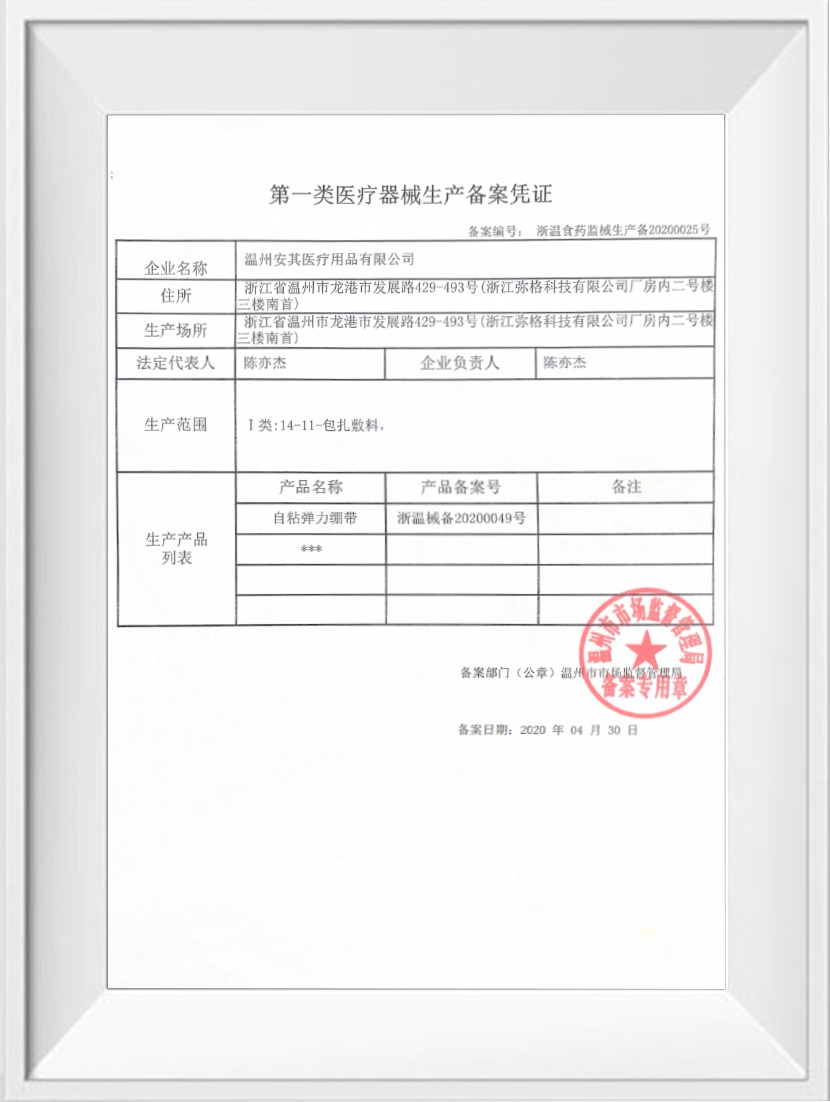
Copyright © Wenzhou Anqi Medical Supplies Co., Ltd. All Rights Reserved.
Approval No: Zhejiang Wenzhou Food and Drug Administration Machinery Production Filing No. 20200025
The information provided on this website is intended for use only in countries and jurisdictions outside of the People's Republic of China.
