
 English
 русский
 中文简体
中文简体 Español
 Deutsch
 عربى
عربى

Using Safe Boob Tape for Better Cleavage and Support
Content
- 1 What Breast Lift Tape Actually Does
- 2 Why Conventional Bras Fall Short in Certain Outfits
- 3 How Lift Tape Creates Cleavage
- 4 Step-by-Step Application for Lift and Cleavage
- 5 Is Boob Tape Safe for Skin?
- 6 Comparing Breast Lift Tape Types
- 7 Boob Tape for Weddings and Formal Events
- 8 What to Look for When Selecting Stick on Boob Tape
- 9 Final Considerations for Buyers and Distributors
Certain outfits make the limitations of conventional underwear immediately apparent. A backless dress eliminates the possibility of a traditional bra. A deep V-neckline exposes every strap and band. A strapless gown shifts throughout the night without a secure anchor point. For these situations, Safe Boob Tape has become the practical solution that traditional lingerie cannot provide — offering lift, shape, and security without any of the structural elements that would show beneath or above the garment. Understanding how breast lift tape works, how to apply it correctly, and which scenarios it is suited for determines whether it functions as intended or becomes a source of frustration.
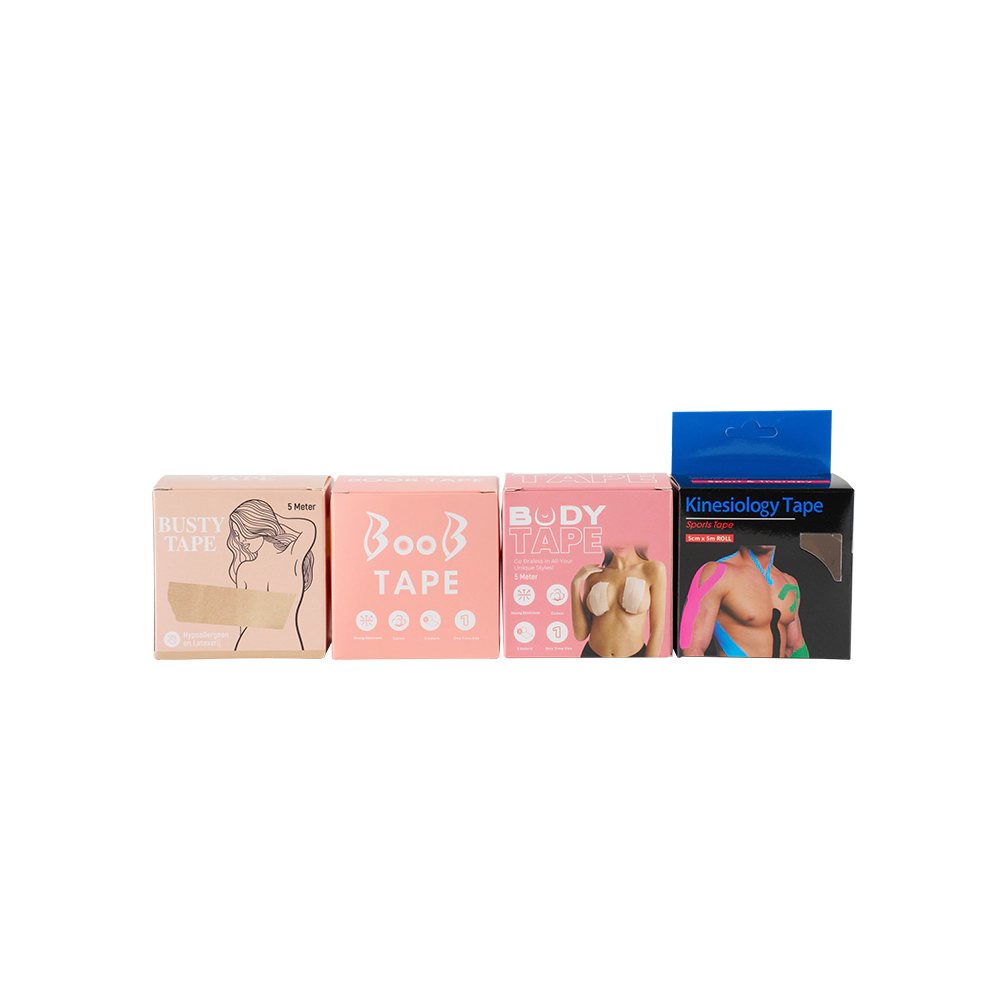
What Breast Lift Tape Actually Does
Breast lift tape is an adhesive fabric or film strip applied directly to the skin to reposition and support the breast without an external bra structure. It works by creating mechanical lift through the tension of the tape itself — one end anchors to the underside or side of the breast, and the strip is drawn upward toward the collarbone or shoulder, where it adheres to the chest wall. The net effect is a lift that repositions the breast tissue higher and, depending on application angle, draws both sides toward the center to create visible cleavage.
The mechanism is simpler than it might seem. The tape does not rely on compression or padding — it works through directed tension in the same way that any anchored strap system would, except that the anchor points are the skin surfaces at each end of the strip rather than a band running around the torso. The lift achieved depends on the tape's elasticity, its adhesive strength, and how consistently the application follows the intended lifting direction.
Why Conventional Bras Fall Short in Certain Outfits
The cases where breast lift tape fills a gap that standard lingerie cannot are specific and consistent:
- Backless and low-back garments — a conventional bra band sits across the mid-back and would be visible below the dress opening. Adhesive bras with full cups address this partially, but they do not provide the lift and shaping that tape applied with intentional direction can achieve.
- Deep V and plunge necklines — the front gore of a conventional bra would be exposed. Cups that converge at a very low center front may stay hidden, but the cleavage-enhancing effect of convergence is limited by the fixed cup geometry.
- Strapless or bandeau styles — a strapless bra stays in position through compression against the ribcage, which can be uncomfortable over extended wear and tends to provide horizontal support rather than upward lift.
- Sheer or lightweight fabrics — the outline of a bra through a thin fabric undermines the garment's intended appearance. Thin tape strips leave no visible outline under even lightweight materials.
In each of these cases, the limitation is structural: a conventional bra carries its support framework as part of its physical form, and that framework must be concealed by or within the garment. Breast lift tape transfers the support function to the skin surface, which places no constraint on what the garment can look like at the back, sides, or neckline.
How Lift Tape Creates Cleavage
The Direction of Application Determines the Result
Cleavage is created not by the tape itself but by where it pulls the breast tissue. When tape is applied at an angle that draws the breast upward and toward the sternum simultaneously, the result is both lift and centralization. Two strips — one on each side — working in converging directions bring the breast tissue closer together and elevate it, which creates the appearance of fuller, higher cleavage even without additional padding.
A tape applied straight upward provides lift without convergence, which is appropriate for outfits where height is the priority rather than cleavage enhancement. The angle of application is therefore a deliberate choice based on the garment and the desired result, not an incidental feature of the product.
Skin Preparation Affects Lift Quality
The adhesive bond between the tape and the skin is the foundation of the lift. Skin that is oily, moisturized, or damp at the point of application weakens that bond, which reduces both the lift achieved and the duration over which it holds. Applying tape to clean, dry skin — without lotion, oil, or perspiration — allows the adhesive to form a stable bond that holds through movement, heat, and extended wear.
The sequence matters: cleanse the skin with a gentle wash, allow it to dry completely, and apply the tape before applying any body cream or perfume to the chest area. Any moisturizer applied after the tape is in place will not compromise the seal already formed, but anything applied to the skin before the tape contacts it will.
Step-by-Step Application for Lift and Cleavage
A consistent application process produces more reliable results than improvising the position and angle at each use. The following sequence applies to a standard two-strip lift intended to create both elevation and centralization:
- Clean and dry the skin — wash the chest area to remove any product residue, and allow the skin to fully air dry before beginning.
- Measure and cut tape strips — cut two strips of sufficient length to run from below the breast tissue to the upper chest or shoulder area. Rounded ends reduce the likelihood of edge lifting during wear.
- Position the breast — hold the breast in the position you want it to be supported, using the free hand or a mirror to confirm the desired lift and angle before applying tape.
- Anchor the first end — apply one end of the strip to the underside or lower side of the breast while maintaining the lifted position. Press firmly to establish initial adhesion.
- Draw the tape upward — with the breast held in position, run the strip upward toward the clavicle or shoulder at the angle that achieves the desired convergence and lift. Smooth the tape against the skin as you go to eliminate air pockets.
- Secure the upper end — press the upper end firmly against the chest wall and hold for several seconds to allow the adhesive to set.
- Repeat on the opposite side — mirror the angle of the first strip to create symmetrical lift and convergence.
- Dress carefully — allow a minute for the adhesive to fully settle before pulling the garment over the taped area.
Is Boob Tape Safe for Skin?
What Makes a Tape Skin-Safe
Not all adhesive tapes are formulated for prolonged skin contact. Medical-grade or body-safe adhesive formulations are designed to bond securely to skin without the chemical irritants that industrial adhesives may contain. A tape marketed as Safe Boob Tape should use an acrylic or silicone-based adhesive that is free from harsh solvents, latex (for those with latex sensitivity), and fragrances that can sensitize the skin over extended contact.
Skin sensitivity varies significantly between individuals. A tape that causes no reaction on one person may produce mild redness or itching on another, which is why a patch test — applying a small strip to an inconspicuous area of the upper arm and leaving it for several hours — is a reasonable precaution before full application, particularly for first-time users or those with reactive skin.
Removal Without Skin Damage
The removal process is where most skin irritation from breast tape occurs — not from the tape being worn, but from the tape being pulled away. Aggressive removal against the grain of skin pulls at the stratum corneum and can cause redness, superficial abrasion, or temporary tenderness.
The correct removal process:
- Apply a small amount of body oil or adhesive remover to the edge of the tape and allow it to penetrate the adhesive layer for thirty seconds before pulling
- Pull the tape slowly and parallel to the skin surface — parallel rather than perpendicular to reduce the mechanical force on the skin
- Work from the upper anchor point downward, keeping the freed portion of the tape folded back rather than lifted away at an angle
- Cleanse the skin gently after removal to clear any adhesive residue
Comparing Breast Lift Tape Types
Different tape formats suit different applications. The table below outlines the characteristics of the formats most commonly used for breast lifting and cleavage enhancement.
| Type | Material | Adhesive Hold | Best Application | Reusable |
|---|---|---|---|---|
| Wide Fabric Strip | Cotton-blend fabric | Strong | Full lift and shaping | No |
| Thin Film Tape | Nude polyurethane film | Moderate to strong | Low-cut necklines and sheer fabrics | No |
| Silicone Adhesive Bra | Silicone shell | Moderate | General coverage without directional lift | Yes |
| Kinesiology-Style Tape | Elastic cotton blend | Strong | Active wear and extended events | No |
| Pre-Cut Breast Lift Patches | Cotton or transparent film | Moderate | Quick application and moderate lift | Some versions |
The wide fabric strip provides the most control over application angle and the most surface area for the adhesive bond, which makes it suited to situations requiring sustained lift over several hours. Thin film formats are less visible under sheer or lightweight fabrics but offer less surface area for the adhesive connection, which may limit the lift achievable for heavier breast tissue.
Boob Tape for Weddings and Formal Events
Why Wedding Day Application Demands Extra Preparation
A wedding is among the most demanding use cases for breast lift tape: long hours of wear, physical activity ranging from standing for photographs to dancing, heat from lighting and outdoor ceremonies, and the emotional weight of wanting the garment to look exactly right throughout the day. Boob Tape Wedding preparation therefore warrants a trial run before the event itself.
Wearing the tape during a dress fitting — or on a day when the planned outfit will be worn for several hours — confirms whether the adhesive bond holds across the intended duration, whether the lift angle achieves the desired cleavage and presentation in the specific neckline of the garment, and how the skin responds to extended contact. Discovering that a particular tape loses hold after four hours is useful information when there are still days to source an alternative, not useful when discovered during the reception.
Factors That Affect Hold Duration at Events
Several environmental and physical factors reduce adhesive hold during long events:
- Perspiration — even moderate sweating at the skin surface weakens the adhesive bond over time
- Body heat — sustained heat softens some adhesive formulations and reduces their grip
- Movement — repeated flexion at the chest wall gradually works the tape edges away from the skin
- Humidity — outdoor summer events, beach ceremonies, or indoor venues without adequate air conditioning accelerate all of the above
Addressing these factors before the event — choosing a tape with a stronger adhesive formulation, preparing the skin meticulously, and anchoring tape edges with a light dusting of setting powder over the edges — reduces the likelihood of mid-event failure.
What to Look for When Selecting Stick on Boob Tape
A Stick on Boob Tape selected without attention to these variables may perform inconsistently even when applied correctly:
Adhesive type — acrylic adhesives are generally more durable under sweat and heat than latex-based alternatives; silicone adhesives are gentler on reactive skin but may not provide equivalent hold for heavier applications
Fabric or film backing — fabric backings are more forgiving during application because they conform to body contours; film backings are less visible under sheer fabrics but are less elastic and require more precise positioning
Width — wider tape distributes the adhesive contact area across more skin surface, which increases the holding force and the lift capacity; narrow tape is less visible but provides less mechanical support
Skin tone matching — nude or skin-tone tape reduces visibility under sheer garments; the range of nude tones available varies significantly between products
Final Considerations for Buyers and Distributors
For retailers and distributors sourcing breast lift tape products for wholesale or private-label programs, the product selection decisions above translate directly into the quality and consistency of the end-user experience. A tape that fails during an event, causes skin irritation, or leaves adhesive residue that requires aggressive removal generates returns and negative feedback that affects the entire category, not only the specific product.
Sourcing from a manufacturer with experience in body-safe adhesive formulations, skin-contact material compliance, and consistent production quality across batch runs is the foundation of a reliable product line. Wenzhou Anqi Medical Supplies Co., Ltd. produces breast lift tape and related body adhesive products for retail, wholesale, and OEM programs, with formulation and material specifications developed for skin-contact applications across a range of wear conditions. For buyers evaluating product specifications, requesting samples for testing, or developing a private-label program, contacting the production team with application and market requirements is the starting point for a qualified supply arrangement.
Keep In Touch

No.455 New Town Development Road,Longgang City, Wenzhou City

 +86-0577-83728222
 +86-0577-837282222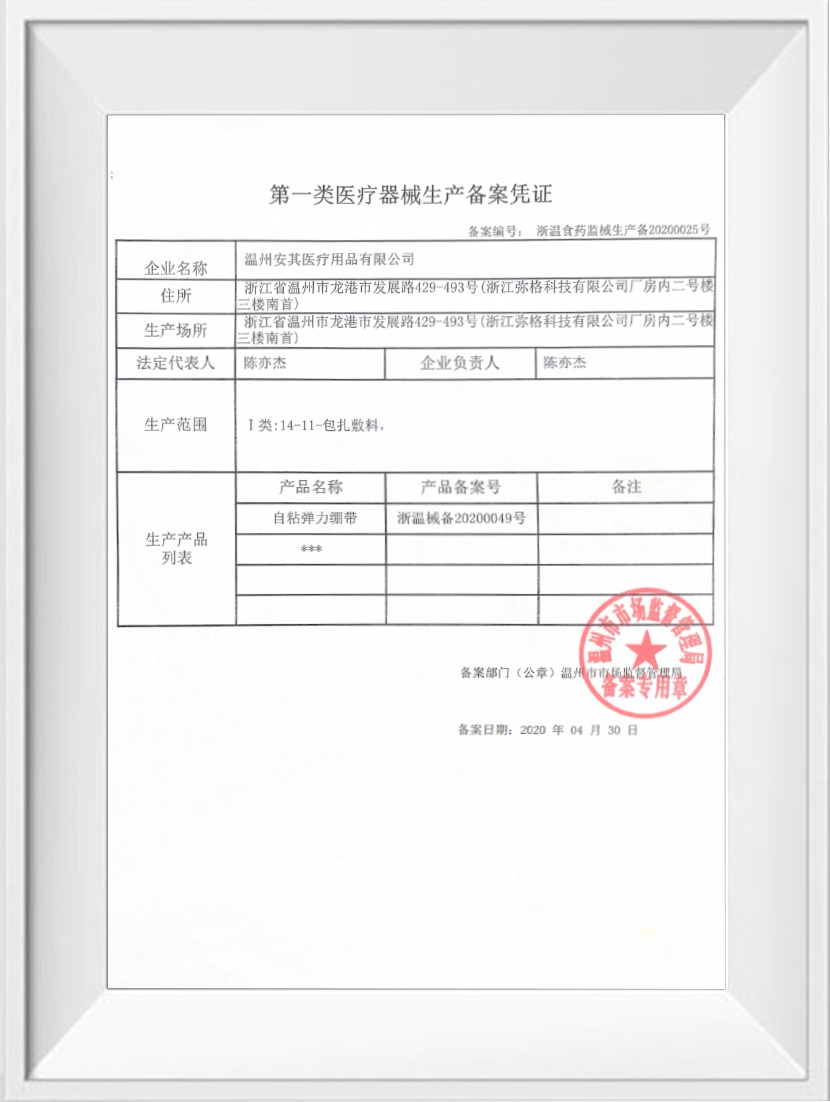
Copyright © Wenzhou Anqi Medical Supplies Co., Ltd. All Rights Reserved.
Approval No: Zhejiang Wenzhou Food and Drug Administration Machinery Production Filing No. 20200025
The information provided on this website is intended for use only in countries and jurisdictions outside of the People's Republic of China.
