
 English
 русский
 中文简体
中文简体 Español
 Deutsch
 عربى
عربى

How Cotton Athletic Tape Stabilizes Muscles in Sports
Content
- 1 What Cotton Athletic Tape Actually Does
- 2 How Does Rigid Tape Actually Stabilize Muscles and Joints?
- 3 Which Sports Benefit Most From This Type of Support?
- 4 Cotton Tape Versus Kinesiology Tape: What Actually Changes?
- 5 When Is Cotton Tape Not the Right Choice?
- 6 Practical Applications Across Common Body Areas
- 7 How Should Buyers Evaluate Tape Quality Before Purchasing?
- 8 What Should Teams and Clinics Consider When Sourcing in Bulk?
A sprained ankle that lingers for weeks. A knee that feels unstable halfway through a match. A shoulder that tightens up after every heavy session, no matter how thoroughly the warm-up went. Athletes and coaches run into these patterns constantly, and the question that follows tends to be the same one: is there something that genuinely helps stabilize the joint or muscle group before things get worse, rather than just managing the aftermath. Cotton Athletic Tape is one of the more established answers here, and knowing how it actually works — not just that it exists — is what separates effective use from wasting a roll on the wrong application.
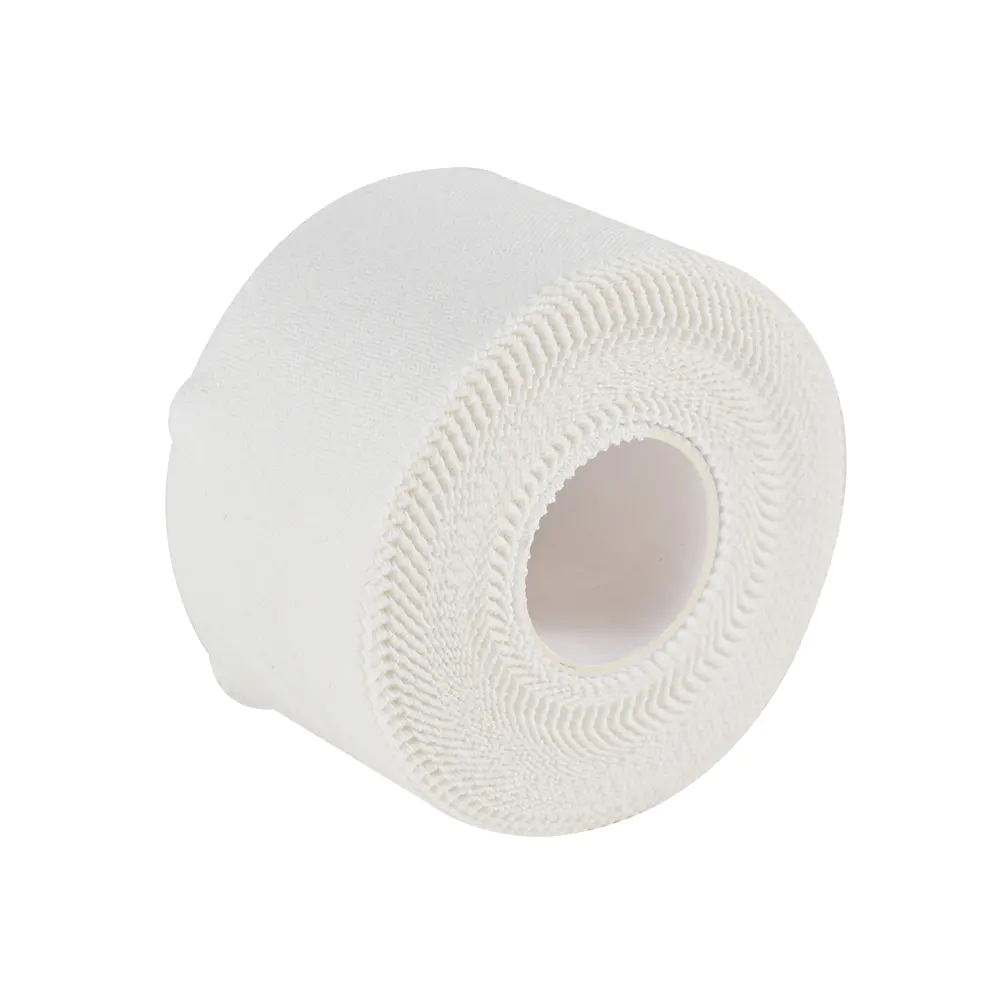
This matters for athletes managing recurring strain, coaches building injury prevention into a training plan, rehabilitation therapists supporting recovery, and procurement teams sourcing supplies for teams or clinics. None of these groups need a basic product blurb. What they need is the real mechanism behind muscle and joint stabilization, a clear sense of when rigid taping beats a more flexible alternative, and a way to judge which product actually holds up under repeated use.
What Cotton Athletic Tape Actually Does
Is It Just a Bandage With Extra Stickiness?
Not really — treating it that way misses the point entirely. Cotton Athletic Tape is a rigid, non-elastic adhesive tape built to limit movement at a joint or muscle group, rather than simply cover or cushion an area. The cotton fabric backing gives it structure and tear resistance, while the adhesive layer keeps it anchored through sweat, movement, and repeated muscle contraction.
That rigid, non-stretch quality is the whole point. Unlike elastic kinesiology-style products, this tape barely flexes once applied. And that lack of give is exactly what lets it restrict a joint's range of motion in a specific direction, which sits at the core of how it contributes to stability during physical activity.
How Does Rigid Tape Actually Stabilize Muscles and Joints?
Does It Work the Same Way for Muscles as It Does for Joints?
Not exactly, and a lot of general explanations gloss right over this. Muscle stabilization and joint stabilization rely on related but distinct mechanisms, and pulling them apart gives a clearer picture of what is actually happening once the tape goes on.
For joint stabilization, the tape works mostly through mechanical restriction:
- It limits excessive range of motion in a specific direction — inward rolling of the ankle being the classic example.
- It adds external structural support that supplements the joint's own ligaments, taking some strain off them during sudden or awkward movement.
- It helps keep joint alignment steady through high-impact or repetitive motion, cutting down the cumulative stress that drives overuse injuries.
For muscle stabilization, the mechanism leans more toward sensory feedback:
- It improves proprioception — the body's sense of where a joint or muscle sits during movement — which helps an athlete adjust before an injury happens rather than after.
- It offers a mild compressive effect that can reduce excess muscle oscillation during intense movement, particularly in larger muscle groups during running or jumping.
- It gives a physical cue during movement, since the resistance against the tape can prompt a correction before form breaks down into a risky position.
Both mechanisms work together in real athletic movement, but separating them on paper explains why taping technique shifts depending on whether the goal is restricting a joint or supporting a muscle group.
Which Sports Benefit Most From This Type of Support?
Does Every Sport Need the Same Taping Approach?
Not even close, and matching the support style to what a sport actually demands matters far more than running the same generic taping routine across every activity.
Sports that tend to benefit from rigid cotton tape:
- Basketball, where constant jumping, landing, and rapid direction changes load up ankles and knees, making joint restriction genuinely valuable.
- Football, where contact and sudden directional shifts create real risk for ankle and wrist injuries in both practice and competition.
- Volleyball, where repeated jumping and landing patterns put ongoing stress on the ankles, especially during blocking and attacking sequences.
- Weightlifting, where wrist and joint stability under heavy load reduces the risk of hyperextension or an awkward angle under significant resistance.
- Tennis, where lateral movement and sudden stops put recurring strain on ankles and knees across a match.
Endurance activities like long-distance running usually lean toward more flexible taping instead, since restricting natural joint movement over a long stretch can interfere with running mechanics rather than help them. This is exactly where understanding rigid versus elastic taping starts to matter for picking the right product.
Cotton Tape Versus Kinesiology Tape: What Actually Changes?
Are These Two Products Solving the Same Problem in Different Ways?
Not quite — and this comparison is where most of the confusion lives. Both go directly on skin, both support athletic performance, but the underlying mechanisms and intended uses pull apart in meaningful ways.
| Characteristic | Cotton Athletic Tape | Kinesiology Tape |
|---|---|---|
| Material flexibility | Rigid, non-elastic | Elastic, stretches with movement |
| Primary function | Restricts excessive joint movement | Supports muscle function while allowing movement |
| Typical use case | Acute injury prevention, high-impact sports | Muscle recovery, mild fatigue, extended wear |
| Wear duration | Generally shorter term, single session use | Can be worn for multiple days |
| Application goal | Limit motion in a specific direction | Facilitate movement while providing sensory support |
| Common product format | Continuous roll, cut to length | Often available pre-cut, including knee support shapes |
Reading down this list, the practical takeaway is straightforward: rigid cotton tape suits situations where restricting motion is the priority — keeping an ankle from rolling mid-match, for instance. Kinesiology-style products, including pre cut knee support tape built for targeted joint use, fit better where supporting muscle function and preserving range of motion matters more than restriction, such as managing mild fatigue or supporting recovery between sessions.
When Is Cotton Tape Not the Right Choice?
Are There Situations Where Rigid Taping Actually Works Against the Athlete?
Yes, and knowing these situations heads off a common mistake. Rigid taping is not the right tool everywhere, despite its strong reputation for joint stability.
Situations where a flexible alternative usually performs better:
- Long-distance running, where restricting natural ankle and knee movement over an extended period can disrupt mechanics and potentially shift strain elsewhere in the chain.
- General muscle recovery, where the goal is supporting circulation and easing fatigue rather than locking a joint down entirely.
- Extended wear, since rigid tape is built for single-session use rather than the multi-day wear some elastic alternatives are designed for.
- Mild, non-acute soreness, where full joint restriction is unnecessary and can even feel counterproductive when an athlete is dealing with general fatigue rather than acute instability.
Knowing when rigid taping is the wrong call, instead of reaching for it by default every time, reflects a more informed approach to injury prevention and tends to produce better outcomes across a full training cycle.
Practical Applications Across Common Body Areas
How Does Application Differ Across Joints?
Taping technique shifts depending on which joint or muscle group is in play, and understanding those differences makes sure the tape actually does its job rather than just sitting there.
Ankle taping usually focuses on restricting inward rolling, since that motion is behind most ankle sprains across sports involving running, jumping, or sharp direction changes.
Wrist support often targets hyperextension, especially relevant in sports involving falls, heavy gripping, or repetitive loading like weightlifting and gymnastics.
Shoulder stabilization generally aims to limit motion in specific directions while still leaving enough room for sport-specific movement, which calls for a more nuanced application than something simpler like the ankle.
Knee support addresses both lateral stability and front-to-back restriction, depending on the specific risk or existing instability an athlete is dealing with — and this is one area where pre cut knee support tape, built for consistent, repeatable application, has become increasingly common in both clinical and athletic settings.
How Should Buyers Evaluate Tape Quality Before Purchasing?
What Separates a Reliable Product From an Underperforming One?
Not all athletic tape performs the same, and a handful of practical factors decide how well a given product actually holds up during real use.
Worth checking before committing to a supplier:
- Adhesive strength and durability. Tape that loses grip under heavy sweat or intense movement fails at its core job, no matter how well it was applied at the start.
- Tape width options. Different joints call for different widths, and a supplier offering a real range supports more precise application across body areas.
- Breathability. Tape that traps too much moisture against the skin increases discomfort and irritation risk over extended wear, especially for athletes taping several areas in one session.
- Tear consistency. Good cotton tape should tear cleanly by hand across its width, allowing fast application without scissors in a hectic training or competition setting.
- Consistency across batches. For teams, clinics, or facilities buying in volume, batch-to-batch consistency matters far more than it does for someone grabbing a single roll occasionally.
What Should Teams and Clinics Consider When Sourcing in Bulk?
Does Volume Purchasing Change What Matters Most?
It shifts the priorities somewhat, particularly for sports teams, rehabilitation clinics, and training facilities that need a steady, dependable supply rather than the occasional individual purchase.
Considerations specific to bulk or institutional buying:
- Confirm adhesive and material quality stay consistent across production batches — variability becomes a much bigger problem at scale than it ever is for a single purchase.
- Check whether a supplier can support a mixed order covering both rigid cotton tape and pre cut knee support tape formats, folding procurement into one relationship instead of several.
- Think through packaging and storage needs for larger order volumes, especially for facilities managing inventory across multiple treatment rooms or team kits.
- Ask about lead times and reorder reliability — running short on taping supplies mid-season creates real disruption nobody wants to deal with.
- Request samples before committing to a large order, so athletic trainers or therapists can test real performance under actual practice or clinical conditions.
Working with an established athletic tape manufacturer that can deliver consistent supply, multiple product formats, and dependable lead times cuts down the operational risk that comes from leaning on inconsistent sourcing for something as routine as taping supplies.
Cotton Athletic Tape earns its place in athletic training and injury prevention not because it is the only option out there, but because its rigid, non-elastic build addresses something more flexible alternatives simply cannot replicate: meaningful restriction of excessive joint movement during high-impact, high-intensity activity. Understanding the split between muscle stabilization through better proprioception and joint stabilization through mechanical restriction helps athletes, coaches, and therapists use it more effectively, while recognizing the situations better suited to kinesiology-style products — including pre cut knee support tape — keeps the right tool matched to the right job. For teams, clinics, and training facilities looking to source reliable taping supplies at scale, Wenzhou Anqi Medical Supplies Co., Ltd. offers a range of athletic tape products built for consistent performance across demanding training and competition environments — reach out to the team to talk through product specifications, bulk ordering, or sample requests suited to your specific needs.
Keep In Touch

No.455 New Town Development Road,Longgang City, Wenzhou City

 +86-0577-83728222
 +86-0577-837282222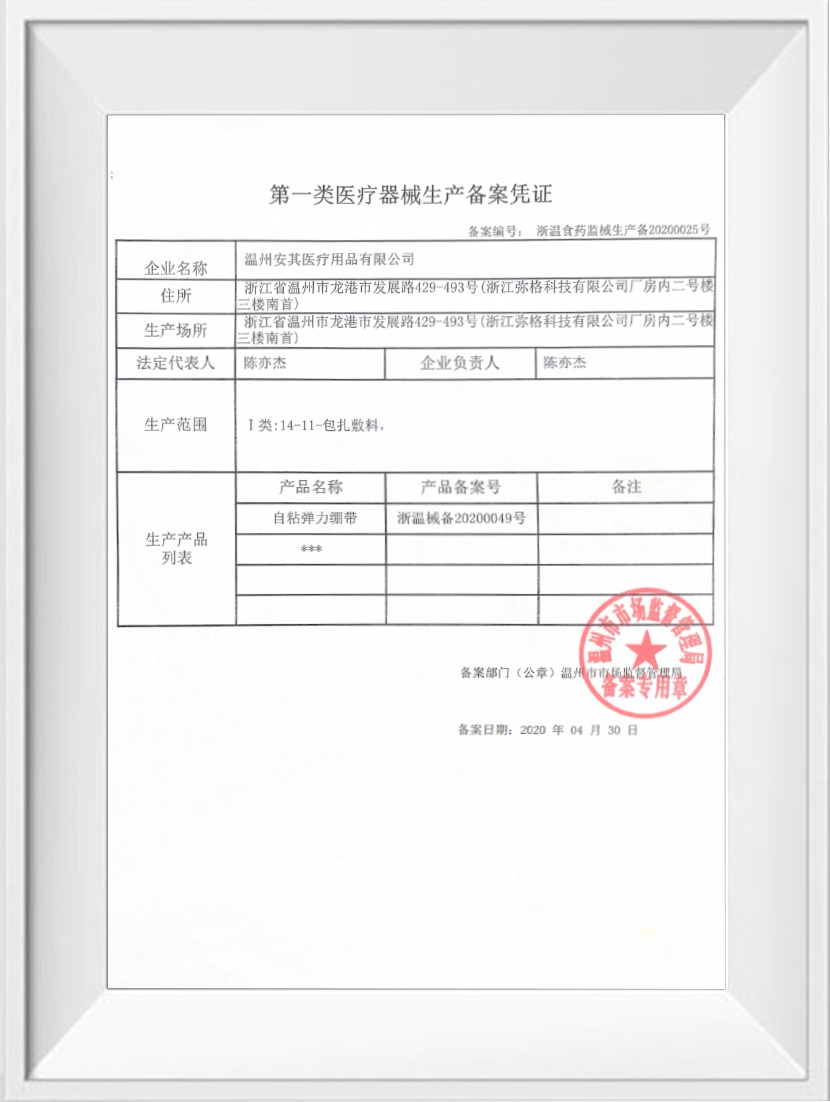
Copyright © Wenzhou Anqi Medical Supplies Co., Ltd. All Rights Reserved.
Approval No: Zhejiang Wenzhou Food and Drug Administration Machinery Production Filing No. 20200025
The information provided on this website is intended for use only in countries and jurisdictions outside of the People's Republic of China.
