 English
 русский
 中文简体
中文简体 Español
 Deutsch
 عربى
عربى

You have just gotten through a long event — maybe a wedding, maybe a night out — and now the task of removing your stick on boob tape feels more daunting than putting it on did. That pulling sensation, the worry about redness or raw patches, the adhesive residue that seems to bond with your skin instead of releasing cleanly — these are real concerns, not overthinking. Skin around the chest is delicate, and tape that has been worn for several hours behaves differently than something applied just briefly. Getting the removal right matters for your skin's comfort, and the good news is that there is a reliable process that makes it far less stressful than it might seem.
Understanding Why Boob Tape Sticks the Way It Does
The Adhesive Behaves Differently After Extended Wear
Boob tape is designed to hold through movement, heat, and sweat — qualities that make it effective for events but also mean the adhesive has genuinely bonded with your skin by the time you remove it. This is not a flaw. It is how the product works. But understanding that extended wear changes the adhesive state helps explain why pulling the tape off cold and dry is such a bad idea.
Over several hours, especially in warm conditions like a wedding venue or summer event, the adhesive softens and works its way more closely against the skin surface. The longer the wear, the more complete that contact. This is why removal techniques that work after an hour may feel more uncomfortable after six.
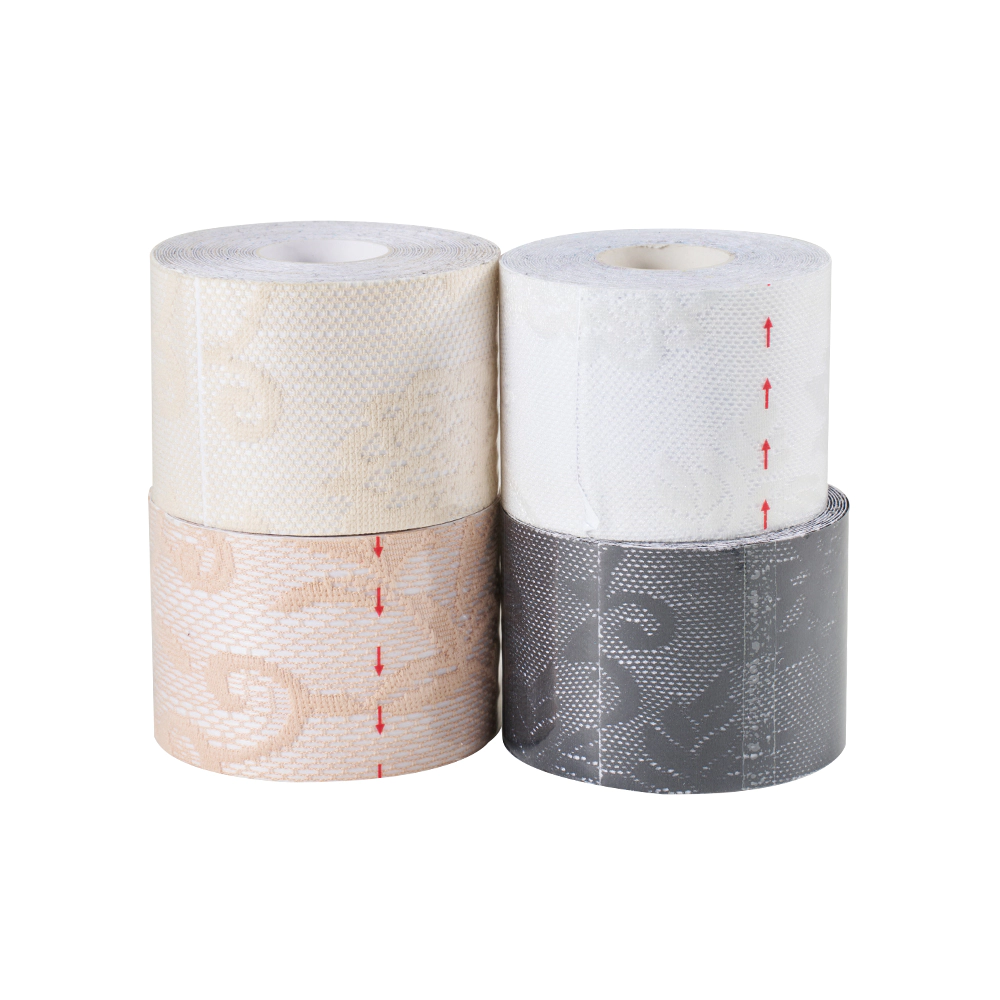
Two factors affect how removal feels:
- Heat and sweat — these can cause the adhesive to spread slightly, increasing contact area
- Skin type — drier or more sensitive skin tends to have less natural moisture to act as a buffer between adhesive and skin surface
The Core Removal Method: Oil and Patience
Why Oil Is the Standard Starting Point
Oil is not a home remedy — it is the actual mechanism that breaks down skin-safe adhesive bonds. The oil molecules displace the adhesive from the skin surface, making it lose grip gradually rather than being forced off mechanically. Baby oil, coconut oil, olive oil, and body oil all work through the same process. The key is application time.
Steps for oil-based removal:
- Apply oil generously along one edge of the tape. Do not start from the center. Work from a corner or end where you can get underneath.
- Let it sit for two to three minutes. Rushing past this step is where most people run into trouble. The oil needs time to penetrate the edge and begin loosening the adhesive.
- Peel slowly at a low angle. Hold the tape parallel to the skin and peel back slowly, rather than pulling upward at a sharp angle. The lower the angle, the less tension on the skin.
- Support the skin ahead of the tape edge. Use your free hand to gently press down on the skin just ahead of where you are peeling. This prevents the skin from lifting along with the tape.
- Add more oil as you go. You do not need to oil the entire tape area at once. Work in sections, applying oil, waiting briefly, then peeling a little further.
The process takes longer than most people expect. A five-minute removal is realistic; rushing it into one minute often leads to soreness.
Removal in the Shower or Bath
Can Warm Water Replace Oil?
Warm water softens adhesive in a similar way to oil, though it works a little more slowly. If you step into a warm shower before attempting removal, the combination of steam, heat, and water contact against the tape edges will begin breaking down the bond within a few minutes. This method works well if you are comfortable handling removal while bathing.
Practical tips for shower removal:
- Let the water run over the taped area for at least three to four minutes before attempting to peel
- Do not use hot water — it can increase skin sensitivity and cause redness that makes it harder to tell whether the skin is reacting to the removal or just to the temperature
- Begin peeling from an edge that is already lifting naturally from the water exposure
- Add a small amount of shower gel or conditioner under the edge as you peel — this adds slip and helps the adhesive release
Some people combine both approaches: a warm shower to soften the tape, followed by oil applied to the remaining adhesive residue after the main tape body is removed.
How to Handle Adhesive Residue After Removal
Residue Is Normal, and It Comes Off Cleanly With the Right Approach
Even after careful removal, a sticky or slightly shiny film often remains on the skin. This is normal. It is not a sign that something went wrong. The adhesive has released from the tape backing but is still partially attached to the skin surface.
To remove residue:
- Apply oil and massage gently in small circular motions — the friction helps lift the residue without stressing the skin
- A soft cloth or cotton pad soaked in oil works well for larger areas
- Avoid using anything abrasive; even a rough washcloth can cause irritation on skin that has just had tape removed
- After the residue is gone, wash the area with gentle soap and warm water to remove the oil
Avoid scrubbing. The goal is to lift residue off, not to force it off. The skin will be slightly more reactive after tape removal, and abrasion on already-sensitive skin tends to cause the redness and soreness people associate with the tape itself.
Sensitive Skin Needs a Modified Approach
Does Your Skin Type Change How You Should Remove Tape?
Skin type genuinely affects how removal feels and what care is needed afterward. Sensitive skin reacts more quickly to mechanical stress and adhesive contact. Dry skin has less natural protection and tends to show redness more readily. Oily skin can sometimes fare slightly better because of the natural moisture barrier.
If you have sensitive skin:
- Use oil removal rather than dry peeling, without exception
- Work in even smaller sections than usual — a centimeter or two at a time is not excessive
- Do not rush even if the removal feels fine at the start; cumulative tension over a large area builds up
- After removal, apply a fragrance-free moisturizer or gentle calming lotion while the skin is still slightly warm from the shower
If you have very dry or eczema-prone skin:
- Consider patch testing the tape on a less visible area before a full-day wear
- After removal, apply a barrier cream or gentle emollient rather than a standard body lotion
- Avoid touching or rubbing the area for at least an hour after removal
The goal in both cases is to give the skin time to settle. A brief period of slight warmth or pinkness after removal is common and usually resolves quickly with proper care.
Wedding and Long-Duration Wear: A Specific Set of Challenges
What Changes After a Full Day of Wear
Boob tape wedding situations present a particular challenge because the tape has been on through a full ceremony, reception, dancing, and potentially significant temperature variation. By hour six, eight, or ten, the adhesive bond is well-established. Skin may also be slightly more dehydrated after a long event, which affects how easily the adhesive releases.
Extra steps for long-duration wear removal:
- Give yourself more time than you think you need. Post-event exhaustion makes rushing tempting, but this is exactly when careful removal pays off.
- Start with a warm shower if possible. After a full day of wear, the shower softening step is more valuable than usual.
- Use more oil and give it longer contact time. Extended wear may require oil to sit for five minutes or more before the tape begins releasing smoothly.
- Take breaks if the skin feels tender. There is no rule that says you must complete removal in one go. If an area feels sensitive, apply more oil, wait, and return to it.
- Prioritize aftercare. After a full-day wear, a gentle moisturizer applied generously to the entire area is worth making a habit — not just the spots that feel uncomfortable.
For safe boob tape choices heading into a wedding or long event, selecting a tape with a hypoallergenic adhesive and clear documentation of skin-safe materials also affects how removal feels. Less aggressive adhesives release more cleanly, even after extended wear.
A Comparison of Removal Methods
Different situations call for different approaches. The right method depends on how long the tape has been worn, what skin type you have, and what materials are available.
| Removal Method | Suitable For | Key Benefit | Watch Out For |
|---|---|---|---|
| Oil soak and slow peel | All skin types, standard wear | Gentle, effective adhesive breakdown | Requires patience and time |
| Warm shower + peel | Moderate wear duration | Softens tape and residue together | Avoid very hot water |
| Oil applied mid-shower | Long-duration or wedding wear | Combines water and oil benefits | Slippery surface, take care |
| Conditioner or shower gel | No oil available, mid-shower | Adds slip for easier peeling | Less effective on stubborn adhesive |
| Dry peeling | Not recommended for any duration | / | High risk of skin irritation and pain |
The dry peeling option is included only because many people attempt it without realizing the risk. It is genuinely the approach to avoid, regardless of how secure the tape feels or how clean the initial edge looks.
Post-Removal Skin Care Routine
What the Skin Needs After Tape Is Removed
Removal is the end of the tape experience but not the end of skin care. The area where tape was applied has had its natural surface slightly disrupted — even with a careful removal, the adhesive contact affects the skin barrier temporarily.
A straightforward post-removal routine:
- Cleanse gently. Wash the area with a mild, fragrance-free cleanser to remove oil and any adhesive traces.
- Pat dry, do not rub. Friction on recently de-taped skin adds unnecessary stress.
- Apply a gentle moisturizer. Something fragrance-free and formulated for sensitive skin works well here. The goal is to restore the moisture barrier quickly.
- Avoid applying other adhesive products, tight-fitting clothing, or sun exposure to the area for at least a few hours. The skin needs a reset period.
- If you notice prolonged redness or irritation, keep the area clean and moisturized and allow it to recover fully before wearing tape again.
Most irritation that people associate with boob tape is actually removal-related rather than wear-related. With careful technique, it is largely avoidable.
Choosing Tape That Is Easier to Remove
Does Safe Boob Tape Make a Difference to the Removal Experience?
The tape you choose directly affects how removal feels — not just how well the tape performs during wear. Tapes formulated with hypoallergenic adhesives, made from medical-grade materials, and designed with skin compatibility as a priority tend to release more cleanly and cause less post-removal irritation than products where these factors were not design priorities.
When evaluating products ahead of an event:
- Look for tapes marketed as safe boob tape with hypoallergenic or latex-free adhesive
- Check whether the product has been tested on sensitive skin
- Consider whether the tape is designed for specific wear durations — products designed for extended wear sometimes have adhesives that account for a clean release after long contact
- Test a small strip on an inconspicuous area at least a day before your event
A product that performs well during wear but causes significant irritation on removal is not actually a good product for your skin. Balancing hold strength with skin compatibility is the real measure of quality in this category.
Removing Tape Comfortably Is Mostly a Technique Question
The difference between a painful, skin-damaging removal and a smooth, comfortable one comes down almost entirely to process — oil, time, angle, and patience. Skin type and tape choice play a role, but even sensitive skin handles tape removal well when the approach is right. The temptation to rush, especially at the end of a long event when you are tired and ready to be done, is the single most common reason removal becomes uncomfortable. Giving the process the time it needs is not a luxury — it is how the adhesive is designed to release.
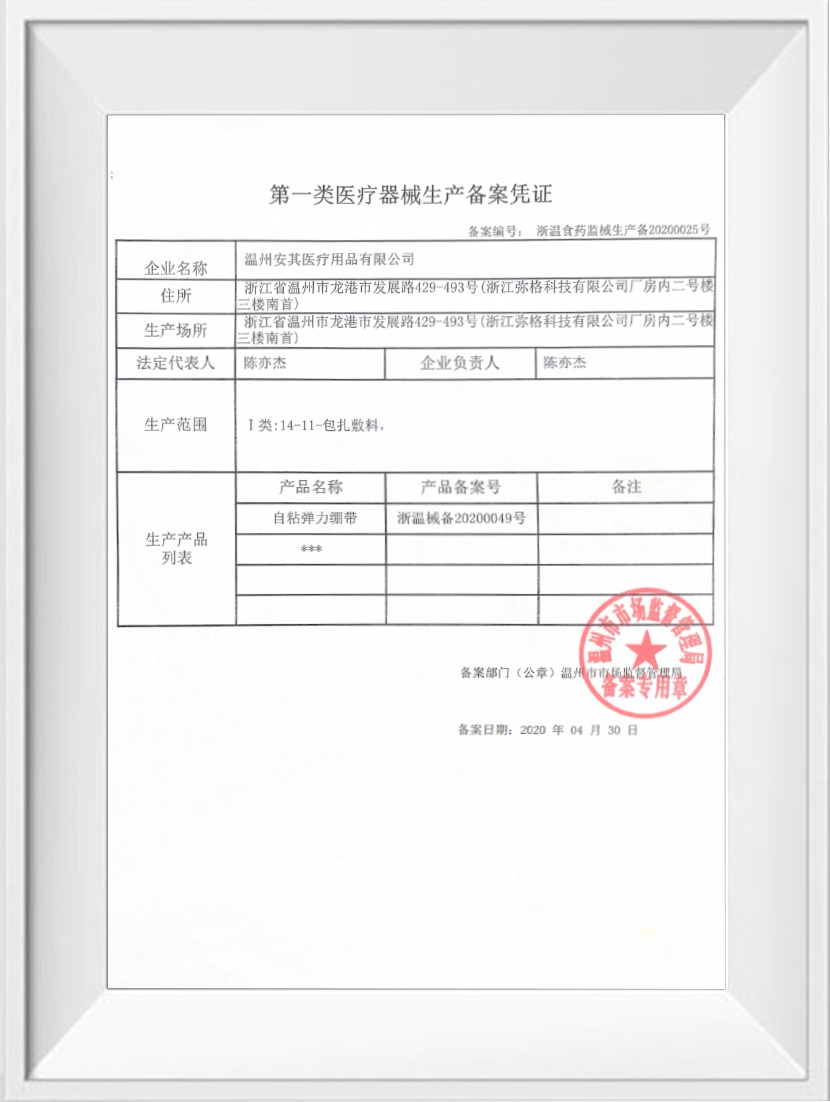
If you are sourcing tape for retail distribution, event styling, or wholesale supply, choosing products that are built with skin safety at the core of their design makes the entire experience — from application to removal — more reliable for end users. Wenzhou Anqi Medical Supplies Co., Ltd. manufactures skin-safe adhesive tape products with a focus on hypoallergenic materials and extended-wear performance. If you are looking to supply a product that performs across a full event and releases cleanly afterward, reaching out to discuss specifications and bulk options is a practical place to start.


 +86-0577-83728222
 +86-0577-837282222