
 English
 русский
 中文简体
中文简体 Español
 Deutsch
 عربى
عربى

Are Adhesive Bras a Real Alternative to Boob Tape?
Content
- 1 What Each Product Actually Does
- 2 How Do They Compare on Support?
- 3 Comparing Both Options Across Key Factors
- 4 Is Boob Tape Actually Safe for Skin?
- 5 Wedding Wear: Which Option Holds Up All Day?
- 6 Body Type and Bust Size: Does It Change the Recommendation?
- 7 Common Mistakes That Undermine Either Product
- 8 Can They Be Used Together?
- 9 Making the Right Choice for Your Specific Situation
- 10 Finding Reliable Products for Either Choice
You've found the dress. The neckline plunges, the back is open, and a regular bra is completely out of the question. Now comes the part nobody really prepares you for: figuring out what actually works underneath it. Adhesive bras seem like the obvious answer — they're sold everywhere, they look straightforward, and the packaging makes bold promises. But then someone mentions Stick on Boob Tape , and suddenly you're down a rabbit hole of tutorials, horror stories, and conflicting advice. Whether you're preparing for a wedding, a formal event, or just a dress that defies conventional undergarments, the comparison between these two options deserves more than a quick scroll through reviews. They're not the same product. They don't perform the same way. And choosing the wrong one for the wrong situation can turn an exciting outfit into an anxious evening.
What Each Product Actually Does
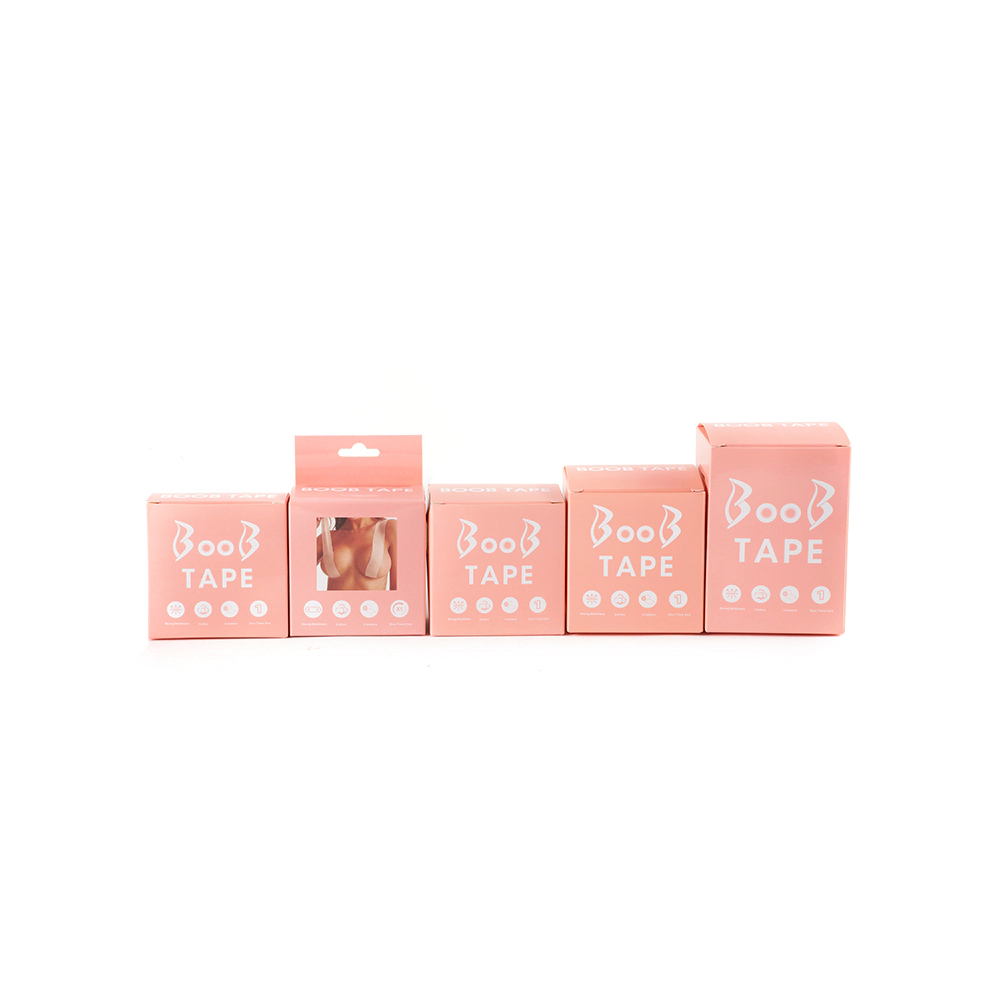
Adhesive Bras Are Designed for a Specific Shape
An adhesive bra is a pre-formed product. It comes with structured cups — usually silicone or fabric-covered foam — that stick directly to the skin and provide a defined shape. The cup structure is fixed, meaning the lift, coverage, and positioning are largely determined by the product's design rather than by the wearer's application technique.
This works well in specific situations:
- Outfits with moderate necklines where the cup shape aligns with the garment
- Light to medium support needs where a natural rounded shape is the goal
- Occasions where ease of application matters more than custom shaping
- Skin that is sensitive to prolonged adhesive contact on large surface areas
The limitation is rigidity. Because the cup shape is set, adhesive bras don't adapt to unconventional necklines, asymmetric cuts, or outfits that require shaping from a specific angle. The product works on its own terms — not necessarily on the dress's terms.
Stick on Boob Tape Works Differently
Boob tape starts as a raw material rather than a finished shape. It's applied directly to the skin in strips, and the wearer controls where the lift goes, how much coverage is created, and how the shape interacts with the specific garment being worn. The flexibility is the point.
This adaptability makes it suitable for:
- Deep V necklines where a pre-formed cup would be visible
- Backless gowns where traditional adhesive bra straps can't be hidden
- Asymmetric or one-shoulder designs that require asymmetric support
- Strapless dresses where full-length coverage along the torso adds stability
- Situations where the wearer needs to customize support for their specific body shape
The trade-off is technique. Boob tape requires more time to apply correctly, and the results vary considerably depending on how familiar the user is with the process. Done well, it can provide remarkable support and an invisible finish. Done without preparation, it can bunch, peel, or apply uneven pressure.
How Do They Compare on Support?
Adhesive Bras Provide Structured But Limited Lift
The support from an adhesive bra comes from the cup's internal structure pressing against the breast tissue and the adhesive holding that structure in place. For smaller bust sizes, this is often sufficient for a few hours of wear. For larger bust sizes, the adhesive footprint may not distribute the load effectively, which can cause the product to shift or detach under the weight of the breast tissue.
Adhesive bras generally work better for:
- Cup sizes where the breast weight doesn't overwhelm the adhesive contact area
- Occasions that don't involve extended wear, heavy movement, or heat
- Outfits where a rounded, centrally-lifted shape is what the garment calls for
They tend to struggle with:
- Larger cup sizes where the product was never designed to carry significant weight
- Extended wear beyond several hours, particularly in warm conditions
- Active wear or dancing where repeated movement loosens the adhesive seal
Boob Tape Scales With the Wearer's Needs
Because boob tape is applied in strips and layered as needed, the support level is adjustable. More tape, more anchor points, more coverage — the system adapts. This is why it's genuinely used for larger bust sizes and high-movement occasions in ways that adhesive bras aren't.
Practical factors that affect tape support:
- The number of strips applied and how they're layered
- The direction of lift — upward, inward, or angled depending on the neckline
- Whether the tape is anchored to a stable surface like the torso as well as lifted from below
- The quality of the tape's adhesive and its resistance to sweat and heat
Support from boob tape is less about the product doing the work and more about applying it correctly. The learning curve is real, but once someone has figured out the technique for their body and their outfit, the result tends to be more reliable for demanding occasions than an adhesive bra provides.
Comparing Both Options Across Key Factors
| Factor | Adhesive Bra | Stick-on Boob Tape |
|---|---|---|
| Application complexity | Simple — peel and press | Requires technique and preparation |
| Shape control | Fixed cup shape | Fully customizable |
| Support for larger bust | Limited | Scalable with more strips |
| Suitable for deep V necklines | Often not hidden | Adjustable to any neckline |
| Suitable for backless designs | Depends on back closure design | Yes, with correct technique |
| Extended wear stability | Variable — may shift | Reliable with proper application |
| Skin contact surface | Cup edges and center | Larger skin surface area |
| Reusable | Sometimes, with care | Generally single-use |
| Learning curve | Low | Moderate |
| Wedding suitability | Light gowns, shorter events | Formal gowns, all-day wear |
Is Boob Tape Actually Safe for Skin?
Safe Boob Tape Depends on the Material
Skin safety is one of the more common concerns around boob tape, and it's worth addressing directly rather than glossing over. Not all tape is formulated the same way. Products designed specifically for skin contact — often labeled as Safe Boob Tape — use medical-grade or skin-friendly adhesives that are pressure-sensitive rather than solvent-based. These adhere well without requiring harsh chemicals to bond or release.
Materials that indicate a skin-friendly formulation:
- Cotton fabric backing that allows some breathability and reduces moisture buildup
- Hypoallergenic adhesive that minimizes the risk of contact irritation
- Products labeled for sensitive skin or medical-grade adhesive systems
- Tape that releases cleanly with oil rather than requiring force
Problems tend to occur when people use tape products that weren't specifically designed for skin, apply tape to damaged or irritated skin, remove it without appropriate technique, or wear it for longer than the product was designed to handle.
How to Reduce Skin Irritation Risk
Regardless of the product chosen, skin preparation and removal technique significantly affect how the skin responds:
- Always test a small strip on an inconspicuous skin area the day before the event, allowing time to observe any reaction
- Apply tape to clean, dry skin without lotion, oil, or spray — these reduce adhesion and can cause uneven bonding
- When removing, never pull tape straight off; use a gentle oil — coconut, baby, or a dedicated tape remover — to dissolve the adhesive before peeling slowly in the direction of hair growth
- Give the skin time to recover before reapplying; wearing tape for consecutive days without a break can sensitize even resilient skin
- If any redness, raised texture, or persistent itching develops, stop use and allow the skin to recover fully before trying again
Adhesive bras carry similar skin contact considerations, particularly at the cup edges where the adhesive is concentrated and where friction can develop during wear.
Wedding Wear: Which Option Holds Up All Day?
Boob Tape Wedding Use Is Common for a Reason
Boob tape for weddings has become a standard recommendation among bridal stylists and alterations specialists — not because it's a trend, but because wedding dresses consistently present challenges that adhesive bras weren't designed to solve. Deep V necklines, low backs, strapless silhouettes with structured bodices, and fit-and-flare gowns that require specific shaping from the waist up all create scenarios where a pre-formed cup simply doesn't offer the right solution.
The specific advantages of boob tape for wedding use:
- It can be applied beneath the dress lining for a completely invisible finish
- The tape follows the dress's structure rather than imposing its own shape
- It holds through multiple hours of wear, dancing, and temperature changes when applied correctly
- For larger bust sizes, it can be layered to provide genuinely reliable support through a long day
- It accommodates touch-ups if needed without requiring removal of the dress
The key qualifier is preparation. A wedding is not the occasion for applying boob tape for the first time. Brides who plan to use it should do a full dress rehearsal with the tape applied — including sitting, standing, moving, and eating — to confirm the application works for their body and their specific gown before the actual event.
When Would an Adhesive Bra Be the Better Wedding Choice?
There are wedding dress styles where an adhesive bra is a reasonable choice rather than a compromise. Ball gowns with structured bodices that provide their own support may only need light shaping assistance at the neckline — exactly where a modest adhesive bra can contribute without needing to carry significant weight. Shorter wedding dresses or cocktail-length styles that don't involve elaborate draping or unconventional necklines can also work with adhesive bra support.
The practical consideration is dress architecture. When the dress does much of the structural work itself, the adhesive bra's limitations matter less. When the dress requires the support system to do significant work, particularly over many hours of continuous wear, the flexibility and scalability of tape tends to be more reliable.
Body Type and Bust Size: Does It Change the Recommendation?
Smaller Bust Sizes Have More Flexibility
For smaller cup sizes, the load on any adhesive system is lower, which means both adhesive bras and boob tape tend to perform reliably without needing to account for significant breast weight. The choice between them shifts toward factors like outfit type, personal preference for application, and the specific shaping effect each option produces.
Smaller bust sizes can often achieve a similar effect with either product, so the decision comes down to:
- How much shaping or lift is actually needed for the outfit
- Whether the neckline is conventional enough for a pre-formed cup to sit invisibly
- How much time and preparation is available before the event
Larger Bust Sizes Benefit Significantly from Tape
For larger bust sizes, the calculus changes noticeably. Adhesive bras designed for larger cup sizes do exist, but they require more adhesive contact area to distribute the weight effectively, and they're more likely to shift or partially detach during extended wear. The product's pre-formed shape also tends to be less precise in how it manages the tissue at the sides and underarm area — places where fit matters for both aesthetics and comfort.
Boob tape, applied in layered strips with sufficient anchor points, distributes support more effectively for larger bust sizes precisely because the wearer controls where each strip goes. The result is a custom support pattern that follows the individual's anatomy rather than a standardized cup shape. This is one of the areas where tape genuinely outperforms adhesive bras regardless of outfit type.
Common Mistakes That Undermine Either Product
Why Applications Fail — and How to Prevent It
Both products can underperform for avoidable reasons. Understanding what goes wrong helps set realistic expectations and improve outcomes:
For adhesive bras:
- Applying to skin that has lotion, oil, or any residue from previous products — the adhesive can't bond effectively to a coated surface
- Trying to reuse a product beyond its adhesive lifespan — the bonding material degrades with each use
- Choosing a cup size that doesn't closely match the natural breast size — too large a cup shifts; too small creates gaps
- Wearing in high heat or during activities that generate sustained sweat without confirming the product's sweat resistance first
For boob tape:
- Stretching the tape aggressively during application — stretched tape contracts on the skin, creating pressure points and increasing the risk of irritation or bruising
- Applying too few strips for the support level needed, then expecting the tape to hold through movement
- Skipping the oil removal step and pulling tape directly from the skin — this is the primary cause of skin damage from tape use
- Not accounting for warmth and sweat by testing in real conditions before the event
Can They Be Used Together?
Combining Both Products in One Outfit
Some people find that using both products in combination works better than either alone. A small adhesive cup placed over the nipple area for coverage, with tape applied to lift and shape around it, gives the coverage benefits of an adhesive bra insert alongside the shaping flexibility of tape. This approach is worth trying if:
- Nipple coverage is a priority but shaping from tape alone feels insufficient
- The dress has areas where coverage matters more than lift and other areas where lift matters more than coverage
- The wearer prefers the comfort of a soft cup against the skin directly, with tape providing structural support externally
The combination doesn't work well for all body types or all dress styles, but it's a useful option when neither product alone fully addresses the outfit's requirements.
Making the Right Choice for Your Specific Situation
A Practical Decision Framework
Rather than treating this as a general comparison, it helps to run through the actual requirements of a specific situation:
Questions that clarify the decision:
- Does the outfit have a conventional neckline, or does it require completely customized shaping?
- How many hours will the support system need to hold without adjustment?
- What is the bust size, and is the adhesive bra realistically designed for it?
- Is the event high-movement — dancing, outdoor activity — or relatively stationary?
- Has either product been tested with this specific outfit before the event?
- Is skin sensitivity a concern, and has a patch test been done in advance?
Answering these honestly usually points clearly toward one option or the other. The mistake is choosing based on which product seems easier rather than which one genuinely suits the situation.
Finding Reliable Products for Either Choice
The quality difference between products in this category is real and consequential. Cheap tape with inadequate adhesive peels at the wrong moment. An adhesive bra with poor quality silicone or weak bonding fails under any significant warmth or movement. Skin reactions to low-grade adhesives can turn a special occasion into an uncomfortable experience that takes days to resolve.
For buyers, stylists, and retailers sourcing products in this category at volume, Wenzhou Anqi Medical Supplies Co., Ltd. manufactures adhesive breast support products including boob tape formulated with skin-compatible adhesives suitable for extended wear. Their product range covers both Safe Boob Tape options for sensitive skin applications and formats suited to Boob Tape Wedding use where all-day reliability is essential. Working with a manufacturer that understands the material requirements of skin-contact adhesive products — rather than simply producing a cosmetic item — makes a genuine difference in the outcome for end users who rely on these products for significant occasions. If you're sourcing breast support solutions for retail, bridal, or fashion applications and need product quality that holds up under real-world conditions, reaching out to discuss specifications, materials, and volume options is a practical starting point for building a product offering that actually delivers on its promises.
Keep In Touch

No.455 New Town Development Road,Longgang City, Wenzhou City

 +86-0577-83728222
 +86-0577-837282222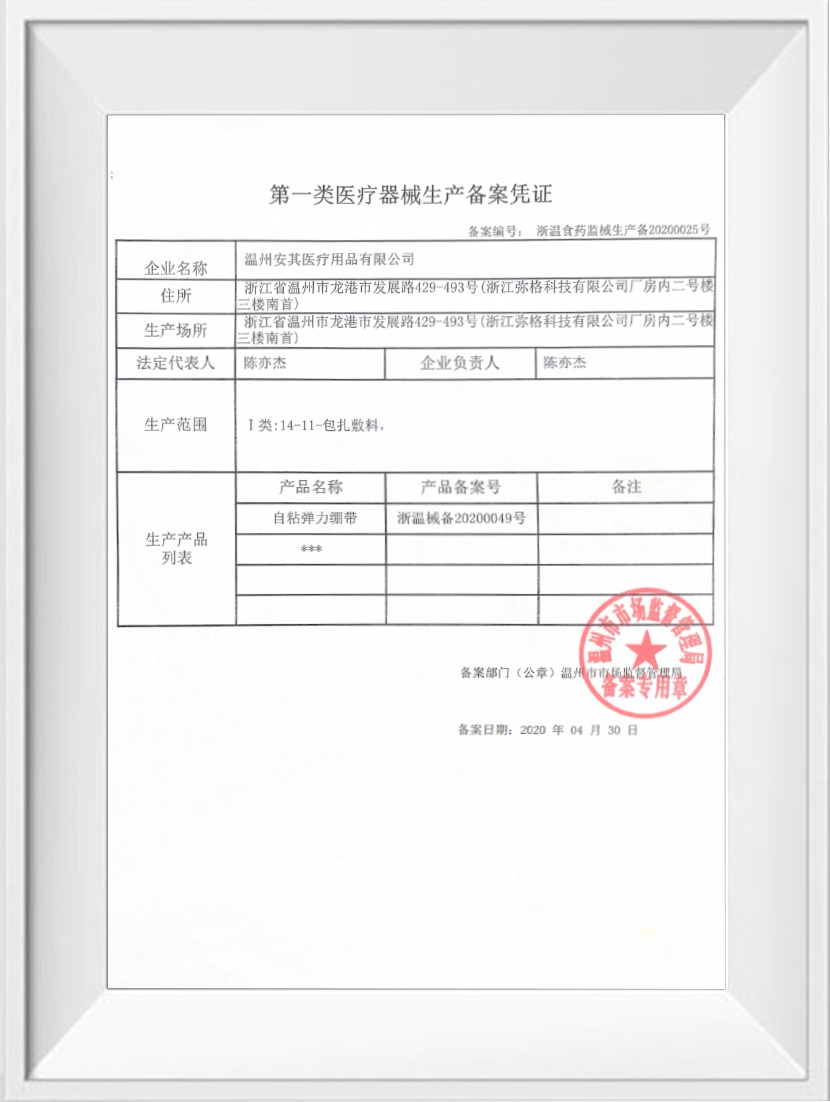
Copyright © Wenzhou Anqi Medical Supplies Co., Ltd. All Rights Reserved.
Approval No: Zhejiang Wenzhou Food and Drug Administration Machinery Production Filing No. 20200025
The information provided on this website is intended for use only in countries and jurisdictions outside of the People's Republic of China.
