
 English
 русский
 中文简体
中文简体 Español
 Deutsch
 عربى
عربى

Why Is Manufacturing Capability Important for an Athletic Tape Supplier
Content
- 1 01 What Does Manufacturing Capability Mean for an Athletic Tape Supplier?
- 2 02 How Does Manufacturing Capability Affect Product Consistency?
- 3 03 Why Does Material Management Matter to Athletic Tape Production?
- 4 04 How Can Manufacturing Capability Support Customized Athletic Tape?
- 5 05 How Does Production Flexibility Help Different Sports Markets?
- 6 06 Why Is Quality Control Important for Manufacturing Capability?
- 7 07 How Does Manufacturing Capability Affect Supply for B2B Buyers?
- 8 08 What Should Buyers Ask an Athletic Tape Supplier About Manufacturing?
Athletic tape is a small product, but its role in sports can be quite practical. It may be used during training, competition, warm-up routines, or daily sports care. Athletes can apply it around different body areas when they want additional external support.
For buyers, however, sourcing athletic tape is not only about finding a product that looks suitable. The supplier behind the product also matters.
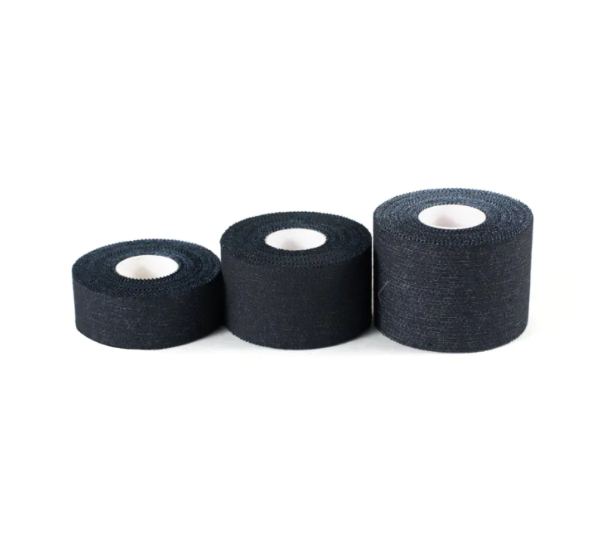
An Athletic Tape Supplier needs to understand how the tape will be used. The supplier also needs the manufacturing capability to turn those requirements into a consistent product. This involves material selection, production processes, quality checks, packaging, customization, and supply planning.
Manufacturing capability does not simply mean having production equipment. It reflects how well a supplier can organize the entire process from materials to finished products.
This becomes particularly important for sports retailers, distributors, teams, training centers, and other buyers that need a stable supply of athletic tape.
01 What Does Manufacturing Capability Mean for an Athletic Tape Supplier?
Manufacturing capability stretches well past the physical production of tape alone.
An Athletic Tape Supplier with real manufacturing capability can usually take responsibility for several stages of the product process at once. Those stages typically cover material preparation, coating, cutting, winding, packaging, inspection, and order management.
Each of these stages ripples into the final product.
The tape, for instance, needs a genuinely practical surface for application. It also needs to hold up for its intended use throughout sports activities. Packaging should protect the product while keeping it convenient to handle and store.
A supplier who genuinely understands the complete process can link these individual stages together seamlessly.
| Manufacturing Area | Why It Matters |
|---|---|
| Material preparation | Helps maintain suitable material consistency |
| Tape production | Shapes the basic product for its intended use |
| Cutting and winding | Supports practical handling and application |
| Inspection | Helps identify production problems |
| Packaging | Protects products during storage and transport |
| Custom production | Allows products to match specific buyer needs |
| Supply planning | Helps organize repeat orders and product availability |
For B2B buyers, this broader capability can make communication easier. Instead of dealing with separate companies for different production stages, buyers may be able to discuss their requirements with one manufacturing partner.
The exact manufacturing structure can vary between suppliers. What matters is whether the supplier can manage the product requirements in a clear and organized way.
02 How Does Manufacturing Capability Affect Product Consistency?
Consistency counts for a lot with products people use over and over again.
An athlete might work athletic tape into a regular training routine. A sports team might buy the same type of tape for its players season after season. A distributor might need to keep supplying the product to plenty of customers over time.
In situations like these, buyers generally expect the product to stay consistent from one order to the next, batch after batch.
Manufacturing capability shapes that consistency directly.
A supplier needs to manage materials, production steps, inspection procedures, and packaging all in a genuinely coordinated way. Leave these processes poorly controlled, and differences start creeping in between production batches.
Differences like that ripple straight into the user experience.
For athletic tape specifically, the surface, flexibility, adhesion, texture, and ease of application all shape how the product feels in actual use. Buyers don't necessarily expect every product across different categories to feel identical, but they do need the product to stay aligned with its intended spec, batch after batch.
That matters especially for private-label and custom products.
Once a buyer's developed a particular product concept, the supplier needs to reproduce that concept reliably, over and over. Manufacturing capability lays the groundwork for pulling that off consistently.
Quality management, then, ties tightly into production capability. Inspection shouldn't get treated as something that only happens once manufacturing wraps up. It can — and should — run as part of the wider production process itself.
03 Why Does Material Management Matter to Athletic Tape Production?
Materials have a direct relationship with the finished tape.
Athletic tape may contain several material layers or components. Each one contributes to how the finished product behaves during application and use.
A supplier needs to understand the purpose of each material and how it fits into the production process.
Material management begins before production. Incoming materials need to be checked and stored appropriately. Production teams need to work with materials that match the intended product design.
Poor material organization can create unnecessary variation.
For an Athletic Tape Supplier, material sourcing is therefore not simply a purchasing activity. It is part of product manufacturing.
Buyers may also have specific material preferences. Some may focus on the feel of the tape. Others may have requirements related to skin contact, flexibility, surface texture, or packaging.
Different sports applications can create different needs.
A tape intended for general athletic support may have a different material structure from a product designed for a particular type of training. A supplier with flexible manufacturing capability can better understand these differences and discuss suitable production options with the buyer.
Clear material communication also helps prevent misunderstandings during custom orders.
When buyers explain the intended application, the supplier can evaluate how the material choices fit the product goal. This creates a more practical connection between product design and manufacturing.
04 How Can Manufacturing Capability Support Customized Athletic Tape?
Customization is an important part of B2B athletic tape sourcing.
A buyer may want a particular tape appearance, packaging format, label design, or product structure. Some buyers may also require a product developed around a specific application.
This is where manufacturing capability becomes more visible.
A supplier that only handles standard products may have limited options for customization. A supplier with broader production capabilities may be able to adjust different parts of the manufacturing process according to the buyer's requirements.
Customization can involve several areas:
- Product structure
The buyer may have requirements related to the tape's material and feel. - Size and format
Different users may need different product formats for handling and storage. - Surface appearance
Some projects may require a particular visual treatment. - Packaging
Retail packaging, team packaging, and bulk packaging can serve different purposes. - Private labeling
Distributors may need products prepared under their own brand identity. - Product combinations
Some buyers may want athletic tape supplied together with related sports care products.
The important issue is not how many customization options a supplier lists. It is whether the supplier can actually manage the requested changes through its production process.
A good manufacturing discussion should therefore begin with the buyer's actual needs.
The supplier can then determine which parts of the product can be adjusted and which production conditions need to remain stable.
05 How Does Production Flexibility Help Different Sports Markets?
The sports market is not a single market.
Athletic tape may be used in team sports, individual training, fitness activities, school programs, rehabilitation settings, and other athletic environments. Each group can have different purchasing habits.
A sports retailer may want several product formats for different customers. A team may need a regular supply for players and support staff. A distributor may need products prepared for different markets.
Manufacturing flexibility can help suppliers respond to these differences.
Flexible production does not necessarily mean changing every product for every customer. It means having a production system that can manage reasonable variations without creating unnecessary complexity.
For example, a supplier may produce several types of athletic tape with different applications. It may also support different packaging formats for retail and bulk orders.
This can help buyers organize their product range.
| Buyer Type | Possible Manufacturing Needs |
|---|---|
| Sports retailer | Consumer-friendly packaging and product variety |
| Sports distributor | Stable supply and multiple product formats |
| Sports team | Regular supply for training and competition |
| Training center | Products suited to frequent daily use |
| Private-label buyer | Custom branding and packaging |
| Sports equipment company | Coordinated product development |
The ability to serve different customers can also help an Athletic Tape Supplier understand market needs.
Feedback from buyers can reveal which product features are practical in daily use. Manufacturers can then use this information when planning future product development.
06 Why Is Quality Control Important for Manufacturing Capability?
Quality control is closely connected to manufacturing capability.
A supplier may have modern production equipment, but equipment alone does not guarantee a consistent product. People, processes, materials, inspection, and production management all contribute to the result.
For athletic tape, quality checks can cover different parts of the product.
The tape may be checked for surface condition, winding quality, packaging condition, appearance, and other characteristics related to the buyer's requirements.
The purpose of inspection is not simply to reject defective products. It also helps manufacturers understand where problems may occur in the production process.
If an issue appears repeatedly, the manufacturer can examine the relevant production stage and adjust the process.
This approach can support more stable manufacturing.
For B2B buyers, quality management is also an important part of supplier communication. Buyers can ask how materials are checked, how products are inspected, and how production problems are handled.
These questions can provide useful information about the supplier's manufacturing structure.
Quality control should also match the product.
A supplier producing athletic tape for different applications may need different inspection points depending on the product design. This is another reason why manufacturing experience matters.
07 How Does Manufacturing Capability Affect Supply for B2B Buyers?
Supply is a practical concern for every B2B buyer.
A retailer needs products when customers place orders. A distributor needs enough stock to serve its own customers. A sports organization may need regular supplies for training activities.
Manufacturing capability can influence how a supplier manages these requirements.
A supplier needs to understand production planning, material availability, packaging schedules, and order coordination. When these areas are organized, it becomes easier to manage repeat orders.
This does not mean every supplier can provide unlimited quantities or immediate delivery. Production capacity depends on the actual factory setup and order conditions.
The important point is communication.
Buyers should provide clear information about expected purchasing patterns. Suppliers can then evaluate the production requirements and discuss a suitable supply arrangement.
This is particularly useful for custom athletic tape.
Custom products often involve additional preparation. Materials, packaging, labels, and production instructions may need to be arranged before manufacturing begins.
A supplier with organized manufacturing processes can make these steps easier to coordinate.
Long-term buyers may also benefit from maintaining clear product specifications. When both sides understand the agreed product requirements, repeat orders can be easier to manage.
08 What Should Buyers Ask an Athletic Tape Supplier About Manufacturing?
Buyers do not need to understand every production detail before choosing a supplier. However, several practical questions can help reveal the supplier's manufacturing capability.
The goal is to understand whether the supplier can support the actual product requirement rather than simply offer a standard catalog item.
Useful questions may include:
- Where are the main production steps handled?
- How are incoming materials checked?
- How is product consistency managed?
- What customization options are available?
- Can packaging be customized?
- How are products inspected before shipment?
- How are custom orders managed?
- How does the supplier handle repeat orders?
- What information is needed before production begins?
- How are production issues communicated to buyers?
These questions can also help buyers compare suppliers without relying only on price.
Price is one part of sourcing. Manufacturing capability can affect many other areas, including product consistency, customization, communication, quality control, and supply planning.
For buyers who expect a long-term relationship, these factors can become increasingly important.
An Athletic Tape Supplier is not simply a company that sells rolls of tape. In a B2B setting, the supplier may also become part of the buyer's product development and supply process.
The manufacturing side determines how well the supplier can respond when product requirements change, packaging needs develop, or a buyer expands into another sports market.
This is why manufacturing capability deserves attention during supplier evaluation. It connects the product on the shelf with the processes taking place behind the scenes.
Keep In Touch

No.455 New Town Development Road,Longgang City, Wenzhou City

 +86-0577-83728222
 +86-0577-837282222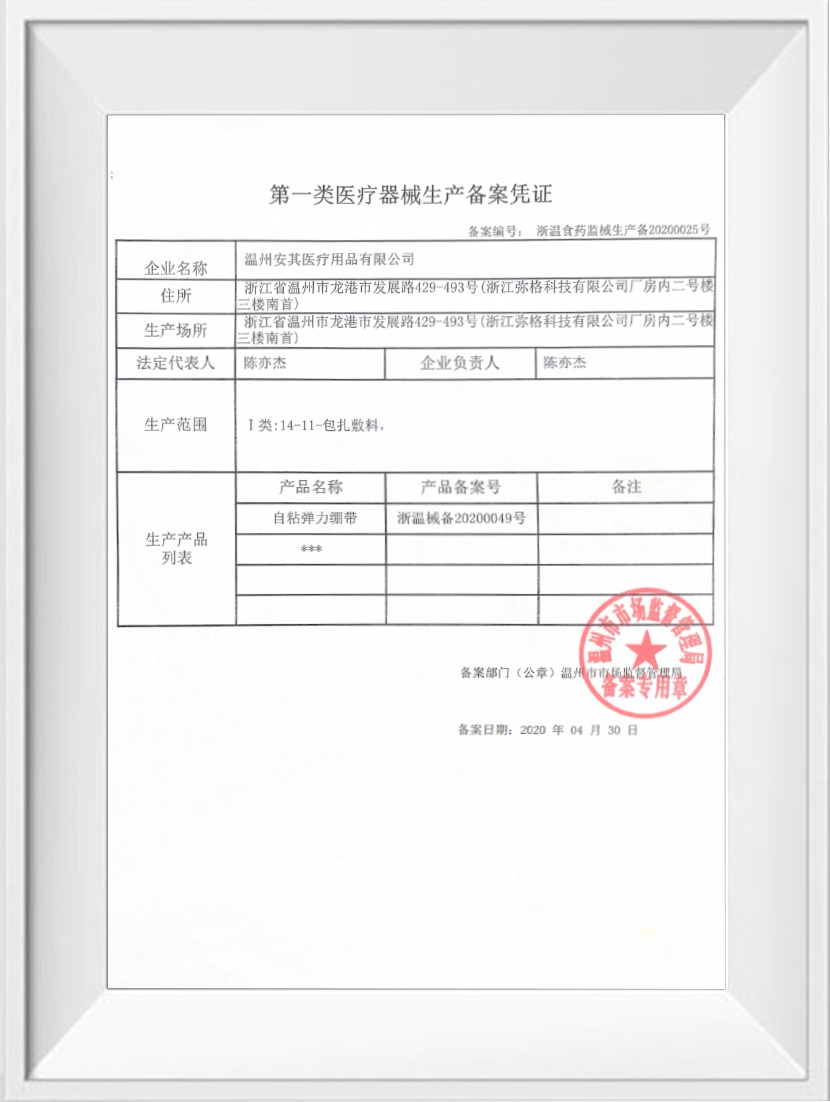
Copyright © Wenzhou Anqi Medical Supplies Co., Ltd. All Rights Reserved.
Approval No: Zhejiang Wenzhou Food and Drug Administration Machinery Production Filing No. 20200025
The information provided on this website is intended for use only in countries and jurisdictions outside of the People's Republic of China.
