
 English
 русский
 中文简体
中文简体 Español
 Deutsch
 عربى
عربى

What Does Sports Strapping Tape Do During Exercise
Content
- 1 01 What Does Sports Strapping Tape Do During Exercise?
- 2 02 How Can Sports Strapping Tape Support Different Movements?
- 3 03 Why Is Sports Strapping Tape Used Around Joints?
- 4 04 How Does Sports Strapping Tape Work With Athletic Preparation?
- 5 05 Can Sports Strapping Tape Be Used for Different Body Areas?
- 6 06 How Does Sweat Affect Sports Strapping Tape During Exercise?
- 7 07 What Should Buyers Consider When Choosing Sports Strapping Tape?
- 8 08 How Is Sports Strapping Tape Becoming Part of Modern Sports Care?
Exercise places repeated demands on the body. Running, jumping, turning, lifting, throwing, and other movements can all require the joints and muscles to work together. During training or competition, athletes may also want additional support around certain areas of the body.
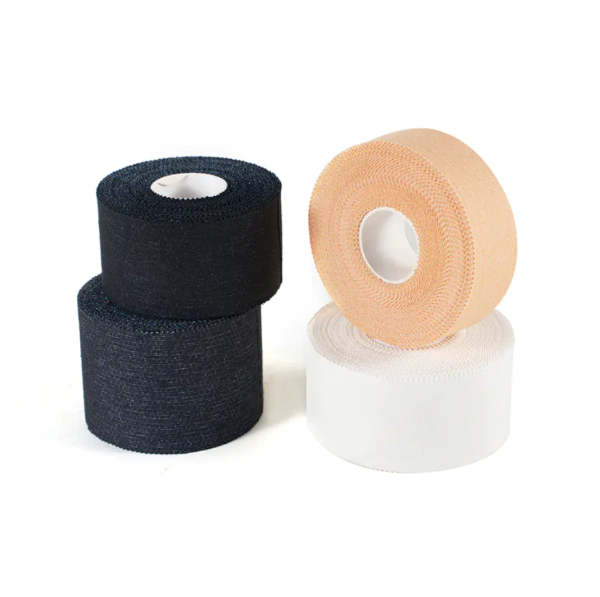
This is where Sports Strapping Tape is often used.
Sports strapping tape is designed to provide external support during physical activity. It can be applied around areas such as the wrist, ankle, knee, thumb, or other parts of the body. The purpose is not simply to cover the skin. The tape can become part of an athlete's preparation routine and help provide a sense of support during movement.
Its role can vary depending on the sport, body area, and reason for use. Some athletes use tape as part of their regular preparation. Others may use it when they want additional support around an area that receives repeated movement.
The way the tape is applied also matters. A suitable application should work with normal movement rather than making the body feel unnecessarily restricted.
01 What Does Sports Strapping Tape Do During Exercise?
It mainly provides external support around selected areas of the body.
During exercise, joints move repeatedly. Some activities require quick changes in direction. Others place more emphasis on gripping, jumping, landing, or lifting. Tape can be applied in a way that provides a supportive layer around an area involved in these movements.
The feeling can be different from wearing a brace or other support product. Tape is usually applied directly to the skin and can follow the shape of the body. This allows it to become part of the athlete's preparation before activity begins.
The role of Sports Strapping Tape can include:
| Use | Role During Exercise |
|---|---|
| External support | Adds a layer of support around selected areas |
| Movement awareness | Helps athletes stay aware of a taped joint or body area |
| Training preparation | Can form part of a pre-exercise routine |
| Joint support | Provides support around areas involved in repeated movement |
| Grip and hand support | Can be used around selected parts of the hand or wrist |
| Sports care routine | Fits into preparation and recovery practices |
The tape does not replace proper training, suitable equipment, or professional care when an injury requires assessment. Its role is more focused on external support during physical activity.
This distinction is important for both athletes and buyers. Sports strapping tape should be understood as one part of a wider sports care routine.
02 How Can Sports Strapping Tape Support Different Movements?
Different sports involve different movement patterns. A runner may place repeated demands on the lower body. A tennis player may rely heavily on the wrist and arm. A basketball player may jump, land, turn, and change direction frequently.
It can be used in different ways depending on these movement needs.
For example, tape around the wrist may be used when an athlete wants additional external support during activities that involve repeated hand movement. Tape around the ankle may form part of a preparation routine for sports involving running, jumping, or changes in direction.
The important point is that the tape should work with the intended movement.
Athletes usually need to move naturally during exercise. Tape that feels too restrictive may become distracting. Tape that does not remain in place may also affect the experience.
Application therefore needs to consider both the body area and the activity.
A sports tape supplier may also need to understand these differences when developing products for different markets. A tape intended for general athletic use may have different requirements from one designed around a specific training environment.
The needs of individual athletes can also vary. Some people may prefer a stronger feeling of support. Others may focus more on flexibility and comfort.
This creates a wide range of potential applications without changing the basic purpose of the product.
03 Why Is Sports Strapping Tape Used Around Joints?
Joints are involved in many common athletic movements. The ankle helps support walking, running, jumping, and landing. The wrist is involved in gripping, throwing, lifting, and other upper-body actions. The knee is involved in movements such as running, squatting, and jumping.
Because joints are constantly involved in movement, athletes may choose to use external support around selected areas.
It can provide a physical layer around a joint. The presence of the tape may also increase awareness of that area during movement. An athlete may become more conscious of how the joint is moving and adjust their movement accordingly.
This does not mean that tape can prevent every sports injury or correct an underlying medical problem. Its purpose is more limited. It provides external support as part of a sports activity or preparation routine.
For manufacturers, joint support is an important product application area. The tape needs to remain useful during movement. It should also suit the body area where it will be applied.
A product designed for the wrist may not feel the same as one intended for the ankle. Body shape, movement, sweat, contact with clothing, and the type of exercise can all influence how the tape is used.
These factors can guide product development and purchasing decisions.
04 How Does Sports Strapping Tape Work With Athletic Preparation?
Preparation begins before the actual exercise.
Many athletes have personal routines. These may include stretching, warm-up exercises, equipment checks, hydration, and other activities. Applying Sports Strapping Tape can also become part of this preparation process.
The tape is usually applied before physical activity begins. This gives the athlete time to check how it feels and whether it stays in the desired position.
A good preparation routine should not create unnecessary distractions. Athletes need to focus on the activity itself. For this reason, the feel of the tape, the way it is applied, and its ability to remain in place can all influence the user experience.
Sports teams may also have shared preparation routines. Coaches, trainers, or support staff may apply tape to athletes based on individual needs and established practices.
This creates demand beyond individual consumers. Sports clubs, training facilities, schools, fitness centers, and professional sports organizations may all purchase athletic tape as part of their regular supplies.
For B2B buyers, this means product selection can involve more than the tape itself. Packaging, storage, ease of use, and consistency between rolls can also become practical purchasing considerations.
05 Can Sports Strapping Tape Be Used for Different Body Areas?
Yes. Sports strapping tape can be used around different areas depending on the activity and the desired type of external support.
The ankle is a common application area because many sports involve running, jumping, and quick changes in direction. The wrist and hand are also common areas, especially in activities involving gripping or repeated hand movement.
Other areas may include the knee, thumb, fingers, and selected parts of the lower or upper body.
Each area presents a different challenge.
The skin has different contours across the body. Some areas also move more than others. Tape therefore needs to be suitable for the intended application and should be applied in a way that allows normal movement.
| Body Area | Common Activity Considerations |
|---|---|
| Ankle | Running, jumping, landing, and direction changes |
| Wrist | Throwing, gripping, lifting, and repeated hand movement |
| Knee | Running, jumping, bending, and training exercises |
| Thumb | Gripping and hand-based activities |
| Fingers | Ball sports, gripping, and equipment handling |
| Foot | Running, training, and movement-based activities |
The table does not mean that one tape should be used for every situation. Application methods and product preferences can vary.
Athletes should also pay attention to skin comfort. Tape should not be used on damaged skin unless advised by an appropriate professional. If discomfort or an unusual skin reaction occurs, use should be stopped.
These basic considerations help keep sports tape within its intended role.
06 How Does Sweat Affect Sports Strapping Tape During Exercise?
Sweat is a normal part of physical activity. During exercise, the skin can become warm and damp. This can influence how tape feels and how well it stays in position.
For this reason, tape used in athletic settings needs to account for the conditions in which it will be worn.
A tape that works well during light activity may behave differently during a long training session. Sports involving outdoor activity may also expose the tape to changing weather conditions.
Manufacturers therefore pay attention to the relationship between the tape material and everyday athletic use. The surface, adhesive behavior, flexibility, and overall construction can all influence the experience.
For buyers, the intended activity should guide product selection.
A team that needs tape for regular indoor training may have different requirements from an organization supplying athletes who train outdoors. A sports retailer may also need products suitable for a wide range of customers.
Packaging can matter here as well. Individual athletes may prefer convenient formats that are easy to carry. Sports teams may need larger quantities for shared use.
The purchasing decision is therefore connected to the environment as well as the athlete.
07 What Should Buyers Consider When Choosing Sports Strapping Tape?
Buyers should begin with the intended use.
The type of sport, body area, movement pattern, and training environment can all influence the choice. A product used around the wrist may have different requirements from one used around the ankle.
Skin comfort is another consideration. Since the tape is normally applied directly to the body, the material should be appropriate for the intended use.
Flexibility is also important. Athletic movement can involve repeated bending and stretching. The tape needs to remain practical while the body moves.
Adhesion matters as well. If the tape does not remain in place, athletes may need to adjust it during activity. This can be inconvenient during training or competition.
Buyers can consider several areas when comparing products:
- Application area
Identify where the tape will normally be used. - Sport and activity
Consider the movement involved in the intended sport. - Skin contact
Review the material and its suitability for direct application. - Movement
Consider whether the tape can work with normal body movement. - Training environment
Think about indoor, outdoor, warm, humid, or other conditions. - Packaging
Select a format that matches individual, team, retail, or institutional use. - Supply needs
Consider how often the tape will be used and how it will be stored.
Clear communication with a manufacturer or supplier can make this process easier. Buyers can explain their intended applications and ask how different products are designed for those situations.
08 How Is Sports Strapping Tape Becoming Part of Modern Sports Care?
Sports care is no longer limited to what happens after an athlete gets hurt. Preparation, movement support, equipment choice, and daily training habits are all part of the broader picture.
It fits into this wider approach because it can be used before and during physical activity.
For individual athletes, it may be a small part of a regular preparation routine. For teams, it can become a standard item in a training kit. For sports facilities, it may be one of many supplies kept available for athletes and staff.
This wider use has also created opportunities for manufacturers and suppliers.
Different sports require different forms of support. Different users have different preferences. Some buyers focus on comfort. Others may place more attention on adhesion, flexibility, packaging, or ease of application.
Manufacturers therefore need to understand the practical situations in which their products will be used.
A useful Sports Strapping Tape product is not defined only by its appearance. Its value comes from how well it fits the activity, body area, and daily routine of the user.
As sports participation continues across schools, clubs, fitness facilities, training centers, and individual activities, athletic tape remains a practical product within the wider sports equipment and care market.
Keep In Touch

No.455 New Town Development Road,Longgang City, Wenzhou City

 +86-0577-83728222
 +86-0577-837282222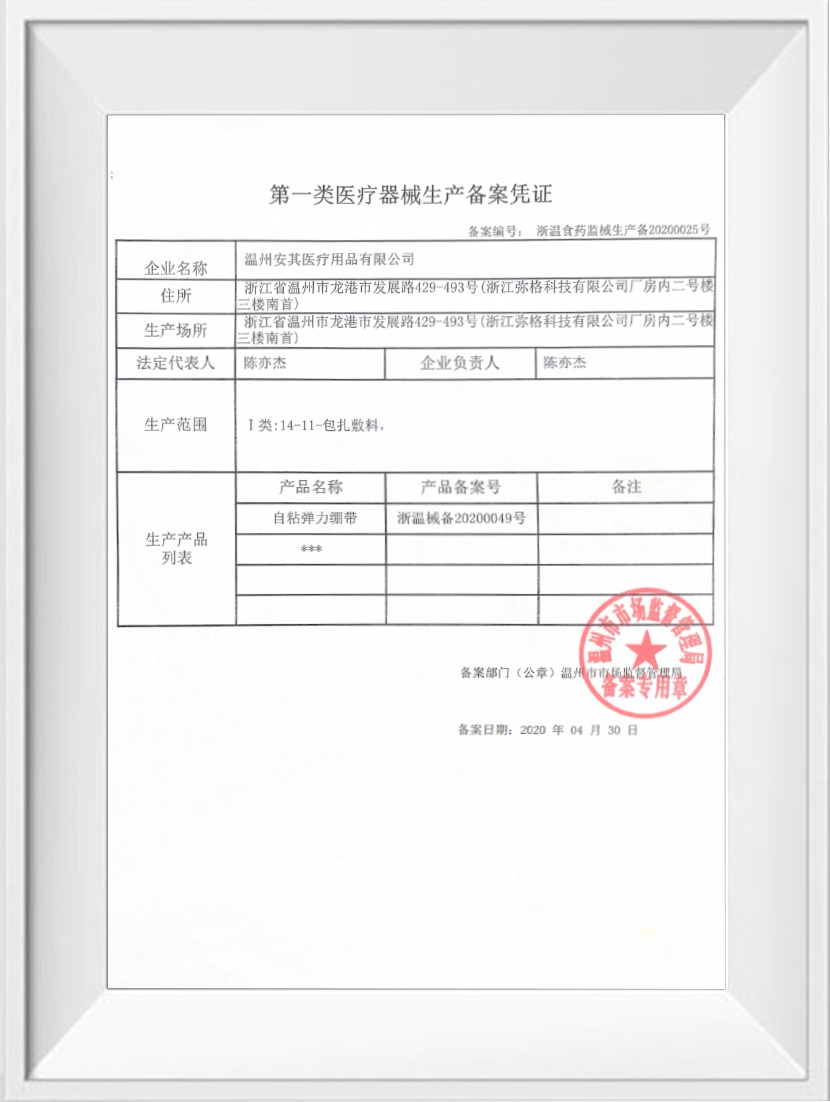
Copyright © Wenzhou Anqi Medical Supplies Co., Ltd. All Rights Reserved.
Approval No: Zhejiang Wenzhou Food and Drug Administration Machinery Production Filing No. 20200025
The information provided on this website is intended for use only in countries and jurisdictions outside of the People's Republic of China.
