
 English
 русский
 中文简体
中文简体 Español
 Deutsch
 عربى
عربى

Why Does Edge Design Matter in Pre Cut Knee Support Tape
Content
- 1 01 What Does Edge Design Mean in Pre-Cut Knee Support Tape?
- 2 02 How Does Edge Shape Affect the Overall Product Design?
- 3 03 Why Are Rounded Edges Used in Some Tape Designs?
- 4 04 How Can Edge Transitions Influence Product Structure?
- 5 05 What Happens to Tape Edges During Use?
- 6 06 How Does Edge Condition Affect the Finished Appearance?
- 7 07 Can Edge Shape Influence Movement During Use?
- 8 08 Why Does Edge Width Matter?
- 9 09 How Does Edge Design Relate to Pre-Cut Tape Shapes?
- 10 10 What Edge Problems Can Appear During Use?
- 11 11 How Can Edge Design Affect Product Recognition?
- 12 12 What Role Does Edge Condition Play in Manufacturing Quality?
- 13 13 How Should Designers Approach Complex Edge Patterns?
- 14 14 Why Is Edge Design Relevant to Different Kinesiology Tape Products?
- 15 15 How Can Edge Design Support a More Consistent Product Shape?
- 16 16 How Can Edge Design Be Reviewed Before a Product Is Released?
A pre-cut knee support tape may have a carefully planned center shape, but its outer edge also plays a genuinely important role in the finished product, much like the trim on a picture frame shapes how the whole piece reads even though it's the smallest part. The edge defines how the piece transitions from its main body to the surrounding space, and small changes in that outline can affect how the tape sits around the knee area once it's applied.
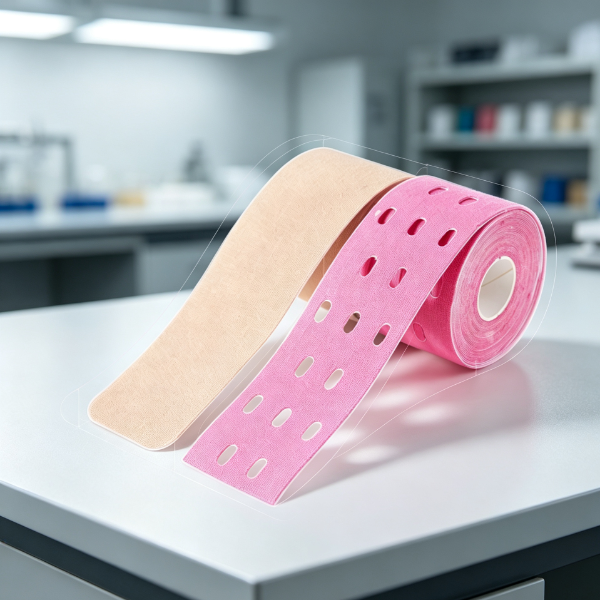
Edge design is easy to overlook because it takes up only a small part of the product overall. Yet the edge is where the tape ends, changes direction, and meets the surrounding surface during actual wear. Its shape can influence how the product looks, how it moves during use, and how well the overall design follows the intended body area underneath it.
For an Athletic Tape Manufacturer, this makes edge design part of product development, rather than a simple finishing detail tacked on at the end. The shape, width, curves, transitions, and condition of the edge all need to work with the rest of the pre-cut structure as one connected piece.
01 What Does Edge Design Mean in Pre-Cut Knee Support Tape?
Edge design refers to the shape and structure of the outer boundary of a pre-cut tape piece. It includes the way the edge curves, changes direction, narrows, widens, or connects with the main section of the product as a whole.
A tape piece doesn't always need a straight outline running end to end. Different designs may use curved edges, tapered sections, rounded ends, or combinations of these forms depending on the concept. The chosen shape depends on the intended product structure and the area the tape is designed to cover on the body.
| Edge Feature | Design Consideration |
|---|---|
| Curved edge | Creates a gradual change in direction |
| Rounded end | Avoids a sharp transition at the tape boundary |
| Tapered section | Changes the width of the tape gradually |
| Straight edge | Creates a clear and simple boundary |
| Narrow transition | Connects different sections of the design |
The edge should get viewed together with the complete tape pattern, not as its own separate feature. A change to one section can alter the balance of the whole piece, so edge development usually involves a lot more than adjusting the outer outline alone.
02 How Does Edge Shape Affect the Overall Product Design?
The outer shape gives a pre-cut tape piece its visual structure from the moment someone looks at it. A broad central section with narrow extensions creates a genuinely different impression from a piece with a consistent width running throughout.
These differences also influence how the product follows the intended area on the knee. A gradual curve can create a smoother transition between wider and narrower sections, while a sudden change can create a more noticeable boundary that draws the eye.
Designers can consider several elements at the same time when working through a pattern. Overall tape outline matters, along with width changes, curve direction, end shape, connection between sections, and the relationship between inner and outer edges.
A balanced outline can make the product a lot easier to understand before use even begins. The user can see how the different sections are intended to relate to one another without relying on some complicated shape that needs explaining.
For Kinesio Pre Cut Knee Support Tape, this proves particularly relevant because the pre-cut form is part of the product itself, not an afterthought. The edge doesn't get added later as decoration on top. It gets built into the intended structure from the very beginning of the design process.
03 Why Are Rounded Edges Used in Some Tape Designs?
Rounded edges create a gradual transition between the tape surface and the surrounding area, rather than a hard stop. Instead of ending with a sharp corner, the boundary follows a curve that eases into the surrounding space.
This can change how the edge behaves once the product gets moved or handled during wear. A rounded outline may also create a genuinely different visual relationship with the rest of the tape pattern surrounding it.
The usefulness of a rounded edge depends entirely on the overall design it's part of. It shouldn't get treated as some universal requirement for every pre-cut product coming off the line.
A tape piece with several directional sections, for example, may benefit from smooth transitions between those areas. Another design may intentionally use straighter boundaries because they fit the intended structure a lot more naturally given its purpose.
| Edge Shape | Possible Design Role |
|---|---|
| Rounded | Creates a gradual boundary |
| Curved | Supports directional transitions |
| Straight | Maintains a simple outline |
| Tapered | Changes width progressively |
| Mixed | Combines different structural sections |
The important point worth remembering is that the edge shape should have a clear relationship with the rest of the product surrounding it.
04 How Can Edge Transitions Influence Product Structure?
An edge transition occurs when one part of the tape changes into another part along its length. This may happen where a wide section becomes narrow or where a straight section moves into a curve unexpectedly.
Sudden transitions can make the pattern feel visually disconnected, almost like a sentence that changes topic mid-thought. A gradual transition can create a lot more continuous outline and make the product shape easier to follow with the eye.
This doesn't mean every transition should be gradual across the board. The right structure depends on what the product is designed to do and how its different sections get arranged relative to each other.
Designers may review the transition between wide and narrow sections, straight and curved sections, main body and extension areas, long and short edge segments, and outer and inner contours. Looking at these connections as part of one pattern can help prevent isolated design decisions from creating an unbalanced outline that doesn't hang together.
05 What Happens to Tape Edges During Use?
The condition of an edge can change quite a bit after the tape has been placed and the product begins moving with the user throughout the day. Bending, stretching, contact with clothing, and repeated movement can all change how the outer boundary actually looks over time.
An edge that appears neat before use may behave differently once the surrounding material starts moving. A narrow section may change position more easily than a broad section, while a curved edge may follow movement quite differently from a straight one nearby.
The design should therefore consider the tape as a flexible product, rather than a flat shape that remains unchanged once applied.
| Use Condition | Possible Edge Response |
|---|---|
| Bending | Edge follows changes in surface position |
| Repeated movement | Boundary may move with the material |
| Fabric contact | Edge may interact with nearby clothing |
| Tape tension | Shape may change as the material moves |
| Surface changes | Different sections may respond differently |
These conditions make edge design genuinely relevant well beyond the initial appearance of the product sitting fresh on a shelf.
06 How Does Edge Condition Affect the Finished Appearance?
The outer boundary is easy to see because it separates the tape from the surrounding surface underneath it. If the edge maintains its intended shape, the overall product can retain a clear outline that reads well at a glance.
An irregular edge can change that appearance considerably. Small changes may become a lot more noticeable on a product with a simple shape, because there are fewer other features around to draw attention away from the boundary itself.
The relationship between the edge and the main tape body also matters quite a bit here. If one section appears much wider or narrower than intended, the whole pattern can end up looking genuinely different from what was planned.
Manufacturers can therefore inspect the finished shape as a complete unit, rather than piece by piece. Looking only at the center section may miss changes that occur around the outer boundary entirely.
07 Can Edge Shape Influence Movement During Use?
The edge doesn't move independently from the rest of the tape once it's applied to skin. Its behavior stays connected with the material around it and with the way the product gets positioned on the body.
A curved edge can move through a gradual change in direction as the knee bends. A narrow extension may respond a lot more noticeably once the surrounding area changes position during activity.
This can affect the way the product looks throughout movement, particularly during exercise or sport. A pre-cut tape piece with several narrow sections, for example, may show more visible changes along those sections than a piece with one broad surface running continuously.
The edge design needs to account for these differences, rather than treating every part of the outline as having the same role to play. The product's intended movement pattern can therefore get considered during design without making the edge unnecessarily complicated for its own sake.
08 Why Does Edge Width Matter?
Edge width influences the relationship between the boundary and the main body of the tape running through the center. A very narrow section creates a genuinely different structure from a broad section, even when both are part of the same product.
Changes in width can help create a specific pattern, but they also change how the material gets distributed across the product as a whole. A designer may use wider sections where more surface area is needed and narrower sections where the pattern requires a transition somewhere along the line.
The change should feel connected to the overall shape rather than arbitrary. Useful design considerations include width consistency, gradual narrowing, connection between sections, end shape, and distance between nearby edges running parallel.
The edge shouldn't get designed separately from the central area it surrounds. Both parts need to form a coherent product structure that reads as one piece.
09 How Does Edge Design Relate to Pre-Cut Tape Shapes?
Pre-cut products depend heavily on their finished outline from the start. Unlike a continuous roll that can get cut into a shape later by the end user, the pre-cut form is already established once the product reaches the next stage of handling.
This gives the edge a genuinely more visible role in product design than it might otherwise have. A pre-cut piece may include several connected sections, and each section may have its own edge shape worth considering on its own.
The relationship between those sections determines how the entire product looks once viewed as one piece. For China Kinesiology Tape, different pre-cut designs may use different edge structures according to their intended product forms across a catalog.
The key consideration is that the selected outline should remain consistent with the rest of the design surrounding it. This makes edge planning a genuine product-development decision, rather than simply a matter of cutting convenience on the factory floor.
10 What Edge Problems Can Appear During Use?
An edge can show several types of changes once a tape product gets used repeatedly over time. These changes don't necessarily come from the edge design alone, since material condition, placement, movement, and surrounding contact can also influence the result considerably.
Still, the shape of the edge can affect how easily these changes become visible to the wearer. Common areas worth observing include several spots on the piece.
| Edge Area | What to Observe |
|---|---|
| Rounded end | Whether the curve retains its intended appearance |
| Narrow section | Whether the section changes shape during movement |
| Long edge | Whether the boundary remains visually consistent |
| Corner transition | Whether the change in direction remains smooth |
| Connection area | Whether adjacent sections maintain their relationship |
Observation proves useful because different patterns may show genuinely different types of movement over the course of a day. A product with several narrow sections shouldn't necessarily get judged in the same way as a broad, simple shape sitting flat.
11 How Can Edge Design Affect Product Recognition?
A distinctive pre-cut shape can make a product a lot easier to identify within a group of similar items sitting on a shelf together. The outline provides a visual reference well before the tape even gets used by anyone.
This can prove useful when a product contains several sections that are intended to work together as one unit. A clear shape can help users understand the orientation of the piece without requiring additional visual elements printed on the packaging.
The edge also contributes to the overall identity of the product design in a real way. Changes in curve, width, and end shape can make two otherwise similar tape products look noticeably different sitting side by side.
For manufacturers, this means edge design can get considered from both structural and visual perspectives at once. The goal is creating an outline that fits the product concept without adding unnecessary complexity nobody asked for.
12 What Role Does Edge Condition Play in Manufacturing Quality?
Even when the intended pattern has been carefully designed on paper, the finished edge needs to retain that shape throughout production. The condition of the boundary can influence whether the final piece looks consistent with the planned design once it's off the line.
Inspection can focus on whether curves remain clear and defined, narrow areas retain their intended width, and transitions maintain their planned form without drifting. An Athletic Tape Manufacturer can also compare repeated pieces to see whether similar products maintain a consistent outline across a whole batch.
This helps separate design issues from changes that may occur during handling or production somewhere along the line. A practical inspection may include checking the overall outline first, then looking closely at curved sections, reviewing narrow transitions, examining the ends of the tape, and comparing repeated pieces for visible shape differences.
These checks focus on the finished product itself, rather than the cutting equipment that produced it.
13 How Should Designers Approach Complex Edge Patterns?
A complex edge pattern doesn't necessarily make a product more useful just because it looks intricate. Additional curves or narrow sections should have a genuine reason within the overall design, rather than existing for their own sake.
When an outline contains several changes, designers can examine whether each part connects naturally with the surrounding sections around it. A complicated boundary can become genuinely difficult to interpret if its different areas don't work together as a whole.
A useful design process can look at the pattern as a complete shape rather than piece by piece. The designer can review the main body, outer edge, inner edge, narrow areas, curves, and end sections all at the same time together.
This helps maintain a relationship between individual details and the overall product form as one connected idea. For Kinesio Pre Cut Knee Support Tape, this approach can help keep the pre-cut structure clear while allowing the edge to follow the intended product concept without losing coherence.
14 Why Is Edge Design Relevant to Different Kinesiology Tape Products?
Not every pre-cut tape product needs the same outline stamped across the whole range. Different products may use different shapes, widths, transitions, and edge structures according to their intended design and purpose.
This is exactly why a manufacturer should avoid treating one edge pattern as suitable for every product coming off the line. China Kinesiology Tape can include different pre-cut forms, and each form may require its own approach to edge development worth thinking through separately.
A pattern designed for one product shouldn't automatically get transferred to another without reviewing the overall shape it's meant to serve. The same applies to the work of an Athletic Tape Manufacturer across a whole product range.
Product development involves more than choosing a general tape shape and calling it done. The edge needs to fit the central structure, the intended use pattern, and the way the finished piece is expected to behave once it's out in the world.
15 How Can Edge Design Support a More Consistent Product Shape?
A consistent edge gives the finished tape a recognizable outline that holds up across a batch. When the boundary follows the intended pattern, the product can maintain a closer relationship between its design concept and its physical form.
This becomes particularly useful once a pre-cut product contains several sections working together. The edges help define where one section begins to narrow, where another changes direction, and how the entire piece gets arranged as a whole.
The final design can therefore get viewed through several connected elements working side by side.
| Design Element | Relationship to Edge |
|---|---|
| Main body | Provides the central structure |
| Outer boundary | Defines the overall shape |
| Curved sections | Create directional transitions |
| Narrow areas | Connect or extend different sections |
| End sections | Complete the product outline |
This way of looking at the product keeps edge design connected with the whole tape, rather than treating it as a separate finishing feature bolted on at the end.
16 How Can Edge Design Be Reviewed Before a Product Is Released?
A product review can examine the edge from several perspectives before anything ships out the door. The shape should get checked visually, but its relationship with the rest of the tape also needs genuine attention alongside that.
A practical review can consider whether the edge follows the intended outline throughout its length. Whether transitions between different widths feel natural matters too, along with whether curved sections connect smoothly with nearby areas surrounding them.
Whether narrow sections stay consistent with the main pattern deserves a look, and whether the edge retains its intended character during normal movement rounds out the review. These questions help manufacturers review the finished product as a complete design rather than a collection of separate parts.
For Kinesio Pre Cut Knee Support Tape, edge design can therefore get considered alongside the main body shape and the relationship between different pre-cut sections working together. The same principle applies to other pre-cut products, where the boundary helps define how the finished tape gets structured and presented to whoever ends up wearing it.
Keep In Touch

No.455 New Town Development Road,Longgang City, Wenzhou City

 +86-0577-83728222
 +86-0577-837282222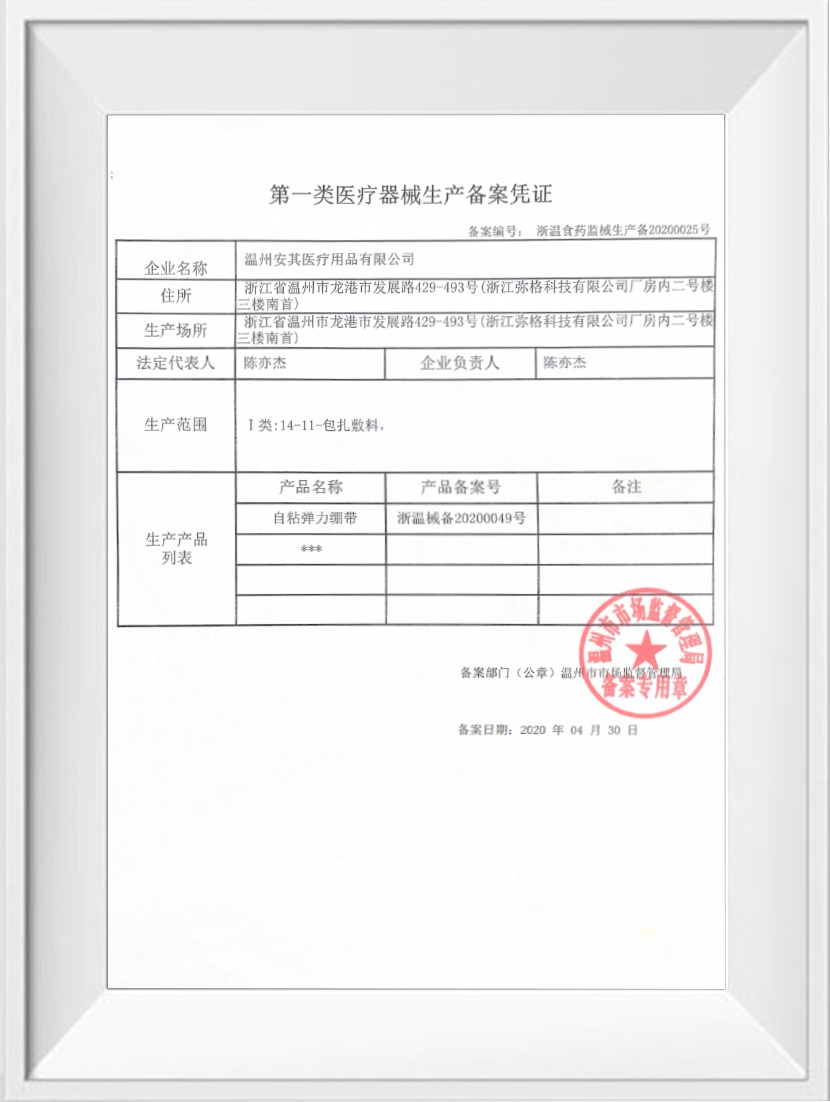
Copyright © Wenzhou Anqi Medical Supplies Co., Ltd. All Rights Reserved.
Approval No: Zhejiang Wenzhou Food and Drug Administration Machinery Production Filing No. 20200025
The information provided on this website is intended for use only in countries and jurisdictions outside of the People's Republic of China.
