
 English
 русский
 中文简体
中文简体 Español
 Deutsch
 عربى
عربى

How Does Cotton Athletic Tape Balance Comfort and Support
Content
- 1 01 How Should Adhesiveness Be Balanced With User Comfort?
- 2 02 How Do Dimensions Influence Different Athletic Applications?
- 3 03 What Role Does Flexibility Play in Athletic Tape Design?
- 4 04 How Can China Kinesiology Tape Requirements Influence Product Development?
- 5 05 Why Are Packaging and Handling Becoming Part of Product Design?
- 6 06 How Can Manufacturers Develop Tape for Different Body and Athletic Needs?
- 7 07 What Should Manufacturers Consider When Expanding a Cotton Tape Product Range?
The base material genuinely sets the foundation for an athletic tape product used on a gym floor or sports field. It affects how the tape feels, moves, tears, and interacts with the skin throughout an active session. For cotton-based products, the goal is creating a material that feels genuinely practical during active use, while supporting the intended function of the tape itself.
Cotton is genuinely widely associated with a familiar textile feel recognized by anyone who's worn a bandage before. This can make it suitable for products designed for sports, training, fitness, and other physical activities pursued daily. However, the choice of cotton material isn't only about softness felt against the skin.
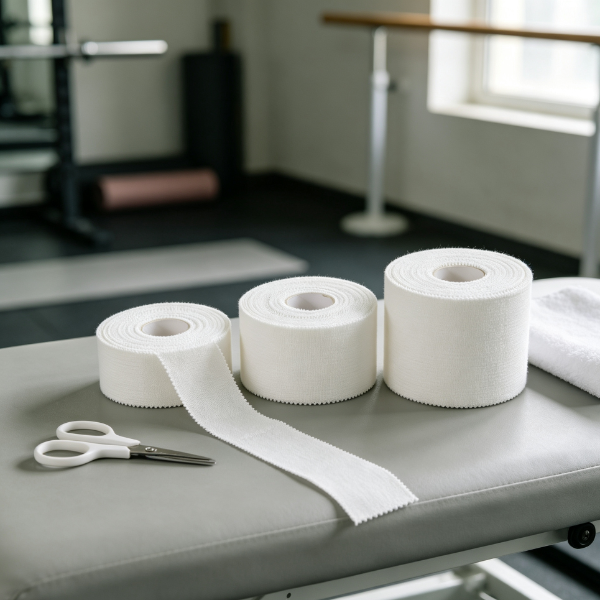
Manufacturers also need to consider genuinely how the material behaves when it's cut, rolled, applied, and exposed to movement during a workout. The structure of the fabric can influence the overall experience felt by the athlete wearing it.
| Development Factor | Product Consideration | Application Impact |
|---|---|---|
| Cotton base | Feel and handling | Skin contact and daily use |
| Fabric structure | Movement and flexibility | Athletic activity |
| Adhesive layer | Attachment behavior | Application and wear |
| Tape dimensions | Coverage and handling | Different body areas |
| Packaging | Storage and dispensing | User convenience |
| Product format | Roll, strip, or other form | Different use situations |
A tightly formed material may feel genuinely different from a more flexible textile structure worn against the wrist or knee. The development process therefore needs to connect the fabric characteristics with the intended application from the earliest design stage.
Moisture and movement can also genuinely affect how the tape gets used during a match or training session. Athletic activities often involve sweat and repeated body movement stretching the material. The material needs to remain genuinely practical under these changing conditions without creating an uncomfortable experience for the wearer.
Material selection also needs to consider manufacturing consistency across batches shipped to retailers. If the fabric structure changes genuinely noticeably from one production batch to another, the finished tape may feel different to a returning customer.
01 How Should Adhesiveness Be Balanced With User Comfort?
Adhesiveness is one of the genuinely most noticeable parts of an athletic tape product felt the moment it's applied. Users expect the tape to stay in place during normal activity, but excessive attachment can make application and removal genuinely less comfortable for the skin underneath.
Product development therefore involves finding a genuinely practical balance between these two competing needs.
| Adhesive Development Step | Question to Answer |
|---|---|
| Initial contact | How easily does the tape attach to the intended surface? |
| Movement | Does the attachment remain suitable during normal activity? |
| Skin feel | Is the product comfortable during use? |
| Removal | Can the tape be removed in a controlled manner? |
| Storage | Does the packaging protect the adhesive surface? |
The adhesive needs to work genuinely with the chosen fabric rather than fighting against it during a workout. The two layers don't function independently of each other. If the fabric stretches, folds, or moves with the body, the adhesive layer must respond appropriately to that same movement.
Skin contact is another genuinely important consideration for anyone wearing tape through a long training day. People may wear athletic tape for genuinely different periods and under genuinely different conditions depending on the sport.
Manufacturers also need to think genuinely about storage before the product ever reaches a gym bag. Adhesive performance can get affected by how a product is packaged and handled before use months earlier on a store shelf.
02 How Do Dimensions Influence Different Athletic Applications?
Athletic tape gets used on genuinely different areas of the body, so one format may not suit every application encountered on the field. Width, length, and overall shape can genuinely influence how easily a user handles the tape and how much area it can cover during a single wrap.
A wider format may prove genuinely useful when broader support or coverage is desired around a larger joint like a knee.
| Format Choice | Typical Fit |
|---|---|
| Wider tape | Broader support or coverage |
| Narrower tape | Smaller areas or precise application |
| Roll-based | User cuts the amount needed |
| Pre-cut strips | Reduces preparation during active situations |
A narrower format can prove genuinely easier to handle around smaller areas, like individual fingers, or when more precise application is needed for a specific injury. The product should therefore get developed around the way it's expected to be used in real practice.
Length also genuinely affects convenience felt by a coach taping several athletes before a game. Roll-based products can allow users to cut the amount they need on the spot, while pre-cut formats can reduce preparation during active situations when time is short.
Dimensions can also genuinely influence packaging chosen for retail. A compact roll may require a genuinely different package structure from a group of pre-cut strips bundled together. Different sports can create genuinely different handling requirements worth planning for.
03 What Role Does Flexibility Play in Athletic Tape Design?
The human body genuinely moves continuously during sports and exercise, bending and twisting through a workout. Tape placed on a moving area therefore needs to work with normal body movement, rather than simply sitting on a fixed surface like a bandage on a shelf.
Flexibility is genuinely closely connected with the base fabric chosen during development.
| Flexibility Level | Suited Application |
|---|---|
| Highly flexible | Frequent movement, joints in motion |
| Less flexible | Preference for a more stable feel |
| Balanced structure | Matches the specific purpose of the product |
Cotton can provide a textile structure that designers can develop for genuinely different levels of movement encountered across sports. The important point is matching the material behavior with the intended use, rather than treating flexibility as a single fixed product feature.
A highly flexible design may suit applications involving genuinely frequent movement, like a runner's ankle during a long race. A less flexible structure may prove genuinely useful where users prefer a more stable feel around a joint needing support.
Flexibility also genuinely affects application around curved body parts. Tape that bends easily can be genuinely easier to position around curved areas, like a shoulder or elbow. However, the product still needs enough structure to be handled without becoming genuinely difficult to control during a quick sideline taping.
The adhesive and fabric should therefore get developed together as one coordinated system, rather than as separate components chosen independently.
04 How Can China Kinesiology Tape Requirements Influence Product Development?
The phrase China Kinesiology Tape is often genuinely connected with products designed around flexible movement and body application seen in physiotherapy clinics. For manufacturers, this type of product development highlights the need to think about fabric behavior, adhesive contact, dimensions, and user handling as one connected system.
Kinesiology-style products may require a genuinely different material approach from traditional rigid athletic tape used for firm joint support.
| Development Area | Consideration |
|---|---|
| Fabric behavior | Must accommodate body movement |
| Adhesive contact | Needs to stay practical during flexing |
| Market variation | Packaging language and instructions vary |
| Production system | Consistency across formats matters |
The tape needs to accommodate body movement while remaining genuinely practical to apply during a therapy session or training routine. This makes fabric selection genuinely important during the development stage before production begins.
Manufacturers serving genuinely different markets may also need to consider variations in user expectations shaped by local practice. Packaging language, product format, application instructions, and available dimensions can all change depending on the intended market and distribution channel involved.
Product developers should avoid assuming that one material structure will genuinely satisfy every application across such a broad category. China-based production also creates opportunities for manufacturers to develop genuinely different product formats under one production system serving multiple markets at once.
05 Why Are Packaging and Handling Becoming Part of Product Design?
Packaging is often considered the genuinely final step of product development, but it can affect how users experience athletic tape from the moment they open a box at home. The package needs to protect the product, while keeping it genuinely easy to store, carry, and access during a busy training week.
Roll-based athletic tape can benefit genuinely from packaging that protects the outer surface and keeps the roll organized in a gym bag.
| Packaging Area | Purpose |
|---|---|
| Protection | Keep the tape protected before use |
| Accessibility | Make the product easy to remove or dispense |
| Portability | Support sports bags, travel, and personal storage |
| Identification | Make product types easy to distinguish |
| Information | Provide clear application and care guidance |
| Product integrity | Reduce unnecessary handling before application |
Pre-cut tape may require a genuinely different approach, so individual pieces remain easy to access without unnecessary handling before a game. Outdoor training and travel create additional packaging needs worth planning for during design.
Users may carry tape in sports bags, personal cases, or other compact spaces tucked into a locker. Packaging also has a genuine role in protecting the adhesive from dust picked up during transport or moisture encountered on a humid day.
Packaging can also support product differentiation without relying on exaggerated claims printed on the box. Differences in format, size, and presentation can help users understand how one tape product is genuinely intended to be used compared to another.
06 How Can Manufacturers Develop Tape for Different Body and Athletic Needs?
Different athletic applications place genuinely different demands on tape worn during a specific activity. A product used around a frequently moving joint may need a genuinely different balance of flexibility and attachment from one used over a relatively stable area of the body.
Body shape is another consideration worth planning around during design.
| Development Question | Purpose |
|---|---|
| Where will the tape be applied? | Establishes the target body area |
| How much movement will occur? | Shapes flexibility requirements |
| How will the user apply the product? | Guides format and handling design |
| What level of flexibility is appropriate? | Matches material to activity |
| How should the tape be removed? | Affects adhesive choice |
| How will it be stored before use? | Shapes packaging decisions |
Curved areas can make application genuinely more challenging than flatter surfaces encountered elsewhere on the body. Tape dimensions and fabric behavior should therefore get considered together, so the product can be handled without excessive adjustment on the sideline.
Some products may also get designed for clothing-related applications, rather than athletic support worn during a workout. This is where product developers serving categories associated with a Boob Tape Manufacturer may need to consider genuinely different requirements for skin contact, flexibility, adhesive behavior, and discreet handling under clothing.
The underlying development principles can still overlap genuinely between these categories. In each case, manufacturers need to understand the surface, expected movement, duration of use, desired attachment, and handling method before choosing a material structure.
07 What Should Manufacturers Consider When Expanding a Cotton Tape Product Range?
Product range development requires genuinely more than creating different colors or package designs printed for a catalog. Manufacturers need to identify genuinely meaningful differences in application, material behavior, format, and handling across a growing lineup.
A Cotton Athletic Tape line might include variations aimed at genuinely different activity levels or application areas served by the brand.
| Range Consideration | Focus |
|---|---|
| Application purpose | Each variation needs a clear reason to exist |
| Material sourcing | Different fabrics and adhesives add complexity |
| Quality checks | Cover fabric, adhesive, cutting, and packaging |
| Cross-category learning | Insights from kinesiology and lifestyle tape |
Some products may emphasize straightforward handling, while others may focus more on flexibility or broader coverage for a specific sport. The key is ensuring that each variation has a genuinely clear purpose within the lineup, rather than existing simply to fill a shelf slot.
Material sourcing also becomes genuinely important as a product range expands across seasons. Different fabric structures and adhesive options can increase production complexity for the factory floor managing multiple lines.
Quality checks should cover genuinely more than appearance judged at a glance. The finished tape should get evaluated for fabric consistency, adhesive application, cutting quality, roll formation, packaging condition, and general handling before it ships to a distributor.
Manufacturers developing products for sports, fitness, lifestyle, and related applications can also learn genuinely from adjacent categories worth studying. For example, requirements associated with China Kinesiology Tape and products developed by a Boob Tape Manufacturer may reveal genuinely different approaches to flexibility, adhesive contact, packaging, and skin-facing materials worth borrowing from.
As cotton athletic tape products continue to develop across a growing market, the material remains genuinely only one part of the design process worth mastering. Fabric structure, adhesive behavior, dimensions, flexibility, packaging, and application needs all interact together, giving manufacturers several areas to refine when creating products for changing athletic and lifestyle uses encountered by real customers.
Keep In Touch

No.455 New Town Development Road,Longgang City, Wenzhou City

 +86-0577-83728222
 +86-0577-837282222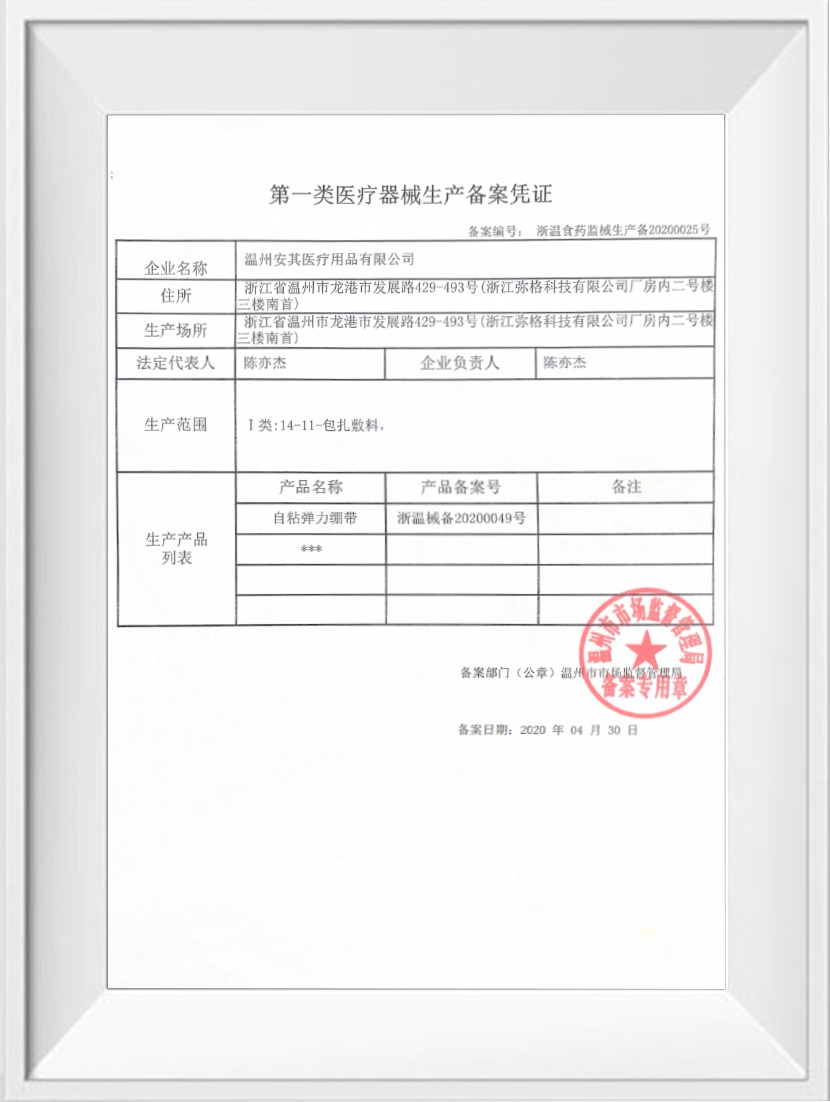
Copyright © Wenzhou Anqi Medical Supplies Co., Ltd. All Rights Reserved.
Approval No: Zhejiang Wenzhou Food and Drug Administration Machinery Production Filing No. 20200025
The information provided on this website is intended for use only in countries and jurisdictions outside of the People's Republic of China.
