
 English
 русский
 中文简体
中文简体 Español
 Deutsch
 عربى
عربى

How Can Boob Tape Manufacturer Products Fit Clothing Styles
Content
- 1 01 Why Does Clothing Style Influence Tape Product Design?
- 2 02 How Can Tape Adapt to Backless Clothing?
- 3 03 What Changes When the Clothing Is Strapless?
- 4 04 Can Tape Products Work With Formal Wear?
- 5 05 How Can Stage Costumes Create Different Tape Requirements?
- 6 06 What Role Does Fabric Type Play in Clothing Compatibility?
- 7 07 How Can Styling Needs Change the Way Tape Is Applied?
- 8 08 What Should Buyers Consider When Comparing Clothing-Oriented Tape Products?
- 9 09 How Can Manufacturers Design Around Changing Fashion Needs?
Clothing design often determines what kind of support a wearer genuinely needs before she even steps into a fitting room. A backless dress leaves little room for a traditional bra to hide underneath. A strapless top changes the way the upper body gets covered entirely. Formal wear may require a smooth appearance under close-fitting fabric, while stage costumes can involve unusual cuts, movement, and layered fabrics all at once.
These differences are creating genuinely new considerations for adhesive body tape products sold across different markets. A Boob Tape Manufacturer needs to think well beyond the tape itself and consider how it fits with different necklines, openings, fabrics, and styling choices a customer might actually wear.
The same product cannot simply get treated as a universal solution for every outfit hanging in a closet. Placement, coverage, clothing structure, skin contact, movement, and removal all influence how a tape product fits into a particular styling situation on a given night out.
This makes clothing compatibility a genuinely important part of product development worth prioritizing early. When manufacturers understand how people actually combine tape with different garments, they can develop product options around real dressing needs, rather than focusing only on the adhesive material itself.

01 Why Does Clothing Style Influence Tape Product Design?
Clothing does a lot more than simply cover the body from view. Its shape determines where support can genuinely get placed and which areas need to remain visible for the outfit to work as intended.
A high-neck top may leave plenty of fabric around the chest and shoulders to work with. A backless garment removes much of that coverage in one stroke. A strapless dress creates another challenge entirely, because there may be no shoulder straps available to anchor anything to.
The tape therefore needs to fit the garment, rather than simply fit the wearer on its own.
Different clothing styles can create genuinely different placement requirements worth mapping separately.
| Clothing Style | Main Styling Consideration |
|---|---|
| Backless dress | Limited support area at the back |
| Strapless top | No shoulder straps |
| Deep neckline | Placement near the garment opening |
| Formal dress | Smooth appearance under fabric |
| Stage costume | Movement and unusual garment shapes |
| Open-side clothing | Limited fabric around the body |
This doesn't mean every clothing style requires a completely different product built from scratch. It means manufacturers need to understand how the same basic concept interacts with genuinely different garment structures worn on different bodies.
Product design can then take into account width, flexibility, adhesive feel, backing material, and how easily the tape can be positioned without becoming visible under the fabric once everything's on.
02 How Can Tape Adapt to Backless Clothing?
Backless clothing creates a genuinely clear difference between traditional bra use and adhesive support worn instead. With little or no fabric across the back, the wearer may want to avoid visible straps or closures showing through.
This changes the placement strategy considerably from what someone might expect at first.
The tape needs to work within the areas that remain available, while staying compatible with the open back of the garment itself. Placement may shift toward the front or sides, depending on the clothing shape and the desired styling effect the wearer's going for.
A backless dress can also have quite different levels of openness depending on the cut. Some designs leave a narrow section of fabric across the back, while others expose a lot more of the upper body entirely.
Manufacturers can therefore consider flexibility carefully when developing products for these styles. A tape that can follow different body contours may be a lot easier to adapt to garments with unusual openings cut in unexpected places.
The backing material can matter here too. A product intended for delicate clothing combinations needs consideration in relation to the fabric and the possibility of visible edges peeking through.
Users also need to follow the product's application and removal instructions carefully. Skin condition and individual sensitivity can vary a good deal from person to person, so suitability should get considered before extended wear on a big night.
For a Boob Tape Manufacturer, backless clothing is therefore not simply a passing trend category to chase. It represents a genuinely specific design problem, in which clothing structure determines where the product can actually get placed at all.
03 What Changes When the Clothing Is Strapless?
Strapless clothing removes the shoulder straps that normally help hold a garment in place throughout the day. This creates a genuinely different relationship between the garment and any tape used alongside it.
The product needs to fit into the available area without becoming visually noticeable beneath the clothing worn over it. At the same time, the wearer may want freedom to move naturally without worrying about shifting.
A strapless dress can also have quite different necklines and fabric structures depending on the designer. A close-fitting garment creates one set of placement considerations, while a looser design creates a genuinely different set entirely.
Tape placement may therefore get influenced by several factors at once.
- Garment neckline
- Fabric coverage
- Side openings
- Desired clothing shape
- Body movement
- Position of garment seams
The product itself is only part of the equation here, not the whole picture. The wearer also needs to consider whether the tape and garment genuinely work together when sitting, walking, bending, or changing posture throughout an evening.
This is why product instructions should explain intended use clearly, without leaving too much to guesswork. A simple application process can help users understand how the product should interact with their particular clothing choice that night.
Manufacturers can use these styling situations during product development and evaluation to good effect. Testing against different garment cuts can reveal issues that may not appear when the tape gets considered on its own, isolated from any actual outfit.
04 Can Tape Products Work With Formal Wear?
Formal clothing often places greater attention on the overall appearance of the garment than everyday outfits do. A visible bra strap, uneven edge, or unwanted line can genuinely change the way a dress looks under photography or stage lighting.
This makes discreet support a genuinely important consideration for some formal outfits worn to significant events.
Formal wear can include evening dresses, fitted dresses, open-neck garments, and other styles where traditional undergarments may not fit easily beneath the clothing at all.
A Boob Tape Manufacturer may therefore consider carefully how its products interact with different fabric surfaces and garment shapes worn by customers.
A smooth outer surface can be genuinely useful when the tape sits beneath close-fitting fabric that shows every seam. Flexible construction may also help the product follow the body without creating a noticeable transition where fabric meets skin.
The placement process matters quite a bit here too. A wearer may need to adjust the tape according to the neckline or opening of the dress she's chosen. The application shouldn't interfere with areas where the garment needs to sit naturally against the body.
Formal styling can also involve genuinely long periods of wear stretching across a whole evening. Users may attend ceremonies, dinners, performances, or other occasions where the garment remains in place for an extended stretch of time without a break.
Comfort and skin suitability should therefore remain part of product consideration throughout development. People react quite differently to adhesives from one person to the next, so manufacturers should provide appropriate usage and removal guidance, rather than assuming every wearer will have the exact same experience.
05 How Can Stage Costumes Create Different Tape Requirements?
Stage costumes can be genuinely different from everyday clothing in almost every respect. They may include unusual cuts, open sections, fitted layers, decorative pieces, or garments designed specifically around movement rather than sitting still.
A performer may also need to change costumes rapidly during a production without much time to spare. This creates practical requirements that are a lot less common in ordinary dressing situations most buyers face.
Tape used with stage clothing needs to fit the costume structure while still allowing the performer to move naturally through choreography or blocking.
Movement can change the relationship between the body, tape, and fabric considerably. A product that works fine while standing still may behave quite differently once the wearer turns, bends, dances, or performs repeated movements across a show.
Costume designers and performers may therefore think about the complete arrangement running from skin through tape through garment and into movement itself, each layer affecting the ones around it.
The tape needs to remain compatible with the garment while avoiding unnecessary interference with costume details built into the design. The garment itself also needs consideration, because decorative elements, seams, and fabric tension can all affect where tape can actually get positioned in the first place.
A China Kinesiology Tape product may appear in broader discussions about body tape online, but it shouldn't automatically get treated as interchangeable with products designed specifically for clothing support. Kinesiology tape is associated with a genuinely different application purpose entirely, so buyers should distinguish product categories according to their intended use rather than lumping them together.
This distinction is useful for manufacturers as well, worth keeping straight internally. Clear product positioning helps prevent confusion when different adhesive tape products get offered to genuinely different markets side by side.
06 What Role Does Fabric Type Play in Clothing Compatibility?
The same tape can behave quite differently depending on the garment placed over it that day. Fabric texture, stretch, thickness, and surface construction can all influence how the clothing sits around the taped area once everything's in place.
A lightweight garment may reveal an edge a lot more easily than a heavier fabric would. Stretch fabric may move right along with the body, while a structured fabric may maintain a genuinely more fixed shape throughout the day.
These differences can affect product development in ways worth tracking carefully.
| Fabric Characteristic | Possible Design Consideration |
|---|---|
| Lightweight fabric | Edge visibility |
| Stretch fabric | Movement with the garment |
| Structured fabric | Placement stability |
| Smooth fabric | Surface interaction |
| Layered fabric | Space between materials |
The goal isn't making a product suitable for every fabric without any adjustment whatsoever. Instead, manufacturers can understand which clothing materials create genuinely different styling requirements worth designing around specifically.
This information can also help retailers and buyers describe products a lot more clearly to shoppers browsing options. Customers can then make decisions based on the type of clothing they actually intend to wear, rather than relying on broad claims printed on packaging.
For a Boob Tape Manufacturer, fabric compatibility can become part of product testing and product communication throughout development. It connects the tape with the actual garment environment in which it will genuinely get used once purchased.
07 How Can Styling Needs Change the Way Tape Is Applied?
Two people may wear genuinely similar clothing but want quite different styling results from the same product. One person may want a particular neckline shape maintained, while another may care more about keeping the garment positioned during a lot of movement.
This means application isn't always identical from one wearer to the next.
A backless dress may require a genuinely different placement approach from a strapless top worn to the same event. Formal clothing may call for more attention to visible edges under bright lighting, while a stage costume may require consideration of movement and repeated body positions throughout a performance.
The application area can also change quite a bit depending on the garment chosen for the occasion.
Users may need to think through several questions before applying anything.
- Where the garment opens.
- Which areas remain covered by fabric.
- How the clothing moves during normal activity.
- Where tape edges could become visible.
- How the product should be removed afterward.
These considerations make the product part of a genuinely larger styling process, rather than a standalone purchase decided in isolation.
Manufacturers can support this process by providing clear instructions and showing how different garment structures relate to product placement in practice. Visual guidance can be genuinely useful when the application isn't immediately obvious just from looking at the package on a shelf.
The aim throughout is making the relationship between product and clothing a lot easier to understand for the person actually applying it at home.
08 What Should Buyers Consider When Comparing Clothing-Oriented Tape Products?
Buyers sourcing adhesive body tape for retail or professional use may need to consider a lot more than the product's adhesive function alone. The intended clothing categories can genuinely influence what product characteristics actually matter for their particular customer base.
A retailer serving formalwear customers may be interested mainly in products that fit evening and strapless clothing well. A costume supplier may have genuinely different requirements, because stage garments can involve a lot more movement and unusual shapes than everyday wear.
This creates several purchasing questions worth working through before placing an order.
| Buyer Concern | Why It Matters |
|---|---|
| Clothing compatibility | Connects the product with intended garments |
| Application guidance | Helps users understand placement |
| Removal instructions | Supports responsible product use |
| Material feel | Influences wearing experience |
| Packaging format | Affects retail presentation |
| Product positioning | Helps distinguish intended applications |
A Boob Tape Manufacturer can also use these differences when developing product lines for different segments. Rather than creating multiple products without a genuinely clear purpose behind each one, manufacturers can identify the clothing situations that create distinct requirements worth addressing separately.
The same principle applies when buyers compare China Kinesiology Tape with clothing-oriented adhesive products sold alongside it. The products may both use adhesive materials at their core, but their intended applications can differ substantially in practice.
Cotton Athletic Tape is another related category that should get distinguished according to its intended purpose rather than grouped in automatically. It may be associated with sports and body-support applications, rather than garment styling, so buyers should examine the product description and intended use carefully before treating different tape categories as interchangeable substitutes.
09 How Can Manufacturers Design Around Changing Fashion Needs?
Clothing styles continue changing season after season, without much sign of slowing down. Necklines shift, back openings become more varied, and garments may combine several styling elements within one single design more often than before.
Manufacturers cannot rely on one fixed clothing format when developing products for the apparel market as a whole.
Instead, product development can look at recurring design relationships that show up again and again across collections. Backless clothing creates open areas at the rear consistently. Strapless styles remove shoulder support entirely. Formal garments often place greater emphasis on appearance under scrutiny. Stage costumes can introduce movement and unusual shapes that everyday wear rarely demands.
These situations provide genuinely useful reference points for product development going forward.
Manufacturers can examine how tape width, flexibility, backing, adhesive feel, packaging, and instructions interact with different clothing styles across a range of use cases. They can also gather feedback from retailers, stylists, costume teams, and other users who work with genuinely varied garments day to day.
This approach keeps product development connected with actual dressing situations customers face, rather than abstract assumptions made at a design table.
For consumers, the result can be a genuinely clearer choice between products intended for different needs. For manufacturers, it creates a more practical way to organize product development around clothing compatibility, rather than treating adhesive tape as a single-purpose item that fits every situation equally well.
As clothing continues becoming more varied in shape and styling across seasons, the relationship between garment design and adhesive body tape will remain a genuinely important consideration worth revisiting. A Boob Tape Manufacturer that studies these combinations closely can develop products around the real spaces, fabrics, movement patterns, and styling requirements that modern clothing actually creates for the people wearing it.
Keep In Touch

No.455 New Town Development Road,Longgang City, Wenzhou City

 +86-0577-83728222
 +86-0577-837282222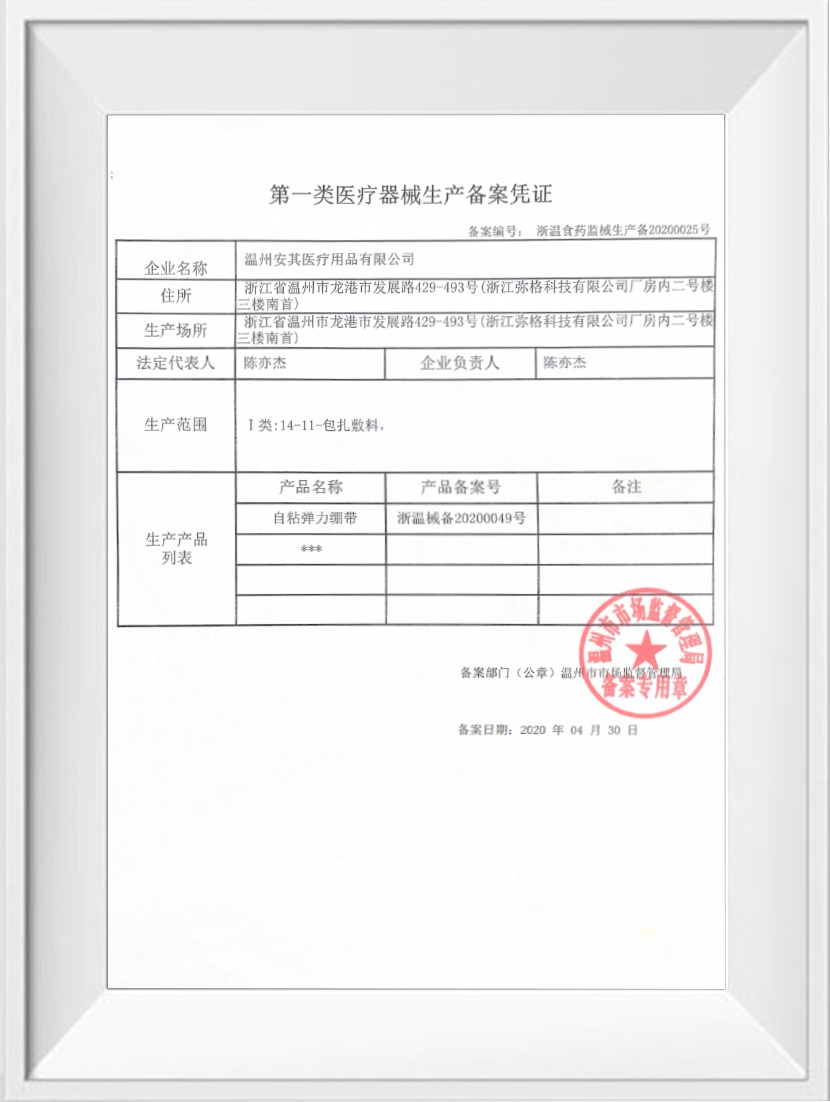
Copyright © Wenzhou Anqi Medical Supplies Co., Ltd. All Rights Reserved.
Approval No: Zhejiang Wenzhou Food and Drug Administration Machinery Production Filing No. 20200025
The information provided on this website is intended for use only in countries and jurisdictions outside of the People's Republic of China.
