
 English
 русский
 中文简体
中文简体 Español
 Deutsch
 عربى
عربى

How Does Sweat Affect Cotton Athletic Tape During Sports
Content
- 1 01 Why Does Sweat Change the Skin Surface During Exercise?
- 2 02 How Can Sweat Affect Cotton Athletic Tape Adhesion?
- 3 03 Does Exercise Time Make Sweat-Related Tape Problems More Noticeable?
- 4 04 Which Sports Activities Create Different Sweat Conditions?
- 5 05 How Does Skin Preparation Influence Tape Performance When Sweating?
- 6 06 What Happens When Sweat Combines With Friction?
- 7 07 How Should Tape Be Used During Long and Sweaty Sports Sessions?
- 8 08 What Can Manufacturers Consider When Developing Tape for Sweaty Conditions?
Sweat can change how athletic tape behaves during exercise, sometimes in ways an athlete doesn't notice until they're halfway through a session. A strip of Cotton Athletic Tape may feel secure when it's applied to clean, dry skin at the start of a warm-up, but that same tape can behave quite differently once a workout becomes longer or more intense.
Moisture can collect between the skin and tape as body temperature rises, while repeated movement can create additional friction along the edges at the same time. The result isn't always an obvious failure, the kind where tape just falls off mid-drill. The tape may begin to loosen at one edge, feel a bit less comfortable, or move slightly as the athlete continues exercising, often without them stopping to check it right away.
Understanding this relationship helps athletes, coaches, and product developers think about tape use in a genuinely more practical way, rather than assuming one application method covers every situation. Sweating is only one part of the situation, to be fair. Skin condition, exercise duration, body location, movement, and the way the tape is applied can all influence how well it remains in place throughout a session.

01 Why Does Sweat Change the Skin Surface During Exercise?
Skin does not remain in the same condition throughout a workout, even though it might feel that way at the start. As body temperature rises, sweat reaches the skin surface and creates moisture around areas that may have been perfectly dry when the tape was first applied.
This changes the environment underneath and around the tape in ways that build up gradually rather than all at once. The amount of moisture can also vary quite a bit depending on the person and the activity itself. A relaxed warm-up may produce relatively little sweat, while a demanding workout can leave the skin noticeably damp within twenty minutes. Different body areas can also respond differently to the same activity, which is why a single tape strip might behave one way on a shoulder and another way on a knee.
| Situation | Possible Change to Skin Surface |
|---|---|
| Light activity | Limited moisture |
| Longer exercise | More moisture may accumulate |
| Intense movement | Increased sweating |
| Warm environment | Skin may become damp sooner |
| Repeated contact | Friction may increase around the tape |
Sweat can also mix with natural oils and other substances already present on the skin, creating a surface that's genuinely different from what was there at the start. This means the surface underneath the tape may become quite different from the surface that existed when the product was originally applied, sometimes within the first half hour of activity.
For athletes, the change may become noticeable only after the activity has been underway for some time, which is exactly when attention tends to drift elsewhere. For manufacturers, this creates a real product-development question, since tape needs consideration under actual movement conditions rather than only immediately after application in a controlled setting.
02 How Can Sweat Affect Cotton Athletic Tape Adhesion?
Adhesion depends partly on contact between the tape and the skin, a relationship that seems simple until sweat enters the picture. When moisture builds up between those surfaces, the conditions can change in ways that affect how well everything holds together.
A damp skin surface may make it harder for the tape to maintain the same contact it had when it was initially applied, even if nothing else about the tape has changed. This doesn't mean that every sweaty workout will cause tape to come loose, though, since plenty of sessions end without any issue at all. The outcome can vary according to the tape material, adhesive design, skin condition, body location, movement, and duration of use, which is a lot of variables working together at once.
Cotton Athletic Tape also has a fabric surface that interacts with moisture differently from a smooth material like plastic film. The fabric may absorb some moisture early on, while continued sweating can keep adding more moisture as the activity goes on. This creates a changing environment rather than a single moment of exposure that stays fixed for the whole workout.
Tape adhesion can therefore be viewed as something that develops over the course of exercise, rather than a quality locked in the moment it's applied.
| Exercise Stage | Possible Adhesion Concern |
|---|---|
| Before activity | Skin condition affects initial contact |
| Early exercise | Sweat begins changing the surface |
| Continued activity | Moisture and movement increase |
| Extended session | Edge lifting may become more noticeable |
| After exercise | Damp tape may feel different during removal |
The tape may remain attached overall while still becoming a lot less comfortable to wear. An athlete may notice a loose edge or a change in the feel of the tape well before any larger shift in position actually occurs. This is why sweat should be considered together with exercise duration and movement, rather than treated as an isolated factor working alone.
03 Does Exercise Time Make Sweat-Related Tape Problems More Noticeable?
Time can influence how the skin and tape interact in ways that only show up gradually. A short activity may end before significant moisture accumulates around the tape at all, leaving the whole question moot for a quick session.
A longer session gives the skin a lot more time to produce sweat and gives the tape more time to experience movement and friction alongside it. This doesn't mean that longer exercise automatically causes poor adhesion across the board. Instead, the combination of moisture and repeated movement can create more opportunities for the tape to change position over time, almost like small chances adding up.
Consider how a typical activity develops over the course of an hour. During the early part of a workout, the tape may feel almost unchanged from the moment it went on. As the session continues, the athlete may begin sweating a lot more than they did in the first ten minutes. The edges may then experience repeated contact with clothing or movement from the skin underneath, cycle after cycle. Over time, these small effects can become a lot more noticeable, sometimes enough to distract from the workout itself.
This relationship is particularly relevant to activities that last for extended periods, rather than quick fifteen-minute circuits.
| Exercise Duration | Tape-Related Consideration |
|---|---|
| Short session | Limited time for moisture to build |
| Moderate session | Sweat and movement become more relevant |
| Long session | Moisture and friction may accumulate |
| Repeated daily activity | Consistent application and skin care become more important |
For product developers, this means testing and product evaluation should reflect realistic periods of use, not just a quick check right after application. A tape that feels suitable during brief wear may have genuinely different handling characteristics during longer activities that push it further.
04 Which Sports Activities Create Different Sweat Conditions?
Not all sports create the same combination of sweat and movement, even when they look similar from the sidelines. A runner may experience continuous movement for an extended period without much break. A weight-training session may involve shorter periods of intense effort followed by rest between sets.
A team sport can combine running, sudden direction changes, contact, and changing activity levels all within the same match. These differences can genuinely influence how tape behaves depending on what sport it's actually being used for.
| Activity | Possible Tape Environment |
|---|---|
| Running | Continuous movement and sustained sweating |
| Cycling | Repeated movement with moisture around active areas |
| Weight training | Short periods of intense effort |
| Team sports | Sweat combined with rapid movement |
| Yoga | Changing body positions and varying moisture |
| Outdoor training | Sweat combined with environmental exposure |
Body location also changes the situation considerably, since not every part of the body sweats or moves the same way. Tape placed near a joint may experience repeated bending throughout the activity. Tape placed on an area covered by clothing may experience additional friction from fabric rubbing against it constantly. An area with more natural sweating may become damp a lot sooner than another part of the body that stays relatively dry.
This makes it difficult to discuss tape adhesion without considering where and how the product is actually being used. The same Cotton Athletic Tape can therefore experience quite different conditions during different sports, even when applied the exact same way.
05 How Does Skin Preparation Influence Tape Performance When Sweating?
The condition of the skin at the time of application can affect how the tape starts its use, before sweat ever becomes a factor. Clean and dry skin provides a genuinely different surface from skin that already contains sweat, lotion, oil, or other residue left over from earlier in the day.
If the tape is applied to a damp surface from the start, the initial contact may not be the same as it would be on dry skin, which sets a weaker foundation before the workout even begins. This can become particularly relevant when an athlete applies tape shortly before training, sometimes rushing the process between other pre-game routines.
A practical application routine may include several simple considerations worth going through each time.
- Make sure the skin is clean.
- Allow the surface to become dry before application.
- Apply the tape without unnecessary wrinkles.
- Avoid repeatedly touching the adhesive surface.
- Check the edges after application.
- Stop using the tape if the skin becomes irritated.
These steps don't guarantee that tape will remain attached throughout every activity, since sweating can still change the skin well after exercise begins regardless of good prep work. The purpose is giving the tape a suitable starting surface before moisture and movement become real factors in the equation.
Skin condition also matters after exercise wraps up, not just before it starts. Removing damp tape carefully and paying attention to the skin can help users notice irritation or discomfort before the area gets covered again for another session.
06 What Happens When Sweat Combines With Friction?
Sweat is only part of the problem facing a piece of tape during a workout. Movement can create friction between the tape, skin, and nearby clothing, all rubbing against each other in ways that compound over time. When the skin becomes damp, the way these surfaces interact can change quite a bit from how they behaved at the start.
The tape edge may rub against clothing during repeated movement, slowly working at whatever hold it had left. At the same time, the skin underneath may stretch and move with the athlete through every stride or swing. These forces can work together during activities such as running, cycling, or team sports, where both moisture and motion show up in large amounts.
The effect can be a lot more noticeable around areas that bend frequently throughout an activity. A knee, elbow, shoulder, or wrist can change position repeatedly during exercise, sometimes dozens of times a minute. This means the tape is dealing with both moisture and movement at the same time, a combination that's harder to manage than either factor alone.
| Factor | Possible Effect |
|---|---|
| Sweat | Changes surface moisture |
| Skin movement | Changes contact conditions |
| Clothing friction | May affect tape edges |
| Repeated bending | Places movement around the taped area |
| Exercise duration | Gives these factors more time to act |
This is why a tape product should not be judged only by how it behaves immediately after application in a quiet, controlled moment. Real use involves movement, changing skin conditions, and gradual moisture accumulation stacking on top of each other. For a China Kinesiology Tape supplier or manufacturer, these conditions can also matter quite a bit when considering products for different sports and markets around the world. The intended activity should help shape how the product actually gets evaluated before it ships.
07 How Should Tape Be Used During Long and Sweaty Sports Sessions?
Athletes can take practical steps to reduce avoidable problems during exercise, even if some sweating is simply unavoidable. The goal isn't preventing natural sweating altogether, which would be a losing battle anyway. Instead, it's beginning with a suitable skin surface and paying attention to how the tape behaves as activity continues throughout the session.
If an edge starts lifting partway through a workout, repeatedly pressing it back down may not always solve the underlying issue causing it. The athlete may need to stop and assess whether the area has become excessively damp or whether the tape has experienced too much movement to hold reliably anymore.
Comfort should also remain part of the decision throughout a session, not just at the start. Tape should not create unnecessary irritation, excessive tightness, or discomfort as the activity goes on.
A simple check during longer sessions can include several quick questions worth running through.
- Is the tape still positioned as intended?
- Has an edge started lifting?
- Is the skin unusually damp?
- Is clothing rubbing against the taped area?
- Does the area feel irritated?
- Does the tape need to be removed after the activity?
These observations can help users respond to changes as they happen, instead of waiting until the tape has already shifted significantly and lost most of its usefulness. The same principle can apply to products used in other body-taping applications as well. A Boob Tape Manufacturer, for example, may need to consider moisture, skin contact, movement, and wear time when developing products intended for active use throughout a long day. The application may look different from athletic tape, but the basic need to understand changing skin conditions remains genuinely relevant across both.
08 What Can Manufacturers Consider When Developing Tape for Sweaty Conditions?
Sweat-related performance is not determined by one material choice alone, no matter how good that single material might be. Manufacturers need to consider how the tape behaves when the skin changes from dry to damp, and how that change interacts with movement over the course of a session.
For Cotton Athletic Tape, the fabric structure, adhesive behavior, edge construction, and intended application can all influence the user experience in ways that only show up during real use. The development process can also consider different exercise environments a product might end up in. A product intended for short training sessions may face genuinely different conditions from one intended for extended outdoor activity under direct sun.
Manufacturers can therefore examine several areas during product development, each worth its own attention.
| Development Area | Question to Consider |
|---|---|
| Fabric | How does the material behave during moisture exposure? |
| Adhesive | How does contact change as the skin becomes damp? |
| Edge design | How does repeated movement affect the edges? |
| Skin contact | Is the product suitable for its intended use? |
| Exercise scenario | What movements and moisture conditions are expected? |
| Wear period | How may the product change during extended use? |
| Removal | How does the product behave when the activity ends? |
Product instructions also matter a great deal to the people actually using the tape day to day. Users need clear information about application, intended use, removal, and skin care, rather than vague marketing claims. Manufacturers should avoid suggesting that a tape product will remain unaffected by sweat under every condition, since actual results can vary quite a bit between users and activities.
A more practical approach recognizes sweat as one of several factors that influence tape behavior, rather than treating it as an afterthought. This perspective allows product development to focus on realistic sports situations, rather than treating adhesion as a fixed characteristic that never changes once the tape leaves the factory.
The relationship between sweat, skin condition, exercise time, movement, and tape contact is therefore an important consideration for athletic tape used in active environments, whether on a track, in a gym, or out on a field.
Keep In Touch

No.455 New Town Development Road,Longgang City, Wenzhou City

 +86-0577-83728222
 +86-0577-837282222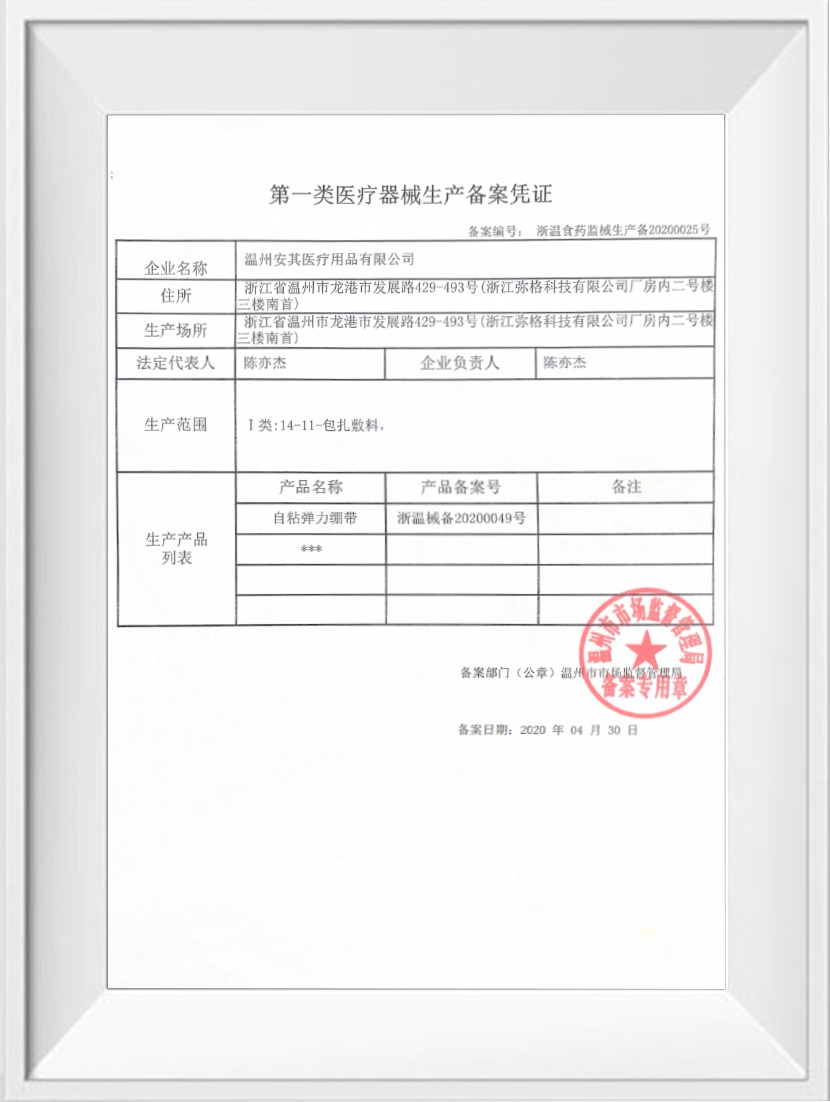
Copyright © Wenzhou Anqi Medical Supplies Co., Ltd. All Rights Reserved.
Approval No: Zhejiang Wenzhou Food and Drug Administration Machinery Production Filing No. 20200025
The information provided on this website is intended for use only in countries and jurisdictions outside of the People's Republic of China.
