
 English
 русский
 中文简体
中文简体 Español
 Deutsch
 عربى
عربى

What Factors Affect Tape Adhesion During Long Sports Sessions
Content
- 1 01 Why Does Sweat Affect Tape Adhesion During Long Sports Sessions?
- 2 02 How Does Skin Condition Influence Adhesion?
- 3 03 How Does Friction During Exercise Change Tape Adhesion?
- 4 04 Does Activity Length Change How Tape Behaves?
- 5 05 How Do Repeated Movements Put Stress on Tape?
- 6 06 Can Body Location Affect Tape Adhesion?
- 7 07 How Does Tape Application Influence Long-Session Adhesion?
- 8 08 What Should Tape Manufacturers Consider for Long Sports Sessions?
Sports tape can feel secure at the start of a workout and behave quite differently once a long session drags on. That shift often traces back to everyday conditions such as sweat, skin moisture, friction, repeated movement, body position, and how the tape got applied in the first place.
These factors become a lot more noticeable once an athlete trains through an extended session, since the tape stays exposed to movement and shifting skin conditions for a much longer stretch of time. A Cotton Athletic Tape may face different adhesion demands during running, lifting, court sports, or training sessions where the skin keeps stretching and compressing over and over.
The same idea applies to other products, including China Kinesiology Tape, where continued movement can influence how the tape stays against the skin hour after hour. For a Boob Tape Manufacturer, understanding these conditions is genuinely useful too, since body movement, moisture, skin preparation, and wear time can all shape how adhesive products perform during active use.
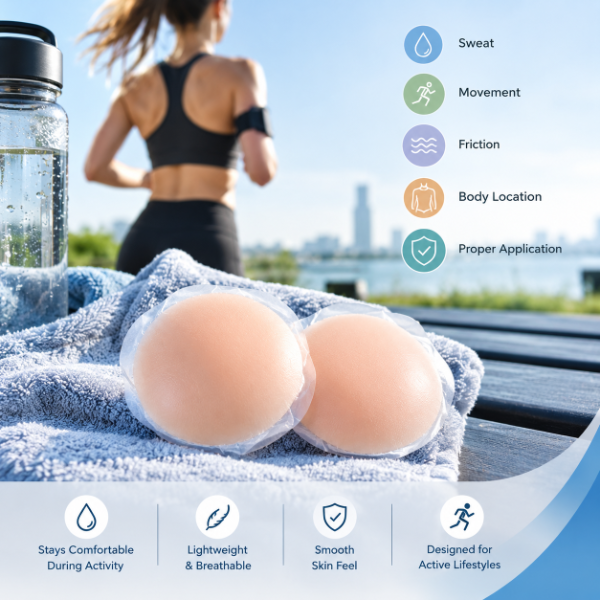
01 Why Does Sweat Affect Tape Adhesion During Long Sports Sessions?
Sweat ranks among the most noticeable factors affecting tape adhesion once exercise gets underway. As physical activity continues, the skin can grow increasingly moist, creating a genuinely different surface from the one present back when the tape first went on.
Moisture can make it harder for an adhesive surface to hold consistent contact with the skin underneath it. That effect tends to show up more in areas where sweating happens easily, like underarms or the small of the back.
| Condition | Possible Effect on Tape Use |
|---|---|
| Dry skin | Provides a stable surface for application |
| Light moisture | May gradually change surface contact |
| Heavy sweating | Can make adhesion less consistent |
| Repeated wiping | May disturb tape edges |
| Moist clothing contact | Can add friction around the taped area |
Sweat can also change how the athlete interacts with the taped area without even thinking about it. An athlete may wipe the skin, adjust clothing mid-run, or brush against the tape without realizing these small actions place extra stress on the adhesive underneath.
The duration of the activity matters here, since a short workout may wrap up before moisture ever becomes a real issue. During a longer session, though, the tape has a lot more time to encounter sweat and repeated movement together. This is why the same tape can seem to behave differently between a brief training session and a long practice that runs into overtime.
02 How Does Skin Condition Influence Adhesion?
The condition of the skin before application can shape how well tape stays put later on. Clean and dry skin generally offers a more predictable surface than skin covered with lotion, oil, heavy perspiration, or other substances left over from earlier in the day.
Skin texture can also vary quite a bit from one person to the next. Some areas may run naturally dry, while others produce more moisture once exercise actually starts. Hair can create another difference, since it changes the direct contact between the tape and the skin underneath.
The condition of the skin can also shift partway through a sports session. Heat, sweat, repeated contact with clothing, and constant movement can all alter how that surface feels by the second half of practice. For athletes, this means tape adhesion shouldn't get considered separately from the condition of the skin sitting beneath it.
A simple preparation routine can help create a more consistent starting surface before taping even begins. Common preparation habits include:
- Clean the intended area.
- Allow the skin to dry.
- Avoid applying tape over unnecessary products.
- Position the tape without creating unwanted folds.
- Press the tape into place according to the product instructions.
The purpose here isn't building some complicated preparation ritual before every session. It's simply reducing avoidable factors that might interfere with contact between the adhesive and the skin. For a Cotton Athletic Tape, this becomes particularly relevant once the product gets used repeatedly across a training block.
03 How Does Friction During Exercise Change Tape Adhesion?
Movement creates friction in several different ways during a workout. The tape may rub against clothing, equipment, another part of the body, or the skin itself as the athlete moves through a drill.
A runner may deal with repeated contact between clothing and taped skin mile after mile. A basketball player may face frequent arm movement and shifting body position on every possession. A weight training session can create repeated bending around the joints set after set. These movements can gradually place stress on the tape edges without anyone noticing right away.
| Activity Pattern | Common Friction Source |
|---|---|
| Running | Clothing and repeated body movement |
| Court sports | Arm and leg movement |
| Strength training | Repeated bending and gripping |
| Cycling | Clothing and fixed riding posture |
| Fitness classes | Frequent changes in body position |
Friction doesn't always cause immediate lifting right at the edge. Small movements can accumulate over a long session and gradually change how the tape sits on the skin by the end of practice. Loose clothing can move against tape in a different way from close-fitting sportswear that hugs the body. Equipment can also create unexpected contact points nobody planned for. For this reason, the location of the tape matters just as much as the adhesive itself. A product used around a frequently moving joint may face genuinely different conditions from tape placed on a relatively stable area of the body. Understanding the movement pattern helps explain why adhesion can vary so much between different sports.
04 Does Activity Length Change How Tape Behaves?
Time plays a genuinely important role in tape use throughout a session. A tape application may feel comfortable during a short activity but experience a lot more movement, moisture, and friction as the session drags on toward the end.
Long sessions give these factors more chances to interact with each other. Sweat may build up gradually over the course of an hour. Clothing may rub against the same area repeatedly during a run. The athlete may shift posture many times during a practice. The tape may also experience repeated stretching as the skin and underlying body area move together.
This doesn't mean tape will necessarily lose adhesion during every long session out there. The actual experience depends on the product, skin condition, activity, application, and surrounding environment all at once. The useful point is that adhesion deserves consideration over the full period of use, rather than only right after the tape goes on.
For athletes, this can change how they think about tape before heading into a long training session. A product that feels secure at the moment of application may still need to accommodate conditions that develop hours later. This is relevant to product development too, since manufacturers need to consider how the adhesive behaves throughout the expected period of use, not just at the starting line.
05 How Do Repeated Movements Put Stress on Tape?
Sports involve repeated movements rather than holding one fixed position the whole time. A wrist bends during gripping a bat or racket. A knee changes position while running down the court. An arm moves through different angles during a throw. The skin itself moves as muscles and joints shift position underneath it.
Tape needs to stay attached while accommodating all these changes at once. A rigid piece of material may respond quite differently from a flexible product built for movement. The tape's shape, stretch, adhesive contact, and placement can all influence how it behaves once the body actually moves.
China Kinesiology Tape is commonly associated with applications where flexibility and movement matter a great deal. Its use can therefore highlight the relationship between tape adhesion and repeated body movement quite clearly.
| Movement | Adhesion Consideration |
|---|---|
| Bending | Tape needs to remain in contact as the skin changes position |
| Stretching | Adhesive contact may experience repeated movement |
| Rotation | Tape can experience shifting across the skin |
| Gripping | Wrist and hand movement can affect nearby tape |
| Repetition | Continued movement can place ongoing stress on edges |
The more often a movement occurs, the more chances there are for small shifts to develop along the edges. This is why repeated activity deserves real attention when assessing tape performance over a full session. A tape that works well during a single movement still needs to stay practical once that same movement happens again and again, set after set.
06 Can Body Location Affect Tape Adhesion?
Not every part of the body offers the same surface for tape to grip. Some areas move very little during exercise, while others bend, stretch, twist, or brush against clothing throughout the whole session.
Body shape also affects how tape can get positioned in the first place. A curved area may need different placement from a relatively flat surface nearby. Areas exposed to more sweat may also create genuinely different conditions for the adhesive.
The surrounding clothing adds another variable worth considering. Tape placed near a waistband, for instance, may experience different friction from tape applied to an exposed area of skin. The athlete's specific sport can further change the situation entirely.
| Body Area | Possible Use Consideration |
|---|---|
| Wrist | Frequent bending and gripping |
| Shoulder | Wide range of arm movement |
| Knee | Repeated bending during movement |
| Back | Clothing contact and body movement |
| Chest area | Skin movement and clothing contact |
For a Boob Tape Manufacturer, body location is particularly relevant, since tape used around the chest can experience movement, perspiration, clothing contact, and changing skin condition throughout active use. The product therefore needs consideration in relation to the specific body area where it's meant to stay put. Application technique also becomes important here, since placement should follow that particular product's own instructions rather than a generic method.
07 How Does Tape Application Influence Long-Session Adhesion?
The way tape gets applied at the start can shape how it behaves hours later. An uneven surface, a folded edge, unnecessary stretching, or poor initial contact can create a weak point before exercise even begins.
The starting condition matters here, since movement will keep acting on whatever condition the tape happens to be in at application. A smooth application can help reduce unnecessary lifting at the edges down the line. The amount of tension used during application can also matter quite a bit for products designed to accommodate body movement.
Users should follow the instructions that come with their specific tape, rather than applying the same method across every product on the shelf. This matters especially because different tapes can have different intended uses and handling characteristics built into them. A simple application routine may include the following steps.
- Preparing the skin as directed.
- Checking that the application area is dry.
- Avoiding unnecessary wrinkles.
- Positioning the tape carefully.
- Pressing the adhesive surface into contact with the skin.
- Allowing the product to settle according to its instructions.
These actions help establish a consistent starting point before the real test of a long session begins. They won't eliminate changes caused by sweat or movement entirely, but they can reduce problems tied to poor initial contact right from the start. For manufacturers, application guidance is therefore part of the overall product experience, rather than some separate issue tacked onto the packaging.
08 What Should Tape Manufacturers Consider for Long Sports Sessions?
Long-duration sports use creates a combination of conditions layered on top of each other, rather than one single adhesion challenge to solve. Sweat, skin condition, friction, movement, body location, clothing, and application can all interact during the same activity at once.
A Boob Tape Manufacturer may need to weigh these factors when developing products for genuinely active users. The same principle applies to Cotton Athletic Tape and China Kinesiology Tape, though their intended applications and material characteristics can differ quite a bit from one another.
Product development can focus on how tape behaves while the body is actually moving, rather than judging adhesion only under still conditions in a lab. Testing different movement situations can reveal where edges begin to shift, where moisture becomes a genuine concern, and how the tape interacts with clothing over time.
Manufacturers can also examine the experience of applying and removing the product itself. A tape that's easy to position but difficult to manage during movement may not fit the user's actual routine at all.
| Development Area | Practical Question |
|---|---|
| Skin contact | Does the product suit the intended application surface? |
| Movement | How does the tape behave during repeated motion? |
| Moisture | How does changing skin condition affect use? |
| Friction | What happens when clothing contacts the tape? |
| Application | Can users follow the intended application process easily? |
| Wear period | Does the product remain practical throughout expected use? |
These questions connect adhesive design directly with real sports routines, rather than a lab bench sitting apart from actual use. They also show why tape performance can't get judged from adhesive strength alone, no matter how good that number looks on paper. The athlete's movement pattern and surrounding conditions are part of the application environment from start to finish. A long sports session creates a moving surface, changing moisture, repeated contact, and continuous body motion all at once, so tape design has to account for how those conditions actually develop throughout the full length of use.
Keep In Touch

No.455 New Town Development Road,Longgang City, Wenzhou City

 +86-0577-83728222
 +86-0577-837282222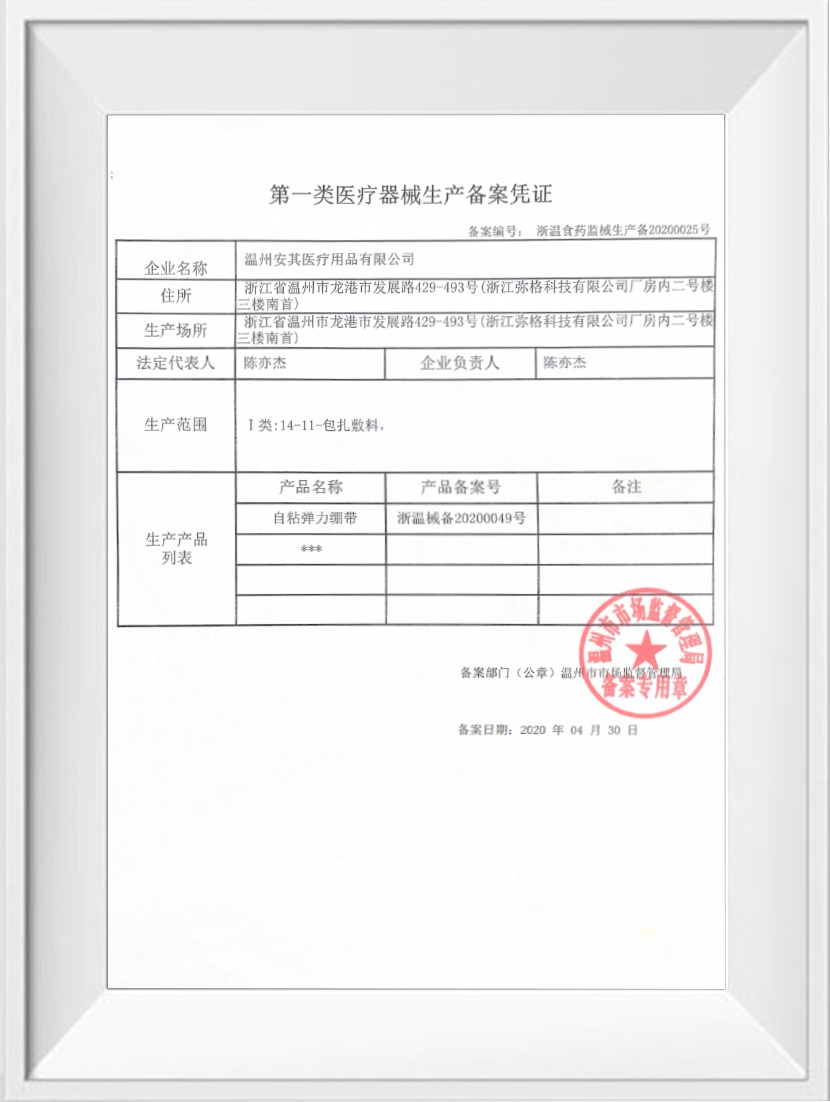
Copyright © Wenzhou Anqi Medical Supplies Co., Ltd. All Rights Reserved.
Approval No: Zhejiang Wenzhou Food and Drug Administration Machinery Production Filing No. 20200025
The information provided on this website is intended for use only in countries and jurisdictions outside of the People's Republic of China.
