
 English
 русский
 中文简体
 Español
 Deutsch
 عربى


What Role Does Product Testing Play in Boob Tape Manufacturing
Content
- 1 01 Why Is Product Testing Important in Boob Tape Manufacturing?
- 2 02 Which Product Qualities Should Manufacturers Test?
- 3 03 How Does Adhesive Testing Affect Product Performance?
- 4 04 How Can Manufacturers Assess Skin Compatibility?
- 5 05 What Does Stretch and Movement Testing Reveal?
- 6 06 How Does Testing Help Maintain Consistent Production Quality?
- 7 07 What Role Do Packaging and Storage Tests Play?
- 8 08 How Should Buyers Evaluate a Boob Tape Manufacturer's Testing Process?
Boob tape has become a practical option for people who want flexible support under different clothing styles. It gets used with backless dresses, strapless tops, evening wear, and some performance outfits. As demand for these products grows, manufacturers face a wider range of expectations. Buyers may care about adhesion, comfort, flexibility, appearance, and how easily the tape can be removed.
These qualities aren't always easy to judge by looking at a finished roll. A tape may appear smooth and well made but behave quite differently once it's applied to skin or stretched during wear. Product testing helps manufacturers catch such differences before goods ever reach the market.
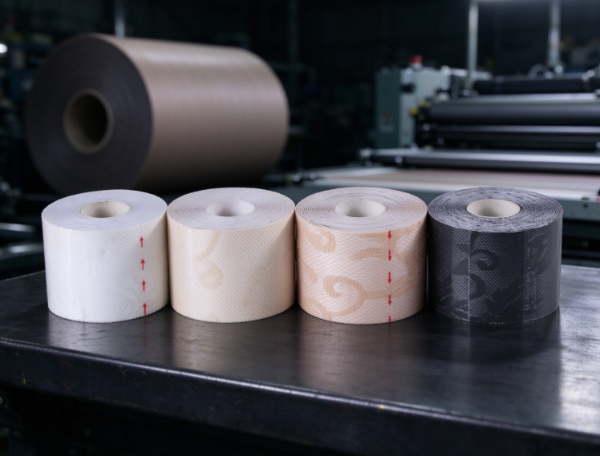
For a boob tape manufacturer, testing isn't simply a final inspection step tacked onto the end. It can influence material selection, production decisions, packaging design, and customer communication. It also gives manufacturers a clearer view of how a product may perform under ordinary conditions of use.
01 Why Is Product Testing Important in Boob Tape Manufacturing?
Boob tape is a skin-contact product. Its performance depends on several parts working together — the backing material, adhesive, release liner, and packaging. A change in any one part can affect the experience of using the finished product.
Take a tape that stretches easily, for example. It may be convenient to position, but its adhesive still needs to remain suitable for the intended use. A strong initial bond doesn't automatically mean the tape will stay comfortable throughout wear. Likewise, easy removal doesn't necessarily mean the tape provides enough support for every application it's used for.
Testing lets manufacturers examine these qualities separately rather than leaning on a single overall judgment call.
It also helps identify differences between production batches. Materials vary, and manufacturing conditions can influence the finished product in ways that aren't always obvious. Without suitable checks in place, these differences may go unnoticed until customers start reporting problems.
Product testing can support several business needs at once:
- Product consistency: Checks help identify changes in adhesion, flexibility, appearance, and overall construction.
- Material evaluation: Manufacturers can compare candidate materials before deciding which ones are suitable for a particular product.
- Risk management: Testing may reveal issues that require changes to the formulation, production process, instructions, or intended use.
- Customer confidence: Clear quality procedures give buyers a more reliable basis for evaluating a supplier.
Testing can't remove every possible risk, worth being upfront about. Skin sensitivity, application methods, body movement, and environmental conditions can all shape the experience in ways no lab can fully predict. Still, a planned testing process helps manufacturers understand these variables and make more informed decisions along the way.
02 Which Product Qualities Should Manufacturers Test?
A useful testing plan reflects how boob tape actually gets used. Checking only one feature can leave important questions unanswered. Manufacturers generally need to weigh the relationship between adhesion, stretch, comfort, appearance, and removal together.
| Product quality | What testing can examine | Why it matters |
|---|---|---|
| Adhesion | How the tape attaches to the intended surface and responds during use | Helps assess whether the product suits its stated purpose |
| Flexibility | How the backing material stretches and recovers | Influences application and movement |
| Skin compatibility | Whether the materials present concerns under the planned conditions of use | Supports decisions about product safety and suitability |
| Removal behavior | How the tape releases and whether unwanted residue remains | Affects the user experience after wear |
| Appearance | Surface condition, color consistency, and visible defects | Matters when the tape is worn beneath or alongside clothing |
| Packaging condition | Whether the package protects the product during handling and storage | Helps preserve product condition before use |
These checks serve different purposes, and that distinction matters. Adhesion testing, for instance, shouldn't get treated as a substitute for skin compatibility assessment. A product can attach securely while still being unsuitable for some users entirely.
Manufacturers also need to weigh the intended product category. Tape designed for fashion styling may carry different requirements than tape intended for athletic use. The product description, instructions, and testing plan should all reflect that distinction clearly.
03 How Does Adhesive Testing Affect Product Performance?
Adhesive performance ranks among the most important factors in boob tape manufacturing. If the bond is too weak for the intended application, the tape may shift or lift at the wrong moment. If it's difficult to remove, users may experience discomfort or irritation instead. The goal isn't simply to maximize adhesion — it's finding a suitable balance for the product's intended purpose.
Manufacturers may examine how the adhesive behaves during application, after contact, during movement, and during removal. These checks help reveal whether the product behaves consistently across the different stages of use it'll go through.
Surface condition can throw off the results, too. Skin may contain moisture, natural oils, or residue from personal care products. Application pressure and technique can also change how the tape attaches in the first place. A laboratory test therefore needs a clearly defined method so results can actually be compared fairly across trials.
Adhesive testing also pays off when a manufacturer switches material suppliers or adjusts a formulation. Even when a new material looks similar to the previous one, its behavior may differ in practice. Comparing the revised product against an established reference helps the manufacturer decide whether additional adjustments are genuinely needed.
There's an important limit worth keeping in mind here: a simple adhesion result doesn't establish that a product is safe for every skin type or suitable for every duration of wear. Manufacturers should avoid stretching a single test result to support claims that go beyond what the evidence actually shows.
04 How Can Manufacturers Assess Skin Compatibility?
Comfort is a major consideration for any product that stays in contact with skin. Boob tape may be worn close to sensitive areas, so the choice of adhesive and backing material deserves genuinely careful attention.
Skin compatibility assessment starts with understanding the materials used in the product. Manufacturers can review supplier information, examine material composition, and flag substances that may need further evaluation. Depending on the product and the markets where it'll be sold, a qualified specialist may recommend additional safety assessments beyond the basics.
A product that feels soft doesn't automatically qualify as skin-friendly, worth remembering. Texture is only one part of the experience. Adhesive ingredients, wear conditions, removal methods, and individual sensitivity can all shape how the skin responds in practice.
Manufacturers should also draw a line between a material assessment and a finished-product assessment. A single component may have relevant safety information attached to it, but the complete tape includes several materials interacting with one another. Packaging, instructions, and how the product gets applied can all affect its use too.
Clear instructions are part of responsible product development, full stop. Users should understand how to prepare the application area, how to apply and remove the tape, and when to stop using it altogether. Instructions shouldn't suggest that discomfort is something a person simply has to tolerate to achieve the desired result.
Claims like "suitable for sensitive skin" or "safe for all-day wear" need appropriate evidence behind them. They shouldn't rest only on informal feedback or a small handful of internal trials. Where testing turns up limitations, manufacturers should reflect them in product guidance rather than leaning on broad promises instead.
05 What Does Stretch and Movement Testing Reveal?
Boob tape often gets chosen because it can follow the shape of the body and work with different clothing designs. This makes flexibility a genuinely important part of product evaluation.
A tape backing needs to stretch in a way that suits its intended application. If it resists movement, users may find it hard to position or experience unwanted pulling. If it stretches too easily or doesn't recover as expected, the product may lose its intended shape partway through use.
Manufacturers can examine how the tape responds to stretching, repeated movement, and changes in direction. They may also check whether the adhesive stays attached when the backing moves. These observations help show how the material and adhesive function together as a combined product rather than separate parts.
The testing method should mirror the intended use. A tape designed for fashion styling may just need to accommodate body movement under clothing without shifting noticeably. A product promoted for active use may call for a different assessment of movement and environmental exposure entirely.
No single test can reproduce every real-life situation, naturally. Clothing fit, body shape, skin condition, perspiration, and application technique can all affect performance in ways a lab setup won't fully capture. For that reason, manufacturers often combine controlled testing with carefully planned use evaluations.
Feedback from these evaluations can surface practical issues that are hard to spot during visual inspection alone. A tape may be easy to handle on a flat surface but trickier to position around curves. Such findings can lead to changes in backing material, adhesive distribution, cutting, or application guidance.
06 How Does Testing Help Maintain Consistent Production Quality?
Product development doesn't end once a sample receives approval. A manufacturer also needs to ensure routine production stays consistent with the tested design going forward.
Incoming materials are one area worth checking closely. Adhesive, backing fabric, release liners, and packaging components should get reviewed against the requirements established during product development. If a supplier changes a material or its manufacturing process, the manufacturer may need to reassess the effect on the finished tape.
During production, inspection can help catch visible defects, uneven coating, cutting problems, or packaging errors. These checks don't replace performance testing, but they can catch issues before the products move further down the supply chain.
A practical quality process may include several activities:
- Reviewing incoming materials and supplier documentation.
- Inspecting the product during relevant production stages.
- Testing finished goods according to a defined sampling plan.
- Recording results and investigating unexpected changes.
- Rechecking the product after meaningful changes to materials or processes.
Documentation matters because it lets teams compare results over time. If a batch behaves differently from previous production runs, records can help narrow down the possible causes. The issue may trace back to a material change, a coating process, storage conditions, or another part of production entirely.
Manufacturers should also distinguish between routine inspection and product validation. Routine inspection checks whether production continues meeting established requirements. Validation helps establish whether the product design and its intended use are actually supported by suitable evidence. Both play a role, but they answer different questions.
For wholesale buyers, information about a supplier's quality process can prove genuinely useful during evaluation. Buyers may ask how defects get handled, how material changes are controlled, and whether testing records can be provided for the relevant product. The answers offer real insight into how the manufacturer manages quality beyond just the appearance of a sample.
07 What Role Do Packaging and Storage Tests Play?
Boob tape can be affected by the conditions it encounters before it ever gets used. Packaging helps protect the adhesive surface, keep the product clean, and prevent damage during handling and transportation.
The release liner matters a great deal here because it covers the adhesive until the tape is ready for use. If the liner doesn't separate as intended, application can become genuinely inconvenient. If the package is damaged or doesn't protect the product adequately, dust, moisture, or other external factors may affect its condition before it even reaches the customer.
Packaging evaluation may examine whether seals stay intact, whether the product stays in place, and whether the release liner can be removed without unnecessary difficulty. Manufacturers can also assess whether the package protects the tape during ordinary storage and distribution.
Storage testing helps investigate whether product qualities change over time or under the conditions described for keeping the product. The results can inform storage instructions and decisions about packaging materials down the line. They shouldn't get used to claim a particular shelf life unless the evidence actually supports that claim.
Packaging also shapes how buyers handle and identify the product. Clear labeling can explain the intended use, application guidance, removal advice, and relevant precautions. For private-label orders, manufacturers and buyers need to review this information together so the final packaging accurately reflects the product being sold.
These checks matter across the entire supply chain. A tape may pass inspection at the factory but still arrive in poor condition if its package isn't suitable for how it's actually stored or transported. Product testing should therefore consider more than just the roll itself.
08 How Should Buyers Evaluate a Boob Tape Manufacturer's Testing Process?
For buyers, a manufacturer's testing approach can reveal a lot about how carefully the supplier develops and controls its products. A sample may look acceptable on the surface, but a purchasing decision also needs evidence that the supplier understands the product's intended use and can maintain consistent production over time.
Buyers can start by asking what types of testing get performed and at which stages. It's useful to understand whether checks cover incoming materials, in-process production, finished goods, adhesive behavior, and packaging together. The answer should match the actual product being purchased rather than lean on general statements about quality.
The scope of testing deserves attention too. Buyers should ask how the supplier evaluates skin compatibility, what evidence supports product claims, and whether the instructions explain appropriate use and removal clearly. If the tape is intended for a particular application, the testing plan should address that use specifically.
For custom and private-label projects, this discussion becomes even more important. A change in color, backing material, adhesive, width, or packaging may affect the finished product in ways that aren't obvious upfront. Buyers and manufacturers should agree on which changes require further evaluation before a revised product gets approved.
Useful questions include:
- Which product characteristics are checked before shipment?
- How are differences between production batches investigated?
- What happens when a test result falls outside the agreed requirements?
- Can relevant test records or supporting documents be reviewed?
- How are material substitutions and product revisions managed?
- Do the packaging and instructions match the product's intended use?
The answers should come across clear and specific. Buyers don't need to assume that more testing automatically means a better product, either. They need to know whether the chosen tests are relevant, whether the methods are appropriate, and whether the findings actually support the claims made about the tape.
As product expectations grow more varied, testing is increasingly woven into the working relationship between manufacturers and buyers. It helps turn general requirements into checks that can be reviewed, discussed, and maintained throughout production. For boob tape manufacturers, that process connects material choices and factory controls with the experience customers ultimately have when they open the package and use the product.
Keep In Touch

No.455 New Town Development Road,Longgang City, Wenzhou City

 +86-0577-83728222
 +86-0577-837282222
Copyright © Wenzhou Anqi Medical Supplies Co., Ltd. All Rights Reserved.
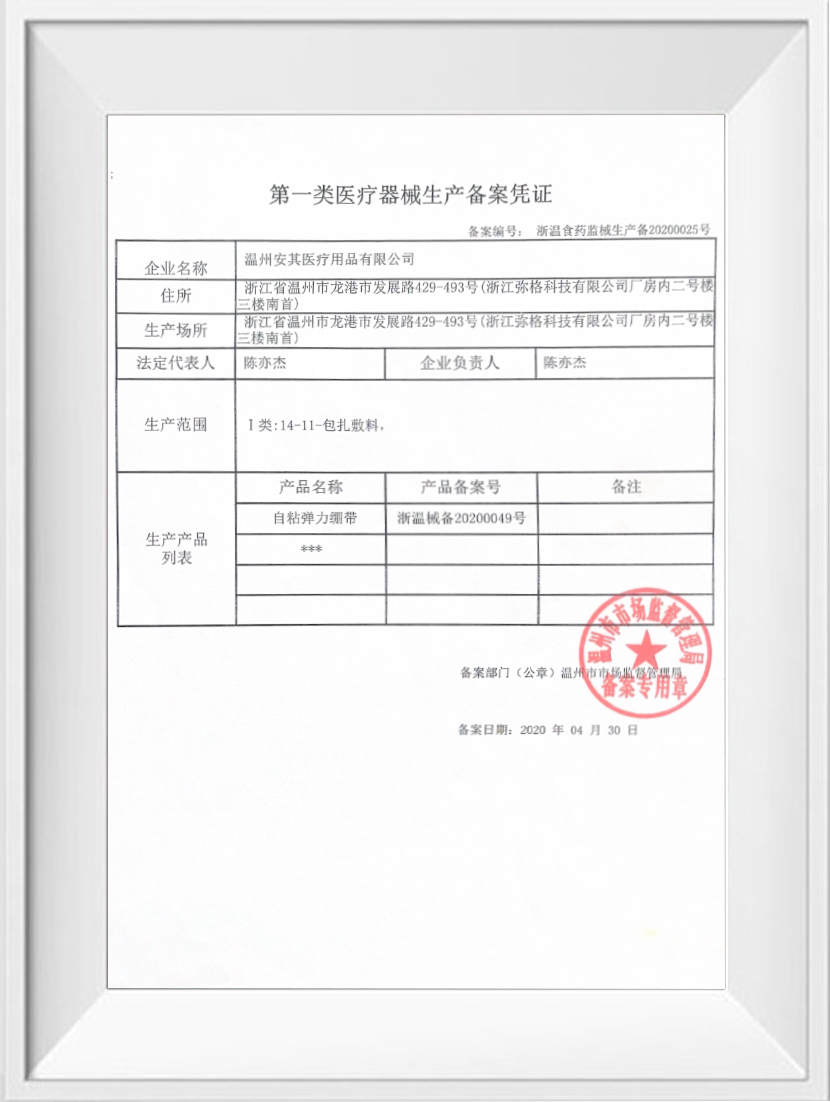
Approval No: Zhejiang Wenzhou Food and Drug Administration Machinery Production Filing No. 20200025
The information provided on this website is intended for use only in countries and jurisdictions outside of the People's Republic of China.
