
 English
 русский
 中文简体
中文简体 Español
 Deutsch
 عربى
عربى

Why Is Material Selection Important for Sports Tape Suppliers
Content
- 1 01 How Does Material Selection Affect Sports Tape Performance?
- 2 02 Which Materials Are Commonly Used in Sports Tape?
- 3 03 Why Are Adhesive Properties Important for Sports Tape Supplier ?
- 4 04 How Should Sports Tape Materials Match Different Athletic Activities?
- 5 05 What Role Do Comfort and Skin Compatibility Play in Material Selection?
- 6 06 How Can Sports Tape Suppliers Evaluate Material Quality?
- 7 07 How Does Material Selection Influence Custom Sports Tape Development?
- 8 08 What Should Buyers Ask a Sports Tape Supplier About Materials?
Material choice sits right at the center of sports tape production. It shapes how the tape feels against skin, how long it stays put, how it handles movement, and how easy it is to put on and peel off. For suppliers, all of this feeds directly into product suitability, customer satisfaction, and whether a given line can actually serve different markets well.
Sports tape shows up in athletic training, fitness routines, rehab programs, and various protective uses — and none of these call for the exact same material properties. Some jobs need firm support; others need flexibility and freedom of movement. Some products exist purely to hold dressings or padding in place, while others are built to move right along with the skin during exercise.
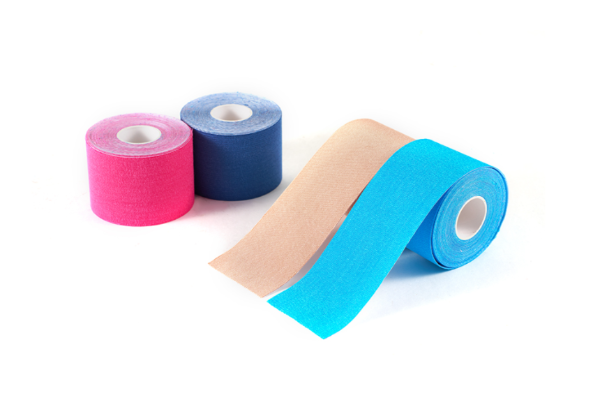
Suppliers need a solid grasp of these differences before recommending materials or setting up custom production runs. Fabric structure, adhesive behavior, elasticity, surface feel, moisture resistance — all of it shapes the final product. A material that's great for one job might be completely wrong for another.
For distributors, sports teams, training facilities, and private-label buyers, understanding material selection makes evaluating products a lot more practical. It also sharpens communication between buyers and manufacturers — from the first product brief all the way through quality checks and packaging decisions.
01 How Does Material Selection Affect Sports Tape Performance?
The material in sports tape drives most of its basic behavior — how it stretches, how it holds up under repeated movement, how it sticks to skin, how it feels during wear. All of that needs to line up with what the tape's actually meant to do.
Rigid athletic tape, for instance, typically gets used when the job calls for external support and restricted movement around a specific area. Its backing has to hold its shape under use — stretch too easily, and it stops delivering the support it was meant to provide.
Elastic sports tape works toward a different goal entirely. It's built to move with the body, so flexibility becomes the priority. The backing needs to stretch and bounce back in a way that fits its intended job. Mismatch that movement behavior to the application, and the tape ends up feeling restrictive or losing its fit partway through.
Cohesive wrap tape brings its own set of demands. It sticks to itself rather than depending purely on a skin adhesive layer, so its structure has to support wrapping while letting users control pressure as they apply it.
Material choice also shapes handling in practical ways. Tape that tears unevenly, curls while being applied, or just won't sit right can slow down training staff and healthcare workers alike. Consistent handling matters a lot in settings where tape gets applied over and over throughout the day.
So suppliers really need to think about the whole user experience, not fixate on one material trait in isolation. Backing, adhesive, surface finish, intended use — they all work together, and tweaking one piece tends to ripple into the others.
02 Which Materials Are Commonly Used in Sports Tape?
Sports tape pulls from a range of fabrics, synthetic materials, and adhesive systems, and each brings its own strengths and limits — which means suppliers need a clear sense of what each option can and can't deliver.
Cotton shows up often in athletic tape because it offers a familiar fabric feel and works across different tape constructions. Depending on how it's processed, cotton-based tape can suit applications needing a relatively stable backing — though that still comes down to the specific product design and intended use.
Synthetic fibers come into play when manufacturers need particular stretch, recovery, durability, or surface qualities. These materials help tape follow body movement or hold its shape through repeated activity, though actual performance hinges on the fiber blend, fabric construction, and manufacturing process behind it.
Some products blend different fibers to balance comfort against flexibility. A blended backing might get developed for a specific application need — though mixing materials doesn't automatically make something suitable for every user or setting.
Adhesives round out the picture as an equally essential piece. They're what determines how the tape attaches — to skin or to itself, depending on the product. Different adhesive formulas offer different levels of attachment, flexibility, and ease of removal, so suppliers need to weigh skin contact, expected wear conditions, and whatever usage instructions come with the product.
| Material or Component | Main Characteristics | Supplier Considerations |
|---|---|---|
| Cotton fabric | Fabric-based feel, supports various tape constructions | Surface texture, flexibility, intended application |
| Synthetic fibers | Offers specific stretch and recovery qualities | Movement needs, durability, fabric consistency |
| Blended fabric | Combines properties from different fibers | Balance of comfort, structure, flexibility |
| Skin-contact adhesive | Attaches tape to the skin | Adhesion, removal comfort, skin compatibility |
| Cohesive coating/structure | Lets tape adhere to itself | Wrapping control, grip, ease of handling |
| Release liner | Protects adhesive before use | Ease of removal, storage, packaging compatibility |
None of these categories are really interchangeable. Picking the right one comes down to whether the product's meant for firm support, flexible movement, wrapping, or something else entirely. Suppliers should look at the full construction rather than judging the backing material on its own.
03 Why Are Adhesive Properties Important for Sports Tape Supplier ?
Adhesive performance carries a lot of weight here, since sports tape regularly deals with sweat, friction, and constant movement. The adhesive has to fit the intended job while still being manageable to handle and remove properly.
Too weak, and the tape starts lifting at the edges or shifting out of place — interrupting a session and forcing reapplication. Too aggressive or just wrong for someone's skin, and it causes discomfort or irritation instead.
Conditions of use matter a lot here too. Tape worn through a short indoor session faces a different set of challenges than tape worn through hours of outdoor activity. Heat, moisture, body hair, skin condition, movement — all of it changes how the adhesive actually performs.
Suppliers should also separate products meant for direct skin contact from those meant to secure dressings or other materials — the adhesive needs for each can differ quite a bit. A product built for one purpose shouldn't get recommended for the other without real thought.
Skin compatibility deserves careful attention on top of all this. Some users react to specific adhesive ingredients, so clear product information, proper testing, and practical instructions all help buyers understand what a product's actually built for and what precautions matter. No adhesive should get marketed as universally suitable without real evidence backing that claim.
Removal is part of this conversation too. Tape needs to hold through activity, sure, but it also needs to come off the way its instructions describe. Pulling too hard can irritate skin, especially after extended wear.
Worth asking manufacturers directly:
- Is this built for direct skin contact, or for securing other materials?
- How should the adhesive behave during the intended activity?
- What's known about skin compatibility and the removal process?
- How should the tape be stored to keep it in its intended condition?
- Are there specific limitations or precautions buyers need to pass along?
These questions push suppliers toward evaluating products on practical grounds — rather than leaning on vague phrases like "strong adhesion" and leaving it there.
04 How Should Sports Tape Materials Match Different Athletic Activities?
Different sports put different demands on tape. What works well for one activity might not hit the right balance of support, flexibility, and comfort for another — so material selection really should start with a clear picture of how the tape will actually be used.
In basketball, football, and other sports built around quick direction changes, some athletes rely on rigid tape around certain joints when it's appropriate. The material needs to hold its structure through movement, and the application still has to let the athlete move safely and stay within the sport's rules.
Tennis, badminton, and other racket sports bring constant gripping and wrist movement into play, which makes flexibility and handling genuinely important. Depending on the purpose, users might choose tape that supports without getting in the way of grip or motion.
Running and fitness training tend to prioritize comfort through repeated movement. Material that rubs the skin or loses its fit mid-session becomes a real distraction fast. Suppliers should weigh fabric feel, adhesive behavior, and how long the tape's expected to stay on.
Rehab settings call for a different approach entirely. Tape there usually fits into a professional care plan, with material and application chosen around the individual's condition — and it should never get presented as a stand-in for medical assessment or actual rehab exercises.
Water-based activities add yet another layer. Moisture affects both backing and adhesive, depending on the product, so suppliers need to confirm whether a given tape is actually built for wet conditions rather than assuming all sports tape holds up fine around water.
| Activity or Setting | Relevant Material Needs | Selection Considerations |
|---|---|---|
| Court sports | Support and movement control for select applications | Backing structure, application method |
| Racket sports | Comfortable handling through repeated wrist/hand movement | Flexibility, grip compatibility, fit |
| Running and fitness | Comfort through repeated movement | Surface feel, adhesion, wear conditions |
| Rehabilitation | Fit for an individualized care plan | Intended use, professional guidance, skin condition |
| Water-based sports | Suitability for moisture exposure | Adhesive behavior, product instructions |
| Training facilities | Convenient handling across repeated use | Roll format, storage, product identification |
These are starting points for discussion, not complete specs on their own. Suppliers shouldn't treat a sport's name as a full specification — even athletes within the same sport can need very different things.
05 What Role Do Comfort and Skin Compatibility Play in Material Selection?
Comfort decides whether athletes actually end up using tape the way it's meant to be used. A product can check every box on support, but if the material feels rough, restricts motion, or irritates skin, people just won't tolerate it for long.
Backing material drives a big part of that experience — texture, softness, flexibility, breathability all shape how the tape feels while worn. What balance makes sense depends entirely on the job. A more structured backing suits certain support tasks; a flexible one suits applications built around frequent movement.
Moisture management plays into comfort too. Sweat can build up underneath tape, and heat plus friction can make irritation worse in some situations. Breathable construction helps with comfort, sure, but it doesn't guarantee the product avoids skin problems or stays firmly attached.
Skin condition matters before anything goes on at all. Cuts, existing irritation, certain sensitivities — any of these can make taping a bad idea. Users should stick to manufacturer instructions and get professional input whenever there's uncertainty about applying a product safely.
Suppliers also need to be careful and accurate about how they describe products. Terms like "skin-friendly" or "hypoallergenic" shouldn't get thrown around without real evidence behind them — these claims influence buying decisions, so they need to actually reflect available testing and the product's real intended use.
For private-label buyers, skin-contact information should be baked into product development from the start, not tacked on later. Worth asking about adhesive composition, available safety documentation, intended wear conditions, and the recommended removal process.
The product really needs evaluating as one complete system, too. A soft backing can't make up for a bad adhesive, and a good adhesive doesn't remove the need for proper application technique. Comfort comes from how materials, design, and actual usage all interact together.
06 How Can Sports Tape Suppliers Evaluate Material Quality?
Material quality shapes product consistency, handling, and overall fit for its intended job. Suppliers need some kind of process for vetting materials before committing to orders or offering products to customers — especially when serving multiple markets or developing custom tape for varied uses.
That evaluation should start with the product brief. Buyers and manufacturers need to agree early on the intended application, backing type, required adhesive behavior, and expected conditions of use. Without that groundwork, it's genuinely hard to judge whether a material actually fits the job.
Sample review lets suppliers check practical qualities firsthand — does it unwind smoothly, tear the way it's supposed to, stay easy to position, behave consistently during recommended use? Adhesion and removal should get checked against manufacturer instructions and proper testing procedures.
Material consistency matters too. Differences in fabric texture, adhesive coverage, or cutting quality can all throw off the user experience. Worth discussing how manufacturers inspect incoming materials, monitor production runs, and handle anything that falls short of agreed specs.
Documentation backs all of this up. Depending on the product and target market, relevant records might include material descriptions, safety info, test reports, labeling details, and batch identification. Buyers should confirm exactly what documentation exists and whether it meets the requirements that actually apply.
A practical quality review might cover:
- Backing consistency — texture, flexibility, structural condition.
- Adhesive behavior — attachment, handling, removal matching intended use.
- Dimensions and finish — confirming the tape's cut and presented as agreed.
- Packaging condition — does it protect the product through storage and shipping?
- Documentation — safety info, test records, labeling, all reviewed.
- Production consistency — how the manufacturer tracks and manages material variation.
Quality review should stay anchored to the agreed product requirements. A material shouldn't be judged purely on how it looks or feels in a sample — its real performance needs weighing against its actual intended purpose, backed by solid evidence where it matters.
07 How Does Material Selection Influence Custom Sports Tape Development?
Custom tape development gives suppliers room to shape a product around a specific market or application. That customization might touch the backing, adhesive, color, roll format, pre-cut shape, printed design, or packaging — and each change needs its own look at how it affects the finished product.
Everything starts with a clear picture of intended use. A buyer building tape for athletic training might prioritize flexibility and skin comfort; a buyer focused on support-oriented tape might care more about backing structure and controlled application. These different priorities shape which materials even make sense to consider.
Visual customization brings its own material compatibility questions. Printed colors and logos need to actually work with the chosen backing and production process. Buyers should confirm whether a requested design is realistic and whether printing changes the product's feel or handling in any way.
Packaging rounds out the development process. Individual wrapping, roll labels, retail packaging — all of it helps users identify products and understand what they're meant for. That said, packaging claims always need to line up with the actual product information and whatever regulations apply.
The buyer-manufacturer relationship matters throughout all of this. Buyers should share realistic requirements and push for clarification whenever a proposed material can't quite meet a specific need. Manufacturers, meanwhile, should lay out the available options honestly and flag any limitations that might affect production.
| Customization Area | Material-Related Question | Why It Matters |
|---|---|---|
| Backing fabric | Does it match the required flexibility or support? | Shapes handling and movement |
| Adhesive | Suitable for the intended contact surface? | Affects attachment and removal |
| Color and printing | Compatible with the selected backing? | Supports identification and appearance |
| Pre-cut shapes | Can the material be cut and handled as needed? | Affects application convenience |
| Roll format | Does the format suit the intended use? | Supports storage and everyday handling |
| Packaging | Does it protect and identify the product? | Maintains condition, communicates use |
Sample approval matters a lot before committing to larger production runs. It gives buyers a chance to check material, application feel, printed details, and packaging against the original brief — and any changes along the way should get documented so both sides stay on the same page about final requirements.
For suppliers, this whole process cuts down on misunderstandings and makes custom orders a lot easier to manage. It also helps draw a clear line between functional needs and optional visual preferences.
08 What Should Buyers Ask a Sports Tape Supplier About Materials?
Buyers often size up suppliers based on price, product range, customization options, and delivery timelines — but material-related questions deserve just as much attention, since they're what actually determine whether a product fits its target market.
A good supplier should be able to walk through the tape's general construction and intended use clearly. Buyers don't need deep technical detail necessarily, but they should get clear answers on backing, adhesive type, expected use, and relevant precautions.
It's also worth asking how material choices shape handling day to day. A buyer might need tape that tears easily by hand, suits a particular wrapping style, or comes pre-cut — all practical details that shape product format and production requirements.
Buyers sourcing for different countries should check applicable regulations before locking in an order. Requirements shift based on product claims, intended use, labeling, and the target market — suppliers can provide available documentation, but confirming what actually applies stays the buyer's responsibility.
Questions about production consistency help clarify a supplier's real capabilities too — how materials get checked, whether sample approval is offered, how custom specs get recorded, how changes get communicated along the way.
Worth bringing into a purchasing conversation:
- What backing materials are available for the intended application?
- How does the adhesive suit the product's use and removal needs?
- What's known about skin contact and product safety?
- Can the supplier provide samples for review before production starts?
- How is material consistency and finished-product quality checked?
- What custom options exist for printing, cutting, and packaging?
- What labeling and supporting documents can be provided for the target market?
The answers give buyers something concrete to compare suppliers against. Clear material information sharpens product planning, smooths communication during custom development, and helps distributors match sports tape to what athletes, training facilities, and other end users actually need.
Keep In Touch

No.455 New Town Development Road,Longgang City, Wenzhou City

 +86-0577-83728222
 +86-0577-837282222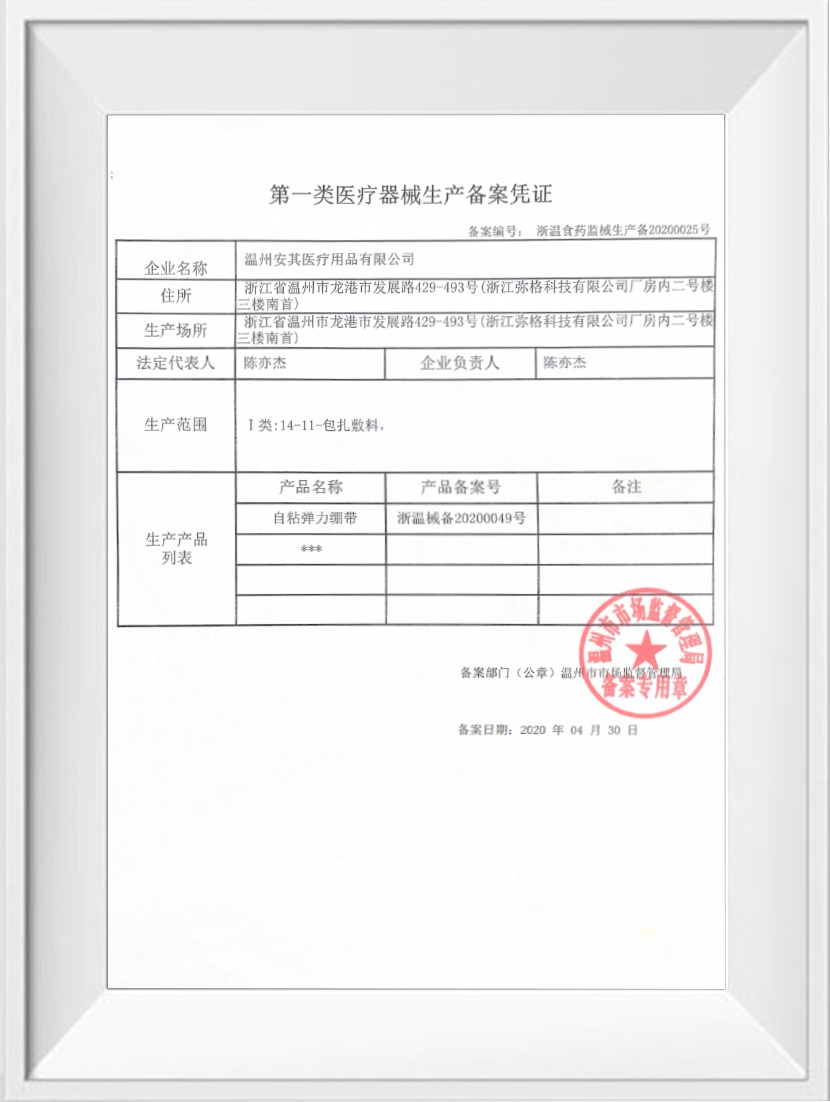
Copyright © Wenzhou Anqi Medical Supplies Co., Ltd. All Rights Reserved.
Approval No: Zhejiang Wenzhou Food and Drug Administration Machinery Production Filing No. 20200025
The information provided on this website is intended for use only in countries and jurisdictions outside of the People's Republic of China.
