
 English
 русский
 中文简体
中文简体 Español
 Deutsch
 عربى
عربى

How Is Custom Sports Tape Used in Athletic Training
Content
- 1 01 What Role Does Custom Sports Tape Play in Athletic Training?
- 2 02 How Is Custom Sports Tape Applied Before Training?
- 3 03 Which Types of Custom Sports Tape Are Used for Different Training Needs?
- 4 04 How Does Custom Sports Tape Support Different Sports?
- 5 05 Why Do Material and Adhesive Choices Matter?
- 6 06 How Can Custom Sports Tape Be Used During Recovery and Rehabilitation?
- 7 07 What Should Buyers Consider When Ordering Custom Sports Tape?
- 8 08 How Should Custom Sports Tape Be Maintained and Used Safely?
Custom sports tape has quietly become a staple in athletic training — showing up during warm-ups, practice sessions, competition days, and the long stretch of recovery that follows an injury. Athletes use it to stabilize certain joints, add light compression, build better movement awareness, or simply hold protective padding in place. Exactly how it gets applied comes down to the sport in question, the athlete's physical state, and what that particular session is actually trying to accomplish.
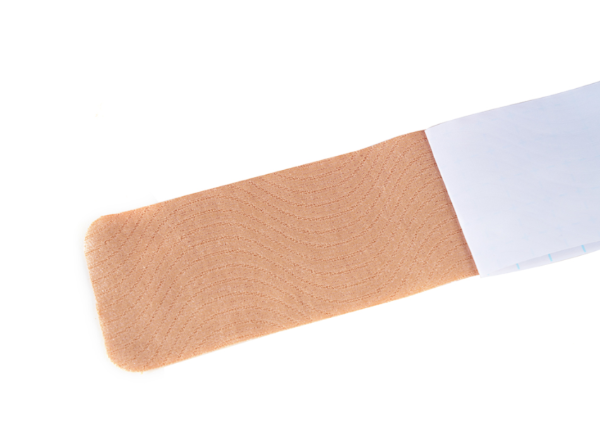
What separates custom tape from the generic stuff off a shelf is that it's built around specific needs from the start — fit, material feel, adhesive strength, look, even how it's meant to be applied can all be tailored. These details matter a lot to sports teams, training centers, rehab clinics, and the businesses supplying all of them with gear.
As training approaches keep diversifying, tape gets used differently depending on the sport and the athlete. Getting a handle on its practical role helps coaches, athletes, and equipment buyers pick the right product and actually use it well.
01 What Role Does Custom Sports Tape Play in Athletic Training?
Training itself involves a lot of repeated motion, sudden direction changes, physical contact, and varying intensity levels. Depending on what's being trained, athletes often need extra support around the ankles, wrists, knees, fingers, or shoulders — and custom sports tape fits in as one piece of a much larger training picture.
What role it actually plays depends on the tape type and how it's applied. Some products are built to lock a joint down firmly; others are meant to move right along with the skin, prioritizing flexibility over rigid support. That distinction changes how athletes use tape through warm-ups, technical drills, strength work, and sport-specific practice.
Take an athlete doing a lot of jumping — ankle tape might be part of their regular support routine. A player handling a ball constantly might tape a finger to secure or protect it during practice. In sports built around repeated gripping, wrist tape sometimes gets added when extra external support makes sense.
Custom tape also lets training staff tailor the application to each individual. Body shape, skin sensitivity, movement habits, comfort preferences — people vary a lot, even within the same sport. What works great for one athlete might not suit the next person at all.
Still, tape isn't a replacement for solid conditioning, proper footwear, good technique, or an actual professional evaluation. It should be chosen based on what it's actually meant to do — not treated like some universal fix for preventing injury.
02 How Is Custom Sports Tape Applied Before Training?
The application process usually begins with an assessment of the area that needs support. Training staff consider the athlete's activity, the type of movement involved, and whether the tape is intended for support, protection, or movement awareness.
The skin should be clean and dry before application. Oils, sweat, lotions, and moisture can affect adhesion. If the athlete has sensitive skin, previous reactions to adhesives should also be considered before a product is used.
The application method varies with the tape type. Firm athletic tape is often placed in overlapping strips to support a selected area. Elastic sports tape may be applied along the skin in a pattern intended to accommodate movement. Cohesive tape can stick to itself without relying on the same type of skin adhesive, making it useful for certain wrapping applications.
A practical application routine may include the following steps:
- Check the intended purpose: Identify the area requiring support and determine whether taping is appropriate for the planned activity.
- Prepare the skin: Clean and dry the application area, and check for irritation, cuts, or other conditions that may make taping unsuitable.
- Choose the tape type: Consider flexibility, adhesive behavior, required support, and the demands of the sport.
- Apply with controlled tension: Follow the product instructions and avoid excessive tightness or unnecessary restriction.
- Check movement and comfort: Ask the athlete to perform a few gentle movements and check for discomfort, tingling, numbness, or changes in skin color.
The final check is important because tape that feels comfortable while sitting may become restrictive during movement. If the athlete experiences unusual pain, altered sensation, swelling, or changes in circulation, the tape should be removed and the situation assessed.
Custom sports tape may also be prepared in advance for team training sessions. Pre-cut strips, consistent roll sizes, and clear product identification can help staff organize supplies. Even so, the application should remain specific to the athlete rather than follow a rigid routine for everyone.
03 Which Types of Custom Sports Tape Are Used for Different Training Needs?
Sports tape is available in several forms. Each has different characteristics, so the choice should reflect the intended task rather than appearance alone.
| Tape type | Common training applications | Main considerations |
|---|---|---|
| Rigid athletic tape | Selected joint-support applications and securing protective materials | Support level, adhesive strength, and movement restriction |
| Elastic sports tape | Applications that require greater flexibility during movement | Stretch behavior, skin comfort, and application technique |
| Cohesive wrap tape | Wrapping and securing dressings or selected protective materials | Self-adhesion, wrapping pressure, and ease of removal |
| Pre-cut sports tape | Training routines that use repeatable application patterns | Shape, size, convenience, and storage |
| Custom-printed sports tape | Team identification, product differentiation, and coordinated equipment presentation | Print clarity, material compatibility, and skin-contact suitability |
Rigid tape is commonly associated with applications where limiting selected movements is part of the intended support strategy. It may be used around an ankle or wrist under appropriate guidance. Because it can restrict movement, the application must match the athlete's needs and the demands of the sport.
Elastic tape is often selected when the athlete needs a product that follows body movement. It may be applied to areas such as the shoulder, thigh, calf, or back, depending on the product instructions and the purpose of use. Its flexibility does not mean it provides the same mechanical support as rigid tape.
Cohesive wrap tape serves a different purpose. It adheres to itself and can be useful for holding dressings or protective materials in place. The wrapping pressure still requires attention, particularly around fingers, wrists, and other areas where excessive tightness may cause discomfort or circulation problems.
Pre-cut and custom-printed options address practical needs beyond the tape's basic function. Pre-cut shapes can reduce preparation time, while printing may help teams identify supplies or maintain a consistent visual identity. Neither feature automatically changes the tape's suitability for a particular physical application.
For training facilities and sports equipment distributors, understanding these distinctions helps make product selection more specific. A single tape category is unlikely to meet every requirement across different sports and training environments.
04 How Does Custom Sports Tape Support Different Sports?
Each sport's specific demands shape where tape gets applied and how much movement needs to stay available. Repeated jumping calls for different support than racket handling, ball control, or heavy lifting would.
In court sports, athletes often tape the ankle, fingers, or wrist when a particular support need comes up. Quick direction changes and constant landings make fit and movement comfort especially important.
In football, rugby, and other contact sports, tape might secure padding or support specific areas during practice. What gets chosen depends on the sport's rules, the athlete's condition, and guidance from qualified medical or training staff. Tape shouldn't interfere with protective gear or create some avoidable hazard during contact.
For weight training, some athletes tape fingers or wrists as part of a grip or support routine — though that should never substitute for proper lifting technique or mask pain that might be signaling an injury. Tape around the hands also has to leave room for a safe grip on equipment.
In running and endurance training, elastic tape sometimes gets used on areas facing repeated stress. But its use needs a clear purpose and proper guidance behind it — it's not something that automatically prevents overuse injuries or boosts performance on its own.
Swimming and water sports add their own wrinkle, since moisture messes with adhesion. A product meant for wet conditions needs evaluation specifically for that use. Tape built for ordinary dry training probably won't hold up in a pool or under repeated water exposure.
| Sport or activity | Possible application area | Selection priority |
|---|---|---|
| Basketball | Ankle, fingers, wrist | Support needs and freedom of movement |
| Football or rugby | Selected joints or protective materials | Secure application and compatibility with protective equipment |
| Tennis or badminton | Wrist, fingers, selected forearm applications | Grip comfort and repeated movement |
| Weight training | Wrist or fingers | Fit, grip safety, and intended support |
| Running | Selected lower-limb applications | Skin comfort and suitability for repeated movement |
| Water-based sports | Areas requiring a suitable moisture-resistant product | Adhesion under wet conditions and safe removal |
These examples describe possible applications, not universal recommendations. Athletes should follow sport-specific rules and seek professional guidance when taping is intended to address an injury or an ongoing physical problem.
05 Why Do Material and Adhesive Choices Matter?
Material selection affects how sports tape feels, moves, adheres, and performs during training. Even when two products appear similar, differences in fabric structure, elasticity, adhesive formulation, and surface finish may influence the user experience.
The backing material is one important consideration. A more rigid structure may suit applications that require movement restriction, while a stretchable fabric may be more appropriate when flexibility is part of the intended use. The material should remain suitable for the movement patterns and conditions associated with the sport.
Adhesive behavior is equally important. Tape that does not adhere adequately may loosen during activity, while a product that adheres too strongly for the intended use may be uncomfortable to remove. Sweat, body hair, friction, and repeated movement can all affect how the product behaves on the skin.
Skin compatibility deserves particular attention because sports tape often remains in place during physical exertion. Heat and moisture may increase discomfort, and some athletes may react to certain adhesive ingredients. Product suitability should be assessed using the manufacturer's instructions, especially for individuals with a history of skin sensitivity.
Breathability can also influence comfort during longer sessions. A material that allows suitable moisture management may be preferable for some applications, although breathability alone does not guarantee that tape will remain secure or prevent irritation.
For custom sports tape orders, material development should begin with the intended application. Buyers can discuss the following points with manufacturers:
- Backing material: Whether the tape should be rigid, elastic, soft, or suited to a particular wrapping method.
- Adhesive characteristics: How the product should attach, remain in place, and be removed under its intended conditions.
- Skin-contact requirements: Whether material information and available suitability testing meet the intended market's requirements.
- Environmental exposure: Whether the tape will encounter sweat, water, friction, or repeated movement.
- Packaging and handling: Whether individual rolls, pre-cut pieces, or other formats suit the training environment.
These details are useful when developing a custom product for a sports team, rehabilitation facility, distributor, or athletic equipment retailer. They also help prevent a design decision based solely on color or price from overlooking the tape's actual use.
06 How Can Custom Sports Tape Be Used During Recovery and Rehabilitation?
Sports tape may be incorporated into rehabilitation when a qualified healthcare professional determines that it is appropriate. Its role depends on the injury, the stage of recovery, and the rehabilitation plan.
For some individuals, rigid tape can provide external support around a joint during selected activities. Elastic tape may be used as part of a movement-related approach. Tape can also secure dressings or other protective materials when needed. These applications serve different purposes and should not be treated as interchangeable.
During rehabilitation, the aim is to help the athlete follow a suitable return-to-activity plan. Tape may support a particular task, but it does not repair damaged tissue or replace progressive exercise. Depending on the injury, treatment may involve strength development, mobility work, balance exercises, changes to training load, or temporary restrictions on activity.
The decision to use tape should also account for the athlete's symptoms. New swelling, persistent pain, weakness, instability, or reduced movement may require assessment rather than additional wrapping. Applying tape over an unresolved problem can make it harder to recognize changes in symptoms.
A rehabilitation professional may adjust the application as the athlete's needs change. Someone returning to light exercise may have different requirements from an athlete preparing for full training. The tape type, placement, and amount of support should reflect that difference.
Hygiene and removal are important throughout the process. Used tape should not be shared between athletes, and skin should be checked after removal. If redness, itching, blistering, or other irritation occurs, use should stop until the cause has been assessed.
Custom sports tape can therefore form part of an individualized rehabilitation plan, but its use should remain guided by the person's condition and professional recommendations.
07 What Should Buyers Consider When Ordering Custom Sports Tape?
For sports equipment distributors, team suppliers, and training organizations, purchasing custom sports tape involves more than choosing a roll with a preferred color. The product needs to match its intended application, the expectations of users, and the requirements of the market where it will be sold.
A clear product brief helps manufacturers understand the purpose of the order. Buyers should explain whether the tape is intended for joint support, flexible applications, cohesive wrapping, or another defined use. This information influences material selection, adhesive requirements, roll format, and packaging decisions.
Customization can also involve visual and practical details. A team may want a recognizable color scheme, while a distributor may need packaging that distinguishes different product types. Printed identification can help organize stock, provided the ink, printing process, and final product remain suitable for their intended use.
The following checklist can help organize purchasing discussions.
| Purchasing factor | Questions to discuss |
|---|---|
| Intended use | Which sports and training applications will the tape serve? |
| Material | Does the backing provide the required flexibility or support? |
| Adhesive | Is the adhesion suitable for the expected application and removal process? |
| Skin compatibility | What product information or test documentation is available? |
| Customization | Can the supplier accommodate requested colors, printing, shapes, or packaging? |
| Product consistency | How does the manufacturer manage material selection and production checks? |
| Packaging | Will the format support storage, distribution, and everyday use? |
| Compliance | Which labeling, product-safety, and market requirements apply to the intended destination? |
Sample evaluation is a useful part of the purchasing process. Buyers can examine the material, review its application instructions, and assess whether the product matches the intended use before placing a larger order. Any testing should follow the manufacturer's guidance and avoid unapproved use on injured or sensitive skin.
Clear communication also helps when the product requires a custom design. Artwork, print placement, packaging information, and product identification should be reviewed before production. Buyers should confirm which specifications can be customized and which properties depend on the underlying material.
Manufacturers, meanwhile, need a clear understanding of the expected application and market. This makes it easier to discuss feasible customization options, documentation, quality checks, and packaging arrangements without confusing visual preferences with functional requirements.
08 How Should Custom Sports Tape Be Maintained and Used Safely?
Safe use continues after the tape has been selected and applied. Storage, handling, removal, and routine skin checks all influence the experience of athletes who use sports tape regularly.
Tape should be stored according to the manufacturer's instructions. Excessive heat, moisture, dust, and damaged packaging may affect product condition. Rolls should be kept clean, and packaging should remain identifiable so that staff can distinguish products with different intended uses.
During training, athletes should check whether the tape remains comfortable and secure. Excessive tightness is a concern, particularly around the fingers, wrists, and other areas where circulation or sensation may be affected. Numbness, tingling, unusual swelling, increased pain, or changes in skin color are reasons to remove the tape and seek appropriate assessment.
Removal also requires care. Pulling adhesive tape away too quickly can irritate the skin, especially after prolonged wear. Following the product's removal instructions and supporting the skin while peeling can help reduce unnecessary discomfort. A product should not be reused when it is designed for single use.
Training facilities can support consistent practices by keeping application instructions available and ensuring that staff understand the differences between tape types. Athletes should also know when taping is unsuitable and when an injury requires medical evaluation.
For custom sports tape manufacturers and suppliers, clear labeling and practical instructions are part of product communication. Information about intended use, application, removal, storage, and relevant precautions helps buyers and end users understand how the tape should be handled.
In athletic training, custom sports tape is most useful when its design, material, and application method match a clearly defined need. Its role varies across sports, training stages, and individual circumstances. Careful product selection and appropriate use allow athletes, coaches, rehabilitation professionals, and equipment buyers to make more informed decisions about incorporating tape into their routines.
Keep In Touch

No.455 New Town Development Road,Longgang City, Wenzhou City

 +86-0577-83728222
 +86-0577-837282222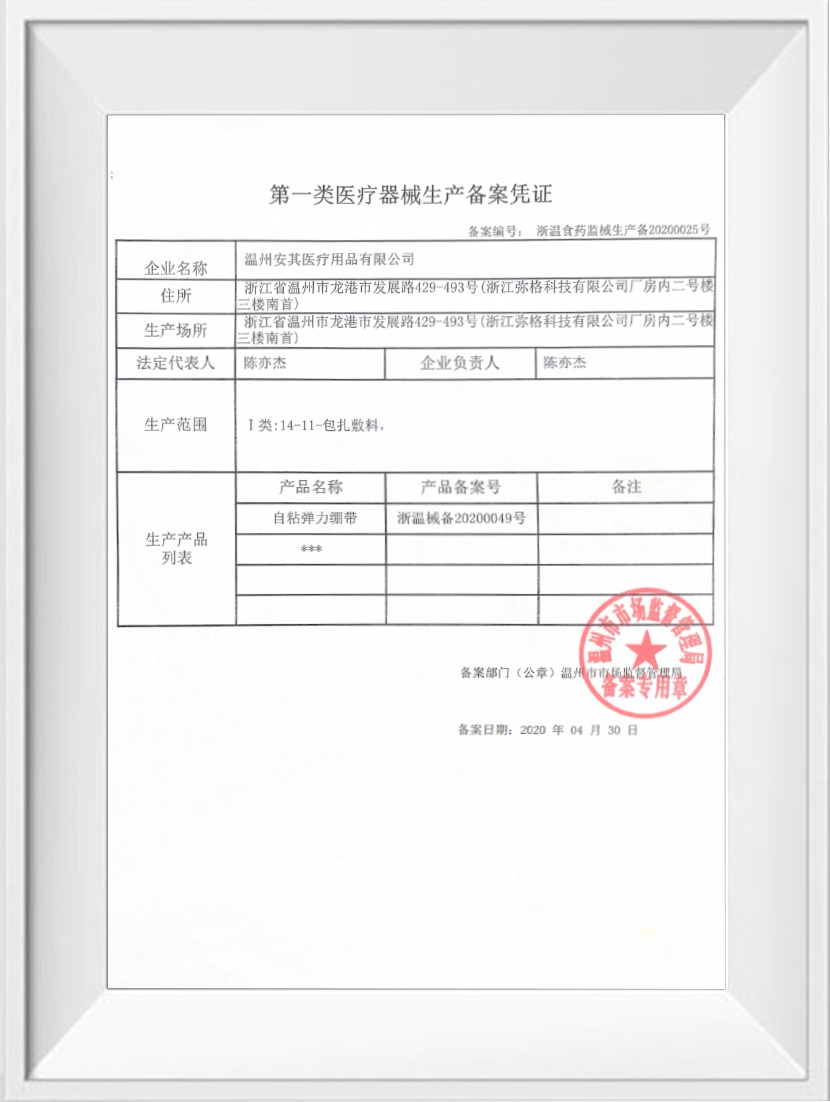
Copyright © Wenzhou Anqi Medical Supplies Co., Ltd. All Rights Reserved.
Approval No: Zhejiang Wenzhou Food and Drug Administration Machinery Production Filing No. 20200025
The information provided on this website is intended for use only in countries and jurisdictions outside of the People's Republic of China.
