
 English
 русский
 中文简体
 Español
 Deutsch
 عربى


Which Materials Affect Boob Tape Configurations
Content
- 1 01 How Do Backing Materials Shape Boob Tape Configurations ?
- 2 02 Why Does Adhesive Material Matter So Much?
- 3 03 How Do Stretch and Fabric Structure Affect Product Choices?
- 4 04 What Role Do Release Liners and Protective Layers Play?
- 5 05 How Do Color and Surface Treatments Influence Configurations?
- 6 06 Which Materials Influence Comfort and Skin Compatibility?
- 7 07 How Do Material Choices Affect Packaging and Private-Label Orders?
- 8 08 What Should Buyers Consider When Comparing Boob Tape Materials?
Boob tape comes in different widths, colors, textures, and packaging formats. These differences aren't simply matters of appearance, either. The materials used in production shape how the tape stretches, adheres, feels against the skin, and responds during removal. For manufacturers, material selection ties directly into the range of configurations they can realistically offer.
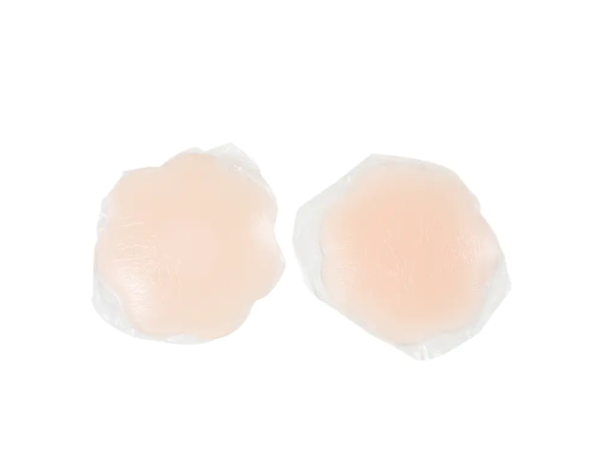
A product designed for everyday fashion may need different characteristics than one intended for stage costumes or active clothing. Some buyers focus on discreet colors and easy application. Others pay closer attention to flexibility, packaging, or the ability to develop a private-label product. Each requirement shapes the choice of materials and the way the finished tape gets designed.
Understanding these materials helps buyers communicate their needs more clearly. It also gives manufacturers a practical basis for adjusting product configurations without overlooking comfort, usability, or quality control along the way.
01 How Do Backing Materials Shape Boob Tape Configurations ?
The backing material forms the main body of boob tape. It supports the adhesive layer and shapes how the tape behaves when stretched, positioned, and worn under clothing.
Cotton is a common option because it carries a familiar textile feel and can provide decent flexibility. Depending on its construction, cotton-based tape may suit products designed to follow body contours closely. Its texture and ability to stretch depend on the fabric structure and whether other fibers get blended in.
Blended fabrics offer another route entirely. By combining different fibers, manufacturers can adjust the balance between softness, flexibility, and recovery. The resulting tape may be easier to handle during application or better suited to particular clothing styles. That said, the properties of any blend depend heavily on the fibers involved and how they're processed.
Some products use synthetic textile materials to achieve specific handling or performance characteristics. These materials may offer different levels of stretch, surface smoothness, and resistance to deformation. Their suitability really depends on the intended use rather than the material name alone.
The backing also shapes the visual appearance of the finished product. A textured surface may look different beneath thin clothing than a smoother one would. Fabric thickness and flexibility can influence whether the tape follows curves naturally or creates visible edges that show through.
| Backing material | Potential characteristics | Configuration considerations |
|---|---|---|
| Cotton-based fabric | Familiar textile feel and flexible construction | Fabric texture, stretch, and surface appearance |
| Blended fabric | Adjustable balance of softness and flexibility | Fiber composition and recovery behavior |
| Synthetic textile | Different options for smoothness and material response | Flexibility, handling, and intended application |
These categories stay fairly broad, worth noting. Two tapes made from similar fibers can behave quite differently because their fabric structures and manufacturing methods aren't the same. Buyers should therefore evaluate the finished product rather than select a configuration based only on the name of the backing material.
02 Why Does Adhesive Material Matter So Much?
The adhesive sits at the center of how boob tape actually functions. It affects how the tape attaches, how it responds to movement, and how it releases once the product gets removed.
Different adhesive formulations produce different bonding behavior. Some may get designed to provide a particular balance between initial attachment and continued contact. Others may get developed with removal behavior or skin-contact requirements front of mind. The appropriate choice depends on the product's intended use and the evidence available to support its claims.
Adhesion shouldn't get considered in isolation, though. The backing material, adhesive distribution, application method, and condition of the surface can all shape the result. An adhesive that performs well with one fabric construction may behave quite differently when paired with another.
This relationship becomes important when manufacturers develop several configurations under the same product line. A change in backing material may require the adhesive system to get reviewed from scratch. Likewise, swapping in a similar-looking adhesive doesn't guarantee the finished tape will perform the same way.
Skin contact adds another layer here. Boob tape gets applied directly to the body, so material suitability and user instructions deserve genuinely careful attention. A strong bond doesn't automatically mean a product is suitable for every skin type or every duration of wear.
Manufacturers need to assess the complete product and steer clear of unsupported claims about skin safety. Buyers should also ask how adhesive performance gets evaluated and what information backs up statements about comfort, wear, and removal.
For custom orders, adhesive selection should get discussed early in the process. If buyers request a different backing, color, or application purpose, the manufacturer may need to review the adhesive combination before confirming the final configuration.
03 How Do Stretch and Fabric Structure Affect Product Choices?
Boob tape often gets used with clothing that leaves the shoulders or back exposed. It needs to follow the body's shape while staying manageable during application. Stretch is therefore a genuinely important part of material selection.
The amount of stretch is only one piece of the puzzle. How the material stretches, whether it recovers after tension releases, and how it responds to repeated movement all matter to the user experience too.
A backing that's difficult to stretch may be harder to position around curved areas. A material that deforms too easily may not hold its intended shape throughout use. Manufacturers need to weigh these differences when matching fabric construction to a particular application.
Fabric structure also shapes how the adhesive layer behaves. An uneven or highly textured surface may interact with the adhesive quite differently from a smooth one. The relationship between the two layers can affect attachment and removal, so changing the fabric may call for further product evaluation.
These factors can lead to different configurations within a single product range. A manufacturer may offer options with different levels of flexibility, surface textures, or backing constructions to address different clothing styles and user preferences.
For buyers, it helps to describe the intended use rather than request a material by name alone. A tape intended for a fitted evening dress may carry different appearance and handling requirements than one intended for garments used during movement.
Testing samples under appropriate conditions can help buyers and manufacturers determine whether a proposed material combination actually suits the application. It also gives both sides a clearer basis for discussing changes before moving into larger production orders.
04 What Role Do Release Liners and Protective Layers Play?
The release liner is the layer covering the adhesive before use. It gets removed during application, sure, but its material can still influence storage, handling, and the ease of preparing the tape beforehand.
A liner needs to protect the adhesive while remaining practical to remove. If it separates with difficulty, users may find it harder to position the tape accurately. If it releases too easily during handling, the adhesive may become exposed before the product's even ready for use.
Paper-based liners and film-based liners offer different handling and packaging possibilities. The suitable option depends on the adhesive system, how the tape gets converted and packed, and the conditions it may encounter during storage and transportation.
Protective layers can shape the product's presentation too. A liner that separates cleanly may make the tape easier to handle during application. That said, the liner alone can't determine overall performance, since the backing and adhesive remain part of the same combined system.
Manufacturers should check whether a proposed liner actually works with the chosen adhesive. Changes to either material may affect how the layers separate or how the product behaves after storage.
Packaging decisions should follow this same logic. The tape needs protection throughout handling and distribution, and the package should preserve the product's condition until it's opened. Material selection ties into not just the tape itself but how it reaches the end user too.
05 How Do Color and Surface Treatments Influence Configurations?
Color is a visible part of boob tape configuration, but achieving a consistent appearance involves more than simply picking a shade off a color chart.
Manufacturers need to consider how color gets introduced into the backing material and whether the coloring process affects the finished fabric. The appearance may differ depending on the material, surface texture, and production method used. A color that looks consistent on one backing may show up differently on another entirely.
Common product ranges may include skin-tone shades, black, white, and other colors chosen for specific clothing styles. Skin-tone options can help users select tape that's less noticeable beneath certain garments. That said, skin tones vary enormously, so a limited color range may not suit every user out there.
Surface treatments can shape the final configuration too. They may affect the look, feel, or handling of the fabric. Any treatment used in a skin-contact product should get assessed for its suitability and how it interacts with the adhesive system.
Color changes can introduce additional production considerations as well. A manufacturer may need to check whether the new shade affects material consistency or requires changes to the production process. If a buyer requests several colors under one product line, samples should get reviewed under realistic lighting and with the intended clothing in mind.
For private-label orders, color approval is worth treating as part of product development rather than a minor packaging decision. Clear sample references and agreed appearance requirements can help reduce differences between the approved sample and later production runs.
06 Which Materials Influence Comfort and Skin Compatibility?
Comfort depends on several features working together, not any single one. The backing may feel soft, sure, but the adhesive, surface texture, flexibility, and removal process all contribute to the overall experience too.
Materials intended for skin contact need genuinely careful evaluation. Manufacturers can review supplier documentation, assess the composition of the materials, and determine whether additional testing makes sense. The assessment should consider the finished product rather than assume every component will behave the same way once combined together.
Individual skin responses vary a lot. A material that causes no obvious problem for one person may not suit another at all. Conditions like moisture, friction, application technique, and length of wear can all affect the experience too.
For this reason, manufacturers should avoid broad claims that a tape is suitable for everyone. Statements about sensitive skin, prolonged wear, or irritation resistance need evidence that actually supports the specific wording used. Product instructions should explain appropriate application and removal, and advise users to stop if discomfort or an adverse reaction shows up.
Comfort can also hinge on the backing's surface and flexibility. A stiff material may pull against the skin during movement, while a poorly matched adhesive may make removal uncomfortable. Testing these features together provides a far more useful picture than evaluating each material separately.
Buyers evaluating a supplier can ask what information is available about the adhesive and backing, how skin compatibility gets assessed, and whether the intended use is clearly defined. Such questions help establish whether the proposed configuration actually suits the product category.
07 How Do Material Choices Affect Packaging and Private-Label Orders?
Material selection doesn't stop at the tape itself. Packaging materials, labels, protective liners, and accessories can all shape the final product configuration too.
Retail products may require individual packaging that keeps the tape clean and makes the product easy to identify on a shelf. Wholesale orders may focus more on practical handling, storage, and distribution instead. Private-label projects can combine these needs with specific requirements for color, product presentation, and labeling.
The backing and adhesive should get considered alongside the packaging, not separately from it. A package needs to protect the tape under expected storage and transport conditions. If the packaging material interacts poorly with the product or fails to protect it adequately, the tape may arrive in a condition that differs from the approved sample.
Custom projects also open the door to material substitutions. A buyer may request a different fabric, adhesive, color, liner, or package during development. Each change should get reviewed for its effect on the complete product. A small adjustment can ripple across several features at once, including appearance, handling, and removal.
A clear development process helps avoid confusion down the line. Buyers and manufacturers can agree on the intended use, preferred backing, adhesive requirements, color options, liner type, packaging format, and relevant product checks before production even begins.
Samples prove useful during this stage, but sample approval shouldn't replace production controls entirely. The manufacturer still needs to confirm that materials used in regular production match the agreed requirements consistently.
08 What Should Buyers Consider When Comparing Boob Tape Materials?
Comparing products by price, color, or fabric name alone may not reveal whether a configuration actually fits the intended use. Buyers should look at the complete material combination and how it relates to product requirements overall.
A practical review can start with the following points:
- Intended application: Identify the clothing styles and use conditions the tape is expected to support.
- Backing construction: Review the material's flexibility, surface feel, and appearance beneath clothing.
- Adhesive behavior: Ask how attachment and removal get assessed and what evidence supports the stated use.
- Skin-contact considerations: Review available material information, relevant testing, and user instructions.
- Liner and packaging: Check whether the tape is protected during storage and easy to prepare for application.
- Consistency across orders: Confirm how material changes, color variations, and production differences get controlled.
The most suitable configuration depends on how these factors relate to one another. A fabric that works well for one application may not suit another at all, and an adhesive that performs as expected with one backing may need reassessment once the material changes.
Communication between buyers and manufacturers matters especially when developing customized products. Clear requirements help manufacturers select relevant materials and identify where additional testing may be needed. They also make it a lot easier to review samples and resolve differences before production moves forward.
For boob tape manufacturers, material selection stays an ongoing part of product development, not a one-time decision. Backing fabrics, adhesives, release liners, color treatments, and packaging each contribute to the finished configuration. Understanding how these elements interact helps buyers make more informed choices and gives manufacturers a clearer framework for developing products that genuinely match their intended applications.
Keep In Touch

No.455 New Town Development Road,Longgang City, Wenzhou City

 +86-0577-83728222
 +86-0577-837282222
Copyright © Wenzhou Anqi Medical Supplies Co., Ltd. All Rights Reserved.
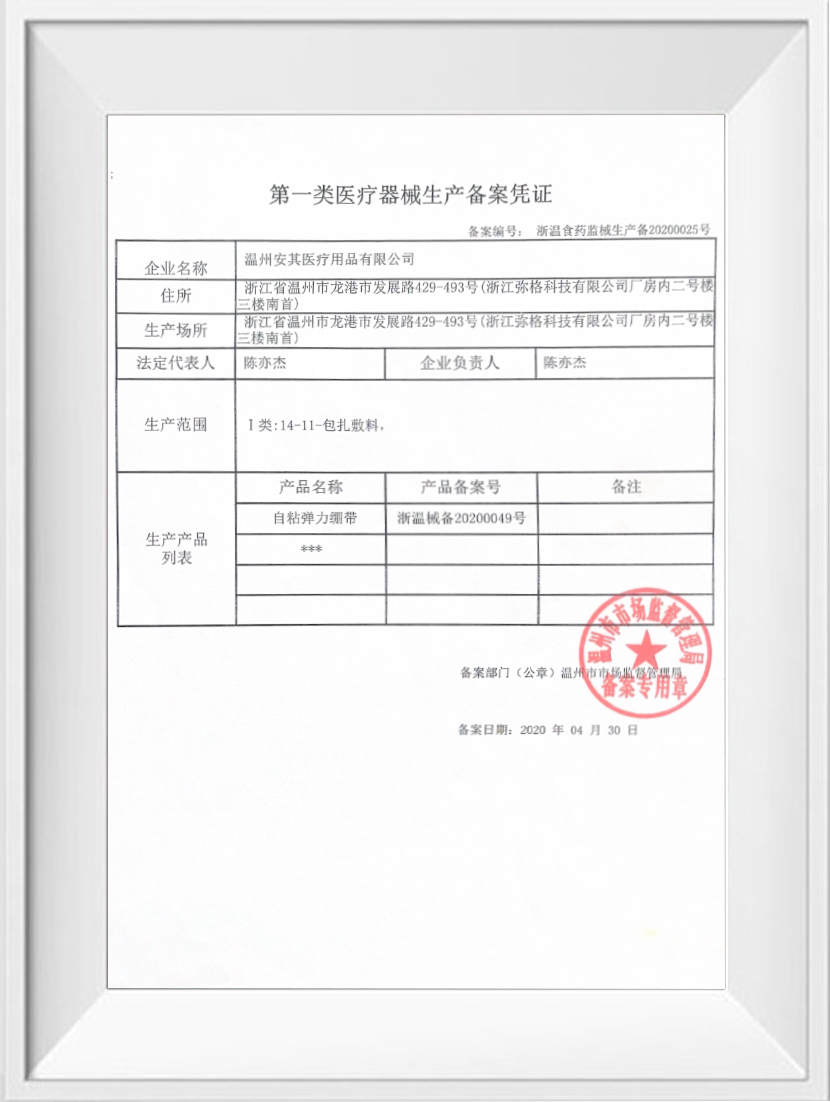
Approval No: Zhejiang Wenzhou Food and Drug Administration Machinery Production Filing No. 20200025
The information provided on this website is intended for use only in countries and jurisdictions outside of the People's Republic of China.
