
 English
 русский
 中文简体
中文简体 Español
 Deutsch
 عربى
عربى

Understanding the Market Popularity of Self-Adhesive Bandages
Content
Self-adhesive bandages, sometimes referred to as cohesive bandages or elastic wraps, are widely used in medical, sports, and home care settings. These bandages do not require clips, pins, or adhesives on the skin to stay in place, which contributes to their convenience and adaptability.
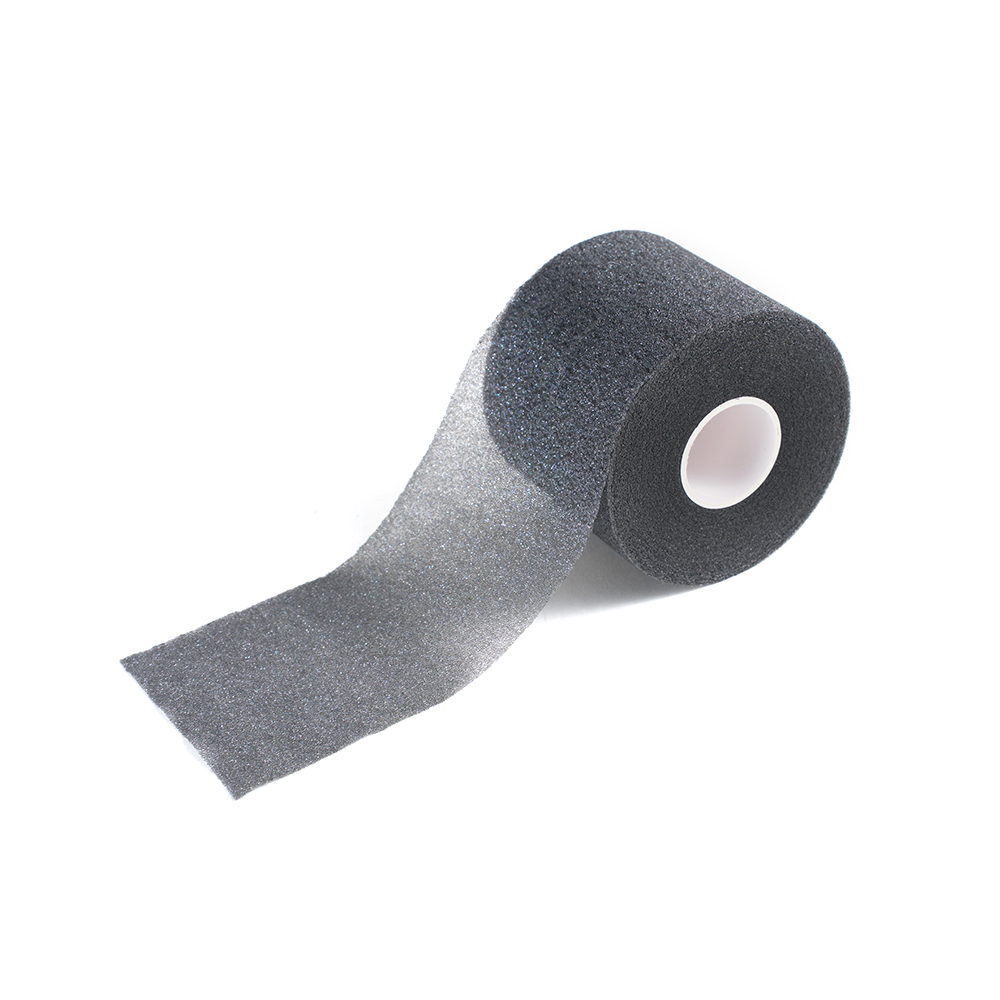
Function and Advantages of Self-Adhesive Bandages
Self-adhesive bandages serve several purposes in wound care and injury management. Their design provides specific benefits:
Compression and Support:
Helps reduce swelling and provides moderate support for sprains, strains, and minor injuries.
Often used in conjunction with other medical treatments or ice therapy.
Secure Fit:
Adheres to itself rather than the skin, reducing discomfort or skin irritation.
Stays in place during movement, making it suitable for joints like wrists, ankles, and knees.
Versatility:
Can be used on wounds, to secure dressings, or for muscle and joint support.
Available in different widths, lengths, and elasticities to match specific needs.
Reusable Application:
Can be repositioned during application without losing its cohesive property.
Allows for consistent compression over multiple uses if properly maintained.
These functions contribute to the overall practicality of self-adhesive bandages, making them a common choice for both medical professionals and home users.
Types of Self-Adhesive Bandages
The market for self-adhesive bandages includes several variations tailored to specific uses:
Elastic Cohesive Bandages:
Provide stretchable support for joints and muscles.
Commonly used in sports medicine for minor sprains and strains.
Non-Woven Self-Adhesive Bandages:
Lightweight and breathable, suitable for sensitive skin.
Often used to secure dressings without applying adhesive to the skin.
Colored or Printed Bandages:
Designed for consumer appeal, particularly in children's products.
Can serve a functional purpose while increasing user compliance.
Specialty Medical Bandages:
May include antimicrobial properties or added padding.
Intended for wound care in clinical or home settings where hygiene is a priority.
This variety allows consumers and professionals to select the suitable bandage based on the injury type, patient age, or specific activity.
Factors Contributing to Market Popularity
Several practical and economic factors support the widespread use of self-adhesive bandages:
Ease of Use:
No adhesive on skin reduces application difficulty.
Can be applied quickly without professional assistance.
Mobility Support:
Allows users to maintain mobility while providing compression and stability.
Particularly useful for athletes, outdoor enthusiasts, and physical therapy patients.
Affordability and Accessibility:
Available at pharmacies, online stores, and medical supply outlets.
Generally priced reasonably, making them accessible to a broad audience.
Low Maintenance:
Minimal care required beyond keeping the bandage clean.
Durable enough to remain effective during multiple hours of use.
Consumer Awareness:
Information on proper use is widely available through product packaging, online resources, and medical advice.
These factors make self-adhesive bandages a consistent option in both personal and professional healthcare markets.
Considerations for Use
While self-adhesive bandages are convenient, users should follow some basic guidelines to ensure safety and effectiveness:
Proper Tension:
Avoid wrapping too tightly, which may restrict blood flow.
Ensure even compression along the injured area.
Clean Application Area:
Skin should be clean and dry to prevent contamination or slipping of dressings.
Regular Monitoring:
Check circulation and comfort, especially in children or elderly patients.
Replace or adjust the bandage if it loosens or becomes soiled.
Appropriate Bandage Selection:
Choose width, elasticity, and type according to the injury site and activity level.
Following these considerations helps maximize the safety and effectiveness of self-adhesive bandages while maintaining their practical advantages.
Keep In Touch

No.455 New Town Development Road,Longgang City, Wenzhou City

 +86-0577-83728222
 +86-0577-837282222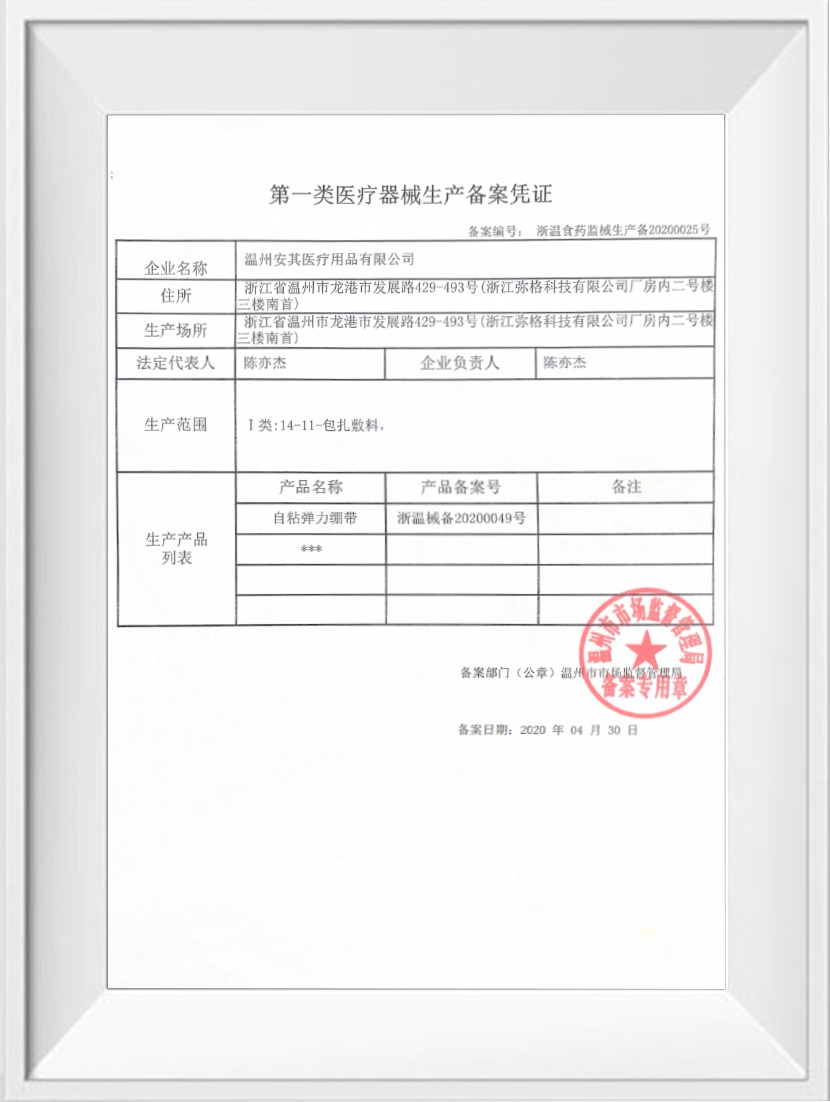
Copyright © Wenzhou Anqi Medical Supplies Co., Ltd. All Rights Reserved.
Approval No: Zhejiang Wenzhou Food and Drug Administration Machinery Production Filing No. 20200025
The information provided on this website is intended for use only in countries and jurisdictions outside of the People's Republic of China.
