
 English
 русский
 中文简体
中文简体 Español
 Deutsch
 عربى
عربى

What Exactly Is Cotton Sport Tape Made Of?
Content
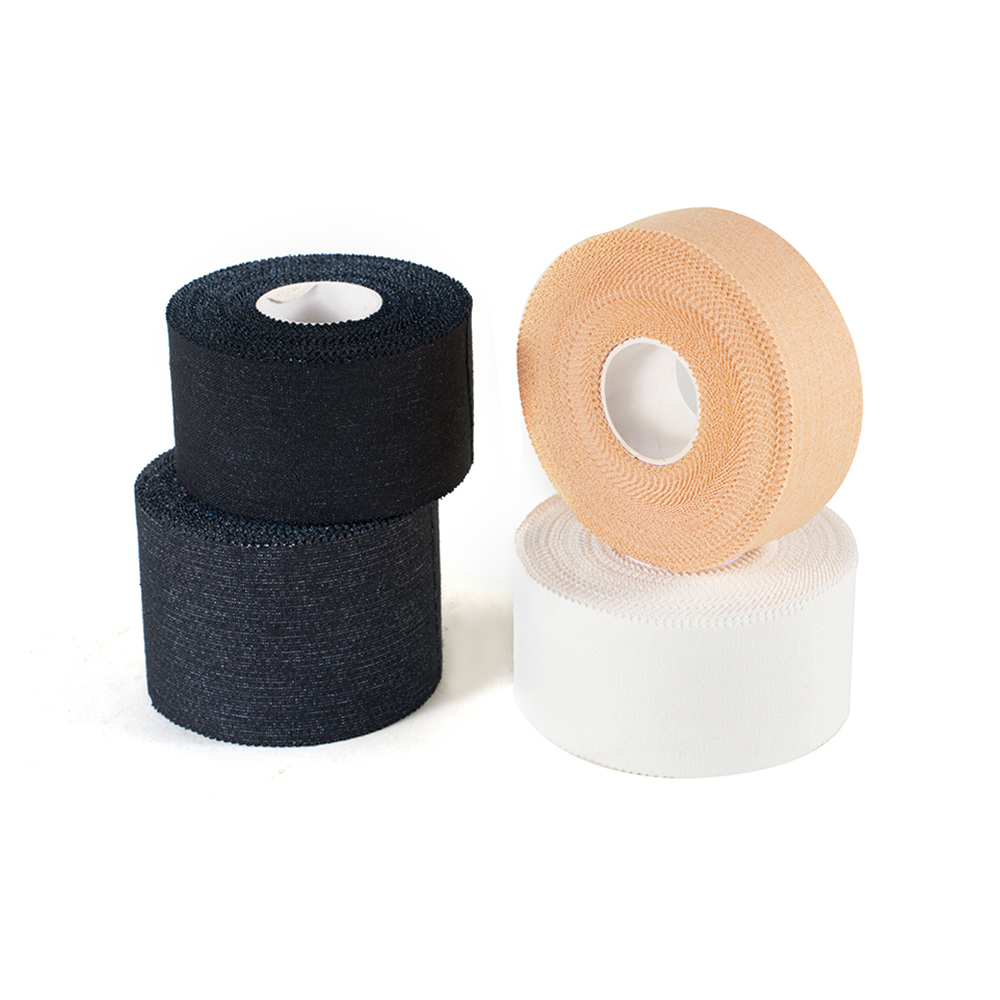
Cotton sport tape is a ubiquitous item in athletic training rooms, physiotherapy clinics, and the bags of weekend warriors. Its distinctive appearance—often white or beige—and its characteristic tearing sound are familiar to anyone involved in sports or physical activity. Despite its common usage, many users have questions about what this tape is made of, how it differs from other tapes, and how to use it effectively.
What Exactly Is Cotton Sport Tape Made Of?
Understanding the composition of cotton sport tape helps users appreciate its specific characteristics and why it performs differently from other adhesive tapes.
The Fabric Base: Cotton
The primary component is high-quality cotton fabric. This is not the same as the cotton used in clothing; it is a specialized, closely woven fabric designed for strength and consistency.
The cotton is typically bleached to achieve the characteristic white color, though unbleached varieties are also available for those seeking a more natural product.
The weave is important. Most cotton sport tapes use a long-fiber cotton woven in a plain or twill pattern that provides strength in the longitudinal direction while allowing for some conformability. This weave also enables the user to tear the tape by hand cleanly in one direction.
The Adhesive: Zinc Oxide
The defining feature of traditional cotton sport tape is the adhesive. It is impregnated with zinc oxide, a white powder that serves multiple functions.
Zinc oxide provides the tackiness that allows the tape to adhere firmly to skin and remain in place during athletic activity.
It also acts as a mild astringent and has skin-protective properties. Historically, zinc oxide has been used in various skin preparations for its soothing qualities, which is beneficial when tape must be worn for extended periods.
The adhesive is typically applied as a uniform coating that penetrates the cotton weave, ensuring that the entire surface area contributes to the bond.
The Release Coating
Cotton sport tape is wound tightly on a spool. To prevent the adhesive from sticking to the next layer of tape, a release coating is applied to the back of the fabric.
This coating is usually a starch-based or synthetic compound that allows the tape to unwind smoothly without excessive force.
The presence of this release coating means that the outer surface of applied tape has a slightly different texture than the inner surface, which is a normal characteristic of the product.
How Does Cotton Sport Tape Differ from Elastic and Kinesiology Tape?
Many consumers encounter confusion when faced with multiple types of tape in athletic settings. Cotton sport tape serves a distinct purpose from its elastic counterparts.
|
Feature |
Cotton Sport Tape (Zinc Oxide) |
Elastic Adhesive Bandage |
Kinesiology Tape |
|
Stretch Properties |
Minimal to no stretch; non-elastic |
Significant stretch in all directions |
Stretches longitudinally, typically 30-40% |
|
Primary Material |
cotton fabric |
Cotton or synthetic blend with elastic threads |
Cotton and spandex blend |
|
Adhesive Type |
Zinc oxide (throughout fabric) |
Latex or acrylic (coated) |
Medical-grade acrylic (wave pattern) |
|
Main Function |
Joint support, compression, immobilization |
Compression, wound dressing, light support |
Muscle facilitation, pain relief, edema management |
|
Application Tension |
Applied with minimal stretch |
Applied with moderate, even stretch |
Applied with specific stretch based on purpose |
|
Tearing Method |
Tears easily by hand in one direction |
Usually requires scissors |
Tears easily by hand in both directions |
|
Breathability |
Moderate |
Moderate to low |
High |
The fundamental difference lies in purpose. Cotton sport tape is designed to restrict movement and provide rigid support. When applied correctly, it limits the range of motion in a joint, acting as an external ligament or tendon support. Elastic tapes, by contrast, are designed to allow movement while providing compression or sensory feedback.
How Should Cotton Sport Tape Be Applied Correctly?
Proper application technique is essential for cotton sport tape to function as intended. Incorrect application can bring about ineffective support, skin irritation, or even injury.
Skin Preparation:
The skin should be clean and dry. Oils, lotions, and moisture prevent proper adhesion.
For athletes with sensitive skin or those requiring repeated taping, a pre-tape underwrap can be applied first. This thin foam layer protects the skin from the adhesive while still allowing the tape to provide support.
Body hair in the application area may need to be removed or at least minimized, as tape adhering to hair can cause significant discomfort during removal.
Application Technique:
Anchor Points: Begin by applying strips of tape without stretch above and below the area to be supported. These anchors provide a stable base.
Support Strips: Apply the primary support strips according to the specific joint or muscle being taped. For ankle support, this typically involves stirrups and figure-eight patterns. For thumb or finger support, simpler spiral wraps may suffice.
Tension: Cotton sport tape should be applied with consistent, moderate tension but not so tight that it compromises circulation. The tape should conform to the body contours without creating wrinkles that can cause blisters.
Overlap: When applying multiple layers, each strip should overlap the previous one by approximately half its width to ensure uniform support and prevent gaps.
Post-Application Checks:
After taping, check for signs of excessive tightness, such as numbness, tingling, or discoloration of the skin beyond the tape.
The athlete should be able to move the joint through its intended range of motion, though that range will be restricted.
The tape should feel secure without causing discomfort during movement.
How Should Cotton Sport Tape Be Removed and Stored?
Proper removal and storage practices extend the life of the product and protect the user's skin.
Removal Techniques:
Cotton sport tape should be removed immediately after activity. Wearing it for extended periods can bring about skin maceration and increased discomfort during removal.
Removal tools: Specialized tape cutters or bandage scissors with a blunt, angled tip are designed to slide under the tape without cutting the skin. These are the safest option.
Direction: Remove the tape by pulling it back on itself parallel to the skin, rather than pulling outward. This technique is less painful and reduces skin trauma.
Adhesive remover: For residual adhesive or for sensitive skin, commercial adhesive remover wipes or baby oil can be used to dissolve the zinc oxide adhesive gently.
Storage Considerations:
Cotton sport tape should be stored in a cool, dry place. Heat and humidity can degrade both the adhesive and the cotton fibers over time.
Avoid direct sunlight: UV radiation can break down the adhesive and cause the tape to become brittle.
Sealed containers: Once opened, storing the tape in a sealed plastic bag can help maintain its moisture balance and prevent it from drying out.
Shelf life: Most cotton sport tapes have a shelf life of several years when stored properly, but checking the manufacturer's expiration date is advisable, as old tape may not adhere effectively.
What Are the Common Applications for Cotton Sport Tape?
Cotton sport tape has numerous uses beyond basic joint support, which accounts for its enduring popularity in athletic and clinical settings.
Joint Stabilization:
The most common application is providing external support to vulnerable joints. Ankle taping is perhaps the most frequent use, helping to prevent inversion sprains in sports like basketball and soccer.
Thumb and finger taping protects against sprains and allows athletes with minor injuries to continue participating safely.
Wrist taping provides support for activities involving heavy lifting or repetitive motion.
Protection and Prevention:
Athletes often use cotton tape to protect areas prone to blisters or friction. For example, rowers may tape their hands, and gymnasts may tape their palms.
Tape can be used to secure padding or protective equipment in place, ensuring that it does not shift during activity.
Proprioceptive Feedback:
Even without providing significant mechanical support, the presence of tape provides sensory input that can remind the athlete to maintain proper form or avoid putting a joint at risk.
Keep In Touch

No.455 New Town Development Road,Longgang City, Wenzhou City

 +86-0577-83728222
 +86-0577-837282222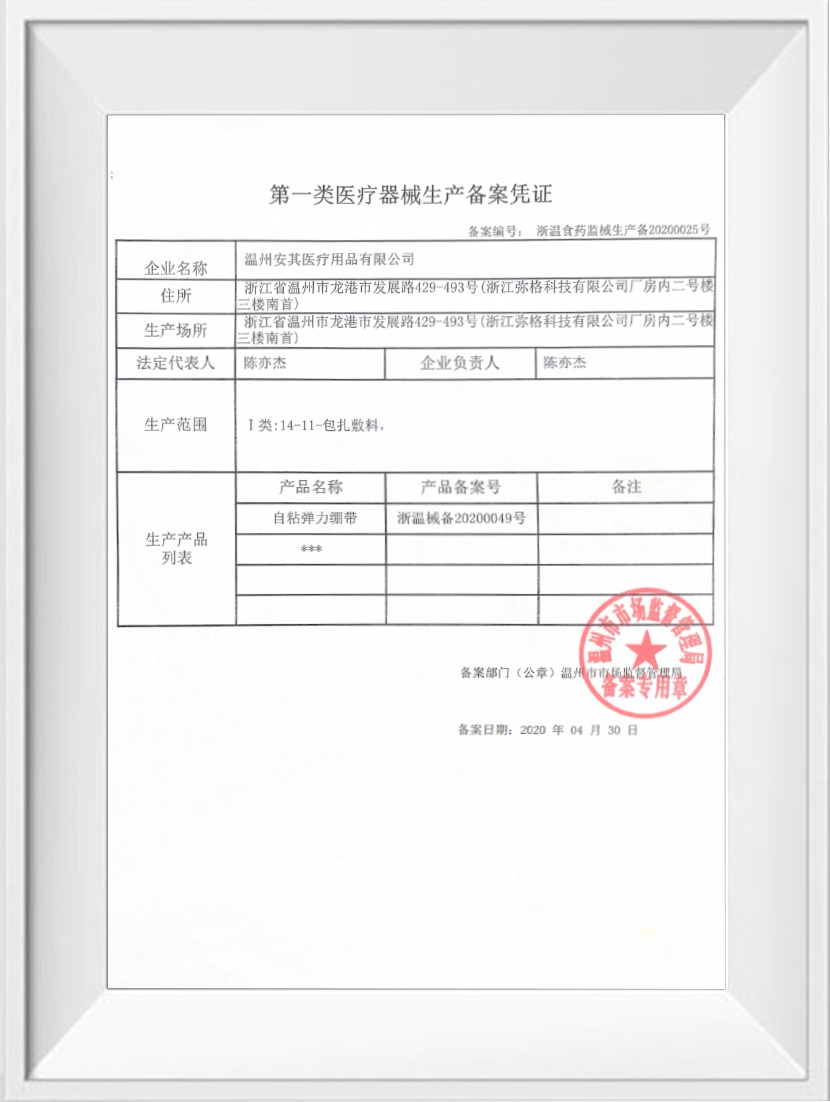
Copyright © Wenzhou Anqi Medical Supplies Co., Ltd. All Rights Reserved.
Approval No: Zhejiang Wenzhou Food and Drug Administration Machinery Production Filing No. 20200025
The information provided on this website is intended for use only in countries and jurisdictions outside of the People's Republic of China.
