
 English
 русский
 中文简体
中文简体 Español
 Deutsch
 عربى
عربى

Holding It Together: What Materials Are Used in Adhesive Body Tape?
Adhesive body tape has emerged as a practical solution for various needs, from securing clothing and enhancing fashion looks to providing support in medical and athletic contexts. Despite its simple appearance, this product represents a careful combination of materials science and human physiology. The tapes available on the market today differ significantly in their composition, each designed for specific applications, skin types, and performance requirements.
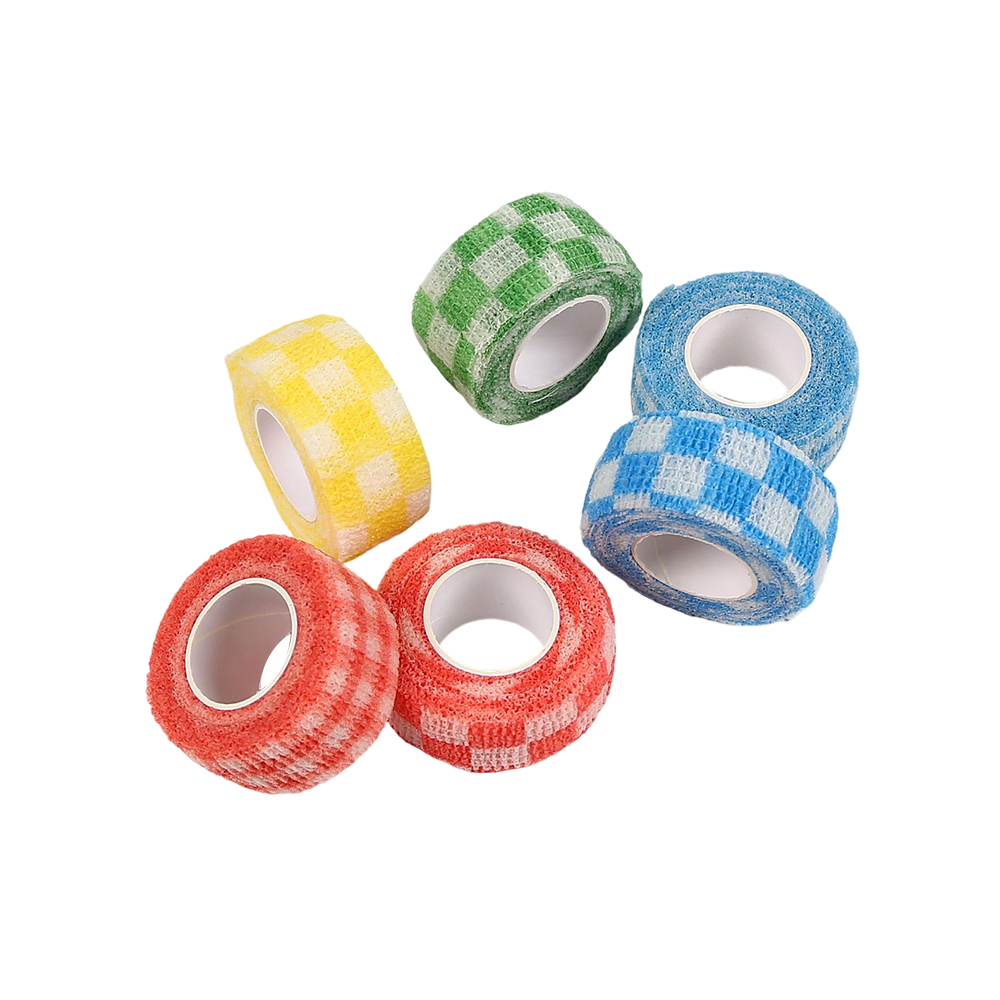
The Substrate: The Fabric Base
The foundation of any body tape is the material that provides its structure, flexibility, and strength. This substrate layer must be thin enough to remain discreet under clothing yet durable enough to perform its holding function without tearing or irritating the skin.
Cotton and Natural Fiber Blends:
Many traditional medical and sports tapes use cotton as the primary substrate. Cotton is breathable, hypoallergenic for most users, and comfortable against the skin.
It is often woven in a specific pattern to allow for tearing by hand without scissors, a feature valued in athletic settings.
Some tapes combine cotton with rayon or other natural-derived fibers to improve drape and conformability around curved body surfaces.
Synthetic Fabrics:
Polyester and nylon are common in modern fashion and specialty body tapes. These synthetic materials offer high tensile strength in thin profiles, making them ideal for discreet use under revealing clothing.
Synthetic substrates can be engineered to stretch in one or two directions. Spandex or elastane is frequently blended into these fabrics to provide significant elasticity, allowing the tape to move with the body without restricting circulation or comfort.
Non-woven synthetic materials, similar to those used in some medical dressings, are also used. These are made by bonding polyester or polypropylene fibers together rather than weaving them, creating a soft, paper-like texture that is gentle on sensitive skin.
Silicone-Based Films:
A more recent development involves transparent silicone sheets as the substrate. These are not fabrics in the traditional sense but solid, flexible films.
Silicone substrates are valued for their complete transparency, making them invisible under any clothing color. They are also inherently hypoallergenic and can be washed and reused multiple times, which is a differentiating factor from single-use fabric tapes.
The Adhesive: The Bonding Agent
The adhesive is the functional heart of body tape. Its composition determines how well the tape sticks, how long it stays in place, how easily it removes, and its potential to cause skin reactions. The choice of adhesive is a balance between holding power and gentleness.
Acrylic Adhesives:
Medical-grade acrylic adhesives are among the most common in body tapes intended for longer wear. They are typically applied as a coating directly onto the fabric substrate.
Acrylics offer good initial tack (stickiness) that increases slightly over time as they warm to body temperature. They are generally resistant to moisture from sweat or light water exposure.
These adhesives are formulated to be porous, allowing the skin to breathe. They are less likely to leave a sticky residue upon removal compared to some other adhesive types.
Silicone Adhesives:
Silicone gel adhesives are frequently used for the most sensitive skin types, including for patients with fragile skin or those requiring repeated tape applications.
Silicone adhesives do not adhere to the moist cells of the skin's surface but rather form a gentle, secure bond with the dry, outer layer. This mechanism is often described as "skin-friendly."
They are uniquely gentle during removal, significantly reducing pain and the risk of skin stripping (tearing the top layer of skin). Silicone adhesives are also chemically inert and do not typically cause allergic reactions.
Rubber-Based Adhesives (Natural and Synthetic):
Natural rubber latex provides very high immediate tack and strong holding power. It is often found in heavy-duty sports tapes and some first-aid products.
However, natural latex is a common allergen. Individuals with latex sensitivity can experience contact dermatitis, ranging from mild redness to severe blistering.
Synthetic rubber adhesives (such as polyisobutylene or styrene-based block copolymers) were developed to mimic the tackiness of natural rubber without the allergenic proteins. They provide strong adhesion and are often used in tapes requiring a waterproof seal.
Release Liners and Additional Components
Beyond the fabric and adhesive, body tape products include functional components that protect the product before use and may add specific performance characteristics.
Release Liners:
Most body tapes are manufactured with a release liner covering the adhesive layer. This protective sheet prevents the tape from sticking to itself during storage and keeps the adhesive clean and uncontaminated.
Release liners are typically made from paper coated with a silicone release agent or from plastic films like polyester. The silicone coating ensures the liner peels away cleanly without transferring to the adhesive or affecting its stickiness.
The choice between paper and plastic liners often depends on the manufacturing process and the desired stiffness needed for easy application.
Backing Coatings and Treatments:
Some fabric-based tapes receive a backing treatment on the side opposite the adhesive. This might be a low-tack coating that allows the tape to unwind easily from the roll.
Water-repellent coatings may be applied to the outer fabric surface to prevent the tape from becoming saturated and losing adhesion in wet conditions, such as during swimming or heavy sweating.
Market Variations and Considerations
The materials used in adhesive body tape bring about distinct product categories, each suited to different purposes and price points. Consumers encounter this variety when shopping for fashion tape, medical tape, or kinesiology tape.
Fashion Body Tape: This category prioritizes discretion and temporary hold. It often uses acrylic adhesives on thin, clear polyester or silicone substrates. The focus is on securing necklines or preventing wardrobe malfunctions for several hours. These tapes are designed for single use and easy removal without damaging delicate fabrics.
Medical and Surgical Tape: These products prioritize safety and skin integrity. They commonly use paper or non-woven rayon substrates with hypoallergenic acrylic or silicone adhesives. They are designed to secure dressings or devices for extended periods and must be porous to allow skin respiration and wound monitoring.
Kinesiology Tape: Popular in sports and physical therapy, this tape requires specific mechanical properties. The substrate is typically a cotton and spandex blend with a medical-grade acrylic adhesive applied in a wave-like pattern. This construction allows the tape to stretch longitudinally while providing a lifting effect on the skin, which is the basis for its therapeutic use.
Keep In Touch

No.455 New Town Development Road,Longgang City, Wenzhou City

 +86-0577-83728222
 +86-0577-837282222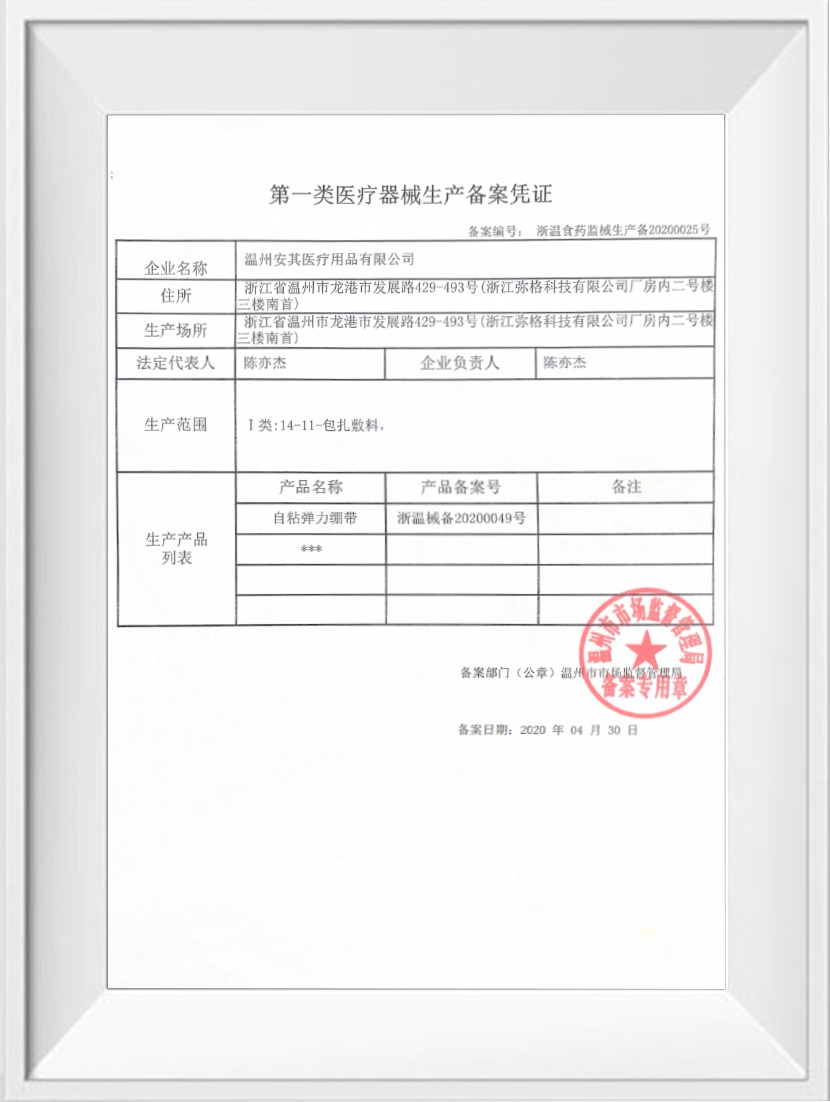
Copyright © Wenzhou Anqi Medical Supplies Co., Ltd. All Rights Reserved.
Approval No: Zhejiang Wenzhou Food and Drug Administration Machinery Production Filing No. 20200025
The information provided on this website is intended for use only in countries and jurisdictions outside of the People's Republic of China.
