
 English
 русский
 中文简体
中文简体 Español
 Deutsch
 عربى
عربى

How Does Precut Kinesiology Tape for the Knee Work?
Content
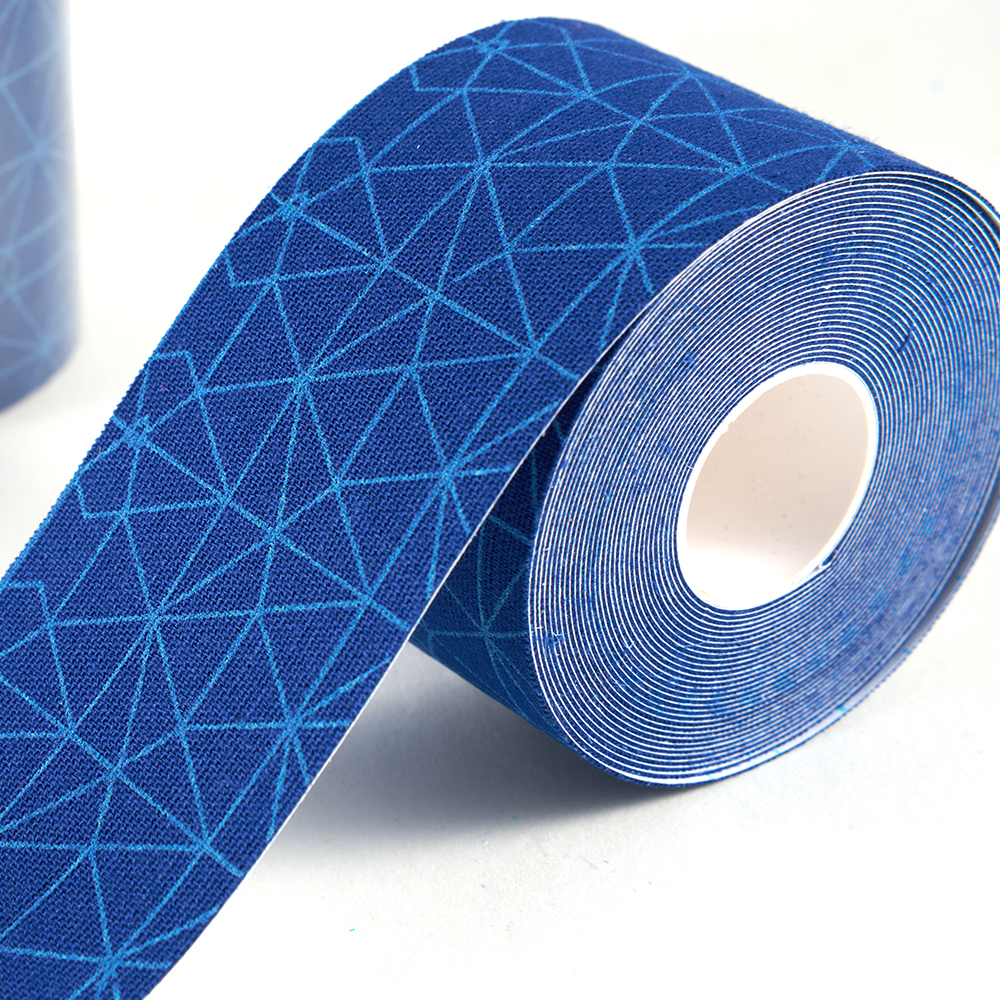
Precut kinesiology tape is designed to help reduce knee pain, support joint mobility, and assist in recovery from strains, sprains, and other knee-related issues. Here's how it works:
· Lifting the Skin:
Kinesiology tape is applied directly over the affected area, with the goal of gently lifting the skin. This lifting action creates space between the skin and underlying tissues, which can help improve circulation and reduce swelling. As a result, this action helps to promote natural healing and reduces the pressure on the injured muscles or joints.
· Stimulation of Receptors:
The tape also stimulates receptors in the skin, which may assist in pain relief. The tactile feedback provided by the tape encourages the body to respond by releasing endorphins, which are natural painkillers.
· Support without Restricting Movement:
Unlike traditional bandages or braces, kinesiology tape provides support while still allowing full movement. This flexibility is crucial for individuals who need to continue engaging in daily activities or exercise while recovering from a knee injury.
What Are the Benefits of Using Precut Kinesiology Tape for the Knee?
Precut kinesiology tape for the knee offers several potential benefits, especially for people who are recovering from knee injuries or managing chronic conditions. Below are some of the main benefits:
· Pain Relief:
Many users report experiencing relief from knee pain, particularly those recovering from strains, sprains, or patellar tendinitis. The tape's ability to reduce pressure on the joint and improve circulation contributes to less discomfort.
· Increased Mobility:
One of the key features of kinesiology tape is its ability to provide support without restricting movement. This helps individuals maintain an active lifestyle while promoting recovery. It can be especially beneficial for athletes or people who need to continue moving despite knee injuries.
· Reduced Swelling and Inflammation:
Precut kinesiology tape can assist in reducing swelling and inflammation in the knee area. By lifting the skin and improving circulation, the tape facilitates the drainage of fluids, which can help speed up recovery and reduce stiffness.
How Do I Apply Precut Kinesiology Tape for the Knee?
Proper application of precut kinesiology tape is essential for achieving the desired results. Here's how to apply the tape for optimal effectiveness:
· Clean and Dry the Skin:
Before applying the tape, make sure that the knee area is clean and dry. Remove any oils, lotions, or dirt from the skin, as these can interfere with the adhesive and reduce the tape's effectiveness.
· Peel and Position the Tape:
Precut kinesiology tape is designed to fit specific parts of the knee. Start by peeling the backing off the tape. Position the tape according to the guidelines that come with the product or based on the area of the knee you wish to target.
· Apply the Tape with Stretch:
When applying the tape, it's important to apply it with a certain amount of stretch. The tape should not be stretched too tightly, but it should provide a supportive tension over the affected area. Be mindful of the type of injury, as the amount of stretch may vary.
· Smooth and Secure the Tape:
After positioning the tape, gently smooth it out to remove any air bubbles or wrinkles. This will help the tape adhere securely and prevent it from peeling off prematurely. It's also recommended to rub the tape once applied to activate the adhesive and ensure a firm bond.
Can Precut Kinesiology Tape Be Used for Other Knee Conditions?
While precut kinesiology tape is most commonly used for knee injuries such as sprains, strains, and tendinitis, it can also be useful for other knee-related conditions. Some of the common conditions that may benefit from the use of kinesiology tape include:
· Patellofemoral Pain Syndrome:
Often referred to as “runner's knee,” this condition is caused by pain around the kneecap. Kinesiology tape can help provide support and reduce the strain on the patella, aiding in pain relief and improving movement.
· Osteoarthritis:
For individuals with knee osteoarthritis, kinesiology tape can help alleviate discomfort by supporting the joint and reducing the impact of everyday movements. This can help individuals manage their condition without the need for more invasive treatments.
· Knee Surgery Recovery:
After knee surgery, kinesiology tape can aid in recovery by reducing swelling and promoting circulation to the affected area. It can also provide light support to help prevent strain on the healing tissues.
· Chronic Knee Pain:
For those with chronic knee pain, kinesiology tape may offer a non-invasive way to manage symptoms. It can provide continued support while allowing for improved mobility.
Keep In Touch

No.455 New Town Development Road,Longgang City, Wenzhou City

 +86-0577-83728222
 +86-0577-837282222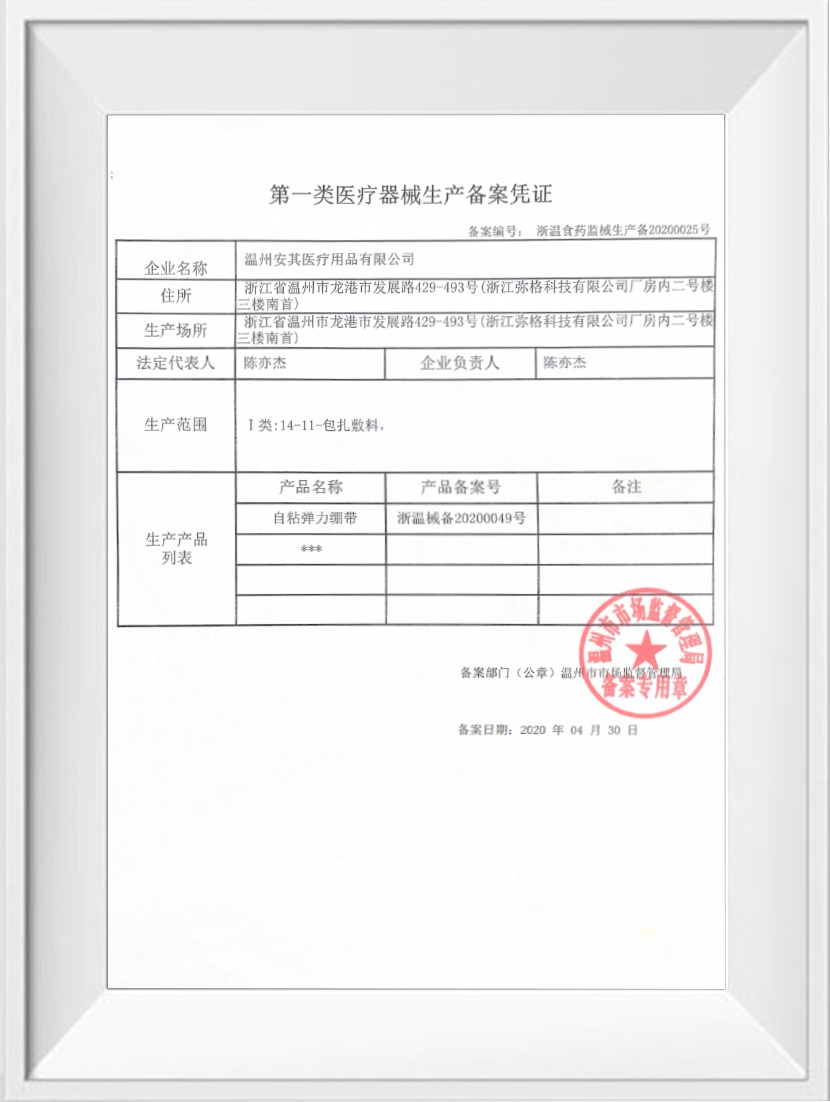
Copyright © Wenzhou Anqi Medical Supplies Co., Ltd. All Rights Reserved.
Approval No: Zhejiang Wenzhou Food and Drug Administration Machinery Production Filing No. 20200025
The information provided on this website is intended for use only in countries and jurisdictions outside of the People's Republic of China.
