
 English
 русский
 中文简体
中文简体 Español
 Deutsch
 عربى
عربى

Cotton Sport Tape – Material Properties and User Considerations
Content
What Material and Structural Properties Define Cotton Sport Tape?
Cotton sport tape consists of a woven cotton fabric backing coated with a pressure-sensitive adhesive. The fabric is typically made from 100% cotton yarns in a plain weave or leno weave pattern. Key material specifications vary by manufacturer and intended use.
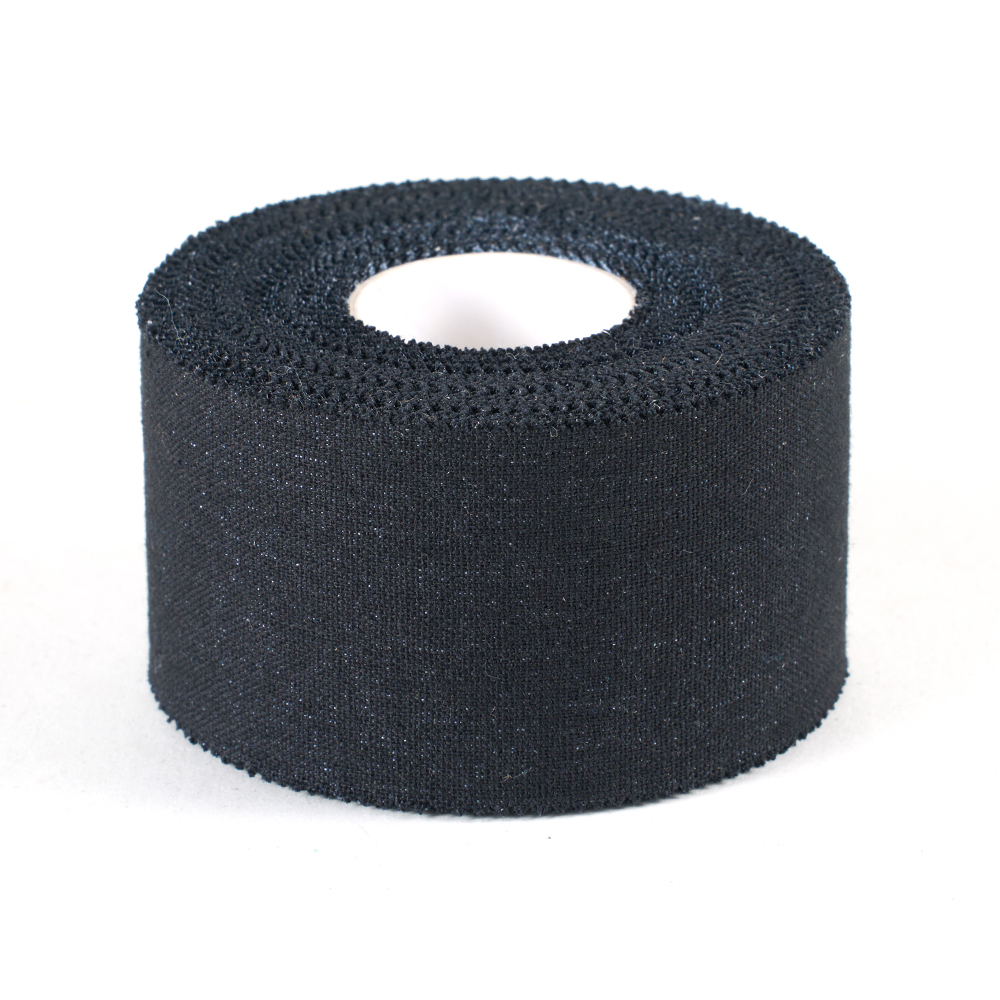
Fabric backing characteristics:
- Yarn count: 40 to 80 threads per inch in the warp direction; 30 to 60 threads per inch in the weft direction
- Fabric thickness: 0.30 to 0.55 mm before adhesive application
- Tensile strength: 30 to 60 N per 25 mm width (measured by ASTM D3759)
- Elongation at break: 8% to 15% (low-stretch compared to elastic wraps, which exceed 100%)
- Porosity: Air permeability ranging from 50 to 200 cm³/cm²/sec, allowing skin moisture evaporation
Adhesive layer properties:
The adhesive is usually natural rubber-based with zinc oxide added as a filler and a mild astringent. Zinc oxide content ranges from 5% to 20% of the adhesive dry weight. Synthetic adhesives (acrylic or polyurethane) appear in hypoallergenic versions but provide lower initial tack.
Roll dimensions and packaging:
Cotton sport tape is wound onto plastic or cardboard cores (25 mm or 38 mm inner diameter). Common roll widths include 12 mm, 19 mm, 25 mm, 38 mm, 50 mm, and 75 mm. Roll lengths typically range from 5 meters to 13.5 meters. Perforated rolls have cross-direction cuts every 50 to 100 mm, allowing tearing without scissors.
Adhesive Performance and Skin Interaction
The adhesive system of cotton sport tape must balance three competing requirements: sufficient initial tack to stay in place during sport activity, prolonged adhesion over 30 to 90 minutes of sweating, and clean removal without skin stripping.
Adhesion values (typical range):
|
Test Method |
Condition |
Adhesion Value (N/25 mm width) |
|
ASTM D3330 (180° peel, stainless steel) |
Room temperature, dry |
5–10 |
|
ASTM D3330 (180° peel, stainless steel) |
After 30 min at 37°C, 90% RH |
6–12 |
|
Skin adhesion (human forearm, 2 hours) |
Light activity |
2–4 |
|
Skin adhesion (human forearm, 2 hours) |
Heavy sweating |
1.5–3 |
Skin irritation potential:
Natural rubber latex is present in many cotton sport tapes. Latex allergy prevalence in the general population is 1% to 6%. For individuals with latex sensitivity, symptoms include redness, itching, and blistering under the tape. Latex-free alternatives use synthetic polyisoprene or acrylic adhesives. Zinc oxide itself rarely causes contact dermatitis, but some users experience irritation from the rubber accelerators (thiurams, carbamates) used in adhesive manufacturing.
Removal considerations:
Removal force increases when tape has been in place for more than 4 hours due to adhesive flow into skin microcrevices. Using an adhesive remover spray (containing silicone or isopropyl myristate) reduces peak removal force from 3–5 N/25 mm to 1–2 N/25 mm. Removing tape without remover should follow hair growth direction at an angle of 135° to 165° (pulling nearly parallel to skin surface), not 90° (pulling straight up).
Application Techniques and Mechanical Functions
Cotton sport tape serves three primary mechanical functions when applied correctly: joint immobilization, proprioceptive reinforcement, and blister prevention.
Proprioceptive reinforcement:
Unlike rigid splints, cotton sport tape provides cutaneous feedback when the joint approaches end range. The tape tension (typically 10–20% of its breaking strength) creates shear force on skin receptors. Users report feeling "tape tension warning" before reaching ligamentous end range. This effect diminishes after 15 to 30 minutes as tape relaxes and skin adapts.
Blister prevention:
Cotton tape applied over friction-prone areas (heels, toes, palms) reduces shear forces between skin and equipment. The tape acts as a sacrificial layer, abrading instead of skin. For blister prevention, tape is applied without tension directly over clean, dry skin. A single layer of cotton tape reduces coefficient of friction against sock or shoe lining from 0.6–0.8 (skin on fabric) to 0.3–0.5 (tape on fabric).
Practical User Considerations: Storage, Cost, and Alternatives
Shelf life and storage conditions:
Cotton sport tape has a usable shelf life of 12 to 24 months from manufacture when stored properly. Heat above 40°C causes adhesive to soften and migrate into the fabric backing, reducing tack. Humidity above 70% causes cotton fibers to absorb moisture, leading to adhesive hydrolysis and roll stiffness. Recommended storage conditions are 15°C to 25°C and 40% to 60% relative humidity. Tapes stored in car trunks or gym bags during summer may degrade within 30 days.
Limitations compared to alternatives:
Compared to elastic bandages: Cotton tape cannot accommodate muscle swelling during exercise
Compared to kinesiology tape: Cotton tape does not provide sensory facilitation or lymphatic drainage effects
Compared to cohesive bandages: Cotton tape requires scissors for cutting (unless perforated) and sticks to itself aggressively
Compared to pre-wrap foam: Cotton tape applied directly to skin causes more hair pulling during removal
Keep In Touch

No.455 New Town Development Road,Longgang City, Wenzhou City

 +86-0577-83728222
 +86-0577-837282222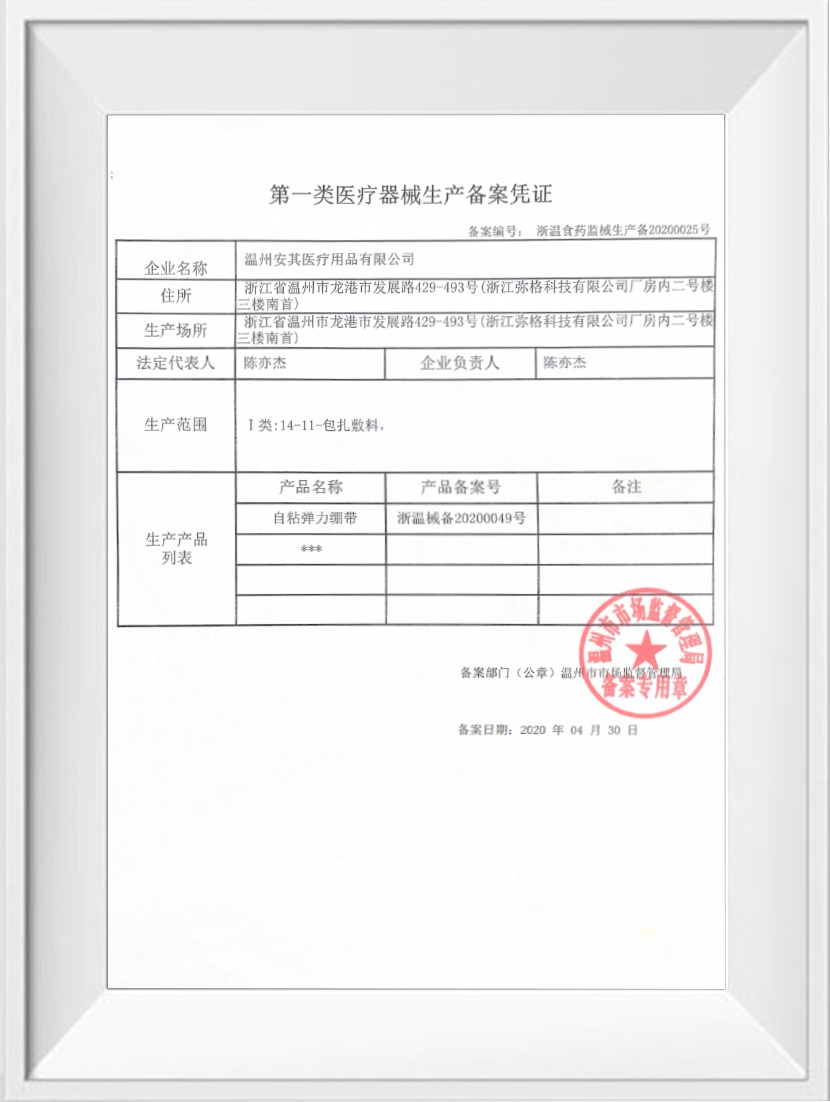
Copyright © Wenzhou Anqi Medical Supplies Co., Ltd. All Rights Reserved.
Approval No: Zhejiang Wenzhou Food and Drug Administration Machinery Production Filing No. 20200025
The information provided on this website is intended for use only in countries and jurisdictions outside of the People's Republic of China.
