
 English
 русский
 中文简体
中文简体 Español
 Deutsch
 عربى
عربى

Proper Usage and Protective Applications of Sports Adhesive Tapes
Content
How to Correctly Use Sports Adhesive Tapes for Better Support
Skin Preparation Before Tape Application
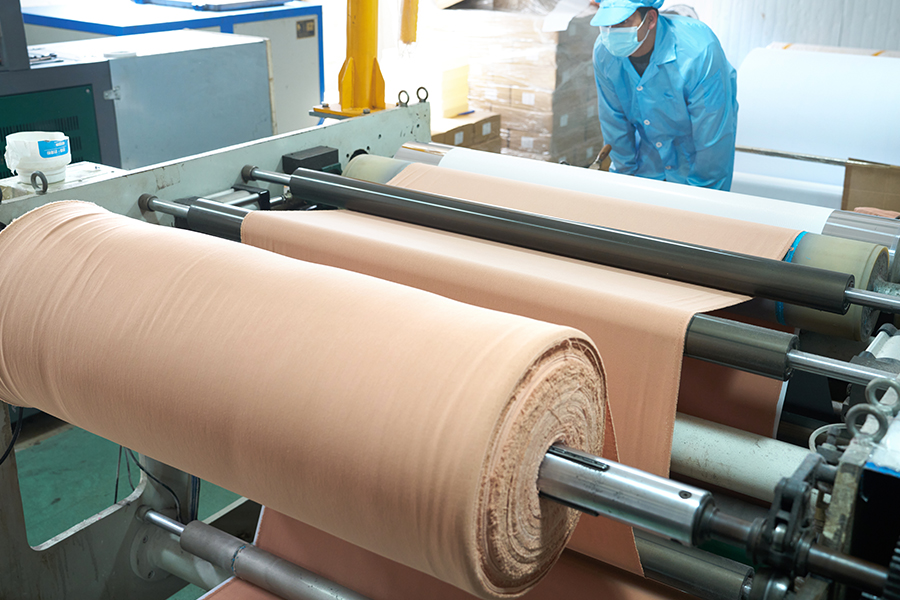
Clean the target area with soap and water, then dry completely. Remove any lotions, oils, or sweat residues, as these reduce adhesive contact by 30–50%. Shave body hair longer than 2 mm using electric clippers (not razor blades, which cause micro-cuts). Apply a non-oil-based skin barrier spray or pre-wrap foam if the user has sensitive skin or requires tape removal within 2 hours. Allow barrier spray to dry for 30–60 seconds before taping.
Anchor and Tension Techniques
Apply the first and last strips (anchors) with zero tension—simply laying the tape onto skin without stretching. For intermediate support strips, use 10–25% tape elongation. Higher tension (above 30%) may cause skin blistering or circulation restriction. Smooth each strip with light finger pressure immediately after application to activate the adhesive. Overlap each strip by 50% of its width to eliminate gaps where skin could pinch.
Directional Application Principles
The following table summarizes tension recommendations by joint type:
|
Joint/Area |
Primary Tape Direction |
Recommended Tension |
Common Error |
|
Ankle (inversion prevention) |
Stirrups (medial to lateral under heel) |
15–20% |
Tension too high on the medial side |
|
Wrist (extension limit) |
Dorsal cross strips from mid-forearm to hand |
10–15% |
Strips too narrow (<25 mm width) |
|
Thumb (skier's thumb) |
Spica pattern circling the thumb, then the wrist |
10–15% |
Gap at the thumb web space |
|
Knee (hyperextension) |
Vertical strips from the quadriceps to the tibia |
15–25% |
Strips applied over the knee cap without a relief hole |
Post-Application Checks and Removal
After completing the tape job, ask the user to perform one full range-of-motion movement. Check for: (a) numbness or tingling (indicates excessive tension over nerves), (b) skin discoloration beyond the tape edges (suggests circumferential tightness), (c) sharp pain during movement (incorrect strip direction). Remove tape within 8 hours for most applications. Peel at a 165° angle (nearly parallel to the skin) while pressing down on the skin ahead of the peel line. Use adhesive remover wipes if resistance exceeds a comfortable pulling force.
Preventative and Protective Applications of Sports Adhesive Tapes
1. Ankle inversion sprain prevention
Ankle sprains account for approximately 15–25% of all sports-related injuries. Cotton tape applied in a closed basket weave reduces inversion range by 20–40% for the first 20–30 minutes of activity. The technique uses three anchor strips (two above the ankle, one over the mid-foot), six to eight stirrups, and four to five horseshoe strips. Tape remains effective for one practice session or game. Re-application is necessary for subsequent sessions because mechanical creep reduces tension by 30–50% after 60 minutes of running or cutting movements.
2. Wrist extension protection for gymnasts and weightlifters
Gymnasts performing floor exercises and weightlifters performing clean-and-jerk movements risk hyperextension injuries to the wrist. A preventive taping method uses 38 mm wide tape: three circumferential anchors at the distal forearm, then figure-eight strips crossing the wrist joint dorsally, ending at the palm. The tape limits wrist extension to approximately 45–60° of passive range, compared to 80–90° without tape. Users retain full flexion for gripping. Tape should be removed immediately after the activity to prevent skin maceration from sweat accumulation under the adhesive.
Keep In Touch

No.455 New Town Development Road,Longgang City, Wenzhou City

 +86-0577-83728222
 +86-0577-837282222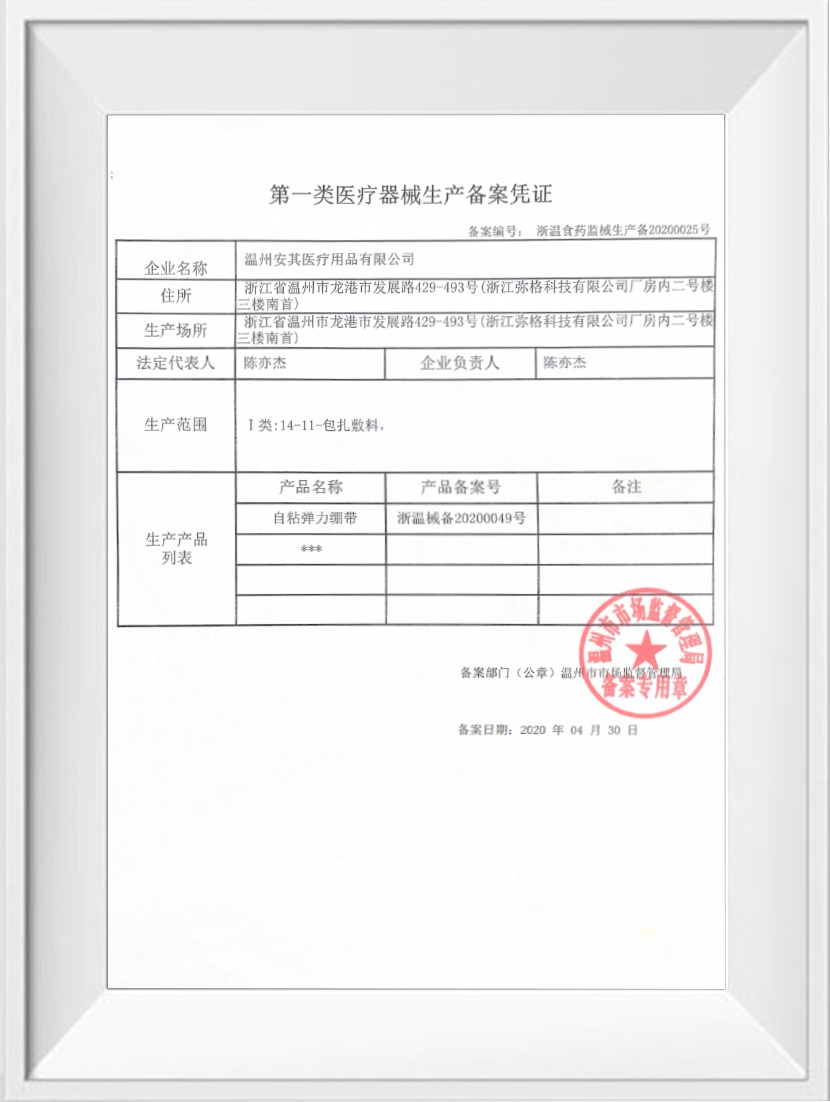
Copyright © Wenzhou Anqi Medical Supplies Co., Ltd. All Rights Reserved.
Approval No: Zhejiang Wenzhou Food and Drug Administration Machinery Production Filing No. 20200025
The information provided on this website is intended for use only in countries and jurisdictions outside of the People's Republic of China.
