
 English
 русский
 中文简体
中文简体 Español
 Deutsch
 عربى
عربى

How Does Fabric Structure Affect Cotton Sport Tape Performance
Content
- 1 Why Does Fabric Structure Matter in Athletic Tape?
- 2 How Does Cotton Fabric Affect Wrapping Flexibility?
- 3 Can Weave Structure Influence Adhesive Performance?
- 4 How Does Fabric Flexibility Influence Different Wrapping Areas?
- 5 Why Does Tear Behavior Matter So Much?
- 6 How Does Fabric Structure Affect Comfort During Use?
- 7 How Do Fabric and Adhesive Layers Work Together?
- 8 How Does the Manufacturing Process Shape Fabric Performance?
- 9 How Can Manufacturers Balance Flexibility and Stability?
- 10 How Does Fabric Design Influence Different Sports Scenarios?
- 11 What Should Manufacturers Check When Developing Cotton Tape?
Fabric structure tends to get skipped over when people talk about athletic tape. The conversation usually drifts toward adhesive strength, looks, or packaging instead. But the fabric layer sits right at the center of the whole product. It's what decides how the tape bends, stretches, tears, wraps, and holds on during use.
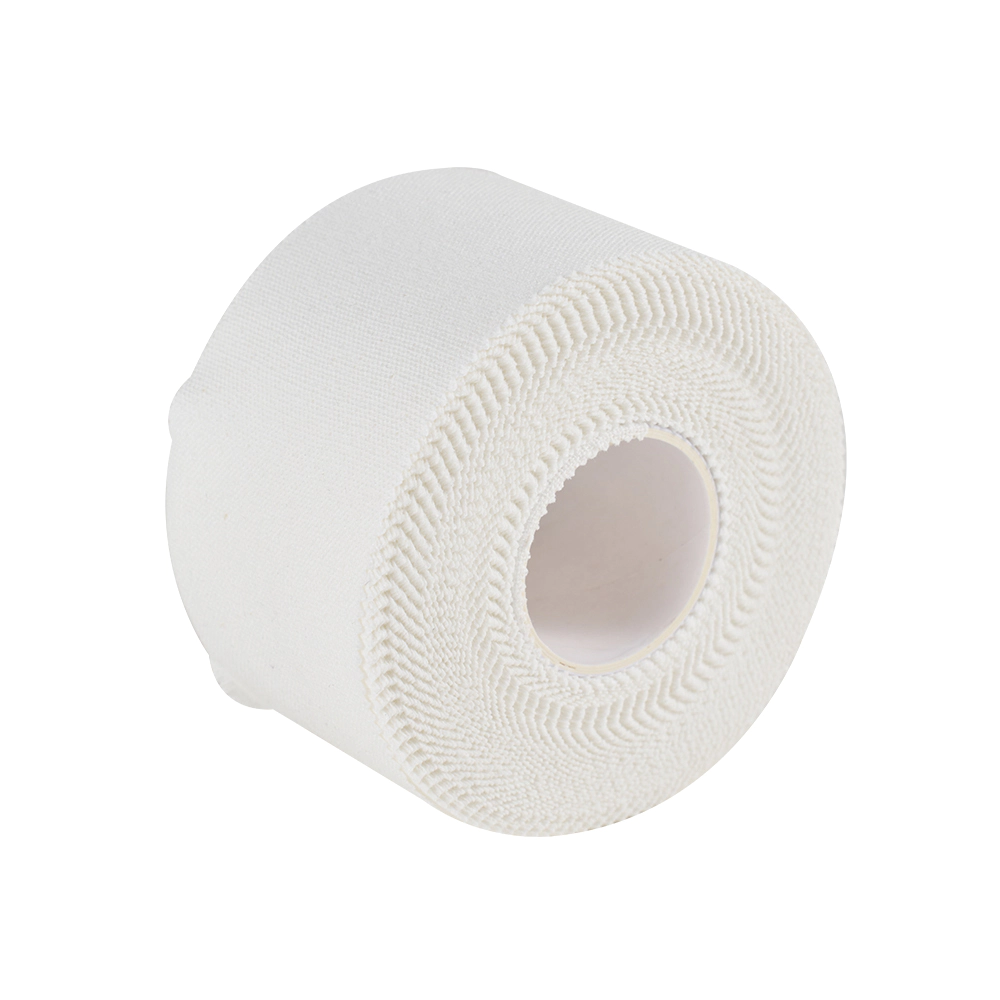
For manufacturers, this connection between fabric structure and tape performance carries real weight. A tape isn't just a strip of cotton with glue slapped on one side. Weave, yarn arrangement, surface texture, fabric density — all of it shapes how the finished product actually behaves.
That connection also shapes the experience of whoever's doing the wrapping. Fabric that bends naturally makes curved areas easier to handle. A structure with the right firmness helps the tape hold its shape once applied. Where that balance sits really depends on the intended use and how the tape gets made.
Why Does Fabric Structure Matter in Athletic Tape?
The fabric layer gives the tape its physical body. It offers a surface for the adhesive while also controlling how the strip reacts to movement.
Cotton fabric can be built in different ways. Some versions feel softer and more pliable, others firmer to the touch. Those differences show up in handling before the tape ever gets near skin.
A handful of basic characteristics help frame this relationship:
| Fabric Characteristic | Possible Influence |
|---|---|
| Weave structure | Affects flexibility and handling |
| Yarn arrangement | Influences tear behavior |
| Surface texture | Can affect adhesive contact |
| Fabric density | Changes the feel and firmness |
| Fabric thickness | Influences wrapping and comfort |
No one structure fits every job out there. A product built for active wrapping probably needs a different fabric balance than tape meant for general support.
That's really why fabric choice ought to start with the intended user experience, not just picking a material because it looks the part.
How Does Cotton Fabric Affect Wrapping Flexibility?
Wrapping flexibility stands out fast once you actually use the tape. It has to follow the body's shape without turning into something hard to control.
A tightly built fabric feels firm in the hand. It holds its shape well, sure, but it can demand more attention when wrapping around curves. A softer structure tends to follow body contours with less resistance.
That doesn't mean softer is automatically the better call, though. Too much flexibility makes a strip harder to position cleanly — the material can fold or twist if the user isn't paying attention.
What you're really after is a fabric structure that balances both sides. The tape should bend with the application area while staying manageable between the fingers.
For Cotton Athletic Tape, that balance shapes the entire wrapping experience. The fabric has to respond to movement without turning application into a chore.
Can Weave Structure Influence Adhesive Performance?
Fabric and adhesive work as a pair here. The adhesive handles contact with skin, sure, but the fabric is what carries it there in the first place.
Surface texture affects how the adhesive spreads across the fabric. A looser weave interacts with the adhesive differently than a tighter, denser one would.
A few things shape that relationship:
- Surface smoothness
- Yarn spacing
- Fabric density
- Adhesive distribution
- Production consistency
Let the fabric surface vary across a roll, and adhesive behavior starts varying right along with it. That inconsistency tends to show up once the tape gets applied to different body areas.
The goal isn't cranking up adhesion as high as it'll go, either. A product worth using needs balance — sticking well enough to stay put, while still coming off without a fight.
Fabric structure, then, really needs weighing during adhesive selection and coating development, not treated as an afterthought.
How Does Fabric Flexibility Influence Different Wrapping Areas?
The human body is full of curves and moving parts. Wrapping a straight stretch is a completely different job from covering a joint or another area that keeps changing shape.
A flexible cotton structure helps the tape keep pace with those changes. The fabric bends instead of fighting every curve it meets.
Different application spots bring their own handling demands:
| Application Area | Fabric Consideration |
|---|---|
| Straight sections | Stable handling |
| Curved areas | Flexible wrapping |
| Moving joints | Controlled adaptability |
| Narrow areas | Easy positioning |
| Overlapping sections | Consistent contact |
Tape that works beautifully on a flat surface might feel completely different once it hits a curve. That's exactly why fabric design tends to trace back to what the tape is actually meant for.
Manufacturers can tune the fabric structure to suit particular wrapping habits and the sports scenarios they're built around.
Why Does Tear Behavior Matter So Much?
A lot of cotton tapes get designed for hand-tearing, which puts tear behavior right at the center of product design.
The fabric needs enough integrity to stay stable while it's being handled. At the same time, users should be able to tear off the section they want without wrestling with it.
Yarn direction, weave pattern, and fabric density all shape how a strip tears.
Tape that tears too easily gets annoying fast during application. A structure that fights tearing too hard forces someone to reach for scissors instead.
That balance shows up in the torn edge itself, too. A controlled tear leaves a clean, usable strip instead of one covered in loose fraying fibers.
For manufacturers, tear behavior really needs evaluating alongside flexibility, adhesive performance, and overall fabric strength — not as a separate checkbox.
How Does Fabric Structure Affect Comfort During Use?
Comfort isn't purely an adhesive question. The fabric itself sits right against or near the skin, so its surface and flexibility shape how the whole thing feels.
Cotton gets chosen a lot for its familiar textile feel, but different cotton structures create noticeably different surfaces underneath that shared reputation.
A smoother fabric feels nothing like a textured one. A flexible structure moves more naturally with the body. A firmer structure gives a more stable sensation once applied.
Comfort also comes down to how the tape reacts to movement. Fold the fabric repeatedly in one spot, and the user starts noticing the material more than they'd like.
That makes fabric construction a real part of the overall product experience, not some hidden manufacturing footnote nobody thinks about.
How Do Fabric and Adhesive Layers Work Together?
The finished tape comes together in layers. Fabric forms the base, adhesive handles contact with the application surface.
Make the fabric too rigid, and the adhesive struggles to follow curves evenly. Make it too soft, and handling turns unpredictable, positioning gets sloppy.
So the two layers really need to function as a matched pair.
| Fabric Behavior | Adhesive Relationship |
|---|---|
| Flexible | Can follow curved surfaces more easily |
| Stable | Supports controlled application |
| Even surface | Encourages consistent adhesive contact |
| Suitable firmness | Helps maintain tape shape |
The adhesive formula itself needs to match whatever fabric surface it's paired with. Tweak one side of the product, and the other side's behavior shifts too.
That's why manufacturers usually look at the tape as a whole rather than judging fabric and adhesive as if they lived in separate worlds.
How Does the Manufacturing Process Shape Fabric Performance?
Choosing the right fabric doesn't settle the outcome on its own. What happens during production shapes how consistently the material actually behaves.
Weaving sets the basic fabric structure. Everything that follows — adhesive application, drying, cutting, winding — leaves its own mark on the finished roll.
Small handling differences change how the tape looks or feels. Uneven adhesive spread creates its own set of problems once the tape's in use.
A production process worth trusting usually pays attention to things like:
- Fabric consistency.
- Surface preparation.
- Adhesive application.
- Drying and handling.
- Slitting and winding.
- Packaging and storage.
Each stage feeds into the next. A fabric structure that performs great on its own can still fall apart if later processing steps aren't consistent.
Quality control, then, really needs to cover the whole manufacturing path, not just spot-check the fabric at the start.
How Can Manufacturers Balance Flexibility and Stability?
Flexibility and stability can look like opposing goals on paper. In practice, though, a tape needs both working together.
Tape that bends easily helps during wrapping, sure, but it shouldn't turn hard to handle in the process. A stable fabric supports neat application, but push firmness too far and comfort suffers around curves.
Manufacturers can think through this balance by starting with the intended application.
A product used around joints that move a lot might do better with a fabric structure built to follow movement. Tape meant for simple, everyday support might lean harder into controlled handling and holding its shape.
A few product needs and how they map onto fabric design:
| Product Need | Fabric Design Focus |
|---|---|
| Easy wrapping | Controlled flexibility |
| Stable application | Consistent structure |
| Easy tearing | Suitable weave behavior |
| Comfortable feel | Appropriate surface texture |
| Reliable handling | Balanced firmness |
No rule says every tape product has to feel the same. Different structures serve different jobs, and that's fine.
What matters is that each design choice actually connects back to how the product gets used out in the real world.
How Does Fabric Design Influence Different Sports Scenarios?
Sports put different demands on tape depending on who's using it and how. A runner wants easy wrapping around a joint. A recreational user probably cares more about comfortable handling. Someone else needs a strip they can slap on fast, mid-training.
These situations feed back into fabric choice.
A flexible structure earns its keep where the body's moving constantly. A more stable structure fits better when the tape needs to hold a neat position without shifting around.
Cotton Sport Adhesive Tape involves a lot more than picking the right adhesive, then. The fabric has to support the application style while still working in tandem with the adhesive layer underneath it.
Manufacturers can weigh the movement, wrapping method, and likely handling conditions tied to each scenario they're designing for.
That thinking also explains why two cotton tapes that look almost identical on the shelf can feel completely different once they're actually applied.
What Should Manufacturers Check When Developing Cotton Tape?
Product development tends to go better when several characteristics get looked at together, rather than tested one at a time in isolation.
Fabric structure deserves evaluation alongside adhesive behavior, tearing, flexibility, surface feel, winding quality, and storage conditions.
A practical development process tends to ask things like:
- Does the fabric stay consistent across the whole roll?
- Is the tape easy to handle while wrapping?
- Does the adhesive stay evenly distributed?
- Can the user tear the tape in a controlled way?
- Does the fabric follow curved surfaces without a fight?
- Does the tape hold its intended shape during storage?
Questions like these tie manufacturing decisions back to how the product actually gets used.
The same thinking applies when developing Cotton Tape Sport products for different markets. Rather than fixating on material names alone, manufacturers can look at how the whole structure behaves from production all the way through to application.
Fabric structure, in the end, is anything but a secondary detail. It shapes how the tape bends, tears, feels, carries adhesive, and holds up against everyday wrapping.
Keep In Touch

No.455 New Town Development Road,Longgang City, Wenzhou City

 +86-0577-83728222
 +86-0577-837282222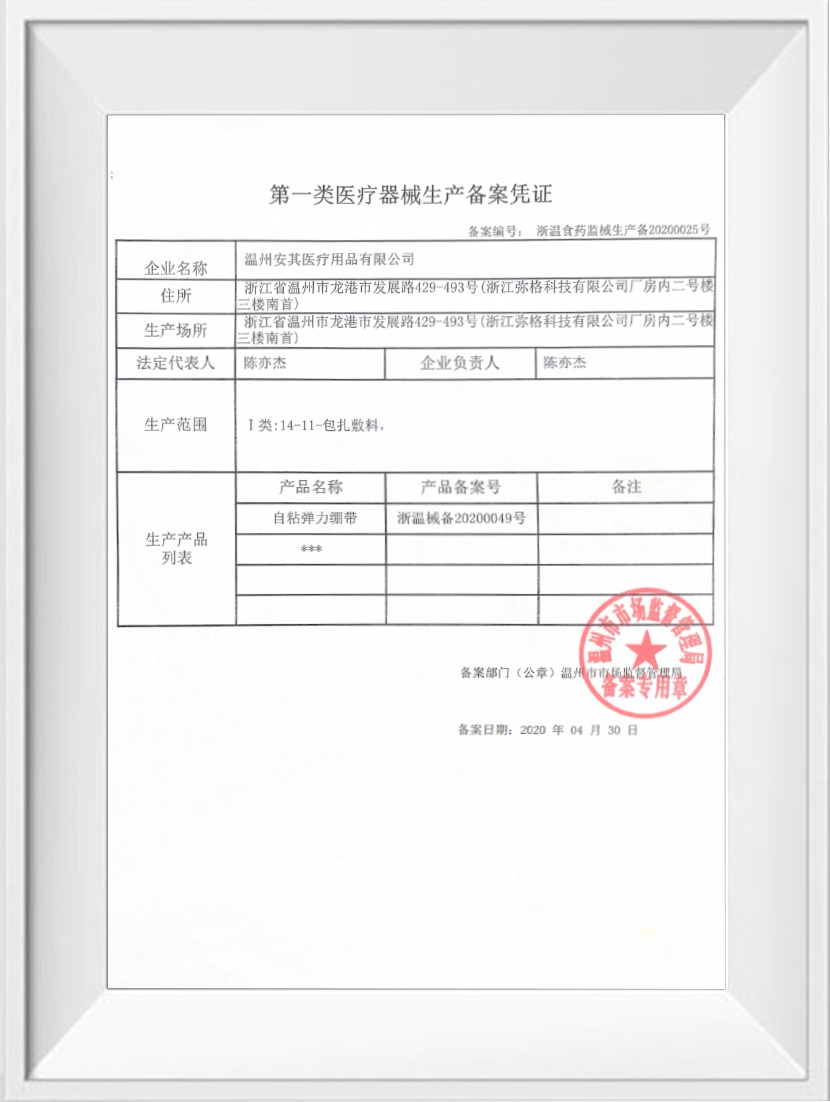
Copyright © Wenzhou Anqi Medical Supplies Co., Ltd. All Rights Reserved.
Approval No: Zhejiang Wenzhou Food and Drug Administration Machinery Production Filing No. 20200025
The information provided on this website is intended for use only in countries and jurisdictions outside of the People's Republic of China.
