
 English
 русский
 中文简体
中文简体 Español
 Deutsch
 عربى
عربى

How Does Cotton Tape Sport Design Influence Wrapping Experience
Content
- 1 Why Fabric Structure Matters During Wrapping
- 2 How Tape Width Influences the Wrapping Experience
- 3 Does Adhesion Performance Change How Tape Feels?
- 4 How Cotton Sport Adhesive Tape Affects Wrapping Smoothness
- 5 Why Edge Control Is Important During Sports Use
- 6 How Different Sports Can Change Tape Design Needs
- 7 What Makes Cotton Tape Sport Easy or Difficult to Remove
- 8 How Fabric Feel Influences User Comfort
- 9 Can Cotton Athletic Tape Design Support More Consistent Application?
- 10 How Product Design Affects Different Wrapping Techniques
- 11 What Manufacturers Should Consider When Developing Sports Tape
A trainer kneeling beside an athlete's ankle before a match, tearing off a strip of tape and trying to get it to lie flat around a joint that won't stop flexing, understands exactly why the details of tape design matter more than they get credit for. Athletic tape is a familiar item in many sports environments. It may get used before training, during practice, or as part of routine preparation before a game. Yet the experience of wrapping can vary considerably between products, even ones that look similar sitting side by side in a kit bag.
The difference often traces back to design choices made long before the tape ever reaches a roll.
The fabric structure, width, adhesive behavior, surface feel, and ease of removal can all influence how tape feels during application. These details also affect how easily the tape follows the body and how comfortable it remains during movement throughout an entire session.
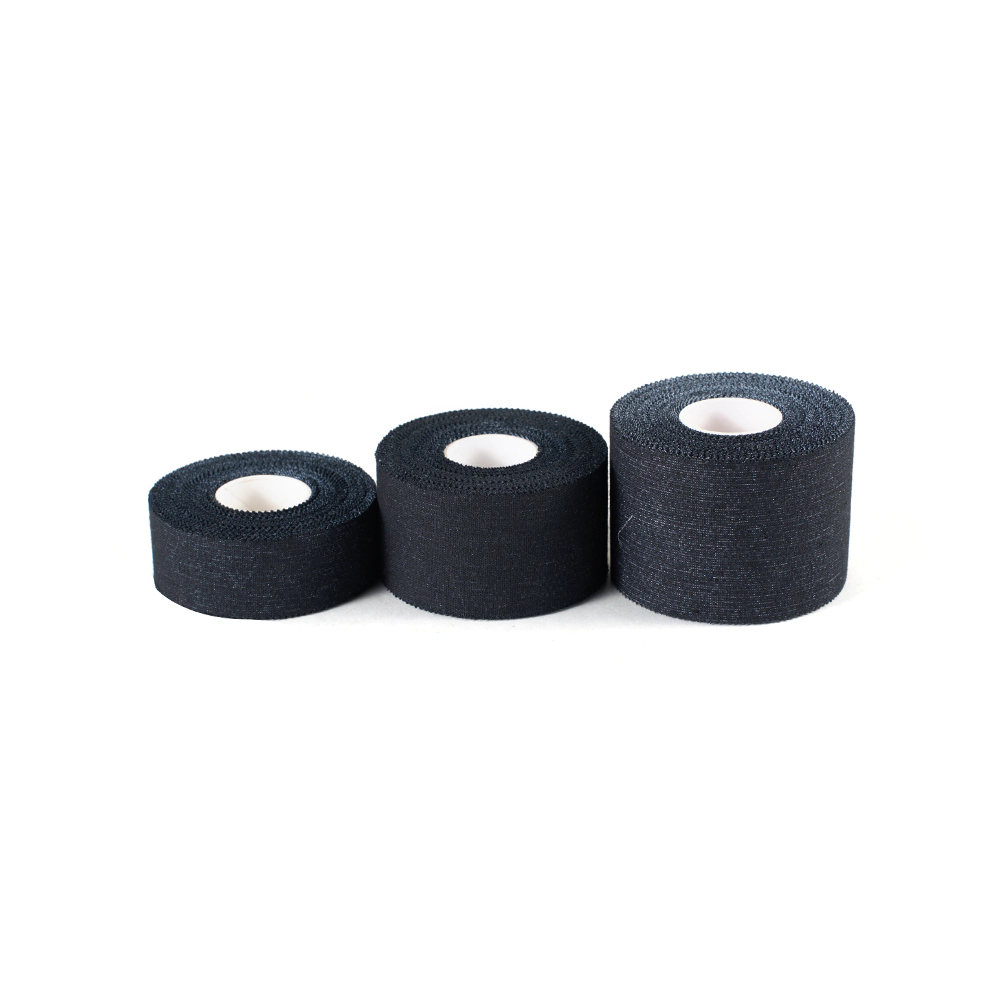
For athletes, coaches, trainers, and buyers, understanding these design factors can make product selection a lot more practical, rather than a guessing game at the sporting goods store.
A well-designed Cotton Tape Sport product needs to balance several considerations at once. It should be manageable during wrapping, remain in place during intended use, and allow removal without making the whole process unnecessarily difficult afterward.
Why Fabric Structure Matters During Wrapping
The fabric is the part of athletic tape that users handle directly, touching it from the moment the roll comes out of the bag.
Cotton-based tape has a familiar textile feel that most athletes recognize instantly. Its surface can influence how easily the tape gets positioned and adjusted during application, before the adhesive fully sets.
A flexible fabric may follow the shape of an area a lot more naturally, bending where the joint bends. A firmer structure may feel genuinely different when wrapped around joints or other curved areas that move constantly.
The structure can affect:
- Ease of handling
- Surface feel
- Wrapping control
- Edge placement
- Ability to follow body contours
- Removal experience
The material shouldn't simply get judged by how it feels sitting on the roll before use.
A tape that feels suitable when held in the hand may behave quite differently once it's actually wrapped around a moving area under tension. This is why fabric structure needs consideration together with the intended application, rather than in isolation.
For users, the goal is usually a controlled wrapping process, rather than simply applying as much tape as possible and hoping it holds.
How Tape Width Influences the Wrapping Experience
Tape width affects how much area can get covered with each single strip pulled off the roll.
A narrower tape may prove easier to position around smaller or more detailed areas, like fingers or toes. A wider tape can cover a larger section with fewer overlapping layers needed to get full coverage.
Neither approach suits every situation equally well.
| Wrapping Need | Width Consideration |
|---|---|
| Small area | Easier positioning may matter |
| Broad area | Coverage can become more important |
| Curved body area | Handling and overlap need attention |
| Layered wrapping | Consistent placement can help |
| Quick application | Coverage and ease of handling may matter |
Width also affects how the tape feels during application itself, not just the final result.
A strip that's too wide for a particular area may require a lot more adjustment to sit right. A narrower strip may provide more control but require additional placement to cover the same ground. This makes width a genuinely important part of product design, not an afterthought.
For a Cotton Athletic Tape product, width options can help users choose an approach that matches the body area and activity at hand. The practical choice depends on the application itself, rather than some universal preference that fits every scenario.
Does Adhesion Performance Change How Tape Feels?
Adhesion is closely connected to the wrapping experience from the moment the tape touches skin.
Tape needs to remain in place during its intended use, but the application process should still stay manageable throughout. If the adhesive doesn't hold adequately, edges may lift or the tape may shift mid-activity. If adhesion feels excessive instead, positioning and removal may both become genuinely more difficult.
Several factors can influence the experience:
- Skin condition
- Surface cleanliness
- Fabric structure
- Adhesive characteristics
- Wrapping method
- Movement during use
The adhesive should work together with the fabric, not compete against it.
A suitable combination can make the tape easier to position and help maintain contact during normal activity, whether that's a sprint or a match. Users should also follow the product's intended application instructions closely. Athletic tape is not a replacement for professional assessment when an injury or medical concern is actually involved.
For manufacturers, adhesive selection is therefore not simply a question of making tape stick as hard as possible. It's about balancing holding performance with practical application and removal, so neither side gets sacrificed for the other.
How Cotton Sport Adhesive Tape Affects Wrapping Smoothness
The phrase Cotton Sport Adhesive Tape describes a product where the textile material and adhesive work together as a combined system, rather than two separate components stacked on top of each other.
Wrapping smoothness depends heavily on how the strip behaves while it's actually being applied around a moving joint.
A tape that tears cleanly can make application a lot easier without extra scissors on hand. A fabric that stays manageable while being positioned can reduce wrinkles that catch and pull later. Adhesive that responds consistently can help the user keep the strip exactly where it's intended to go, rather than fighting it into place.
Smooth wrapping can be influenced by several design features together.
| Design Feature | Wrapping Effect |
|---|---|
| Fabric texture | Affects handling |
| Tear behavior | Influences strip preparation |
| Adhesive consistency | Affects positioning |
| Width | Influences coverage |
| Edge structure | Can affect overlap and finishing |
The user's technique also matters quite a bit in the final result.
Wrapping too quickly can create folds that bunch uncomfortably. Excessive tension can change how the material sits on the skin, sometimes cutting off circulation if it's pulled too tight. Poor alignment can create unnecessary overlaps that add bulk without adding support.
Good product design can't replace appropriate application technique on its own, but it can genuinely make the process easier to manage for someone still learning.
Why Edge Control Is Important During Sports Use
Edges may become genuinely noticeable when tape is wrapped around curved or frequently moving areas throughout a game.
Poorly positioned edges can catch on clothing mid-play or begin to lift during movement, unraveling the whole wrap over time. The fabric structure and adhesive can both influence how those edges hold up under stress.
Users may notice differences when tape gets applied to:
- Wrists
- Fingers
- Hands
- Ankles
- Knees
- Elbows
These areas don't share the same shape or movement pattern, which changes how a wrap behaves in practice.
A tape designed for sports use needs to accommodate a genuine variety of applications across all these different body parts. Edge control also affects appearance, which matters more to some athletes than others. Wrinkles and uneven overlaps can make a wrap look genuinely untidy by the end of a session.
While appearance isn't the main purpose of athletic tape, neat placement can make the application feel a lot more controlled and confidence-inspiring. For this reason, wrapping smoothness is a genuinely important part of the overall user experience, not just a cosmetic detail.
How Different Sports Can Change Tape Design Needs
Sports involve genuinely different movements and different areas of the body demanding attention.
A tennis player may focus mainly on the hand or wrist, wrapping before a long match. A runner may use tape around the foot or ankle to manage recurring strain. A climber may have genuinely different wrapping needs around the fingers, where grip strength matters most.
The tape doesn't necessarily need to differ for every single sport, but the preferred characteristics can shift considerably depending on the activity.
| Sports Scenario | Possible Wrapping Focus |
|---|---|
| Running | Easy handling around moving areas |
| Tennis | Controlled application around the hand or wrist |
| Climbing | Precise wrapping around fingers |
| Gym training | Comfortable application around joints |
| Team sports | Quick and manageable application |
| Outdoor activities | Secure handling under changing conditions |
This is why product development often considers use scenarios directly, rather than treating all athletic users as one interchangeable group.
A tape that works comfortably around a small joint may not provide the same wrapping experience across a genuinely larger area of the body. Users should select products according to the intended purpose and follow appropriate sports or medical guidance where that's relevant to their situation.
What Makes Cotton Tape Sport Easy or Difficult to Remove
Removal is a genuinely important part of the wrapping experience, even though it happens after the activity everyone actually cares about.
Users may spend real time thinking about how the tape feels during activity, but the process doesn't end the moment the session finishes. A product that's difficult to remove can make the overall experience a lot less convenient, turning a quick task into an ordeal.
Removal can be influenced by:
- Adhesive strength
- Fabric structure
- Skin condition
- Duration of use
- Moisture
- Removal technique
The tape should get removed carefully, rather than pulled aggressively in one quick yank that stings.
Users with sensitive skin may need to pay particular attention to how the product gets applied and removed each time. Manufacturers can consider removal as part of product development from the start, rather than treating it as a separate issue tacked on later.
The goal is a reasonable balance between staying in place during intended activity and being manageable once use is finished for the day.
How Fabric Feel Influences User Comfort
Touch is genuinely easy to overlook during product development, even though it's the first thing a user actually notices.
Athletic tape remains close to the skin throughout an entire activity, so the surface feel can influence how users perceive the product from start to finish. Cotton fabric has a familiar textile character that most people recognize, though the weave, surface, and overall construction can change that feeling considerably between brands.
Comfort can also depend heavily on the location of application chosen.
A wrap around a hand may be exposed to frequent movement and gripping throughout a match. A wrap around a joint may experience repeated bending with every stride or swing. A wrap around a finger may feel more noticeable simply because of the small application area involved.
Designers may therefore consider:
- Surface softness
- Fabric flexibility
- Edge feel
- Air contact around the material
- Interaction with clothing
- Ease of movement
These details don't work independently of one another, each one affecting the rest.
A fabric that feels comfortable may still need suitable adhesive behavior to actually stay useful. A secure adhesive may still need pairing with a manageable textile structure that doesn't fight against it. The overall experience comes entirely from that combination working together, not any single element alone.
Can Cotton Athletic Tape Design Support More Consistent Application?
Consistency matters a great deal when users apply tape repeatedly, session after session, week after week.
Coaches, trainers, athletes, and other users may develop their own particular wrapping routines over time. A product that behaves predictably can make those routines genuinely easier to repeat without constant readjustment.
Consistent application may involve:
- Predictable tearing
- Even adhesive behavior
- Stable fabric structure
- Clear edge placement
- Manageable handling
This proves particularly useful when several strips get used during the same session, one after another.
If each strip behaves differently from the last, the user may need to adjust their technique repeatedly mid-task, which slows everything down. For manufacturers, consistency begins with material selection and continues right through production, every step along the way.
Fabric batches, adhesive application, cutting, packaging, and storage can all influence the final product that ends up in someone's kit bag. Quality inspection therefore has a genuinely direct relationship with user experience, more than a quick glance at the packaging might suggest.
How Product Design Affects Different Wrapping Techniques
Users don't all wrap tape in exactly the same way, even for the same injury or activity.
Some may use short strips around a small area, building up coverage gradually. Others may create overlapping layers across a genuinely larger section for broader support. A suitable product needs to remain manageable across these common application methods, regardless of which one someone prefers.
Design considerations may include:
| Application Style | Useful Product Characteristic |
|---|---|
| Short strips | Easy tearing and positioning |
| Overlapping layers | Stable edges |
| Curved wrapping | Flexible fabric |
| Small-area wrapping | Controlled width |
| Larger-area wrapping | Practical coverage |
Technique should always match the intended use, never the other way around.
Athletic tape shouldn't get applied so tightly that it causes discomfort, numbness, color changes, or other concerning symptoms that signal something's wrong. When such signs occur, the tape should get removed and appropriate professional advice should get considered without delay.
Product design can support handling throughout the process, but correct use remains genuinely essential regardless of how well the tape itself is made.
What Manufacturers Should Consider When Developing Sports Tape
Product development involves a lot more than simply choosing cotton fabric and adding adhesive on top.
Manufacturers need to consider how the finished tape behaves from the moment the package gets opened until the product is finally removed after use. A development process may examine:
- Fabric structure
- Width and cutting
- Adhesive application
- Tear behavior
- Surface feel
- Wrapping smoothness
- Edge behavior
- Removal experience
- Packaging and storage
- Quality consistency
Each part can influence the user's perception of the finished product in ways that compound over time.
A Cotton Tape Sport design can be genuinely practical for one application and a lot less suitable for another entirely. Understanding those differences helps manufacturers create products around actual sports scenarios, instead of relying only on appearance to sell the roll.
For users, paying attention to fabric feel, width, adhesion, wrapping control, and removal can make product selection a lot more informed before the next purchase.
The overall wrapping experience is shaped by many small design decisions stacked together. Fabric structure influences handling from the first touch. Width affects coverage across the area being wrapped. Adhesive influences placement and staying power throughout the activity. Edge behavior affects comfort and appearance by the end of a session. Removal characteristics influence what happens once activity's finished for the day.
These factors explain why athletic tape design continues developing around different sports, body areas, and user preferences, rather than settling on one fixed formula for everyone.
Keep In Touch

No.455 New Town Development Road,Longgang City, Wenzhou City

 +86-0577-83728222
 +86-0577-837282222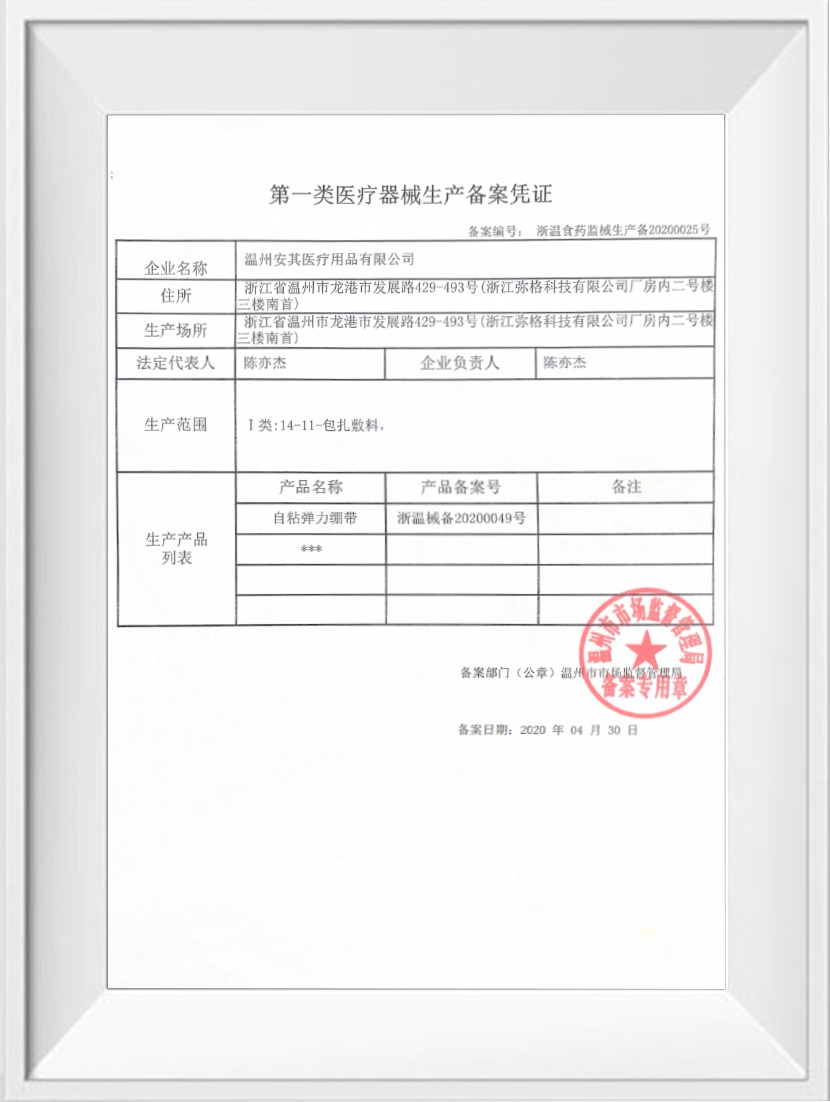
Copyright © Wenzhou Anqi Medical Supplies Co., Ltd. All Rights Reserved.
Approval No: Zhejiang Wenzhou Food and Drug Administration Machinery Production Filing No. 20200025
The information provided on this website is intended for use only in countries and jurisdictions outside of the People's Republic of China.
