
 English
 русский
 中文简体
中文简体 Español
 Deutsch
 عربى
عربى

How Do Stick on Boob Tape and Athletic Tape Compare
Content
- 1 Why Different Tape Uses Are Driving Product Development
- 2 How Stick on Boob Tape Is Adapting to Modern Fashion Needs
- 3 What Makes Cotton Athletic Tape Suitable for Different Sports Uses
- 4 How Materials Are Influencing the Development of Tape Products
- 5 How Skin Comfort Is Becoming More Important
- 6 Can One Tape Product Meet Every Application?
- 7 What Role an Athletic Tape Manufacturer Plays in Customization
- 8 How Packaging and Application Instructions Are Changing
- 9 How Sustainability and Reusability Are Affecting Tape Design
- 10 What Buyers Should Consider When Comparing Tape for Different Uses
Someone rushing to get ready for a backless dress at a wedding and someone else wrapping their ankle before a weekend soccer match probably never think about their tape choices in the same breath. Yet both are shaped by the same practical demand underneath the surface: users want tape that stays in place, feels manageable, and suits the activity in front of them. Stick on Boob Tape is being developed around clothing support and styling needs, while Cotton Athletic Tape is associated with sports, training, and physical activity more broadly.
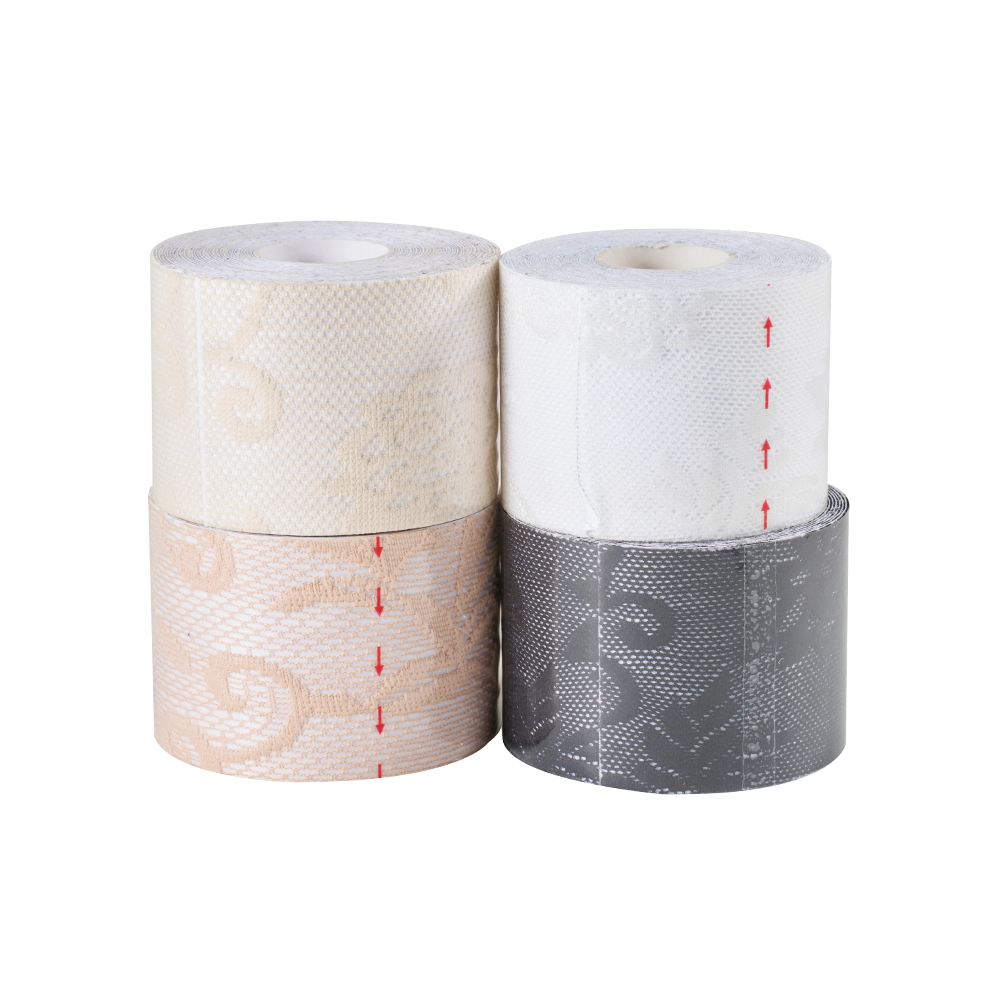
The difference between these products begins with their intended use, even though both rely on adhesive fundamentals. Fashion users may care about discreet support, comfort, and compatibility with different outfits hanging in the closet. Athletes may pay closer attention to handling, skin comfort, movement, and reliable adhesion during active use on the field or in the gym. As these needs become more varied, tape products are also becoming more purpose-oriented rather than one-size-fits-all.
For manufacturers and buyers, this shift makes material selection, adhesive behavior, product design, packaging, and application guidance genuinely important parts of product development.
Why Different Tape Uses Are Driving Product Development
Tape is no longer treated as a single-purpose category sitting on a shelf. Users expect a product to match a specific situation rather than simply provide adhesion in a general sense.
A person preparing for an event may need support beneath a garment without visible straps showing. A runner, lifter, or recreational athlete may need tape for a completely different purpose entirely. Even within sports, requirements can shift according to the activity, body area, movement, and personal preference of the person applying it.
This has encouraged manufacturers to think more carefully about the relationship between tape design and the actual user experience.
| Use Area | Main User Considerations |
|---|---|
| Fashion styling | Discreet appearance and garment support |
| Daily wear | Comfort and ease of application |
| Fitness | Secure placement during movement |
| Sports | Handling and practical support |
| Training | Skin comfort and convenient removal |
| Professional use | Consistent product characteristics |
This distinction matters because a tape that works well for clothing may not suit sports use at all. Likewise, athletic tape isn't automatically designed for garment styling either. Product development begins with understanding this difference from the start.
How Stick on Boob Tape Is Adapting to Modern Fashion Needs
Stick on Boob Tape is designed around a fairly simple fashion problem: some clothing styles offer limited support for conventional undergarments underneath.
Backless dresses, low-cut tops, open-sided garments, and other designs can make traditional straps or bands genuinely difficult to conceal. Adhesive body tape provides another option here by helping secure fabric or provide positioning support according to the intended application at hand.
Modern users often want more than adhesion alone. They also consider how the tape feels during wear and how easily it can be handled before and after the event.
This has encouraged attention to several areas:
- Flexible material choices
- Comfortable skin contact
- Discreet appearance
- Easy positioning
- Practical removal
- Compatibility with different clothing styles
The application process matters just as much. A product that's difficult to cut, position, or adjust can create frustration before the garment's even worn out the door. Clear instructions and practical packaging can therefore become part of the whole product experience, not just an afterthought.
The focus is shifting away from simply making tape sticky, toward making the entire application process more manageable for someone getting ready in a hurry.
What Makes Cotton Athletic Tape Suitable for Different Sports Uses
Cotton Athletic Tape plays a different role entirely. It's commonly associated with sports and physical activity, where users apply tape around areas that experience repeated movement throughout a match or workout.
Cotton is familiar as a textile material and provides a flexible, fabric-based feel that a lot of athletes recognize instinctively. Depending on the product design, athletic tape can work as part of a broader sports support routine built into someone's pre-game ritual.
Different users approach athletic tape in different ways, too. A recreational athlete may want something easy to handle during occasional training sessions. A sports professional may have established taping habits and specific preferences developed over years of practice.
The application area affects the experience as well. Tape used around a hand, wrist, ankle, or other body area encounters different movement patterns depending on the sport. This means manufacturers need to consider how the material behaves when wrapped, adjusted, worn, and removed across all these different scenarios.
The product therefore needs to balance practical handling with the demands of genuinely active users.
How Materials Are Influencing the Development of Tape Products
Material selection has a direct effect on how tape feels and behaves once it's actually applied.
For fashion tape, users may want a material that stays relatively discreet beneath or around clothing. For athletic tape, a fabric structure gets valued for its familiar feel and practical handling during repeated use.
The backing material is only part of the product, though. Adhesive selection affects the user experience just as much.
Manufacturers may consider:
| Product Feature | Why It Matters |
|---|---|
| Backing material | Influences flexibility and feel |
| Adhesive | Affects how the tape attaches |
| Surface texture | Can influence handling |
| Cut structure | Supports convenient application |
| Packaging | Protects the product and improves usability |
| Removal characteristics | Influences the overall experience |
These factors need to work together, not in isolation. A strong adhesive alone doesn't create a suitable product on its own. If the tape is uncomfortable or difficult to remove, the overall experience ends up less satisfactory no matter how well it holds. A soft material also needs an adhesive system appropriate for its intended application, matching one characteristic to the other.
Product development is therefore a balancing act between several characteristics working in concert.
How Skin Comfort Is Becoming More Important
Both fashion and sports users are increasingly aware of how products actually feel against the skin, not just how well they hold.
Tape gets applied directly to the body in both cases. This makes comfort a genuinely different concern from what's associated with ordinary household or packaging tape sitting in a drawer.
For Stick on Boob Tape, the skin-contact experience can influence whether a user feels comfortable wearing the product throughout an entire outfit for hours. For Cotton Athletic Tape, repeated movement and physical activity make skin comfort especially relevant during a long practice or game.
Manufacturers may consider factors such as:
- Surface feel
- Flexibility
- Adhesive experience
- Ease of removal
- Skin-contact design
- Product instructions
Users should also follow the instructions supplied with the product carefully, rather than winging it. Skin sensitivity varies quite a bit from person to person. A product intended for body use should get used only as directed, and people should stop using it if they experience unexpected discomfort or irritation partway through.
Comfort isn't simply a luxury feature tacked onto marketing copy. It can influence whether people continue using a product as part of their regular routine or abandon it after one bad experience.
Can One Tape Product Meet Every Application?
In most cases, different applications create genuinely different design priorities that don't overlap neatly.
Fashion tape needs to work with garments and body placement around an outfit. Athletic tape needs to accommodate physical activity and sports-related use during movement. These requirements overlap in some areas, sure, but they aren't identical by any stretch.
Trying to make one product suitable for every purpose tends to create compromises somewhere along the line.
A more practical approach is application-specific development from the ground up.
| Product Category | Design Focus |
|---|---|
| Stick on Boob Tape | Garment support and discreet styling |
| Cotton Athletic Tape | Sports and activity-related use |
| General body tape | Flexible everyday applications |
| Specialized sports tape | Specific training or movement needs |
This separation also makes product selection a lot easier for buyers browsing options. Instead of asking whether a tape is simply "strong" in some vague sense, users can ask whether it's appropriate for the activity they actually have in mind. That shift creates a much more useful way to evaluate adhesive products sitting side by side on a shelf.
What Role an Athletic Tape Manufacturer Plays in Customization
An Athletic Tape Manufacturer may serve different buyers, including sports retailers, distributors, professional teams, fitness businesses, and companies developing private-label products under their own branding.
These buyers don't all need the same product, even when they're technically ordering the same category of item.
A distributor may focus on packaging and market positioning for retail shelves. A sports business may want a product suited to its customers' established routines. A private-label buyer may be interested in customized packaging, material choices, or product presentation that fits their brand identity.
Customization can therefore involve a lot more than adding a logo to an existing product.
Possible areas include:
- Product format
- Packaging design
- Labeling
- Roll presentation
- Application instructions
- Material preferences
- Product positioning
For manufacturers, understanding the buyer's intended market matters before discussing customization in any depth. A product designed for casual fitness users may need a genuinely different presentation from one intended for organized sports settings with team budgets and equipment managers involved.
Clear communication between manufacturer and buyer helps prevent a mismatch between the product and its intended market down the line.
How Packaging and Application Instructions Are Changing
Packaging has become part of the user experience itself, not just a container the product ships in.
Tape can be simple to understand conceptually, but body application still requires users to know where and how to place it correctly. A package that provides clear instructions makes the product genuinely easier to use, especially for first-time buyers.
For fashion tape, instructions may explain suitable garment applications and basic preparation steps before an event. For athletic tape, guidance may address general application practices, storage, and removal after a training session.
Packaging can also help distinguish products that look fairly similar sitting next to each other on a shelf.
A clear package may communicate:
- Intended use
- Material information
- General application guidance
- Storage instructions
- Removal advice
- Relevant product warnings
This proves particularly useful for buyers unfamiliar with a product category. The packaging should support informed use without making claims that go beyond what the product's actually designed to do.
How Sustainability and Reusability Are Affecting Tape Design
Material waste is another consideration working its way into product development conversations.
Many adhesive tapes are designed for single-use applications, which means manufacturers have to think carefully about the materials used in both the tape itself and its packaging.
The sustainability discussion can include several areas rather than focusing only on the backing material in isolation.
Manufacturers may examine:
| Development Area | Practical Question |
|---|---|
| Material selection | Can the material fit the intended use responsibly? |
| Packaging | Can unnecessary packaging be reduced? |
| Production | Can manufacturing processes use materials efficiently? |
| Product format | Can the format reduce unnecessary waste? |
| Instructions | Can clearer guidance help prevent improper use? |
For body-use products, sustainability decisions still need to respect the product's functional requirements above all else. A material change only proves useful when it continues suiting the intended application properly. This is why product development often involves gradual adjustments over time, rather than one sweeping change made all at once.
What Buyers Should Consider When Comparing Tape for Different Uses
Buyers should begin with the intended application before anything else.
Someone shopping for garment support shouldn't evaluate a fashion tape using the same criteria as someone purchasing athletic tape for training sessions. The right product depends on what the tape actually needs to do, where it'll be applied, and how long it's expected to remain in place through the day.
A practical comparison can focus on:
- Purpose. Is the product intended for clothing, sports, or another application?
- Material. Does the backing suit the intended use?
- Skin contact. Is the product designed for direct body application?
- Handling. Can users apply and remove it conveniently?
- Packaging. Does the package clearly explain the intended use?
- Customization. Is a private-label or customized format required?
- Instructions. Are application and care directions easy to understand?
This approach helps buyers avoid choosing a product based only on appearance or adhesive strength alone, without considering the fuller picture.
The evolution of Stick on Boob Tape and Cotton Athletic Tape reflects a wider move toward application-specific product design across the industry. Fashion users are looking for practical support that works with changing clothing styles season to season, while sports users need tape suited to movement and active routines built around their sport. For an Athletic Tape Manufacturer, responding to these differences can involve material selection, product formats, packaging, customization, and clearer user guidance built into every part of the process.
Keep In Touch

No.455 New Town Development Road,Longgang City, Wenzhou City

 +86-0577-83728222
 +86-0577-837282222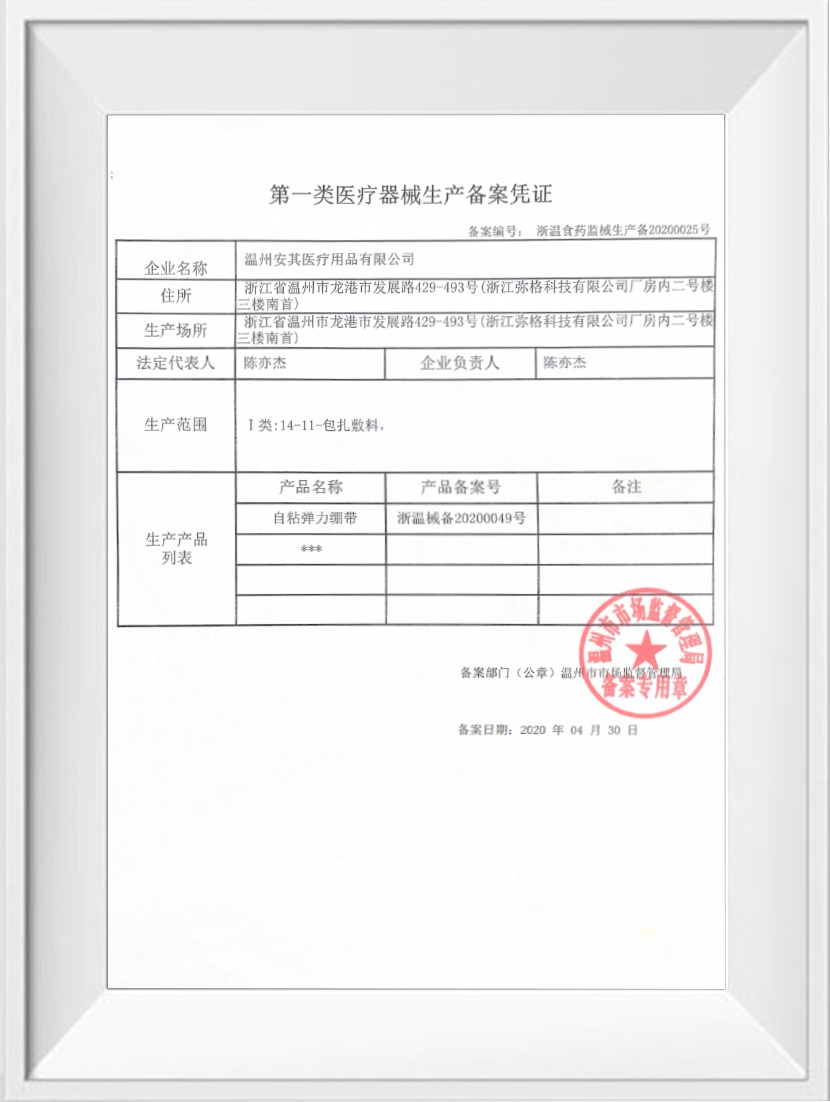
Copyright © Wenzhou Anqi Medical Supplies Co., Ltd. All Rights Reserved.
Approval No: Zhejiang Wenzhou Food and Drug Administration Machinery Production Filing No. 20200025
The information provided on this website is intended for use only in countries and jurisdictions outside of the People's Republic of China.
