
 English
 русский
 中文简体
中文简体 Español
 Deutsch
 عربى
عربى

How Can Athletic Tape Makers Meet Custom Sports Needs
Content
- 1 Why Sports Tape Requirements Keep Diversifying
- 2 How Material Choice Shapes Custom Tape
- 3 What Customization Covers Beyond the Tape Itself
- 4 How Manufacturers Handle Varied Buyer Specifications
- 5 Why Sports Tape Manufacturing Matters for Custom Orders
- 6 How Private Label Tape Serves B2B Buyers
- 7 What to Ask About Adhesive and Handling Feel
- 8 How Manufacturers Support Packaging and Branding Needs
- 9 What to Look for in an Athletic Tape Manufacturer
- 10 Making Custom Tape Development More Efficient Over Time
A high school athletic department reordering training tape for its trainers' room has a completely different list of priorities than a sporting goods chain trying to launch a private-label tape line across its stores. One cares about consistent feel and reliable supply. The other cares about packaging that stands out on a shelf and a brand name printed cleanly on the roll. When an off-the-shelf product doesn't line up with what a buyer actually needs, customization becomes part of the sourcing conversation.
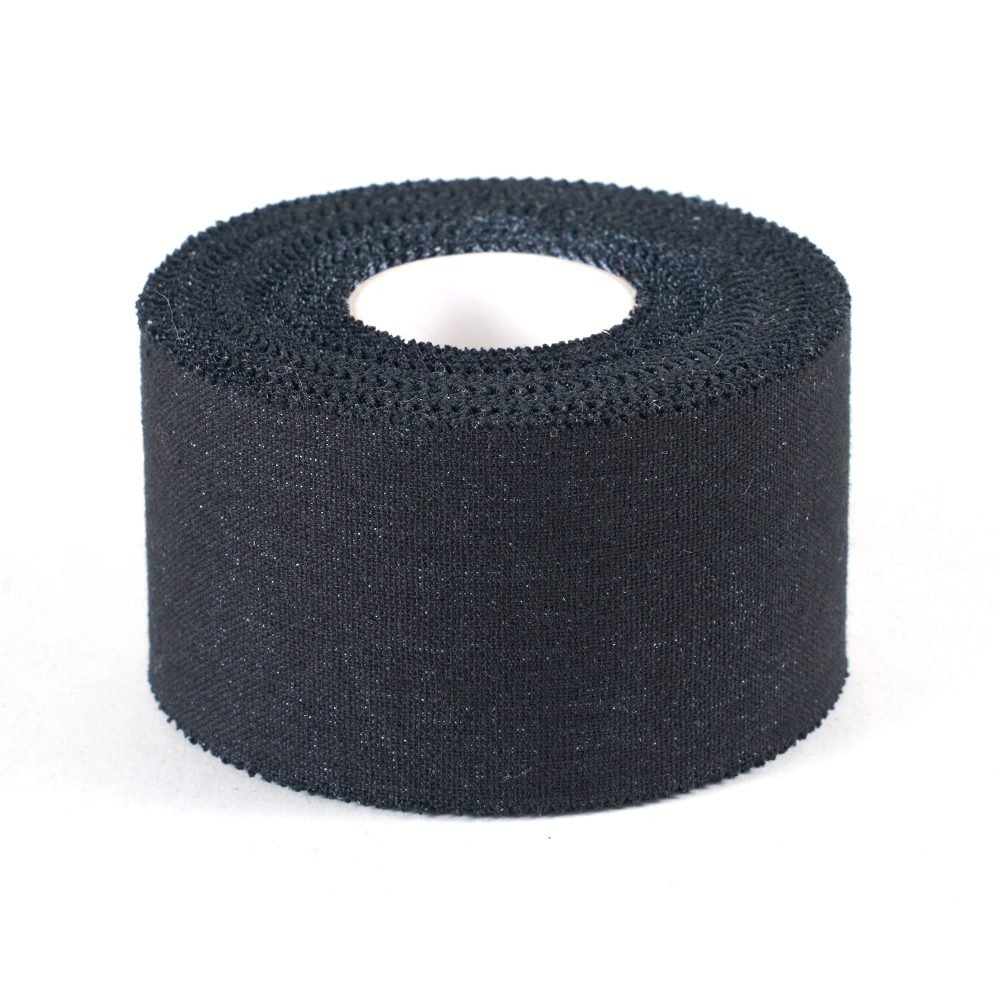
For an Athletic Tape Manufacturer, handling these requests goes well past swapping out a label. Custom sports tape can touch material choice, how the adhesive feels against skin, roll dimensions, packaging style, printing, and how production gets scheduled. Every one of those decisions shapes whether the finished roll actually works for the buyer's market.
This is where custom athletic tape becomes a real part of B2B procurement. Instead of forcing an existing product into a role it wasn't built for, buyers can work directly with a manufacturer to define what the tape needs to be from the start. That said, the process depends on clear back-and-forth communication, since even a small tweak to tape construction or packaging can ripple through the production line.
Why Sports Tape Requirements Keep Diversifying
Sports tape moves through a lot of different hands before it reaches an athlete's ankle or wrist. A university athletic training room, a chain of sporting goods stores, a youth soccer club, a physical therapy clinic, and a professional team's equipment staff might all be buying tape that looks nearly identical — for entirely different reasons.
Their priorities rarely match up.
- Training use tends to prioritize handling feel and how the tape behaves during repeated daily application.
- Retail distribution puts more weight on packaging design and how the product presents on a shelf.
- Team programs often care about a consistent look and clear labeling across every roll issued.
- Wholesale supply needs predictable, repeatable production from one order to the next.
- Private label sales hinge on how well the brand comes through on the finished package.
- Specialized sports applications may call for a particular tape configuration suited to that specific activity.
These differences have pushed manufacturers toward more flexible product development. Rather than treating a customization request as one isolated change, it usually works out better as a series of connected decisions — each one still needs to hold up on the actual production floor.
How Material Choice Shapes Custom Tape
Material sits near the top of the list when developing tape for a specific buyer.
Cotton shows up often in traditional sports tape because of its familiar texture and predictable handling — athletic trainers who've used it for years know exactly how it tears, wraps, and holds. Cotton Athletic Tape tends to appeal to buyers looking for that conventional feel, while other applications might call for a different fabric altogether, depending on flexibility or stretch requirements.
Material choice touches several parts of the finished product:
- How the surface feels against skin during application
- How much the tape flexes with movement
- How cleanly it tears by hand versus needing scissors
- How it handles during the wrapping process itself
- How it looks once finished and rolled
- What kind of packaging actually suits it
No single material fits every buyer's situation — a wrestling program taping ankles daily has different needs than a retail customer buying a roll for occasional home use.
A manufacturer familiar with converting, cutting, printing, and packaging can flag early on how a chosen material will actually behave once it moves through those production steps. A fabric that seems like a good fit on paper doesn't always run cleanly through existing equipment, and catching that early saves both sides time. Talking through the intended use before locking in a material choice tends to prevent costly changes further down the line.
What Customization Covers Beyond the Tape Itself
Custom sports tape isn't only about what the tape's made from — its physical format matters just as much.
Buyers often have specific preferences around width, roll length, how the edges are finished, or how the final product gets packaged. These choices connect directly to how the tape gets stored on a shelf, shipped to a distributor, displayed at retail, or handed out in a training room.
A sporting goods retailer might want packaging that clearly states product details for a shopper scanning a shelf. A distributor might need packaging that slots into an existing product lineup without looking out of place. A team might want packaging carrying their own logo and color scheme.
That opens up a few distinct areas for customization:
Product format — width, roll length, and edge treatment get built around how the tape will actually be applied and used.
Appearance — color and surface finish get considered wherever visual consistency across a product line matters.
Packaging — individual wraps, multipacks, and shipping cartons each suit different distribution paths, from a single retail purchase to a bulk order for a training facility.
Labeling — product details and customer branding get applied according to whatever design has been agreed on.
Each change works better when it's weighed against the production process rather than decided in isolation. Getting buyer and manufacturer on the same page about what actually needs to change, and what should stay as-is, keeps the whole project moving smoothly.
How Manufacturers Handle Varied Buyer Specifications
A manufacturer serving retailers, distributors, and team programs all at once needs some kind of organized system for customization, since a single order can involve product changes, packaging adjustments, and branding requirements all landing at the same time.
Clear specifications up front head off a lot of confusion later. A workable process tends to look something like this:
- Application discussion — the buyer walks through where and how the tape will actually get used.
- Product selection — material and basic construction get discussed against that intended use.
- Format planning — roll size, packaging type, and other physical details get nailed down.
- Visual development — colors, labels, and artwork go through review.
- Sample confirmation — the buyer checks a physical sample against what was actually requested.
- Production planning — the manufacturer schedules the approved configuration into the production run.
None of this needs to turn complicated. The point is simply making sure both sides are picturing the same finished product before manufacturing gets underway. For the manufacturer, this kind of structured communication cuts down on avoidable changes mid-production. For the buyer, it gives a clear path from an initial idea to something sitting on a shelf or in a trainer's kit.
Why Sports Tape Manufacturing Matters for Custom Orders
Making sports tape involves a lot more than coating adhesive onto fabric. A finished roll passes through several stages before it's ready to ship as a packaged product — material preparation, adhesive coating, cutting, winding, inspection, packaging, and labeling, depending on how the product's designed.
Each of those stages can shift depending on what's being customized. A new packaging request might change how the winding or packing line runs. A different tape format might call for adjusted converting equipment settings. New artwork often adds extra printing or labeling steps that weren't part of a standard run.
| Production Area | Customization Concern |
|---|---|
| Material preparation | Whether the chosen material handles well through prep |
| Coating | Keeping adhesive application even and consistent |
| Cutting | Hitting the requested width and format |
| Winding | Getting the roll to present the way it's supposed to |
| Printing | Reproducing customer artwork accurately |
| Packaging | Meeting retail or wholesale format requirements |
| Inspection | Catching inconsistencies before shipment |
A manufacturer that's worked through these stages before tends to spot potential snags — an artwork file that won't print cleanly, a roll width that doesn't wind well — before the order gets too far into production. For buyers, that kind of experience often ends up mattering more than simply comparing finished samples side by side.
How Private Label Tape Serves B2B Buyers
Some retailers and distributors want to sell sports tape under their own name rather than a manufacturer's existing brand.
Private label sports tape lets a buyer build a product around their own market position while still relying on an established manufacturing process behind the scenes. That process typically covers:
- Product selection
- Brand name placement on the roll or package
- Packaging design
- Label information and required text
- Color coordination with existing product lines
- Carton presentation for shipping and display
- Product documentation for retail or regulatory purposes
Buyer and manufacturer need to be clear about what's actually getting customized versus what stays standard. Private labeling is a different project than developing an entirely new tape from scratch — one buyer might only need new packaging and branding on an existing tape formulation, while another wants changes to the tape construction itself. Sorting out that distinction early helps both sides plan the production schedule more realistically.
Private labeling also gives distributors a way to organize their offerings — building out several branded tape products for different customer segments while keeping a consistent look across the line.
What to Ask About Adhesive and Handling Feel
Adhesive behavior matters a lot in sports tape, but it's worth describing the intended use specifically rather than leaning on broad claims about stickiness or comfort.
Different activities call for different levels of tack, different handling feel, and different removal behavior — and all of that interacts with whatever backing material gets chosen. A manufacturer should walk through the intended use with the buyer before recommending a specific configuration.
Useful questions to work through:
- What activity or sport is this tape actually going toward?
- How will trainers or athletes be handling it day to day?
- Does the buyer want a traditional stiff feel, or something with more flex?
- What packaging format is planned for this product?
- Does it need to match an existing product line already in distribution?
- Are there specific labeling or regulatory requirements to account for?
Working through these questions builds out a fuller, more usable product specification.
It's also worth keeping product language accurate throughout this process. Sports tape shouldn't get marketed as a stand-in for professional medical evaluation or treatment. Product descriptions hold up better when they stick to actual characteristics and intended use rather than reaching for health claims that can't be backed up — and that discipline tends to make downstream marketing easier for the buyer too.
How Manufacturers Support Packaging and Branding Needs
Packaging has become a real part of how sports products get bought and sold — for a lot of retail customers, the package is the first thing they actually see before deciding to pick up a roll.
Buyers often come in with specific requests around color, graphics, label copy, or package format. A manufacturer has to weigh those requests against what the physical product actually needs — packaging materials have to hold up through storage and shipping, not just look good in a mockup.
A tape headed for retail shelves, for instance, usually needs different presentation than a bulk order shipped straight to a professional training facility.
| Packaging Element | Buyer Consideration |
|---|---|
| Individual roll | How it presents for a single retail purchase |
| Multipack | Fits group or team purchasing |
| Carton | Suits wholesale shipping and storage |
| Label | Covers product identification requirements |
| Artwork | Carries brand appearance through |
| Product information | Communicates clearly to the end customer |
Custom packaging calls for careful artwork approval before anything goes to print. A small typo in a logo file or an error in printed product information can get expensive fast once a production run is already underway. A clear sign-off process before printing begins saves both sides from unnecessary rework later.
What to Look for in an Athletic Tape Manufacturer
Choosing a supplier goes beyond confirming they can physically produce adhesive tape. It's worth checking whether they can actually translate a custom request into a workable production plan.
Manufacturing capability — the supplier's equipment and processes need to match the requested tape construction and format.
Customization experience — a manufacturer who's handled custom material, packaging, and branding requests before tends to navigate new ones more smoothly.
Communication — detailed specifications call for a supplier willing to talk through changes before committing to a production run.
Quality control — consistent inspection catches variation in appearance, roll formation, and packaging before it reaches the buyer.
Sampling process — a physical sample gives the buyer a real chance to check the proposed product before a full run gets scheduled.
Production coordination — a supplier should be able to explain plainly how a given customization request affects the manufacturing and packaging process.
These points matter a lot for distributors and retailers placing repeat orders. A documented, repeatable process makes future purchasing simpler, since specifications from a prior order can just get pulled up and reused.
Making Custom Tape Development More Efficient Over Time
Customization doesn't have to mean starting over from scratch every time. Once a product's been clearly defined once, buyer and manufacturer can settle into a repeatable process for future orders.
A written product specification — covering material choice, appearance, packaging, labeling, and approved artwork — gives both sides a shared reference point going forward, rather than relying on memory or old email threads.
It also helps to separate what's actually essential from what's just a preference. Material characteristics might be non-negotiable for a particular application, while packaging appearance might reasonably shift for different markets or customer segments. Drawing that line helps a manufacturer figure out which change requests need a full production review and which can get handled through packaging or labeling adjustments alone.
Manufacturers can also gain some efficiency by grouping compatible custom orders together on the production schedule where it makes sense, cutting down on unnecessary changeovers between runs without compromising what any individual buyer actually agreed to.
As sports markets keep diversifying, custom tape sourcing is becoming more tightly connected to material choice, product format, packaging, branding, and how well a manufacturer coordinates all of it on the production floor. For an Athletic Tape Manufacturer, understanding these pieces and turning them into a workable production plan is turning into a real part of serving distributors, retailers, sports organizations, and private-label buyers alike.
Keep In Touch

No.455 New Town Development Road,Longgang City, Wenzhou City

 +86-0577-83728222
 +86-0577-837282222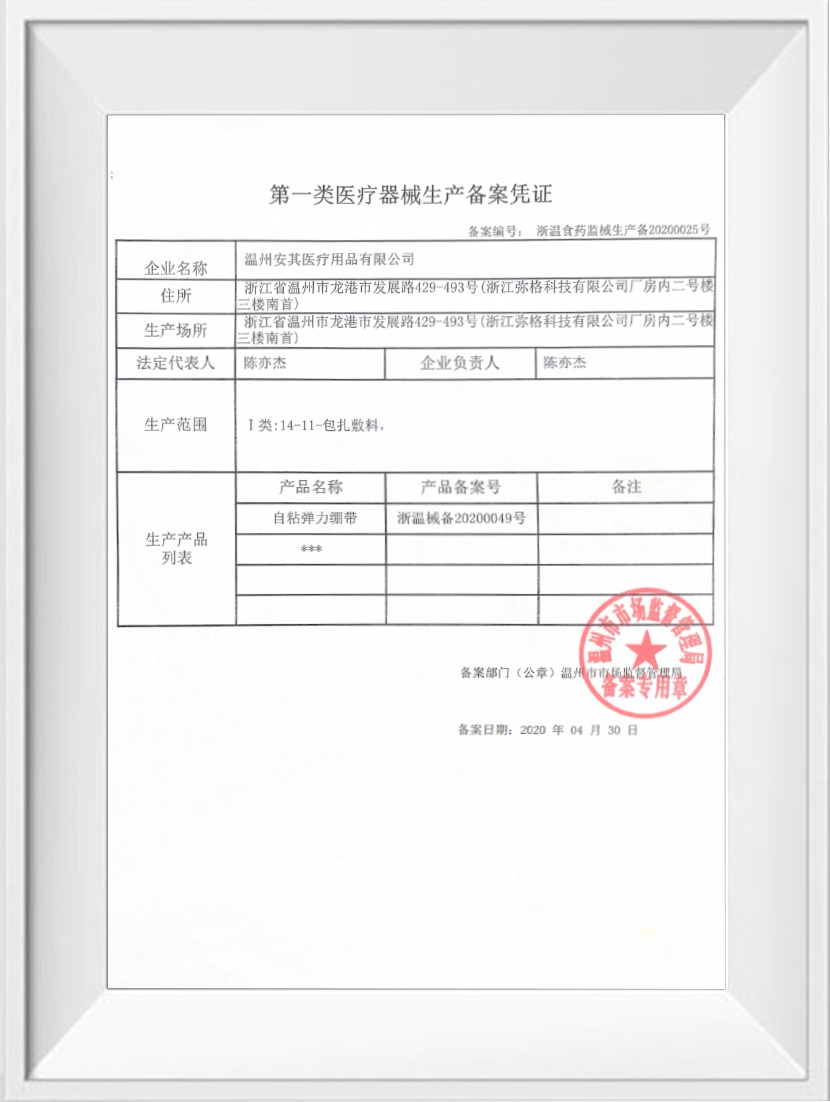
Copyright © Wenzhou Anqi Medical Supplies Co., Ltd. All Rights Reserved.
Approval No: Zhejiang Wenzhou Food and Drug Administration Machinery Production Filing No. 20200025
The information provided on this website is intended for use only in countries and jurisdictions outside of the People's Republic of China.
