
 English
 русский
 中文简体
中文简体 Español
 Deutsch
 عربى
عربى

Cotton Athletic Tape Features: Adhesion, Breathability, and Durability
Content
- 1 Why Adhesion Isn't Just About Sticking Power
- 2 Why Breathability Changes How Tape Actually Feels
- 3 What Durability Actually Means for This Kind of Product
- 4 How Material Choice Shapes Everything Else
- 5 What Businesses Actually Need to Think Through
- 6 How Someone Picks the Right Tape for Their Own Situation
- 7 Where Buyer Expectations Are Actually Heading
Halfway through a basketball game, a player glances down and notices the tape around his ankle has started peeling at the edges, bunching up under his sock in a way that's more distracting than the mild ankle soreness it was supposed to help with. That small failure captures exactly why Cotton Athletic Tape gets judged on more than just whether it sticks — how it feels, breathes, and holds up over the course of actual movement matters just as much.
Why Adhesion Isn't Just About Sticking Power
The instinct is to think stronger adhesive automatically means better tape, but that's not quite how it plays out once someone's actually moving around in it. Sports involve constant direction changes, stretching, and repeated motion, and tape has to hold its position through all of that without turning into something rigid or uncomfortable.
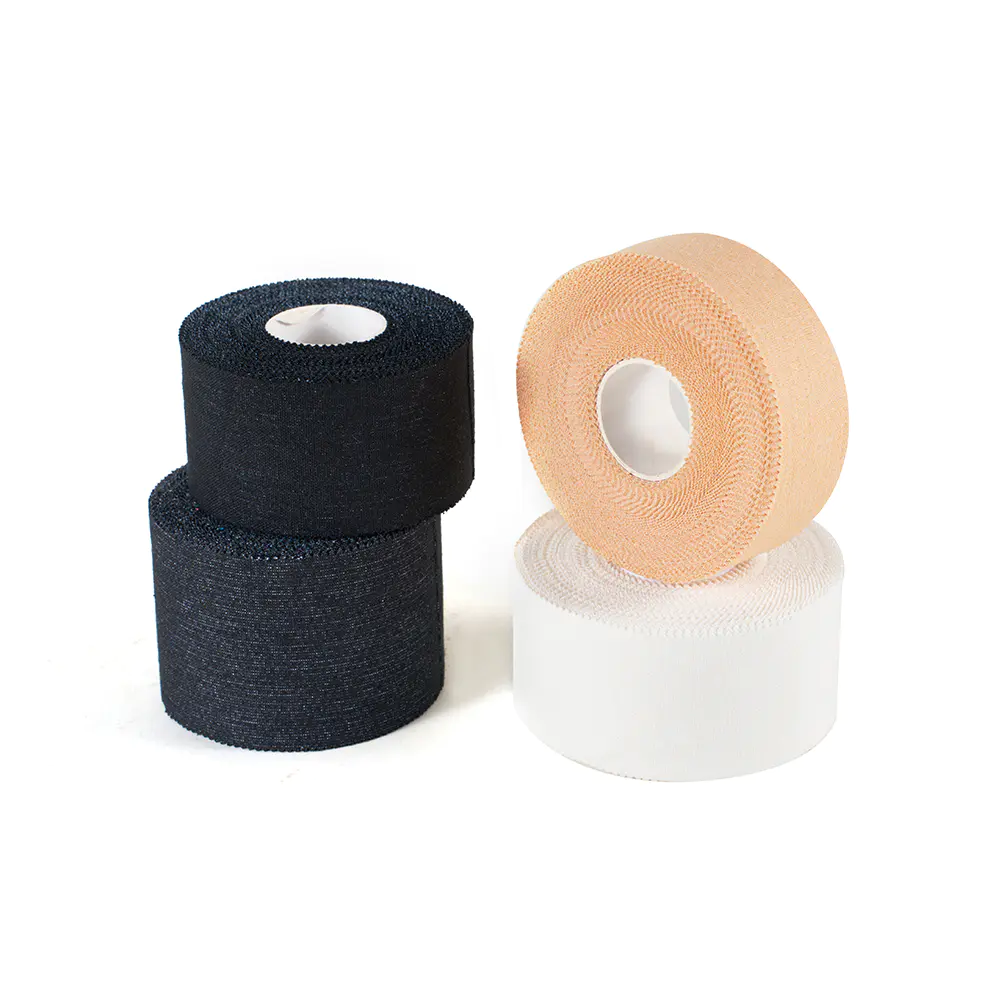
A tape that's overly aggressive with its adhesive might stay firmly in place but become genuinely unpleasant to remove afterward, sometimes pulling at skin or leaving behind residue that takes extra effort to clean off. One that's too gentle ends up needing constant readjustment mid-activity, which defeats the purpose of applying it in the first place.
| Adhesion Factor | User Consideration |
|---|---|
| Holding ability | Whether the tape actually stays put during movement |
| Comfort | Whether wearing it feels manageable rather than irritating |
| Application experience | Whether it goes on smoothly without fighting the material |
| Removal process | Whether taking it off afterward is straightforward |
A runner taping their arch before a long training session and a weightlifter wrapping a wrist before a heavy set are both relying on the same basic quality — tape that holds its position through very different kinds of stress, without becoming a problem in either direction.
Why Breathability Changes How Tape Actually Feels
Anything that sits directly against skin for an extended stretch of time either works with the body or fights against it, and breathability is a big part of which one happens. Physical activity raises body temperature and brings on sweat, and tape that traps both against the skin tends to feel increasingly uncomfortable the longer an activity goes on.
Cotton brings a natural softness to this that a lot of synthetic materials don't quite replicate. That familiar, breathable texture is part of why cotton has stayed a common base material for athletic tape even as newer synthetic options have entered the market.
| Comfort Element | Why Users Consider It |
|---|---|
| Air movement | Helps prevent that trapped, overheated feeling under the tape |
| Skin feel | Shapes how noticeable the tape is throughout wear |
| Moisture management | Affects comfort specifically during active, sweat-heavy situations |
| Material softness | Contributes to an overall more natural wearing sensation |
Someone wearing tape through a two-hour training session notices this difference far more than someone applying it just before a quick warmup — the longer the wear time, the more breathability actually matters to how the experience holds up.
What Durability Actually Means for This Kind of Product
Durability for athletic tape isn't about the tape lasting forever — it's about the tape holding up reliably through the specific activity it's meant to support, without falling apart partway through.
Sports movement puts tape through repeated stretching, friction against clothing or equipment, and contact with sweat or moisture. A tape that's well constructed handles that stress without fraying at the edges or losing its shape halfway through use.
Durability shows up in a few practical moments:
- During application — the tape should tolerate normal pulling, adjusting, and repositioning without tearing prematurely.
- During movement — it should keep functioning through the actual activity it's supporting, not just sit intact while someone's standing still.
- During handling — it should store and prepare easily, without becoming brittle or difficult to work with before it's even applied.
For someone buying tape to resell, this matters beyond just individual satisfaction. A product that holds up consistently across different customers and different uses builds the kind of trust that keeps people coming back for the same brand rather than shopping around every time.
How Material Choice Shapes Everything Else
Cotton's reputation for softness isn't just marketing language — it directly affects how the tape behaves once it's on skin and moving through an activity. The fabric's texture, flexibility, and surface feel all trace back to the material itself, and different material blends produce noticeably different user experiences.
| Material-Related Factor | Possible Impact |
|---|---|
| Fabric feel | Shapes how comfortable the tape feels against skin |
| Flexibility | Affects how naturally the tape moves with the body |
| Structure | Influences how easy the tape is to handle and apply |
| Surface characteristics | Changes how the tape interacts with skin during wear |
Manufacturers building Cotton Athletic Tape generally design around how the material behaves in daily, practical use — not just how it performs in a controlled test, but how it feels after a full workout, a full shift of physical work, or a full day of light daily support.
What Businesses Actually Need to Think Through
Selling Cotton Athletic Tape well requires understanding more than just its basic specs. Different customers walk in with different priorities, and a retailer who understands those differences can guide people toward something that actually fits their situation.
Someone training regularly might care most about comfort and breathability, since they're wearing tape for extended periods multiple times a week. Someone reaching for tape only occasionally — maybe for a weekend hike or an old injury flaring up — might prioritize convenience and ease of application over anything else.
Businesses evaluating products for their shelves should weigh:
- Clear, accurate material information rather than vague marketing language
- How the tape actually gets applied and used by real customers
- Consistency across batches, so one roll performs the same as the next
- Packaging that communicates what's actually inside without overselling it
- Reliable communication with suppliers when questions or issues come up
A shop that explains a product's real characteristics clearly — rather than leaning on inflated claims — tends to build more trust with repeat customers than one that oversells and underdelivers.
How Someone Picks the Right Tape for Their Own Situation
Choosing Cotton Athletic Tape doesn't require deep technical knowledge — it mostly comes down to matching a few honest questions to the product's actual features.
What activity is the tape actually supporting? A basketball player cutting sharply side to side needs something different from someone taping a wrist for light daily support during desk work.
How long will it typically stay on? Someone wearing tape for a full multi-hour training session has different comfort priorities than someone applying it just before a short activity and removing it soon after.
What kind of wearing experience feels right personally? Some people want to barely notice the tape is there; others want a firmer, more present sense of support even if that means slightly less flexibility.
None of these questions need a complicated answer — they just need an honest one, matched against what a specific tape actually offers rather than what its packaging promises.
Where Buyer Expectations Are Actually Heading
People shopping for athletic tape aren't judging it purely on whether it functions anymore. Comfort, ease of use, and how the material actually feels during real activity have become just as central to the decision as basic holding power.
Cotton Athletic Tape sits right in the middle of that shift. Buyers increasingly want something that supports an active lifestyle without becoming its own source of discomfort or distraction partway through the day.
That's pushed manufacturers and retailers to communicate more clearly about what a specific product actually offers, rather than relying on broad claims that don't hold up once someone's actually wearing the tape through a real workout. As fitness and sports activity continue becoming part of regular daily routines for more people, Cotton Athletic Tape stays relevant precisely because material, comfort, and practical performance keep working together to shape whether a product actually earns repeat use.
Keep In Touch

No.455 New Town Development Road,Longgang City, Wenzhou City

 +86-0577-83728222
 +86-0577-837282222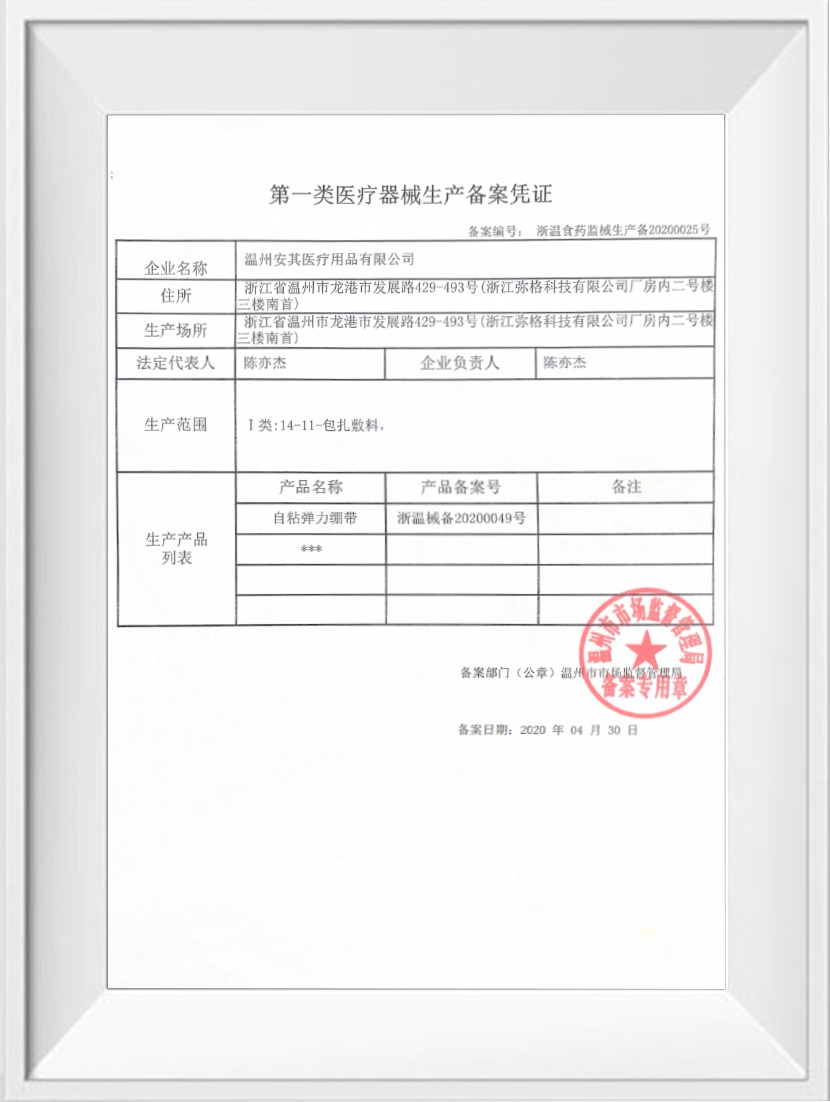
Copyright © Wenzhou Anqi Medical Supplies Co., Ltd. All Rights Reserved.
Approval No: Zhejiang Wenzhou Food and Drug Administration Machinery Production Filing No. 20200025
The information provided on this website is intended for use only in countries and jurisdictions outside of the People's Republic of China.
