
 English
 русский
 中文简体
中文简体 Español
 Deutsch
 عربى
عربى

Cotton Athletic Tape: Uses, Benefits, and Applications in Sports Support
Content
- 1 What Cotton Athletic Tape Actually Is
- 2 Why Athletes Actually Reach for This Tape
- 3 How Tape Actually Plays Into Performance
- 4 Where Cotton Athletic Tape Gets Used Most
- 5 How to Actually Apply Cotton Tape Correctly
- 6 How Cotton Tape Compares to Other Support Products
- 7 How Tape Fits Into Injury Prevention, Realistically
- 8 Beyond Competitive Sports: Everyday Use
- 9 What to Think About Before Buying
- 10 Where Cotton Tape Fits Into Everyday Sports Care
Watch a basketball player wrap their fingers before stepping onto the court, or a climber taping their fingertips before a session on the wall, and it's easy to assume that little strip of fabric is just habit or superstition. Look closer, though, and Cotton Athletic Tape is doing real mechanical work, giving joints and connective tissue a bit of extra support during exactly the movements most likely to strain them. It's a small, unglamorous product, but it's earned a permanent spot in gym bags and training rooms for practical reasons.
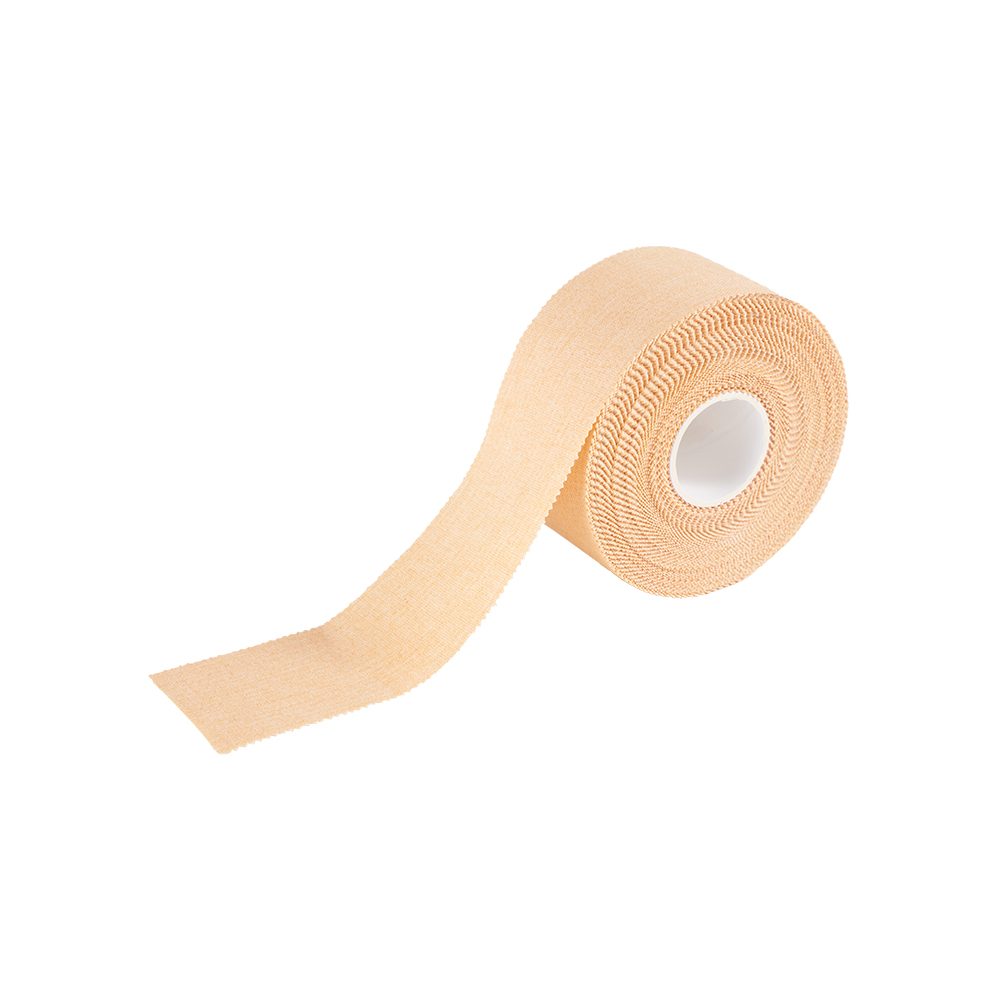
Sports place repeated stress on the body in ways everyday movement doesn't. A sprint puts sudden force through the ankles. A weightlifting session strains the wrists under load. A volleyball spike twists the fingers on contact with the ball. Cotton tape has become one of the simplest tools athletes reach for when they want a bit more support around the joints handling that stress.
What Cotton Athletic Tape Actually Is
Made primarily from cotton fabric, this tape differs from anything you'd find in a household junk drawer. It's built specifically to wrap around body parts during movement, staying in place through sweat and repeated motion while still allowing the wearer to keep training.
Athletes typically apply it before or during activity, focusing on joints that take repeated impact or need extra stability during a particular sport. A coach preparing a team before practice, or a climber taping up before a session, is using the tape the same basic way — supporting an area that's about to face real physical demand.
It's worth being clear about what this tape does and doesn't do. It isn't a treatment for injury, and it doesn't replace medical care when something's actually wrong. What it offers is support during movement, along with a bit of added body awareness that can help someone move more carefully.
Why Athletes Actually Reach for This Tape
Sports demand precise control over movement, and small shifts in how a joint moves under stress can change how well the body handles that stress. Tape plays into that dynamic in a few different ways.
- Joint support — Wrists, ankles, and fingers absorb a lot of repeated stress during sports, and wrapping tape around these areas gives a felt sense of extra stability
- Preparation habit — Many athletes tape up as a regular part of getting ready before exercise, which doubles as a reminder to move carefully
- Return-to-activity support — Some people tape an area when easing back into training after minor discomfort, though anything involving real pain calls for proper medical guidance rather than tape alone
- Added confidence — Feeling that extra layer of support around a vulnerable joint can genuinely change how confidently someone moves during a demanding activity
A volleyball player who's dealt with a finger injury before, for instance, often tapes that finger every practice afterward, not necessarily because the joint is still hurt, but because the tape gives a reassuring reminder to keep hand position controlled during contact with the ball.
How Tape Actually Plays Into Performance
Performance in any sport comes down to training, technique, physical condition, and how well someone prepares before getting started. Tape fits into that picture in a narrow but genuine way: by helping athletes stay more aware of how a taped area is moving.
Take a climber taping their fingers before a long session on rough rock. That tape doesn't make the fingers stronger, but the added awareness around finger position and grip can change how carefully that climber approaches difficult holds. Similarly, a basketball player with tape around an ankle that's been sprained before tends to move with a bit more caution during quick direction changes, simply because that extra layer keeps the joint on their mind.
None of this replaces proper warm-up, suitable footwear, or actual training. Tape works alongside those things, filling one small role in a much bigger preparation routine.
Where Cotton Athletic Tape Gets Used Most
Different sports put stress on different parts of the body, and tape application tends to follow that pattern closely.
| Body Area | Typical Reason for Taping |
|---|---|
| Wrists | Support during activities involving repeated hand or grip movement |
| Ankles | A more secure feeling during running, jumping, or quick direction changes |
| Fingers | Support during gripping, catching, or contact-heavy activities |
| Shoulders | Better movement awareness during overhead or throwing motions |
| Knees | Additional support during activities with repeated bending or impact |
A rock climber tends to focus tape around the fingers, while a basketball player leans more toward ankles and fingers together, since both areas face repeated stress during a single game. Martial arts practitioners often tape wrists and fingers before sparring, given how much grip and joint control those movements demand.
How to Actually Apply Cotton Tape Correctly
Wrapping tape haphazardly tends to backfire, either failing to provide real support or creating discomfort that distracts from the activity itself.
- Start with clean, dry skin. Tape adheres poorly and shifts around if applied over sweat or lotion.
- Wrap firmly, not tightly. The goal is support, not cutting off circulation. If fingers start tingling or turning colors after wrapping, that's a sign to loosen or remove the tape.
- Match the amount to the actual need. Excessive tape restricts natural movement more than it helps, while too little barely does anything at all.
- Learn area-specific technique. A wrapping method that works well on a wrist doesn't necessarily translate to an ankle or finger. Getting guidance from a coach, trainer, or physical therapist familiar with sports taping makes a real difference here.
- Check in after applying. Numbness, unusual discomfort, or irritation means the tape needs to come off, not push through.
A first-time user taping an ankle before a game, for example, benefits a lot from watching a trainer demonstrate the wrap once or twice rather than guessing at the right tension and pattern from scratch.
How Cotton Tape Compares to Other Support Products
Athletic support products aren't interchangeable, and cotton tape occupies a specific niche among them.
| Product Type | Main Characteristic | Typical Use |
|---|---|---|
| Cotton Athletic Tape | Fabric-based wrapping, applied fresh each time | Sport-specific prep and targeted joint support |
| Elastic support products | Stretchy, often reusable | General exercise and everyday activity support |
| Protective wraps | Broader coverage over an area | Training protection during contact-heavy activity |
Someone doing a quick daily workout at home might reach for an elastic wrap they can put on and take off repeatedly, while an athlete prepping for a specific competitive event often prefers cotton tape's more custom, one-time application suited exactly to that day's activity.
How Tape Fits Into Injury Prevention, Realistically
Preventing sports injuries involves a lot of moving parts — proper training, correct technique, suitable footwear or equipment, and recovery habits that actually get followed. Tape is one small contributor within that larger picture, not a solution on its own.
The support it offers can encourage more careful movement, and the physical reminder of a taped joint often makes athletes a bit more deliberate during high-stress moments. But tape doesn't strengthen a weak joint, and it doesn't undo poor technique or inadequate training. Treating it as one part of a broader approach, alongside proper warm-ups and attention to how the body's actually feeling, makes far more sense than relying on it as a fix by itself.
Beyond Competitive Sports: Everyday Use
Professional athletes aren't the only ones reaching for this tape. A growing number of everyday fitness participants use it too.
Someone doing regular strength training might tape their wrists before a heavy lifting session. A weekend hiker or trail runner might carry a roll in their pack in case a joint starts feeling unstable partway through. A student playing school sports might tape up before practice the same way their coach taught the team.
This broader adoption tracks with how much more people generally pay attention to their own physical care during exercise these days. A simple, understandable product like cotton tape fits easily into that kind of routine, without requiring specialized knowledge or expensive equipment to use reasonably well.
What to Think About Before Buying
Picking tape that actually works for a given activity comes down to a handful of practical considerations.
- Material feel — Cotton-based tape should sit comfortably against skin and hold up through movement and sweat
- Adhesion quality — It needs to stay put during activity, but still come off without excessive discomfort afterward
- Personal experience level — Beginners generally benefit from learning proper wrapping technique from someone experienced, rather than guessing
- Storage conditions — Keeping tape somewhere reasonably dry and temperature-stable helps it stay usable rather than losing adhesion sitting in a hot car or damp gym bag
A climber who tapes fingers multiple times a week, for instance, tends to go through tape quickly enough that storage and consistent quality become a bigger practical concern than for someone who tapes an ankle occasionally before an annual charity run.
Where Cotton Tape Fits Into Everyday Sports Care
As more people get involved in fitness and recreational sports, simple support tools like Cotton Athletic Tape continue holding a steady place in how people prepare for physical activity. Its value isn't in dramatic performance gains, but in the practical, familiar support it offers around joints facing real repeated stress.
Used thoughtfully, alongside proper training and genuine attention to how the body responds during activity, tape remains exactly what it's always been: a small, dependable part of getting ready to move well and stay comfortable while doing it.
Keep In Touch

No.455 New Town Development Road,Longgang City, Wenzhou City

 +86-0577-83728222
 +86-0577-837282222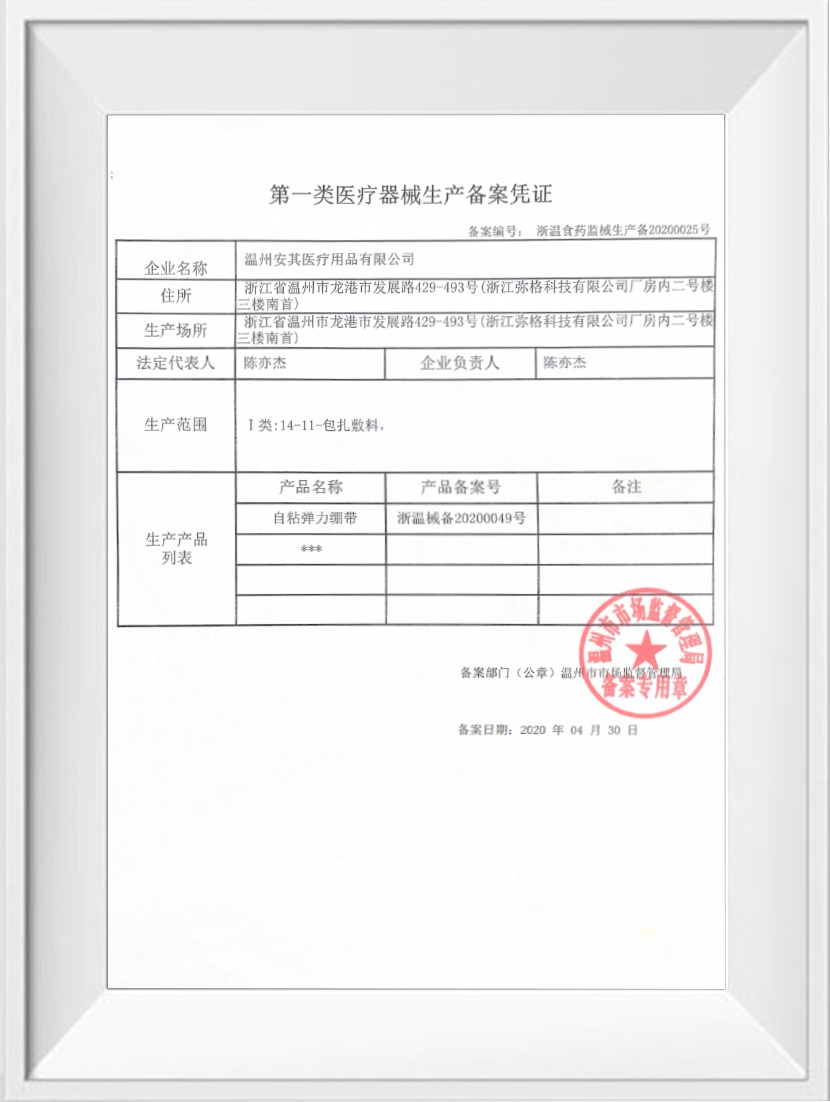
Copyright © Wenzhou Anqi Medical Supplies Co., Ltd. All Rights Reserved.
Approval No: Zhejiang Wenzhou Food and Drug Administration Machinery Production Filing No. 20200025
The information provided on this website is intended for use only in countries and jurisdictions outside of the People's Republic of China.
