
 English
 русский
 中文简体
中文简体 Español
 Deutsch
 عربى
عربى

How Cotton Athletic Tape Supports Modern Sports Care
Content
- 1 What's Actually in a Roll of Cotton Athletic Tape?
- 2 Why Has Everyday Fitness Made Sports Care a Bigger Deal?
- 3 How Is This Tape Actually Changing to Fit What People Want Now?
- 4 Why Does Cotton Specifically Keep Showing Up in This Product?
- 5 Where Does This Tape Actually Get Used?
- 6 Why Has Comfort Become Such a Big Deal in Sports Gear Generally?
- 7 How Are Manufacturers Actually Reworking the Design?
- 8 How Does This Tape Fit Into More Personalized Training Habits?
- 9 What Should Someone Actually Think About Before Buying a Roll?
- 10 How Is Manufacturing Technology Changing These Products?
- 11 Where Does Cotton Athletic Tape Fit Into Sports Care Going Forward?
A weekend basketball player twists her ankle slightly during a pickup game, nothing serious, just enough to make her nervous about playing again the following week. Her physical therapist wraps it with a strip of cotton tape before sending her back onto the court, and that simple wrap gives her enough confidence to actually move normally instead of favoring the joint out of fear. That's really the whole point of athletic tape in a nutshell — it's rarely about fixing an injury outright, it's about giving a joint or muscle enough support that a person can trust their own body again during activity. Cotton Athletic Tape has stuck around in gyms, training rooms, and sports bags for a long time, and it's still there today even as fitness culture keeps shifting toward more people training outside of formal sports teams. Understanding why it keeps earning a spot in so many kit bags says something about what athletes actually need, beyond just raw performance.
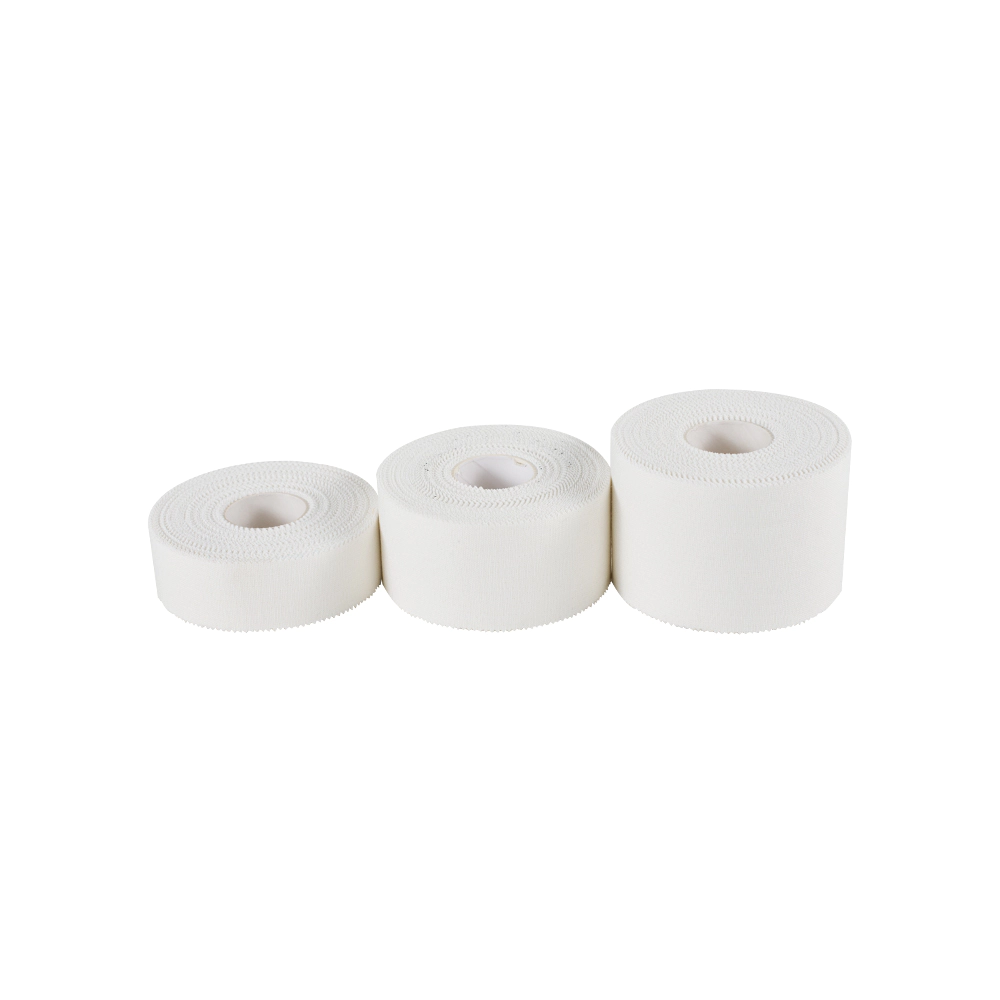
What's Actually in a Roll of Cotton Athletic Tape?
At its core, this tape is built around cotton fibers, which gives it a texture and feel that's noticeably different from the stiffer synthetic tapes some athletes use. It's designed to wrap around joints, muscles, or other areas of the body, giving a bit of external support during movement.
A typical roll breaks down into a handful of components working together:
| Part | What It Actually Does |
|---|---|
| Cotton fabric | Forms the main body of the tape |
| Adhesive layer | Keeps the tape from sliding or loosening during use |
| Surface texture | Makes it easier to handle and tear by hand |
| Packaging | Keeps the roll usable and easy to carry around |
How well any given tape performs comes down to how these pieces work together — a good adhesive with a rough surface texture isn't much use if the fabric itself feels stiff or uncomfortable against skin during a two-hour training session.
Different people end up gravitating toward slightly different products depending on how they train, how sensitive their skin is, and honestly just what feels familiar to them from past experience.
Why Has Everyday Fitness Made Sports Care a Bigger Deal?
Sports used to feel like something mostly reserved for organized teams and serious competitors. These days, plenty of people who'd never call themselves "athletes" are running, lifting, doing yoga, or joining recreational leagues on weekends, and that shift has changed what people actually expect from their gear.
A lot of that broader interest in sports care shows up around a few specific things:
- feeling comfortable during actual movement, not just looking the part
- having some kind of support available during training sessions
- getting the body ready before activity instead of just diving in cold
- paying attention to recovery afterward rather than ignoring soreness
- building small wellness habits into a regular routine
People training on their own time, without a coach or trainer standing over their shoulder, tend to pay a lot more attention to how their gear actually feels and works, since there's nobody else managing that for them.
Cotton Athletic Tape has found its place inside that broader shift, showing up in gym bags belonging to weekend warriors just as often as it does in a professional training room.
How Is This Tape Actually Changing to Fit What People Want Now?
People training today generally expect their gear to just work without creating extra hassle. A tape that's uncomfortable to wear for hours or annoying to apply correctly isn't going to earn a permanent spot in someone's routine, no matter how well it technically performs.
A few things have shifted in how Cotton Athletic Tape gets developed:
| What's Changing | What It Actually Means for Users |
|---|---|
| Softer, more comfortable materials | Makes longer wear feel less irritating |
| Simpler application | Cuts down on fumbling during a rushed pre-workout routine |
| More flexible designs | Works across different sports rather than one narrow use |
| Packaging that's easier to grab and go | Fits better into an actual gym bag or locker |
The underlying goal seems pretty simple — keep the tape doing its actual job while making it feel less like a chore to use every single time someone straps up before a workout.
Manufacturers seem to be paying closer attention to how people actually use this stuff in real gyms and locker rooms, rather than just testing it in a lab and calling it done.
Why Does Cotton Specifically Keep Showing Up in This Product?
Cotton's been a go-to fabric for a long time for reasons that have nothing to do with sports specifically — it feels natural against skin, it's familiar, and it doesn't feel like some synthetic material stuck onto your body.
That same familiarity carries over into athletic tape:
- it feels like a natural fabric rather than something plasticky
- it sits comfortably against skin during extended wear
- most people already know roughly how it handles from other textile products
- it fits naturally into how people already move and train
Not every athlete prioritizes the exact same things though. Someone with sensitive skin might care a lot about how gentle the material feels, while someone doing high-intensity training might care more about how well it stays put through heavy sweat.
Cotton tape has held onto its spot largely because it manages to balance that familiar, comfortable feel with the practical updates manufacturers keep making to the actual product.
Where Does This Tape Actually Get Used?
Sports and training cover a lot of different types of movement, and Cotton Athletic Tape has found its way into a pretty wide mix of situations.
| Setting | How It Typically Gets Used |
|---|---|
| Gym and fitness training | Supports joints during regular workout routines |
| Team sports | Helps players prep before practice or games |
| Outdoor activities | Offers support during hiking, climbing, or similar activity |
| Solo home workouts | Fits into whatever routine someone's built on their own |
How someone actually uses the tape tends to depend a lot on their specific sport, how experienced they are with taping technique, and just personal habit built up over time.
That flexibility is a big part of why this particular product hasn't been pushed out by newer alternatives — it adapts to whatever situation someone actually needs it for.
Why Has Comfort Become Such a Big Deal in Sports Gear Generally?
Comfort used to feel like a secondary consideration in sports products, something nice to have but not really the main point. That's shifted quite a bit.
Athletes training for extended stretches need gear that doesn't become a distraction partway through a session. Nobody wants to be thinking about an itchy or uncomfortable strip of tape instead of focusing on their actual workout.
Cotton Athletic Tape development increasingly pays attention to:
- how the material actually feels against skin over time
- how easy it is to apply correctly without a lot of fuss
- whether it restricts natural movement in unwanted ways
- the overall experience of using it, not just its technical support function
A product that actually feels good to use tends to become part of someone's regular routine, rather than something they reach for occasionally and otherwise forget about in a drawer.
That focus on comfort reflects something bigger happening across sports care in general — people want gear that supports what they're doing without getting in the way of actually enjoying it.
How Are Manufacturers Actually Reworking the Design?
Product design in this space keeps shifting as companies learn more about what people actually want from a roll of athletic tape.
Current development tends to focus on a handful of areas:
| Focus Area | What It's Actually For |
|---|---|
| Choosing better materials | Makes the tape more comfortable to wear |
| Refining the tape's structure | Improves how it handles and tears |
| Rethinking packaging | Makes it easier to store and carry around |
| Expanding product variety | Covers a wider range of specific uses |
There's also a growing amount of attention going toward where the materials actually come from and how responsibly they're sourced, since a lot of consumers these days pay closer attention to that kind of thing than they used to.
All these small adjustments add up to a familiar product that keeps quietly evolving rather than staying frozen exactly as it was decades ago.
How Does This Tape Fit Into More Personalized Training Habits?
Sports care in general has moved away from a one-size-fits-all approach. People increasingly pick their gear based on their specific activity and personal preferences rather than just grabbing whatever's standard.
Cotton Athletic Tape fits naturally into that shift because it's flexible enough to apply differently depending on what a specific person actually needs.
That personalization shows up across:
- different training styles, from weightlifting to running to team sports
- different levels of support someone actually wants or needs
- different environments, whether that's an outdoor trail or an indoor gym
- different comfort thresholds from one person to the next
That built-in flexibility is a big reason this tape keeps working for such a wide range of people, rather than only suiting one narrow type of athlete.
What Should Someone Actually Think About Before Buying a Roll?
Picking out athletic tape isn't just grabbing the first roll on a store shelf, at least not if someone actually wants it to work well for their specific situation.
A few practical things worth considering:
| Question to Ask | Why It Actually Matters |
|---|---|
| What activity is this actually for? | Different sports put different demands on the tape |
| How does my skin typically react to adhesives? | Comfort varies a lot from person to person |
| How comfortable am I applying it myself? | Some techniques take more practice than others |
| Where will I actually be storing it? | Heat and humidity can affect how well tape holds up over time |
Working through these questions before buying tends to lead to a product that actually fits into someone's routine, rather than sitting unused in a bag because it didn't quite match what they needed.
The right choice really comes down to how the tape fits into someone's actual lifestyle and training habits, not just which brand happens to be most familiar.
How Is Manufacturing Technology Changing These Products?
Even a product built around a traditional material like cotton keeps evolving as manufacturing methods improve behind the scenes.
Better production technology tends to support:
- more consistent quality from one roll to the next
- refined product design that responds to actual user feedback
- packaging that's more practical for everyday carrying
- a generally improved experience for whoever's actually using the tape
Pairing a familiar, trusted material with newer production approaches lets a genuinely traditional sports product keep adapting rather than getting left behind as expectations shift.
Where Does Cotton Athletic Tape Fit Into Sports Care Going Forward?
Sports care in general keeps drifting toward comfort, personalization, and gear that actually fits into someone's real daily routine rather than just sitting in a bag unused. Cotton Athletic Tape reflects that shift by pairing a material people already trust with ongoing, practical improvements to how it's actually made and used. ts role isn't tied to one specific sport or one type of athlete. It keeps showing up for casual weekend players, dedicated gym-goers, and competitive athletes alike, quietly doing the same basic job it's always done — giving people enough support to move with confidence. As fitness habits keep evolving across all kinds of people, Cotton Athletic Tape remains part of that broader shift toward gear that actually adapts to real users, the same way that basketball player's ankle wrap gave her enough confidence to get back on the court without a second thought.
Keep In Touch

No.455 New Town Development Road,Longgang City, Wenzhou City

 +86-0577-83728222
 +86-0577-837282222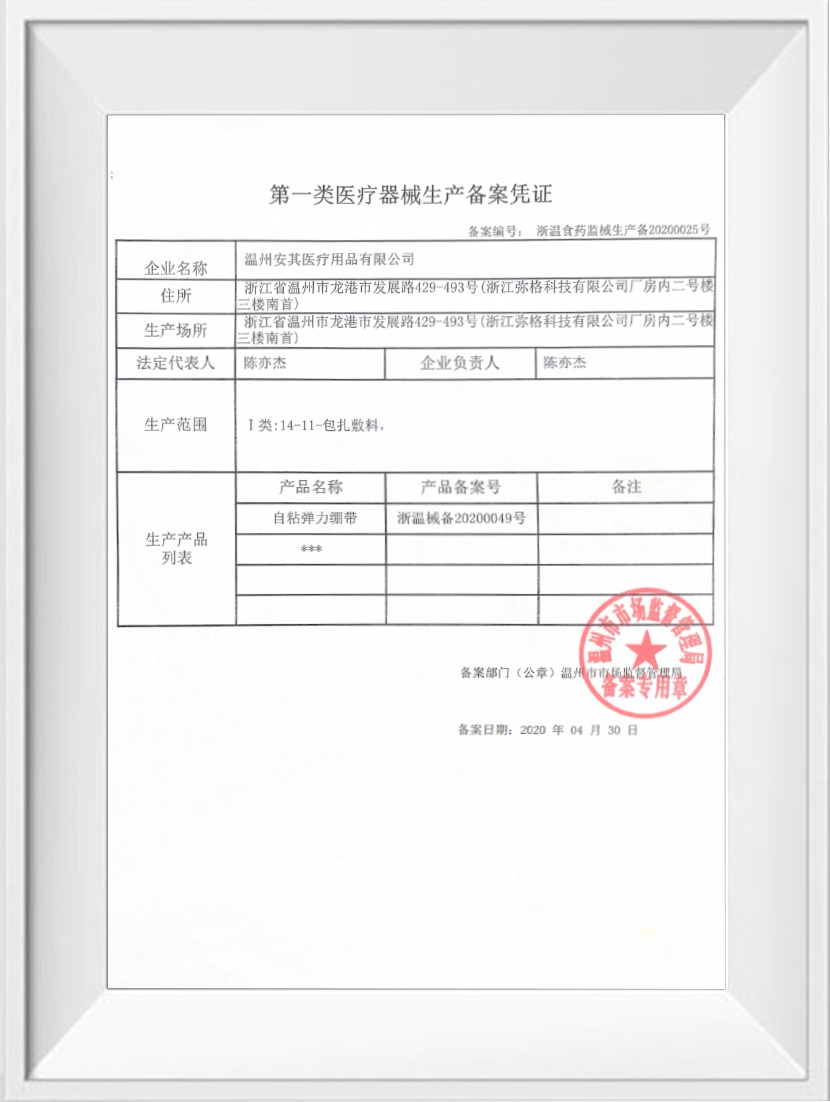
Copyright © Wenzhou Anqi Medical Supplies Co., Ltd. All Rights Reserved.
Approval No: Zhejiang Wenzhou Food and Drug Administration Machinery Production Filing No. 20200025
The information provided on this website is intended for use only in countries and jurisdictions outside of the People's Republic of China.
