
 English
 русский
 中文简体
中文简体 Español
 Deutsch
 عربى
عربى

How Are Cotton Tape Sports Products Changing for Athletes
Content
- 1 Why Are Athlete Needs Changing?
- 2 How Does Cotton Material Influence Product Design?
- 3 How Are Sports Tape Products Becoming More Comfortable to Use?
- 4 How Do Athletes Expect Tape to Fit Different Activities?
- 5 What Role Does Product Size and Packaging Play?
- 6 How Are Manufacturers Responding to Different Athlete Preferences?
- 7 How Does Sustainability Influence Cotton Tape Development?
- 8 How Are Sports Product Suppliers Improving Manufacturing Flexibility?
- 9 What Can Manufacturers Learn From Everyday Sports Use?
Athletes reach for a wide range of accessories during training, competition, recovery, and even ordinary daily movement, and small shifts in comfort can change how useful an item feels partway through a session. Cotton Tape Sport products stay familiar in this mix because they offer a simple way to support, secure, wrap, or organize sports equipment without adding unnecessary complexity to a routine someone already has memorized.
As training habits keep branching out, expectations around these products are shifting too. Users pay closer attention now to comfort, handling, material feel, application methods, and whether a given tape actually suits the activity they're doing that day.
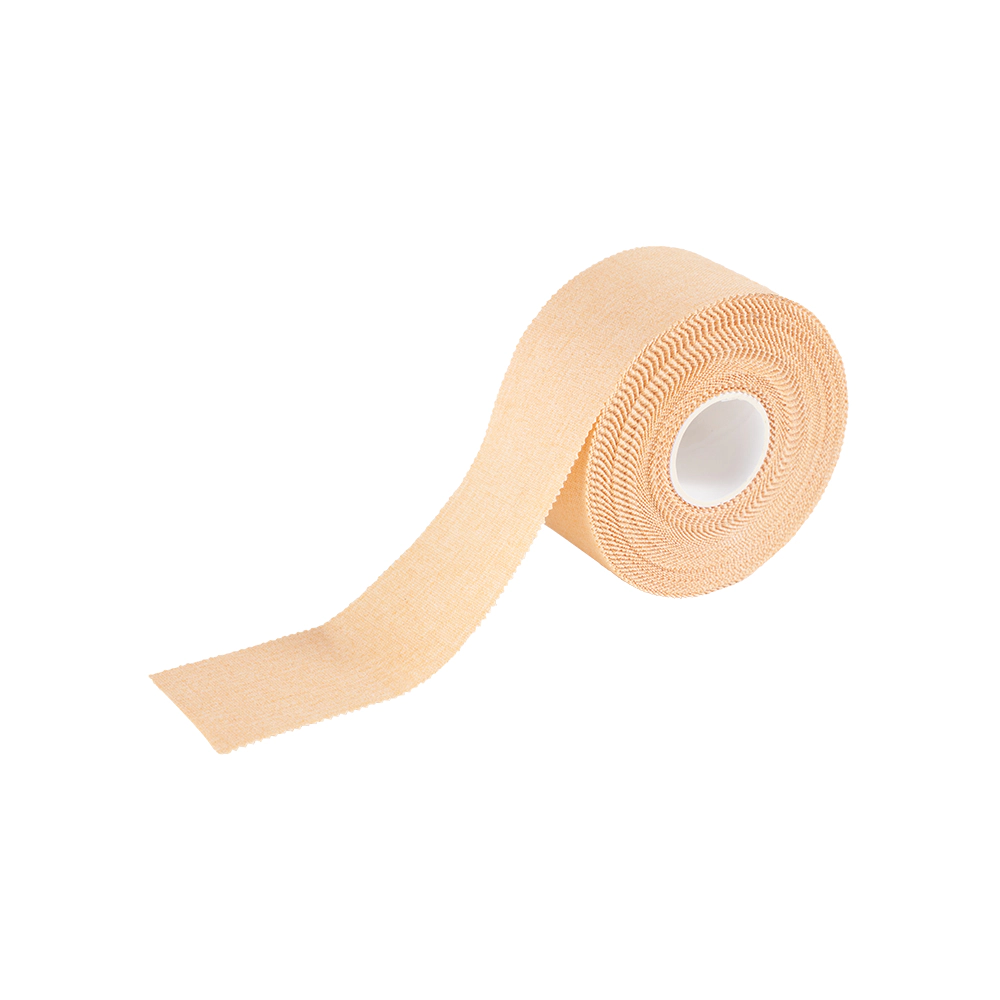
The modern sports market includes people training indoors, exercising outdoors, playing on a team, working through strength routines, and reaching for athletic accessories as part of a regular fitness habit rather than occasional use. This wider mix of users creates different expectations for tape products, so manufacturers are thinking harder about how one material can serve several applications while staying genuinely practical to use.
For sports product developers, the real challenge isn't offering Cotton Athletic Tape in a handful of different colors or wrappers. It's understanding how athletes actually handle it before, during, and after physical activity, in the small moments that rarely make it into a spec sheet.
Why Are Athlete Needs Changing?
Sports participation stopped being limited to a narrow group of competitive athletes a while ago, and recreational users and fitness enthusiasts now expect products that fit their own individual routines just as well. A person heading to the gym after work has fairly different expectations than someone practicing an outdoor sport on the weekend, yet both still want something comfortable, easy to handle, and simple to carry along.
| User Situation | Common Product Consideration |
|---|---|
| Gym training | Easy handling and comfortable feel |
| Team sports | Secure application during movement |
| Outdoor exercise | Practicality and portability |
| Fitness classes | Quick application and removal |
| Recovery routines | Gentle handling and flexible use |
| Everyday activity | Convenient storage and transport |
Athletes also tend to judge products by how well they fit into an overall routine, rather than evaluating them as standalone accessories sitting alone on a shelf. A roll of Cotton Sport Adhesive Tape often gets used alongside gloves, wraps, protective gear, or other training tools, which makes compatibility with everyday equipment matter more than it used to.
This shift pushes manufacturers to think through the complete user experience instead of focusing narrowly on one basic function like adhesion or tear strength. Cotton remains appealing in this environment because its familiar material feel keeps the product approachable for people who'd rather not overthink their sports accessories.
How Does Cotton Material Influence Product Design?
Material selection shapes how a sports tape feels during application and while someone is actually moving around, which is why cotton stays relevant for products meant for regular athletic use. Its familiar texture keeps handling straightforward, while its flexible structure gives manufacturers room to balance comfort, support, and ease of use in different ways.
The material also lets product developers adjust surface and construction depending on how the tape will actually get applied.
| Material Consideration | Possible User Benefit |
|---|---|
| Soft surface feel | More comfortable handling |
| Flexible construction | Easier application |
| Familiar texture | Simple user experience |
| Adaptable structure | Support for different uses |
| Easy handling | Convenient preparation |
Athletes often notice material characteristics through small, easy-to-miss moments, tearing off a section before a run, wrapping an ankle before practice, adjusting the tape mid-session, or peeling it off after training ends. These interactions might seem minor on their own, but they quietly influence whether a product becomes part of someone's regular routine or gets abandoned after one try.
Manufacturers therefore need to think about how the material behaves across the whole product life, not just how it looks fresh out of the packaging. A well-planned Cotton Athletic Tape product gets designed around practical handling without leaning on inflated claims about athletic performance it can't back up.
How Are Sports Tape Products Becoming More Comfortable to Use?
Comfort has turned into a broader idea within sports accessories than it used to be. It now covers material feel, flexibility, ease of application, how the product sits during movement, and how easily someone can remove or swap it out mid-training.
Athletes often spend long stretches training in one sitting, so accessories that feel awkward or need constant fiddling can turn genuinely distracting. That's pushed manufacturers to look closer at the relationship between tape structure and everyday movement patterns.
| Comfort Area | Design Focus |
|---|---|
| Surface feel | Pleasant contact during use |
| Flexibility | Natural movement |
| Application | Simple positioning |
| Removal | Convenient replacement |
| Handling | Easy preparation before activity |
Comfort also depends heavily on the activity itself, not just the tape. Someone doing controlled indoor training might value a different feel than someone repeating the same outdoor movement fifty times in a row on uneven ground.
Manufacturers can respond by developing variations that actually reflect these differences instead of assuming every athlete wants the same thing out of a roll of tape. This approach lets Cotton Tape Sport products stay practical while keeping pace with increasingly varied training habits.
How Do Athletes Expect Tape to Fit Different Activities?
Sports bring different movement patterns, equipment setups, and personal quirks into the picture. A product used during strength training may need to sit comfortably around joints that get worked repeatedly, while a product used during recreational sports needs to stay put through faster, less predictable movement.
Manufacturers can address these differences through variations in construction, packaging, application guidance, and intended use, rather than pushing one universal product. The point isn't building a single tape that handles every possible situation on its own.
Instead, product development can focus on helping people figure out which option actually suits their activity.
| Activity Type | Product Development Consideration |
|---|---|
| Strength training | Convenient handling |
| Running | Comfortable movement |
| Team sports | Secure application |
| Outdoor activities | Portable packaging |
| Fitness practice | Easy preparation |
| General exercise | Flexible everyday use |
This activity-based approach also makes product information easier for shoppers to actually understand at the point of purchase. Clear, specific descriptions help people pick a Cotton Sport Adhesive Tape based on their own routine rather than relying on vague, broad claims printed on the packaging.
For manufacturers, paying attention to these differences supports more focused product development and cuts down on features nobody actually asked for.
What Role Does Product Size and Packaging Play?
Sports accessories get carried from home to a gym, a training field, a workplace, or an outdoor trail more often than people realize. Packaging affects a lot more than how a product looks sitting on a store shelf.
Compact storage keeps a roll of tape easy to tuck into a sports bag alongside everything else, while practical dispensing shaves time off preparation before an activity actually starts. Manufacturers pay real attention now to how people open, store, carry, and reach for tape in the middle of ordinary daily situations.
| Packaging Feature | Practical Purpose |
|---|---|
| Compact format | Easier transportation |
| Clear product information | Supports product selection |
| Easy access | Simplifies preparation |
| Secure storage | Helps protect unused tape |
| Organized presentation | Improves handling |
Packaging also shapes how products get grouped for different buyers. Individual athletes tend to prefer convenient personal formats they can toss in a gym bag, while training facilities or sports organizations often need larger supply arrangements sent in bulk.
This gives manufacturers room to offer different packaging approaches without touching the basic material concept underneath. The focus stays on making the product easier to work into real sports routines, not just easier to display in a store.
How Are Manufacturers Responding to Different Athlete Preferences?
Athletes don't all want the same appearance or handling experience out of a roll of tape. Some prefer a simple, traditional look, while others look for particular colors, packaging styles, or product formats that fit their personal gear setup.
Customization can become a genuine part of the development process here rather than an afterthought. Manufacturers may work through color selection, printed packaging, product dimensions, surface characteristics, and application formats directly with customers who have specific needs.
| Customization Area | Potential Application |
|---|---|
| Color | Personal or team preferences |
| Packaging | Retail or professional use |
| Product format | Different activity needs |
| Labeling | Clear product identification |
| Presentation | Brand or market positioning |
Customization works best staying practical rather than turning into a pile of unnecessary add-ons nobody uses. Sports users generally just need to understand what a product is built for and how it slots into their routine without extra explanation.
Clear product communication makes customized Cotton Athletic Tape products easier to actually use and distribute once they're out of the factory. This matters a lot for businesses supplying sports accessories across different markets, where buyer expectations can shift quite a bit depending on the activity and the sales channel involved.
How Does Sustainability Influence Cotton Tape Development?
Environmental considerations have worked their way into a lot of sports product conversations lately. Athletes and buyers alike are paying more attention to material choices, packaging, how long a product stays useful, and how much material gets wasted during production in the first place.
Cotton-based products fit into this wider conversation naturally, since material selection is one piece of a product's overall environmental footprint. That said, manufacturers do better avoiding sweeping environmental claims without solid evidence to back them up.
Product development can instead focus on practical improvements, cutting unnecessary packaging, simplifying product structures, or tightening up manufacturing efficiency step by step.
| Development Area | Practical Question |
|---|---|
| Material use | Is the structure appropriate for its purpose? |
| Packaging | Can unnecessary packaging be reduced? |
| Product life | Can the product remain useful during its intended use? |
| Production | Can manufacturing steps be organized efficiently? |
| Distribution | Can storage and transport be handled conveniently? |
None of this replaces the basic functional requirements athletes still expect from a sports accessory. A Cotton Sport Adhesive Tape still needs to be easy to handle and suited to its actual use, no matter how thoughtfully it's packaged.
Sustainability becomes another factor sitting alongside comfort, convenience, and everyday usability, not a replacement for any of them.
How Are Sports Product Suppliers Improving Manufacturing Flexibility?
Shifting athlete preferences create more variation in what a manufacturer actually has to deliver. Suppliers may need to support different packaging formats, application styles, customer specifications, and distribution channels all at once, while keeping production from turning into chaos.
Flexible manufacturing helps suppliers handle these differences without treating every single order like a brand new project from scratch. Production planning, material sourcing, inspection, packaging, and order management all feed into that flexibility together.
| Manufacturing Area | Development Focus |
|---|---|
| Material preparation | Consistent input quality |
| Production | Stable product formation |
| Inspection | Appearance and usability checks |
| Packaging | Different market requirements |
| Order management | Flexible customer support |
Quality inspection also needs to reflect how a product actually gets used in the field, not just how it looks fresh off the line. Checking appearance alone doesn't tell a manufacturer much if the tape is going to be handled repeatedly during sports activities that put real stress on it.
Manufacturers can instead look at practical characteristics like clean edges, consistent construction, packaging condition, and how easily the roll actually handles in someone's hands. That connects factory-floor processes back to what the end user actually experiences.
What Can Manufacturers Learn From Everyday Sports Use?
Everyday use hands manufacturers useful clues about where sports accessories can genuinely improve. An athlete might notice a roll is hard to open while rushing to get ready for practice, awkward to carry between locations, or uncomfortable to handle after repeated applications through a long season.
Observations like these can surface opportunities that never show up in a purely technical product review conducted in a lab. Manufacturers can study different real-world situations to figure out where small tweaks might make a product easier to fold into someone's routine.
This process often draws on feedback from distributors, coaches, retailers, sports organizations, and everyday individual users who actually use the tape week after week.
| User Feedback Area | Development Opportunity |
|---|---|
| Handling | Improve application convenience |
| Storage | Refine packaging format |
| Comfort | Review material feel |
| Portability | Simplify carrying |
| Product selection | Improve labeling and descriptions |
Feedback like this matters because sports products get experienced through repeated, ordinary daily interactions rather than a single dramatic test. A small inconvenience becomes noticeable fast once an accessory gets used over and over, week after week.
A small improvement, in turn, can make a product easier to understand and use without changing its basic purpose or reinventing the wheel. The same reasoning applies to other sports accessories, where comfort, portability, material choice, and application method increasingly shape what people actually decide to buy.
As athlete needs keep branching out in different directions, Cotton Tape Sport products are being developed with closer attention to practical use, personal preference, flexible packaging, and the wide range of environments athletes actually train in. For manufacturers and suppliers, paying attention to these everyday details offers a clearer path toward shaping product design around how athletes actually train, travel, prepare, and organize their gear.
Keep In Touch

No.455 New Town Development Road,Longgang City, Wenzhou City

 +86-0577-83728222
 +86-0577-837282222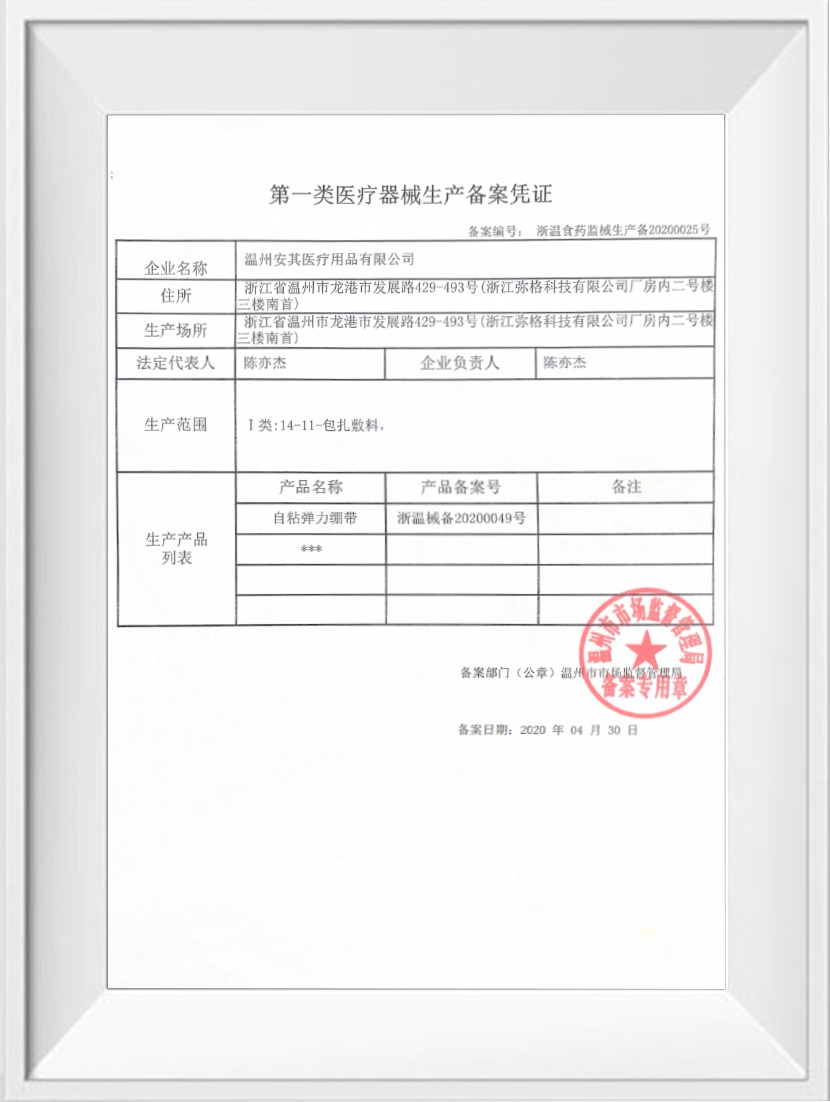
Copyright © Wenzhou Anqi Medical Supplies Co., Ltd. All Rights Reserved.
Approval No: Zhejiang Wenzhou Food and Drug Administration Machinery Production Filing No. 20200025
The information provided on this website is intended for use only in countries and jurisdictions outside of the People's Republic of China.
