
 English
 русский
 中文简体
中文简体 Español
 Deutsch
 عربى
عربى

What Features Matter for Sports and Fashion Tape
Content
- 1 Why Do Sports and Fashion Tapes Need More Than Strong Adhesion?
- 2 How Does Material Choice Influence User Comfort?
- 3 What Makes Cotton Athletic Tape Useful for Sports Applications?
- 4 How Does China Kinesiology Tape Fit Into Active Use?
- 5 Why Is Clothing Compatibility Important for Fashion Tape?
- 6 How Do Adhesion and Flexibility Need to Work Together?
- 7 What Role Does Product Design Play in Application and Removal?
- 8 What Should Buyers Look for When Comparing Sports and Fashion Tape Products?
Tape shows up in surprisingly different corners of daily life. A runner might wrap an ankle before a morning session, while someone getting ready for a formal event might reach for tape to keep a neckline in place under a dress.
These two situations look nothing alike on the surface, yet they share a practical question. What actually makes a tape usable for repeated, real-world wear?
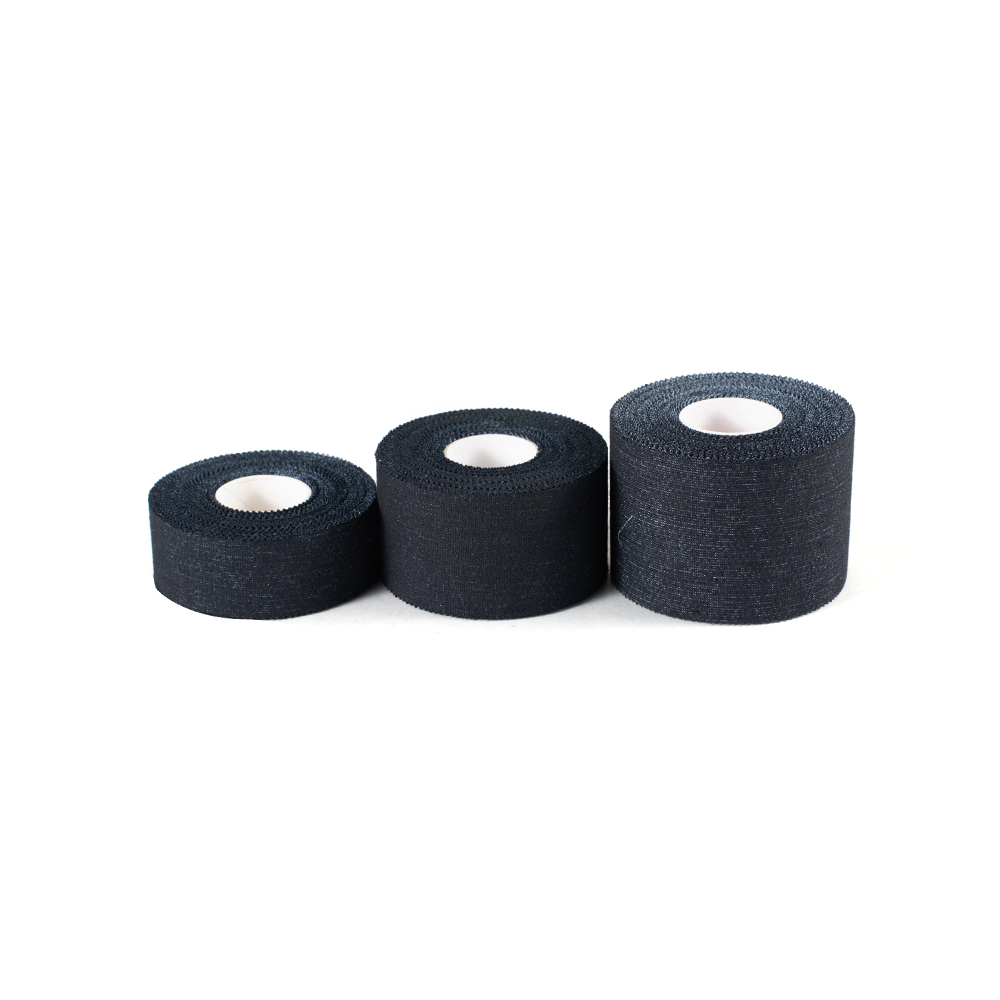
Material feel, adhesion, flexibility, skin contact, application method, and removal experience all shape how a product performs once it leaves the packaging. A tape meant for movement needs to follow the body without becoming a distraction, while a fashion tape needs to work quietly with clothing and stay out of sight.
Cotton Athletic Tape, China Kinesiology Tape, and products from a Boob Tape Manufacturer serve different purposes on paper, but each one still depends on design choices that match how people actually use it.
Why Do Sports and Fashion Tapes Need More Than Strong Adhesion?
Adhesion matters, but a tape that sticks harder isn't automatically the better choice. A product needs to stay put during movement while remaining comfortable against skin and manageable once it's time to take it off.
Sports users deal with repeated motion, sweat, clothing friction, and shifting body positions during a single workout. Fashion users face a different set of pressures, like fabric contact and the need for the tape to stay invisible under a blouse or gown.
| Application | Main Product Consideration |
|---|---|
| Athletic support | Stable contact during movement |
| Training | Comfort during active use |
| Everyday wear | Easy application and removal |
| Clothing support | Compatibility with garments |
| Fashion styling | Discreet appearance |
| Extended wear | Skin comfort and secure placement |
Adhesive should be judged as part of a full experience rather than a standalone spec. A tape that stays attached but irritates the skin doesn't really solve the problem it was bought for.
Surface preparation changes the outcome too. Clean, dry skin behaves differently from skin with lotion or sweat on it, so following a product's own application instructions makes a real difference in how long it holds.
How Does Material Choice Influence User Comfort?
Backing material shapes how tape feels once it's on the body. A stiffer material gives a firmer sensation, while a flexible one moves along with changes in posture.
Sports tape and fashion tape often call for different levels of flexibility, but comfort stays relevant in both. Nobody wants to spend an afternoon thinking about the tape on their skin instead of whatever they're actually doing.
Cotton Athletic Tape carries a fabric-based feel that suits users who want something familiar against the skin. That texture also affects how the product interacts with clothing and moisture over the course of a workout.
| Material Characteristic | User Experience |
|---|---|
| Soft surface | More comfortable skin contact |
| Flexible backing | Easier movement with body contours |
| Stable structure | Helps maintain tape shape |
| Breathable feel | Can support comfort during wear |
| Smooth surface | May work well beneath clothing |
No single material handles every situation. An athlete doing repeated squats or sprints values flexibility and secure contact, while someone wearing tape under a fitted top pays more attention to whether it's visible or bulky.
Texture matters during application too. Tape that's easy to handle helps someone position it correctly on their own, without needing a second pair of hands in the bathroom mirror.
What Makes Cotton Athletic Tape Useful for Sports Applications?
Sports tape gets used in situations where the body barely stops moving. A soccer player wraps an ankle before a match, or a gym regular tapes a wrist before lifting.
Cotton Athletic Tape suits users who want a fabric-based product they can handle and position around a joint or muscle group. Its real value comes from construction and adhesive behavior working together during actual movement, not just on a spec sheet.
Sweat, friction from clothing, repeated bending, and contact with equipment all test the tape over the course of a session. It needs to stay manageable while the athlete focuses on the activity instead of adjusting a slipping strip.
| Sports Scenario | Product Feature to Consider |
|---|---|
| Training sessions | Comfortable movement |
| Fitness routines | Secure placement |
| Running | Resistance to everyday movement |
| Ball sports | Flexible body contact |
| General exercise | Easy application |
Application technique matters as much as the product itself. Tape should go on following manufacturer instructions, and it shouldn't be applied over irritated or broken skin without guidance from someone qualified.
The intended sport shapes preferred format too. A tape for general fitness has different requirements than one wrapped repeatedly around a knee during basketball drills.
How Does China Kinesiology Tape Fit Into Active Use?
China Kinesiology Tape belongs to the same active-use category, with design choices centered on flexibility, skin contact, and the ability to follow body contours mid-motion. Where the product comes from matters less than how well it's built for its intended job.
Active users shift through many positions in a single session, whether that's a yoga class or a warehouse shift involving constant bending. A tape product needs to stay comfortable through all of it, not just during the first ten minutes.
| Active Use Factor | Why It Matters |
|---|---|
| Body movement | Tape needs to remain manageable |
| Skin contact | Influences wearing comfort |
| Perspiration | Can affect user experience |
| Application area | Determines how the tape should be positioned |
| Removal | Influences overall satisfaction |
Packaging affects how the product gets used day to day. Individual rolls suit gym bags, while pre-cut pieces might suit a physical therapy clinic handing out strips between patients.
Product information should spell out intended use clearly. Customers benefit from knowing where the tape goes, how it should be positioned, and how to peel it off without discomfort at the end of the day.
Why Is Clothing Compatibility Important for Fashion Tape?
Fashion tape operates in a different world from athletic tape. It shows up with backless dresses, strapless tops, stage costumes, and other outfits where visible support would ruin the look.
The tape has to interact with fabric as well as skin, and that relationship decides whether a garment stays put through a night out. A Boob Tape Manufacturer has to weigh several of these factors at the design stage rather than treating adhesion as the only variable.
| Fashion Requirement | Product Consideration |
|---|---|
| Garment support | Suitable adhesion |
| Skin contact | Comfortable surface |
| Visible clothing | Discreet placement |
| Body movement | Flexible backing |
| Removal | Manageable handling |
| Different garments | Appropriate fabric compatibility |
Different fabrics respond differently once tape touches them. A silk blouse behaves nothing like a heavier cotton dress, so checking fabric compatibility beforehand saves someone from an awkward surprise mid-event.
Skin sensitivity deserves attention as well, since fashion tape often sits directly on the body for hours at a stretch. Clear instructions about proper use, and about situations where the product shouldn't be applied, protect the wearer from unnecessary irritation.
How Do Adhesion and Flexibility Need to Work Together?
Adhesion and flexibility rarely work in isolation. A tape might stick firmly while still needing to move with the body underneath it, and a rigid backing can cause pulling or discomfort even when the adhesive itself hasn't failed.
A flexible tape follows natural movement more easily, though flexibility shouldn't come at the cost of making the product hard to handle. Someone trying to apply tape one-handed in a locker room notices this tradeoff quickly.
| Product Balance | Practical Effect |
|---|---|
| Adhesion + flexibility | Supports movement and placement |
| Firm backing + stable adhesion | Useful for controlled applications |
| Soft backing + moderate adhesion | May suit comfort-focused uses |
| Flexible backing + garment contact | Can support clothing applications |
An athletic application involves repeated movement and sweat, while a fashion application involves movement too, plus ongoing contact with clothing. Buyers benefit from asking whether adhesion matches the expected movement and duration, rather than simply asking whether a product is "strong."
What Role Does Product Design Play in Application and Removal?
A tape can have solid materials and reasonable adhesion yet still frustrate users if it's awkward to apply. People often need to cut it, wrap it around a joint, smooth it against skin, or adjust clothing while working with it.
| Design Area | User Benefit |
|---|---|
| Easy-to-handle roll | Simplifies application |
| Pre-cut format | Reduces preparation |
| Clear packaging | Helps identify the product |
| Protective backing | Supports clean handling |
| Simple instructions | Reduces application confusion |
Removal deserves the same attention as application. The end of the wearing period is part of the experience too, and clear guidance on removing the product and caring for skin afterward prevents unnecessary discomfort at the end of a long day or a workout.
Storage conditions matter as well, since adhesive products can degrade in the wrong environment. Packaging that protects the product before purchase, paired with clear storage instructions, helps the tape perform as intended once it finally gets used.
What Should Buyers Look for When Comparing Sports and Fashion Tape Products?
Buyers typically compare tape from a commercial angle, weighing materials, formats, packaging, and how well a supplier communicates. A useful starting point is identifying the actual customer who will use the product.
A sports retailer needs products for athletes and gym-goers, while a fashion distributor focuses on garment compatibility and discreet support. A general retailer might want a broader range covering both.
| Buyer Question | Why It Matters |
|---|---|
| Who will use the tape? | Defines the application |
| What surface will it contact? | Influences material choice |
| How much movement is expected? | Helps determine flexibility needs |
| What clothing may be involved? | Affects fashion applications |
| How will it be packaged? | Influences retail handling |
| What instructions are provided? | Supports proper use |
Specific conversations with suppliers work better than vague requests for "strong tape." Explaining the intended activity, body area, clothing type, and expected user experience gives a supplier a real basis for recommending the right product, whether that's Cotton Athletic Tape, China Kinesiology Tape, or something from a Boob Tape Manufacturer.
Sports and fashion look like separate worlds, but both depend on how people actually interact with tape during ordinary days. Movement, skin contact, clothing, comfort, adhesion, application, and removal shape that experience in both markets, and paying attention to those overlapping details tends to matter more than chasing any single standout feature.
Keep In Touch

No.455 New Town Development Road,Longgang City, Wenzhou City

 +86-0577-83728222
 +86-0577-837282222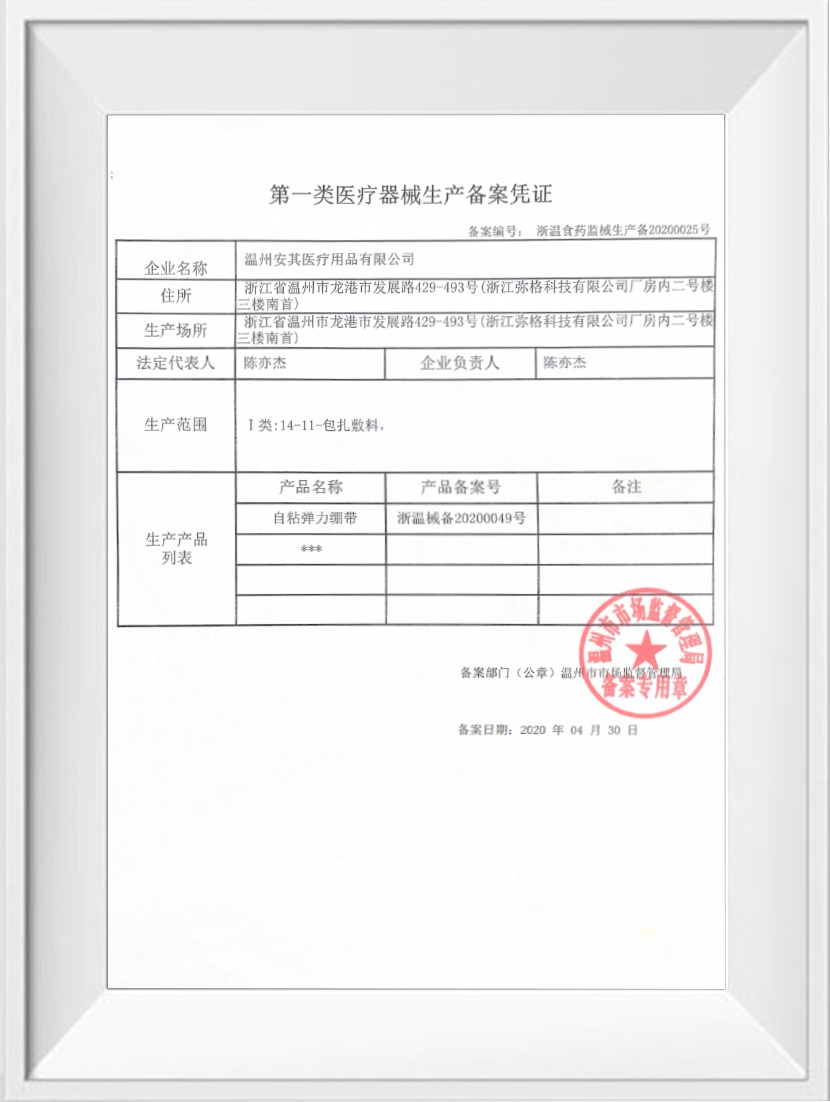
Copyright © Wenzhou Anqi Medical Supplies Co., Ltd. All Rights Reserved.
Approval No: Zhejiang Wenzhou Food and Drug Administration Machinery Production Filing No. 20200025
The information provided on this website is intended for use only in countries and jurisdictions outside of the People's Republic of China.
