
 English
 русский
 中文简体
 Español
 Deutsch
 عربى


Which Factors Affect the Performance of Cotton Tape Sport
Content
- 1 What Role Does Cotton Material Play in Sports Tape Performance?
- 2 How Does Fabric Structure Influence the Performance of Cotton Sports Tape?
- 3 Why Is Adhesive Quality Important for Cotton Tape Sport ?
- 4 How Does Elasticity Affect Comfort and Movement?
- 5 Can Moisture and Sweat Change the Performance of Cotton Sports Tape?
- 6 What Makes Skin Compatibility an Important Performance Factor?
- 7 How Do Manufacturing Processes Affect Product Consistency?
- 8 Which Factors Should Buyers Consider When Choosing Cotton Tape Sport?
Athletes reach for cotton tape sport all the time. It supports muscles and joints, protects sensitive spots and helps keep movement under control during exercise. How well it performs shapes comfort, flexibility, skin contact and the whole experience of wearing it. Still, not every cotton sports tape behaves the same way.
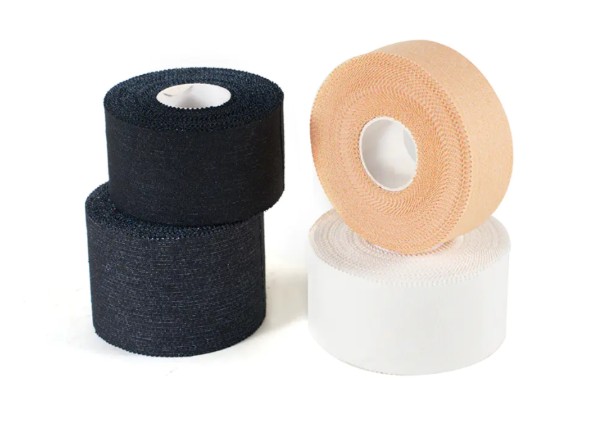
Fiber quality, adhesive properties, fabric structure, elasticity and moisture resistance all affect how the tape works mid-activity. Small differences in any of them can change how a roll feels on the skin or copes with repeated movement. Athletes, coaches, suppliers and manufacturers all gain from understanding these factors when they choose or develop a product.
Sports tape now turns up in many more training settings, and that has put product consistency under a brighter spotlight. Users expect the tape to stay put during exercise, without irritating the skin or getting in the way of normal movement. Delivering that takes attention to several parts of design and production.
What Role Does Cotton Material Play in Sports Tape Performance?
Cotton is a main material in sports tape thanks to its natural texture, softness and ability to absorb moisture. The character of the fibers shapes both the feel and the practical performance of the finished product.
Raw cotton quality is a key point. Fibers with a consistent structure produce a more uniform fabric. That means steadier contact with the skin and fewer rough patches that cause discomfort over long wear. When fiber quality swings widely, the finished tape ends up with an uneven surface or patchy strength.
Cotton is also comfortable to wear. During exercise the tape stays on the body while users stretch, bend and shift position. A soft surface cuts friction and makes the tape easier to live with in regular sport.
Moisture absorption is another strength. Training, especially outdoors or at high intensity, brings sweat. Cotton fibers take up some of it and help manage perspiration around the covered area. But absorbing moisture doesn't keep the tape dry. Heavy sweating can still hurt comfort and adhesion.
Manufacturers have to weigh fiber quality, softness and durability together. A material that feels lovely but lacks strength won't give stable support. A strong but scratchy fabric will disappoint users who care about skin comfort.
How Does Fabric Structure Influence the Performance of Cotton Sports Tape?
Fabric structure decides how the tape reacts to pulling, bending and movement. It also affects surface texture, flexibility and how well the tape keeps its shape in use.
A well-organized structure spreads tension across the tape. When the material is stretched or wrapped around a joint, it needs to respond evenly. If the structure is inconsistent, some zones carry more tension than others, and that changes how the tape sits on the skin and performs during activity.
Density matters too. A tight structure feels firm and holds its shape. Push density too far, though, and flexibility drops, which makes the tape less comfortable on areas that move often.
A more open structure gives greater flexibility and airflow. That helps during repetitive, sweaty activity. The fabric still needs enough strength to resist tearing and keep its form.
Balancing stability against flexibility is the hard part. Sports tape should follow the body's natural motion and not act like a rigid shell. Yet it shouldn't go slack or distorted at the first opportunity.
So manufacturers have to look at weaving methods, yarn selection and fabric finishing as a package. Together they set the final texture and decide whether the tape meets the practical needs of different sports.
Why Is Adhesive Quality Important for Cotton Tape Sport ?
Users notice adhesive performance more than almost anything else. Even a soft, durable cotton fabric is frustrating if it won't stick properly.
The adhesive has to stay in contact with the skin through normal activity. Athletes sweat, stretch muscles, bend joints and rub against clothing, and each of these puts extra demands on the adhesive layer.
If the adhesive is too weak, the edges start to lift during movement. Once they do, dirt and moisture creep underneath. Stability falls and the tape becomes uncomfortable.
More grip isn't always better, though. An overly aggressive adhesive can hurt on removal or leave residue behind. Sensitive users may also react to it, depending on their skin and the formulation.
A good adhesive balances several needs:
- Initial adhesion: The tape should attach to the skin without heavy pressure.
- Holding ability: It should stay in place through ordinary sports movements.
- Flexibility: The adhesive layer should move with the fabric as the body moves.
- Removal experience: The tape should come off without needless tugging or pain.
- Consistency: The adhesive should be spread evenly across the fabric surface.
The formulation must also work with cotton. Poor compatibility between fabric and adhesive weakens bonding or makes application uneven. Manufacturers need to watch both the adhesive itself and the method used to apply it.
How Does Elasticity Affect Comfort and Movement?
Elasticity directly controls how the tape responds to the body. Sports differ in their movement patterns, so the tape needs the right amount of give for its intended use.
Running means repeated leg and foot motion. Tennis and other racket sports bring sudden changes of direction and constant arm movement. Weight training involves muscle contraction and joint bending again and again. In all of these, the tape should follow natural movement without adding stress.
A tape that is too rigid restricts motion or feels awkward whenever the covered area changes position. People then think twice about wearing it for longer sessions.
Too much stretch causes its own problems. A tape that gives way too easily loses its shape after repeated movement, and it feels inconsistent from one body area to another.
Fabric elasticity and adhesive performance have to work as a pair. When the tape is stretched, fabric and adhesive should respond together. If the fabric expands but the adhesive layer can't keep up, the bond with the skin turns unstable.
Manufacturers should build the fabric structure around the intended use. A product for areas that move constantly needs different flexibility from one meant to give firmer coverage.
The aim is a comfortable balance of movement, fabric recovery and stable skin contact. That keeps cotton sports tape practical across many athletic activities.
Can Moisture and Sweat Change the Performance of Cotton Sports Tape?
Moisture is a regular headache in sport. Sweat builds up beneath the tape, especially in long sessions or warm conditions, and it affects both the fabric and the adhesive.
Cotton absorbs moisture, which helps manage perspiration at the contact surface. Once it has soaked up a lot of sweat, though, it gets heavier and dries slowly. A damp surface also changes how the tape feels on the skin.
Adhesive performance can suffer as well. Depending on the formulation, sweat weakens the bond between tape and skin, so edges lift or the tape shifts during movement.
Humidity in the environment creates similar trouble. Tape stored in damp conditions may see its material or adhesive properties change. That makes storage part of overall product performance.
A few points deserve attention when judging moisture-related performance:
- Absorption capacity: How the cotton fabric handles perspiration during activity.
- Drying characteristics: Whether the material releases moisture within a reasonable time.
- Adhesive stability: How well the adhesive holds contact when exposed to sweat.
- Skin comfort: Whether the tape becomes unpleasant once moisture collects.
- Environmental conditions: How temperature and humidity affect storage and use.
Keep in mind that moisture resistance and moisture absorption are different features. Cotton soaks up perspiration, but that doesn't stop water from interfering with the adhesive. Choose a product that fits the conditions where it will actually be used.
What Makes Skin Compatibility an Important Performance Factor?
Cotton sports tape goes straight onto the skin, so skin compatibility belongs in any evaluation. A tape can have good flexibility and adhesion and still deliver a poor experience if the material or adhesive irritates.
Skin sensitivity differs from person to person. Some users wear adhesive products without any trouble, while others get redness, itching or discomfort. The cause might be the adhesive ingredients, the way the tape was applied, how long it stayed on or the person's own skin condition.
Fabric surface texture counts as well. Rough fibers, uneven edges or a poorly finished surface add friction as the body moves. Areas that flex repeatedly are especially prone to this.
Manufacturers should look hard at the adhesive formulation. They need to evaluate the materials used and confirm they are appropriate for direct skin contact. Product descriptions should also state the intended use and any relevant precautions.
Application habits affect comfort too. Tape put on wet, oily or irritated skin attaches poorly and is more likely to cause discomfort. Users should apply sports tape to clean, dry, healthy skin and follow the product instructions.
Removal is part of the picture. Ripping the tape off quickly, or against the direction of natural skin movement, can irritate. A gentle removal experience is therefore a real product development goal.
For manufacturers, skin compatibility is no side issue. It ties directly to customer satisfaction, product reliability and whether the tape works for regular use.
How Do Manufacturing Processes Affect Product Consistency?
Production methods leave a strong mark on the finished tape. Two makers can start with similar raw materials and still end up with different products.
Material preparation comes first. Cotton fibers have to be processed so that the fabric forms consistently. If the raw material has uneven fibers or leftover impurities, the fabric will vary in texture and strength.
Fabric production needs tight control too. Weaving or knitting methods determine how the fibers are arranged, and small variations change flexibility, surface smoothness and tear resistance.
Adhesive application is just as critical. An uneven layer leaves areas with different holding power. Some sections grip firmly while others lose contact easily. Consistent application narrows those gaps.
Cutting and finishing play a role. Ragged edges make neat application harder, and poor finishing affects appearance and handling. Packaging should shield the material and adhesive from exposure during shipping and storage.
Quality inspection should cover the main features of the finished product and not stop at appearance. Manufacturers may evaluate:
| Inspection Area | Main Consideration |
|---|---|
| Fabric quality | Surface smoothness, strength, and consistency |
| Adhesive application | Even distribution and stable bonding |
| Flexibility | Response to stretching and body movement |
| Edge finishing | Clean cuts and consistent shape |
| Skin contact | Comfort and suitability for intended use |
| Packaging | Protection from dust, moisture, and damage |
Consistent output matters to suppliers serving sports equipment distributors, retailers and other business customers. Buyers expect products within one order to match each other. Reliable manufacturing practices cut down on surprises between batches.
Which Factors Should Buyers Consider When Choosing Cotton Tape Sport?
Picking cotton sports tape takes more than reading the material description. Buyers need to know how the product will be used and which features count in that setting.
Start with the sport. Light exercise asks for something different from activities with frequent stretching, heavy sweating and repeated joint movement.
Think about where on the body the tape will go. Movement patterns and skin characteristics vary from one area to another. Tape around a constantly moving joint needs more flexibility, while other uses put fabric stability first.
Judge adhesion and comfort together. A tape that stays on but irritates the skin is a poor choice for regular use. A soft fabric with weak adhesion gets replaced again and again during activity.
Check consistency as well. Differences in fabric texture, adhesive distribution or cutting quality shape what end users experience. Looking at product samples before placing a large order helps buyers see these traits first-hand.
Wholesale buyers and distributors should also weigh supplier communication. A good manufacturer can explain its material choices, production processes, inspection methods and customization options.
A practical selection process can cover these points:
- Material: Check whether the cotton fabric gives the softness and strength you want.
- Adhesion: Consider how the tape performs during movement and under ordinary sweating.
- Flexibility: Match the fabric's movement characteristics to the intended application.
- Skin contact: Review the material information and its fit for direct skin use.
- Durability: Consider whether the tape keeps its shape and condition through normal handling and application.
- Manufacturing consistency: Ask how the supplier controls fabric quality and adhesive application.
- Packaging: Check whether the packaging protects the product in storage and transit.
Customization can matter for businesses with specific needs. Widths, fabric textures, adhesive characteristics and packaging designs all influence the final application. Any change should be judged as part of the complete product and not on its own.
The performance of cotton tape sport rests on how materials, structure, adhesive and manufacturing work together. Buyers who grasp these factors can state their requirements more clearly and pick products that fit the sporting environment. For manufacturers, keeping these features consistent remains central to making cotton sports tape that meets everyday user expectations.
Keep In Touch

No.455 New Town Development Road,Longgang City, Wenzhou City

 +86-0577-83728222
 +86-0577-837282222
Copyright © Wenzhou Anqi Medical Supplies Co., Ltd. All Rights Reserved.
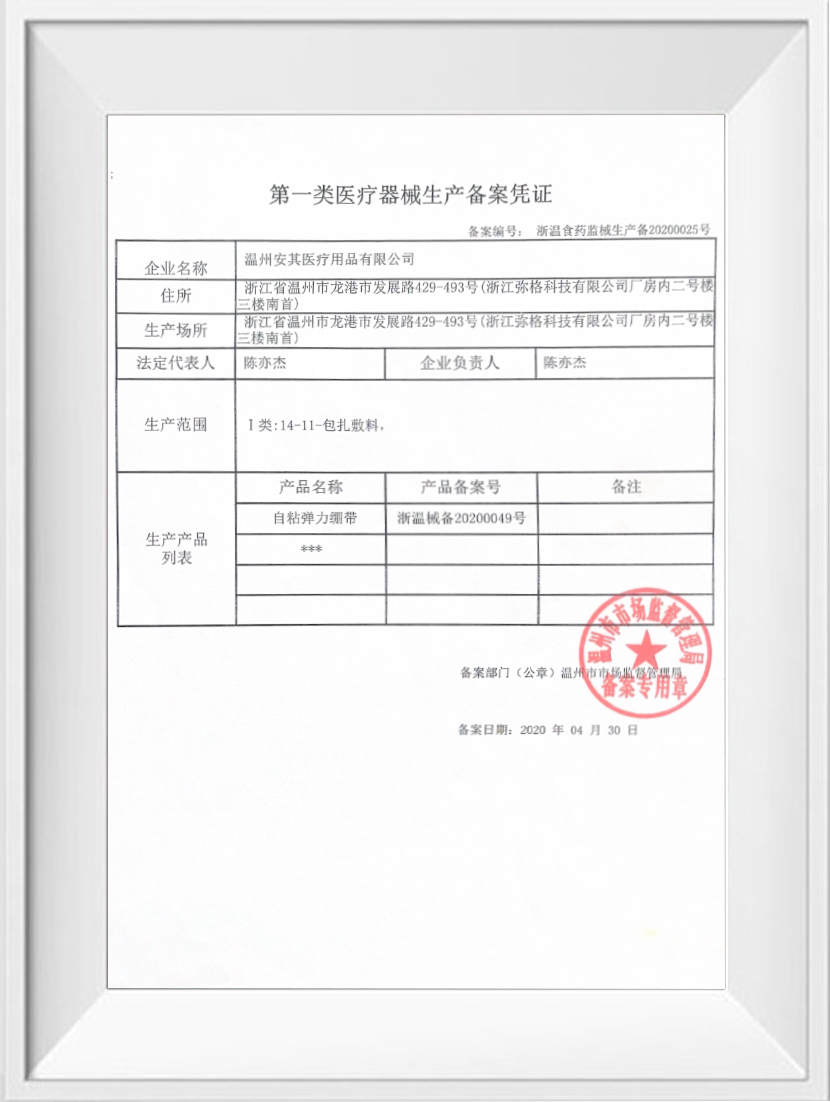
Approval No: Zhejiang Wenzhou Food and Drug Administration Machinery Production Filing No. 20200025
The information provided on this website is intended for use only in countries and jurisdictions outside of the People's Republic of China.
