
 English
 русский
 中文简体
 Español
 Deutsch
 عربى


What Factors Affect the Quality of Cotton Sport Adhesive Tape
Content
- 1 What Role Does Cotton Fabric Play in Sports Adhesive Tape Quality?
- 2 How Does Adhesive Quality Affect Cotton Sport Adhesive Tape?
- 3 Why Are Fabric Flexibility and Tensile Strength Important?
- 4 Can Breathability and Moisture Absorption Influence Product Quality?
- 5 How Does the Manufacturing Process Affect Cotton Sport Adhesive Tape Quality?
- 6 What Quality Inspection Methods Are Important for Cotton Sport Adhesive Tape?
- 7 How Do Storage and Packaging Influence the Quality of Cotton Sport Adhesive Tape?
- 8 What Should Buyers Look for When Evaluating Cotton Sport Adhesive Tape?
Athletes, trainers and physical therapists use cotton sport adhesive tape all the time. It holds dressings in place, supports certain body areas and helps limit movement during activity. The product looks simple, but its quality comes from several factors working together.
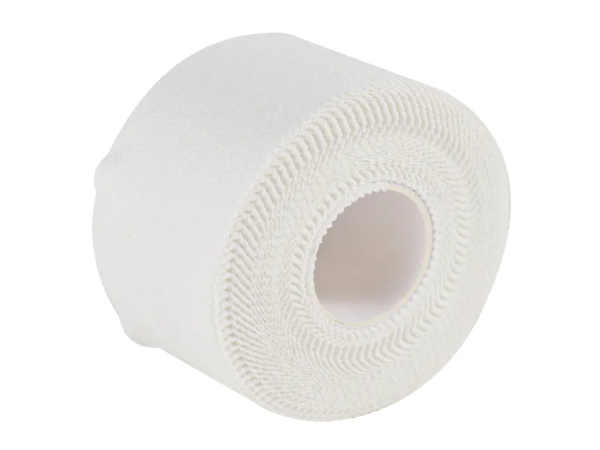
Fabric, adhesive, coating process, cutting method and overall construction all shape how the tape performs. Two rolls that look alike can feel very different on the skin or in a hard workout. One may grip well and hurt to peel off. Another may be easy to handle and still slide away once sweat and movement set in.
Manufacturers need to understand these factors to develop and produce good tape. Buyers benefit too, because knowing what drives quality makes purchasing decisions more practical. It also explains why material choice and consistent production matter so much in sports tape.
What Role Does Cotton Fabric Play in Sports Adhesive Tape Quality?
Cotton fabric is a core component. It forms the base that carries the adhesive and gives the tape its physical character.
Fabric quality affects softness, flexibility, strength and wearing comfort, and these are tied directly to how the tape will be used.
A good cotton fabric has an even structure. Where fibers are unevenly spread or the fabric has weak spots, the finished tape varies in thickness and strength. That hurts the application experience and the tape's ability to stay intact while in use.
Texture counts as well. A rough surface is uncomfortable, especially when the tape sits on the skin for hours. A fabric that is too loose or unstable stretches and warps during application.
A few fabric characteristics deserve attention:
- Fiber quality: The condition and consistency of the cotton fibers shape the fabric's strength and surface feel.
- Fabric density: How the fibers are arranged affects structure, flexibility and durability.
- Surface softness: A comfortable surface makes the tape nicer to wear.
- Fabric stability: The material should hold its shape through cutting, application and use.
- Absorbency: Cotton takes up moisture, which changes how the tape behaves during exercise.
These traits pull against each other. A soft fabric feels good but still needs enough strength to survive normal handling. A firm structure, in turn, shouldn't turn the tape stiff for no reason.
Manufacturers should pick fabric with the end use in mind. Sports involve different movements and wearing conditions. A tape for general athletic support has different material needs from one used to secure protective dressings.
How Does Adhesive Quality Affect Cotton Sport Adhesive Tape?
The adhesive is the other major factor. It bonds the fabric to the skin or another surface and keeps the tape where it belongs.
A weak adhesive lets the edges lift during movement, and the tape becomes unreliable mid-exercise. An adhesive that is too strong, or wrong for the job, makes removal painful.
The aim is a sensible balance between grip and comfort.
Adhesive performance depends on its formulation, how evenly it is coated and how well it works with the cotton fabric. All three must come together during production.
A uniform adhesive layer keeps contact with the application surface consistent. If some areas get too much adhesive and others too little, bonding turns uneven.
The adhesive also has to hold up in normal wear. Exercise exposes tape to friction, movement, body heat and moisture, and each of these can change how the adhesive behaves.
Manufacturers generally evaluate several aspects:
Initial adhesion
This is how well the tape sticks when first applied. It should make good contact with the skin or target surface without needing heavy pressure.
Holding ability
The tape has to stay put through ordinary movement. How long it holds depends on the adhesive, the fabric structure, the condition of the skin and the way it was applied.
Removal experience
Tape often comes off after training or activity. Residue and discomfort at removal shape how users feel about the product.
Adhesive stability
The adhesive should keep its properties during storage and normal use. If it changes, bonding and product consistency suffer.
Skin compatibility matters too. Tape meant for direct skin contact should use materials that meet relevant safety requirements. Adhesion alone doesn't tell you whether a tape is right for every user.
Why Are Fabric Flexibility and Tensile Strength Important?
Sport means repeated motion. The body bends, rotates, stretches and changes direction. Cotton sport adhesive tape has to cope with all of that without breaking down or drifting out of place.
Flexibility and tensile strength are related, but they aren't the same thing.
Flexibility is how easily the fabric bends and follows the surface under it. A flexible tape is easier to position around differently shaped body areas and feels less restrictive during normal movement.
Tensile strength is the material's resistance to pulling forces. A tape that is too weak tears during application or handling, which makes it hard to use reliably.
The trick is balancing the two.
A firm tape resists tearing, but too much stiffness makes it awkward around joints and curves. A very soft fabric feels pleasant, yet it still needs enough strength to keep its structure.
Weave and fiber arrangement set this balance. The way cotton threads cross and connect decides how the material reacts to pulling and bending.
The adhesive layer plays a part as well. If the coating stiffens the fabric, the finished tape won't follow body movement naturally.
So manufacturers should evaluate the complete tape, not the fabric on its own.
Buyers can learn a lot from hands-on handling. A good product unwinds, cuts, positions and applies easily, without warping.
These qualities count most for tape used around joints that move constantly, such as wrists, ankles, knees and fingers.
Can Breathability and Moisture Absorption Influence Product Quality?
Comfort matters because the tape may stay on the skin throughout a workout.
Sweat is part of exercise. When moisture builds up between skin and tape, the wearing experience shifts. The adhesive can lose stability, and the skin feels uncomfortable.
Cotton naturally absorbs moisture, which is one reason it's used in sports tape. But absorption and breathability are not the same.
Moisture absorption is the fabric's ability to take in moisture. Breathability is how easily air and water vapor pass through the material.
Fabric structure and the way the adhesive is applied influence both.
A tightly constructed fabric lets air through differently than an open one. A heavy adhesive coating can also restrict the passage of air and vapor through the finished product.
Manufacturers should look at these traits together and not rely on cotton content alone.
Moisture management depends on where the tape is used too. Indoor exercise puts different demands on it than outdoor training in warm weather.
Several factors affect the moisture-related performance of cotton sport adhesive tape:
- Fabric density and weave structure.
- Cotton fiber characteristics.
- Adhesive coverage and distribution.
- Contact between the tape and skin.
- Environmental temperature and humidity.
- The intensity and duration of physical activity.
Don't call a product waterproof, or fit for every sweaty condition, just because it contains cotton. Proper testing should show how it really behaves.
Skin condition matters here as well. Clean, dry skin is a better surface for adhesive than skin coated with oil, lotion or excess moisture.
How Does the Manufacturing Process Affect Cotton Sport Adhesive Tape Quality?
Good raw materials don't guarantee a good product. The manufacturing process still shapes the final quality.
Making cotton sport adhesive tape takes several stages: fabric preparation, adhesive formulation, coating, drying, slitting, winding and packaging.
Each stage affects how consistent the finished tape turns out.
Fabric preparation
Inspect the cotton fabric before any adhesive goes on. Uneven thickness, damaged fibers or surface defects cause trouble later in processing.
Careful preparation gives the adhesive layer a stable base.
Adhesive coating
Coating decides how the adhesive spreads across the fabric.
Uneven application creates zones with different bonding behavior. Some sections get too much adhesive, others too little contact.
Consistent coating reduces these differences.
Drying and processing
The adhesive must reach the right condition during processing. Poorly controlled drying changes adhesion, surface feel or flexibility in the finished tape.
The right process depends on the adhesive formula and the materials used.
Slitting and cutting
Large rolls of coated fabric are usually cut into narrower tape rolls.
Cut quality affects how the edges look and how the tape handles. Ragged edges, loose fibers or uneven widths make the product more annoying to use.
Winding
Tape should be wound consistently so users can unwind it without a fight.
Poor winding lets the tape loosen, fold or stick to itself in storage and use.
The table below summarizes how these stages connect.
| Manufacturing Stage | Main Quality Concern | Possible Effect |
|---|---|---|
| Fabric preparation | Material consistency | Influences strength and surface feel |
| Adhesive coating | Uniform adhesive distribution | Affects bonding consistency |
| Drying | Adhesive condition | Influences adhesion and flexibility |
| Slitting | Edge quality | Affects handling and appearance |
| Winding | Roll consistency | Influences unwinding experience |
| Packaging | Product protection | Helps maintain product condition |
Quality control needs to span the whole production line. Checking only the finished roll may not reveal where a problem started.
A stable production system also narrows the gap between batches. Buyers who need consistent products for regular distribution or professional use care a great deal about that.
What Quality Inspection Methods Are Important for Cotton Sport Adhesive Tape?
Inspection shows whether the tape meets its intended requirements. It also lets manufacturers catch production problems before products reach the market.
Both raw materials and finished tape should be checked.
Visual inspection is a practical first step. It reveals uneven coating, damaged fabric, loose fibers, ragged edges and other visible flaws.
Looks alone can't prove quality, though. Adhesion, strength, flexibility and material safety all need proper evaluation.
Common inspection areas include the following.
Appearance and surface condition
The tape should look reasonably uniform. Visible defects often point to problems in fabric preparation, coating or cutting.
Adhesion testing
Adhesion tests measure how the tape attaches to a defined surface. Different methods look at initial bonding, holding behavior and removal.
Interpret the results against the product's intended application.
Tensile and tear resistance
These tests check whether the fabric can handle pulling and handling. They matter for production consistency and for the user's experience.
Unwinding performance
Tape should come off its roll easily. Excessive sticking, folding or tearing during unwinding makes application harder.
Skin-contact safety
Materials meant for direct skin contact should be evaluated under applicable safety requirements. That can include reviewing the adhesive composition and running relevant safety assessments.
Packaging inspection
Packaging should shield the tape from contamination, moisture and damage in storage and transport.
| Inspection Item | What Does It Evaluate? | Why Is It Important? |
|---|---|---|
| Visual inspection | Surface and edge condition | Identifies visible defects |
| Adhesion testing | Bonding behavior | Evaluates attachment performance |
| Tensile testing | Resistance to pulling | Checks fabric strength |
| Tear testing | Resistance to tearing | Assesses handling durability |
| Unwinding test | Roll handling | Evaluates ease of application |
| Safety assessment | Skin-contact suitability | Addresses user safety |
| Packaging inspection | Product protection | Helps maintain storage condition |
A clear inspection process keeps quality consistent. It also gives buyers a more practical basis for comparing products.
How Do Storage and Packaging Influence the Quality of Cotton Sport Adhesive Tape?
Tape can change in storage when conditions are wrong.
The adhesive is especially sensitive. Heat, moisture, direct sunlight or long exposure to poor environments can alter how it bonds.
The cotton fabric can also take on moisture from the air. In a damp location, the tape's physical condition and adhesive performance can both suffer.
Packaging protects the tape in storage and transit. It should limit exposure to outside contaminants and guard against environmental changes.
For manufacturers and distributors, storage management belongs to quality control. It isn't merely a logistics chore.
Several practices help keep the product in good condition:
- Store tape in a clean and dry environment.
- Avoid prolonged exposure to direct sunlight.
- Keep products away from excessive heat.
- Use packaging that protects against dust and moisture.
- Avoid placing heavy objects on packaged rolls.
- Follow the manufacturer's storage and shelf-life instructions.
- Check packaging condition before distribution.
Inventory handling counts, too. Follow storage requirements, and don't let older stock sit unused for too long.
For buyers, packaging information reveals a good deal about product protection and storage advice. A well-protected roll is easier to handle and less likely to be affected by outside conditions before use.
What Should Buyers Look for When Evaluating Cotton Sport Adhesive Tape?
Choosing tape takes more than comparing looks or price. Buyers should know how the product will be used and which characteristics matter for that purpose.
A distributor buying for general sports retail has different needs from a sports care supplier or an organization that tapes athletes regularly during training.
Let the intended use guide the evaluation.
Check the fabric composition
Review the material description and confirm the fabric meets your expectations for softness, flexibility and strength.
Cotton content alone doesn't explain performance. Look at fabric construction as well.
Evaluate adhesive behavior
Adhesion should match the use. Buyers may want to test how easily the tape attaches, how well it stays put and how it behaves on removal.
Strong initial adhesion isn't automatically right for every application.
Consider user comfort
Surface softness, flexibility and moisture-related traits shape the wearing experience.
Pay attention to them when the tape will be worn repeatedly in sport or placed directly on skin.
Review manufacturing consistency
Regular buyers should ask whether the manufacturer holds fabric, coating, cutting and winding quality steady.
Batch-to-batch consistency matters for distribution and for what users expect.
Ask about quality documentation
Product specifications, inspection records and safety information help buyers understand what they're getting.
For skin-contact products, check the applicable safety requirements and the supporting documents.
Check packaging and storage guidance
Packaging should protect the tape in transit and storage. Buyers should also learn the recommended storage environment so the product doesn't degrade unnecessarily.
The checklist below helps organize the evaluation.
| Evaluation Area | Questions Buyers Can Ask |
|---|---|
| Fabric | Is the cotton fabric consistent and suitable for the intended use? |
| Adhesive | Does the adhesive provide suitable bonding and removal behavior? |
| Flexibility | Can the tape be applied around different body areas? |
| Moisture management | How does the material behave under normal exercise conditions? |
| Manufacturing | Are coating, cutting, and winding processes controlled? |
| Safety | Is relevant skin-contact safety information available? |
| Packaging | Can the packaging protect the product during storage and transportation? |
| Consistency | Can the supplier maintain similar product quality across orders? |
Quality in cotton sport adhesive tape comes from how fabric, adhesive, manufacturing, inspection and storage interact. A weakness in one area can drag down the finished product, even when everything else is sound. For manufacturers, that means quality control starts with material selection and continues through every production stage. For buyers, looking at these connected factors gives a clearer picture of whether a product fits and whether the maker can be relied on.
Keep In Touch

No.455 New Town Development Road,Longgang City, Wenzhou City

 +86-0577-83728222
 +86-0577-837282222
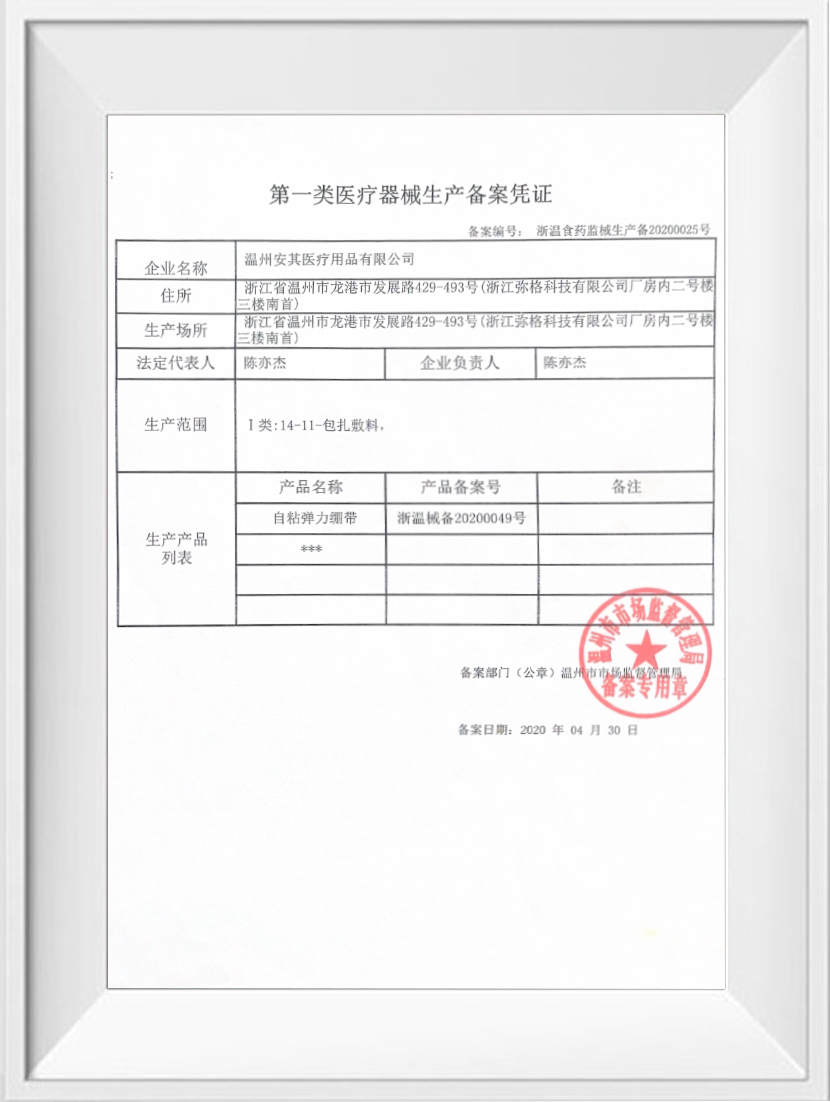
Copyright © Wenzhou Anqi Medical Supplies Co., Ltd. All Rights Reserved.
Approval No: Zhejiang Wenzhou Food and Drug Administration Machinery Production Filing No. 20200025
The information provided on this website is intended for use only in countries and jurisdictions outside of the People's Republic of China.
