
 English
 русский
 中文简体
 Español
 Deutsch
 عربى


Kinesio Tape vs Sports Tape: What Are the Key Differences
Content
- 1 1. What Is the Main Difference Between Kinesio Tape and Sports Tape?
- 2 2. How Do Kinesio Tape and Sports Tape Differ in Their Materials?
- 3 3. Which Type of Tape Is More Suitable for Different Sports Activities?
- 4 4. How Do Application Methods Differ Between the Two Types of Tape?
- 5 5. Does Kinesio Tape Provide the Same Level of Support as Rigid Sports Tape?
- 6 6. How Do Comfort, Sweat Resistance, and Wear Time Compare?
- 7 7. What Should Buyers Consider When Selecting Kinesio Tape or Sports Tape?
- 8 8. Can Kinesio Tape and Sports Tape Be Used Together?
Sports tape shows up in gyms, athletic training rooms, and everyday physical activity. It can support movement, hold dressings in place, or add stability around a chosen area. Not all sports tape works the same way, though. Kinesio tape and traditional sports tape are two common options, and they differ in how they feel, move, and function.
Kinesio tape is generally designed to stretch and move with the body. Traditional sports tape usually aims to limit movement or give firm external support. Those differences shape which one people choose for a given activity, body area, or personal preference.
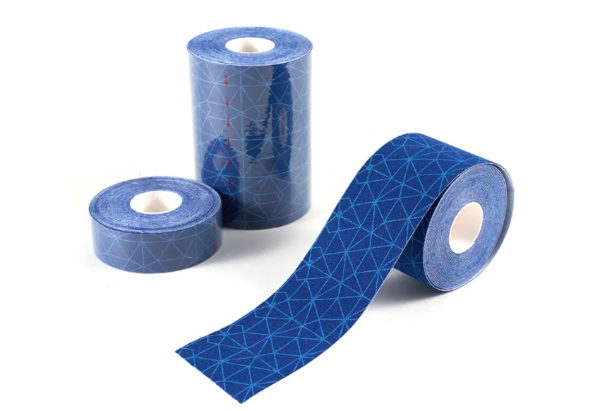
Knowing the materials, application methods, and intended uses helps athletes, coaches, fitness enthusiasts, and equipment buyers choose well. It also explains why one tape suits one situation and another suits a different need.
1. What Is the Main Difference Between Kinesio Tape and Sports Tape?
The main difference is flexibility and the kind of support each product is built to give. Kinesio tape is usually elastic, so it stretches as the body moves. Traditional sports tape is often less elastic and is used when firmer support or movement restriction is needed.
People often apply Kinesio tape to the shoulders, knees, back, and arms. Its flexible structure follows the skin's contours during daily movement and exercise. Depending on the product and method, it may be used in a sports routine to support movement awareness or add a sense of comfort.
Traditional sports tape tends to go around joints, fingers, wrists, and ankles. Its fairly firm structure can limit certain movements when applied correctly. That makes it useful in sports where controlling movement matters.
"Sports tape" can mean several product types, including elastic tapes and rigid athletic tapes. So the comparison depends on the specific product. Kinesio tape is one category of elastic tape, while sports tape is a broader term covering different materials and designs.
| Feature | Kinesio Tape | Traditional Rigid Sports Tape |
|---|---|---|
| Elasticity | Designed to stretch with movement | Usually offers limited stretch |
| Main purpose | Supports movement with flexibility | Helps restrict or control selected movements |
| Common application areas | Shoulders, knees, back, and limbs | Ankles, wrists, fingers, and joints |
| Movement feel | Generally flexible | Generally firmer |
| Application approach | Often follows muscles or body contours | Often uses overlapping strips around a target area |
| Typical use considerations | Comfort, mobility, and movement awareness | External stability and movement control |
These distinctions are a starting point. Not every product in either category performs the same way. Tape construction, adhesive properties, skin condition, and application technique all shape the experience.
2. How Do Kinesio Tape and Sports Tape Differ in Their Materials?
Materials affect flexibility, skin contact, durability, and how tape responds to movement. Manufacturers use different fabric blends, adhesives, and backing structures to get specific characteristics.
Kinesio tape commonly uses an elastic fabric that stretches lengthwise. The fabric follows the body's contours instead of staying fully rigid, so the tape moves with the skin during walking, running, stretching, or lifting.
Its adhesive is meant to hold during use while allowing normal movement. Some products resist sweat or light water exposure. Real performance varies with the material, adhesive, skin preparation, and conditions of use.
Rigid sports tape generally has a less elastic backing. Cotton is common, though other materials are used. The reduced stretch lets the tape stay in a stable position when applied with the right technique.
That helps when the goal is to limit a particular movement. Still, how much support the tape gives depends on how it's applied and whether the product suits the body area.
Materials also affect removal. Elastic tape may follow the skin as it moves, while rigid tape can grip firmly around joints and contours. Either type can irritate skin if pulled off too fast or used by someone who reacts to the adhesive.
When comparing products, check the fabric composition, adhesive information, intended application area, and removal instructions. They say more about how the tape will behave than the product name does.
3. Which Type of Tape Is More Suitable for Different Sports Activities?
The right choice depends on the activity, the body area, and why you're applying the tape. Running, weight training, racket sports, and contact sports all stress the body differently. A flexible tape may suit one case, while a less elastic one may suit another.
People often consider Kinesio tape when they want tape that moves with the body. It may suit activities with repeated bending, reaching, or posture changes. Its flexibility can feel comfortable for people who don't want a rigid layer around a moving area.
A runner might consider elastic tape around the knee or calf. A swimmer or fitness enthusiast may look for a product that stays stuck during movement. Suitability still depends on the specific product, the activity, and the manufacturer's instructions.
Rigid sports tape is common where controlling movement is the priority. In some sports it goes around fingers, wrists, or ankles to limit certain movements. Athletes may also use it under a qualified professional's guidance as part of a wider approach to joint support.
The choice isn't only about the sport. Two athletes in the same activity may need different things. One wants flexibility, while another needs external support for a specific purpose.
Think about the intended outcome:
- For flexible movement: Elastic tape may fit when the application needs to follow normal body movement.
- For movement restriction: Rigid tape may be considered when limiting a selected movement is the aim.
- For repeated exercise: Adhesion, comfort, sweat resistance, and skin tolerance may guide the choice.
- For contact activities: Consider the sport's rules, equipment requirements, and advice from a qualified professional.
Tape is no substitute for proper training, protective equipment, or professional assessment when you suspect an injury.
4. How Do Application Methods Differ Between the Two Types of Tape?
Application methods differ because the products do different jobs. Placement, direction, tension, and overlap all affect comfort and how the tape behaves during activity.
Kinesio tape is often cut into strips and placed along chosen areas of the body. Depending on the application, it may follow a muscle's shape or cross a joint. You may need to hold your body in a particular position while applying it.
Stretch during application matters. Too much tension can cause discomfort or skin irritation, and poor placement can keep the tape from sitting properly. Some products also need the adhesive activated or pressed down according to the manufacturer's instructions.
Rigid sports tape is often applied in overlapping strips. They may wrap around a joint or other target area to give external support or limit certain movements. Application takes more attention to strip direction, tension, and overall layout.
Tape that's too tight can affect comfort or circulation. Wrinkles, uneven pressure, and poor placement cause problems too. Applications meant to restrict joint movement are best learned from a qualified sports medicine professional, athletic trainer, or physiotherapist.
| Application consideration | Kinesio Tape | Rigid Sports Tape |
|---|---|---|
| Placement | Often follows body contours or selected muscle areas | Often arranged around a joint or target area |
| Stretch during application | Depends on the intended method and product instructions | Usually limited, with tension controlled carefully |
| Strip arrangement | May use individual strips or patterned layouts | Commonly uses overlapping strips |
| Main concern | Comfortable movement and suitable skin contact | Appropriate support without excessive restriction |
| Removal | Requires care to reduce skin irritation | Requires care, especially around sensitive areas |
With either type, keep the skin clean and dry unless the product instructions say otherwise. Don't apply tape over damaged skin unless a healthcare professional has specifically advised it. Stop if you feel unusual pain, numbness, tingling, swelling, or a change in skin color.
5. Does Kinesio Tape Provide the Same Level of Support as Rigid Sports Tape?
The two aren't built to give identical support. Their structures respond differently to movement, so don't treat them as interchangeable.
Kinesio tape stretches with movement, which can suit applications where keeping mobility matters. Some users say it makes them more aware of a body area during exercise. Effects vary, however, and the evidence for specific therapeutic benefits is mixed. Using it doesn't prove an injury is being treated or prevented.
Rigid sports tape resists stretching. Applied well, it can restrict certain movements or give external support around a joint. That may help in some sporting contexts, but the amount of support depends on the tape, the technique, and the user's condition.
The difference matters most when an athlete returns to activity after an injury. Base the choice on the injury, the movement needed, and professional advice, not on an assumption that one product fits every case.
Tape can also give a false sense of security if people lean on it to keep going despite pain or instability. It doesn't repair damaged tissue, guarantee protection, or replace a rehabilitation plan. If a joint feels unstable or pain persists, a healthcare professional can say whether taping is appropriate.
For routine fitness, focus on the product's stated purpose and your own comfort. For injury-related support, take more care.
6. How Do Comfort, Sweat Resistance, and Wear Time Compare?
Comfort matters because tape may stay on your skin through a whole workout or day. The material's feel, adhesive strength, skin sensitivity, and amount of movement all play a part.
Kinesio tape moves with the skin, and many people like that flexibility for bending, stretching, and repeated movements. Elastic tape can still cause discomfort if applied with too much tension, placed over sensitive areas, or worn by someone who reacts to the adhesive.
Rigid tape feels firmer, especially wrapped around a joint. That's expected when it's meant to limit movement, but it should never cause pain, numbness, tingling, or visible changes in circulation.
Sweat resistance varies. Some tapes are made to hold during exercise, while others loosen with moisture, friction, or repeated movement. Hair, oils, lotions, and damp skin can all weaken adhesion.
Follow the manufacturer's instructions for wear time instead of a general rule. Application area, activity level, skin condition, and adhesive formulation all affect how long tape stays suitable.
These habits improve comfort during application and removal:
- Clean and dry the skin before application.
- Check the product instructions for suitable body areas and methods.
- Avoid too much tension or wrapping too tightly.
- Check the skin regularly for redness, itching, or irritation.
- Remove the tape if discomfort develops.
- Use the recommended removal method and avoid pulling sharply against the skin.
If you have sensitive skin or a history of adhesive reactions, read the product information carefully. A small test patch can reveal an immediate reaction, but it can't guarantee irritation won't appear later.
7. What Should Buyers Consider When Selecting Kinesio Tape or Sports Tape?
For equipment buyers, retailers, distributors, and end users, choosing a product means more than comparing names on the packaging. The tape should match its intended use, the target user, and the conditions where it will be applied.
Start with the intended function. Establish whether the product is meant to stretch with movement, help restrict a selected movement, secure dressings, or serve another purpose. A broad label may not say enough to tell.
Look closely at material and adhesive. Fabric flexibility, skin contact, moisture resistance, and removal characteristics all affect user satisfaction. Product specifications should describe these clearly without implying a guaranteed medical outcome.
Application instructions matter too. Clear guidance tells users where the tape can go, how to handle it, and when to remove it. It should also state precautions and limitations.
Commercial buyers should watch consistency. Retailers and distributors may need to review packaging, labeling, material descriptions, and supplier documentation to make sure product information is accurate and consistent. Claims about support, performance, or medical benefits need suitable evidence and must comply with applicable regulations.
Keep user needs at the center. A product made for flexible movement may not suit someone who needs firm restriction. A rigid tape may not suit an application that needs substantial stretch.
A simple checklist helps:
- What function is the tape designed to serve?
- Is the material elastic or rigid?
- Which body areas and activities are listed in the instructions?
- How does the product respond to sweat and movement?
- What skin precautions and removal methods are recommended?
- Are product claims clear, accurate, and backed by appropriate documentation?
These questions separate products by practical use instead of packaging language.
8. Can Kinesio Tape and Sports Tape Be Used Together?
You can use both within the same training or care plan, but combining them isn't automatically necessary or suitable. It depends on the intended application, the body area, the user's condition, and whether the two products work together without discomfort.
A qualified professional might choose different taping methods for separate purposes within a broader support plan. One product could serve a flexible application while another restricts a particular movement. Such choices should reflect the individual's needs, not a general rule that combining tapes gives more support.
Layering can add pressure, reduce comfort, and make it harder to monitor the skin. It can also weaken adhesion if one product sits over another. Different adhesives and fabrics may react differently together, so don't assume they're compatible.
Follow the instructions for each product, and get professional guidance when the application is meant to manage an injury or limit joint movement. Never apply tape so tightly that it interferes with circulation or normal sensation.
Check the rules of your activity as well. Some sports set requirements for tape color, placement, or external support. Athletes should confirm the rules before competition.
If you're weighing both products, ask what each tape is meant to do, whether the combined application is appropriate, and how your skin and body respond. A clear purpose for each product avoids needless layering and lowers the risk of taping in a way that doesn't match the need.
Keep In Touch

No.455 New Town Development Road,Longgang City, Wenzhou City

 +86-0577-83728222
 +86-0577-837282222
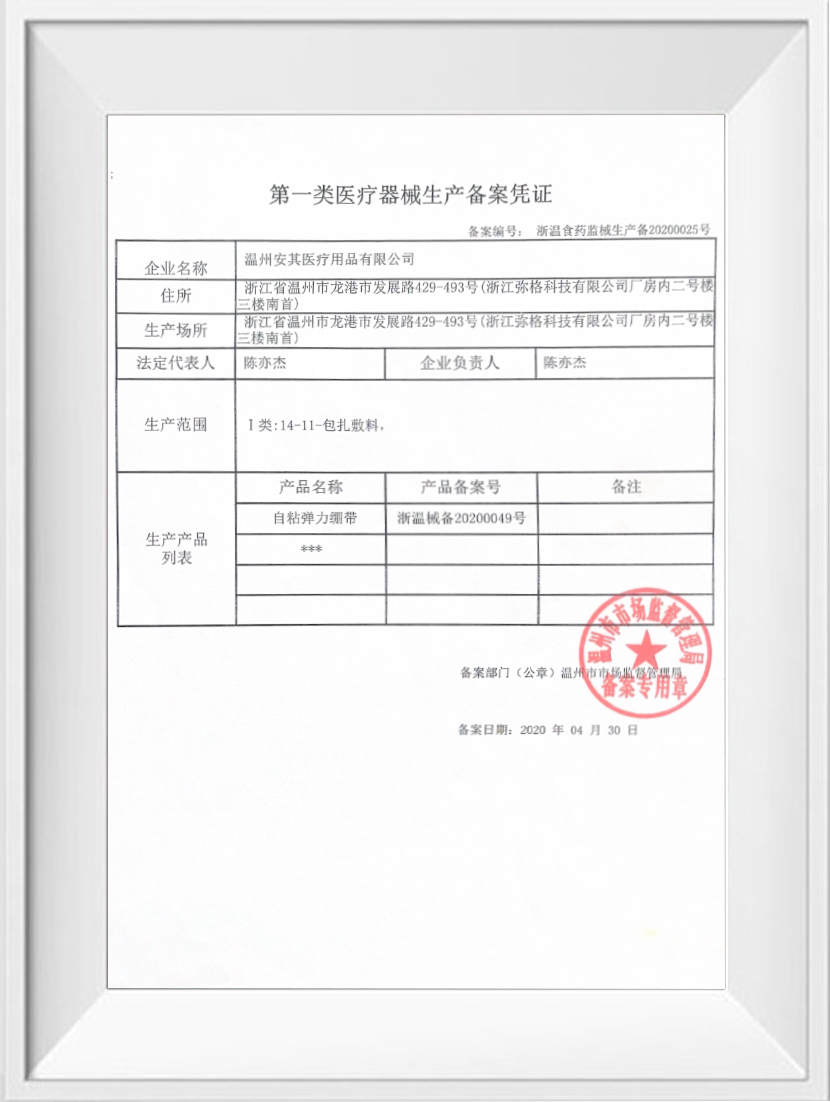
Copyright © Wenzhou Anqi Medical Supplies Co., Ltd. All Rights Reserved.
Approval No: Zhejiang Wenzhou Food and Drug Administration Machinery Production Filing No. 20200025
The information provided on this website is intended for use only in countries and jurisdictions outside of the People's Republic of China.
