
 English
 русский
 中文简体
中文简体 Español
 Deutsch
 عربى
عربى

What is adhesive tape for breasts and how does it work?
Content
Adhesive tape for breasts, often called body tape or fashion tape for bust support, is used to provide lift, shaping, and coverage without the need for traditional bras. It is commonly applied for backless, strapless, or deep-neckline clothing where standard undergarments may be visible. While the product is simple in appearance, its correct use involves several practical considerations related to skin safety, support performance, and removal. The following four frequently asked questions address important aspects of adhesive tape for breasts in a clear and practical way.
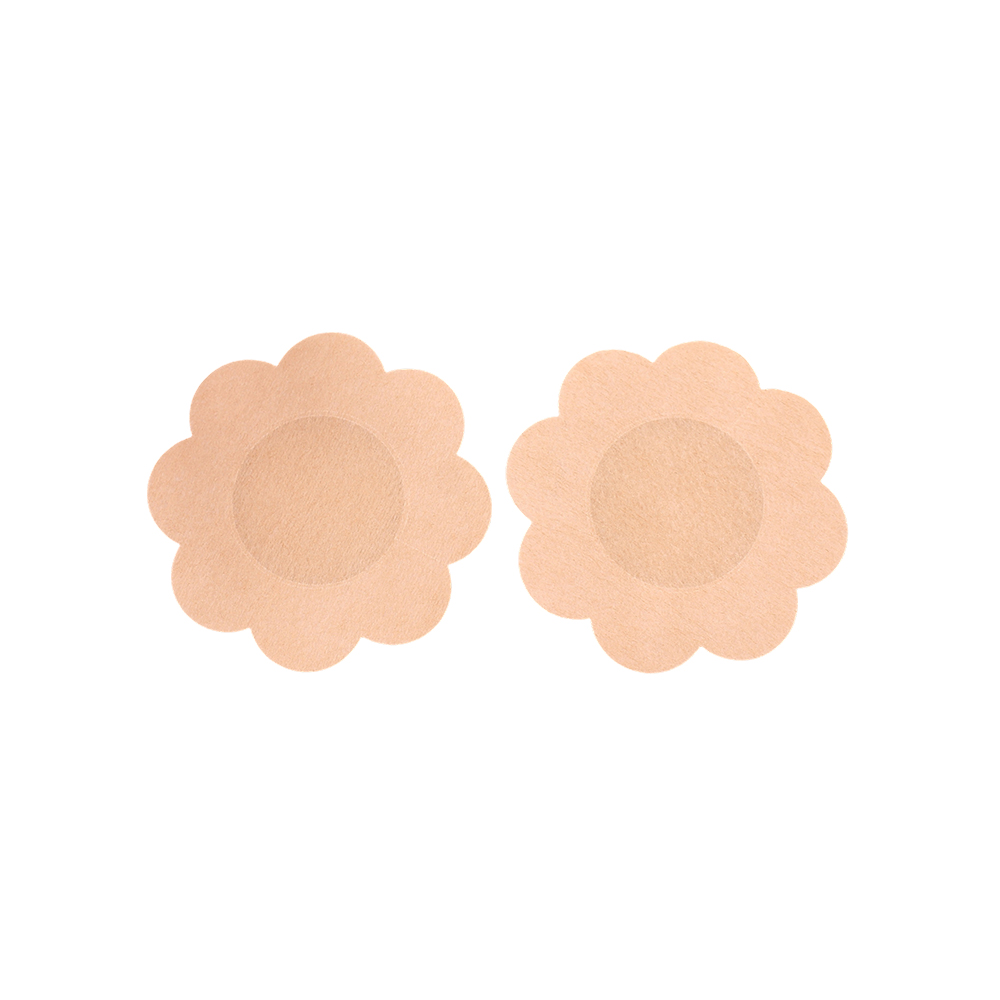
What is adhesive tape for breasts and how does it work?
Adhesive tape for breasts is a skin-safe, pressure-sensitive tape designed to attach directly to the skin. Its main purpose is to provide external support by lifting or repositioning breast tissue. Unlike bras, which rely on straps, bands, and cups, adhesive tape works by anchoring the breast to the chest in a desired position through tension created by the tape.
The tape is usually made from a fabric or elastic backing coated with a medical-grade or cosmetic-grade adhesive. This combination allows the tape to remain flexible while maintaining adhesion during movement. When applied, one end of the tape is anchored below or on the side of the breast, and the tape is gently pulled upward or inward before securing the other end. This controlled tension produces a lifting or shaping effect.
Adhesive breast tape does not provide the same structural support as a full underwire bra, especially for extended wear or high-impact activity. Instead, it is primarily intended for short-term shaping under specific outfits. Its effectiveness depends on:
- Proper skin preparation
- Correct application technique
- Tape width, stretchability, and adhesive strength
- Individual body shape and breast size
What types of adhesive breast tape are commonly available?
Several types of adhesive tape for breasts are available, each designed to meet different support and styling needs. These variations mainly differ in material, width, elasticity, and adhesive formula.
Common types include:
Fabric-based stretch tape: Made from cotton blends or synthetic fibers, offering moderate stretch and breathability. Suitable for light to moderate support.
Elastic lifting tape: Designed for stronger upward tension and shaping, often used for creating lift in low-cut or plunge outfits.
Water-resistant tape: Features adhesive that maintains hold in warm or humid conditions. Often used for outdoor events or long wear.
Pre-cut shaping strips: Manufactured in curved or contoured shapes to simplify application and reduce trimming.
Some tapes are transparent or skin-toned to remain less visible under clothing. Others are matte or lightly textured to improve grip. In addition to roll-form tapes, there are also hybrid products that combine tape with silicone nipple covers for added coverage.
The choice of tape type depends on:
- The level of lift required
- The type of clothing being worn
- Skin sensitivity
- Expected duration of wear
How should adhesive tape for breasts be applied and removed safely?
Safe application begins with proper skin preparation. The skin should be clean, dry, and free from oils, lotions, or powders, as these can reduce adhesive performance and increase the risk of slippage. Trimming excess body hair in the application area may also improve adhesion and reduce discomfort during removal.
Basic application steps generally include:
- Cutting the tape to the required length and shape
- Standing in front of a mirror for alignment control
- Gently lifting the breast to the intended position before placing the tape
- Applying the tape without excessive stretching to avoid skin stress
- Smoothing the edges to reduce peeling
Removal is just as important as application. Since the adhesive is designed to hold firmly, pulling the tape off dry skin can cause irritation. To reduce discomfort:
- Apply a skin-safe oil or adhesive remover to weaken the bond
- Gently peel the tape from one edge while supporting the skin
- Remove slowly, following the direction of the tape rather than pulling outward
After removal, the skin should be cleaned and allowed to rest before reapplication. Redness that fades within a short time is common, but persistent irritation suggests that the adhesive type or wear duration may not be suitable for that skin type.
What are the limitations and precautions when using adhesive breast tape?
Adhesive tape for breasts offers flexibility in styling, but it also has practical limitations. It does not provide full anatomical support for extended periods, especially during physical activity. Users should avoid using it as a replacement for sports bras or daily support garments.
Important precautions include:
- Skin sensitivity: Some individuals may experience allergic reactions to adhesives. A patch test applied to a small area of skin before full use is recommended.
- Extended wear: Wearing tape for long hours increases the risk of skin irritation and moisture buildup.
- Repeated application: Frequent use without allowing the skin to recover may weaken the outer skin layer.
- Open wounds or sunburn: Tape should not be applied to damaged or inflamed skin.
Environmental factors such as heat, humidity, and perspiration can also affect the tape’s holding performance. In warmer conditions, adhesive strength may decline faster, while moisture can cause edges to lift. Clothing friction may further influence how long the tape remains securely in place.
Users should also consider that breast tape shapes the tissue in a fixed position, which may feel restrictive over time. Adjustments during wear are often limited once the tape is fully bonded.
Keep In Touch

No.455 New Town Development Road,Longgang City, Wenzhou City

 +86-0577-83728222
 +86-0577-837282222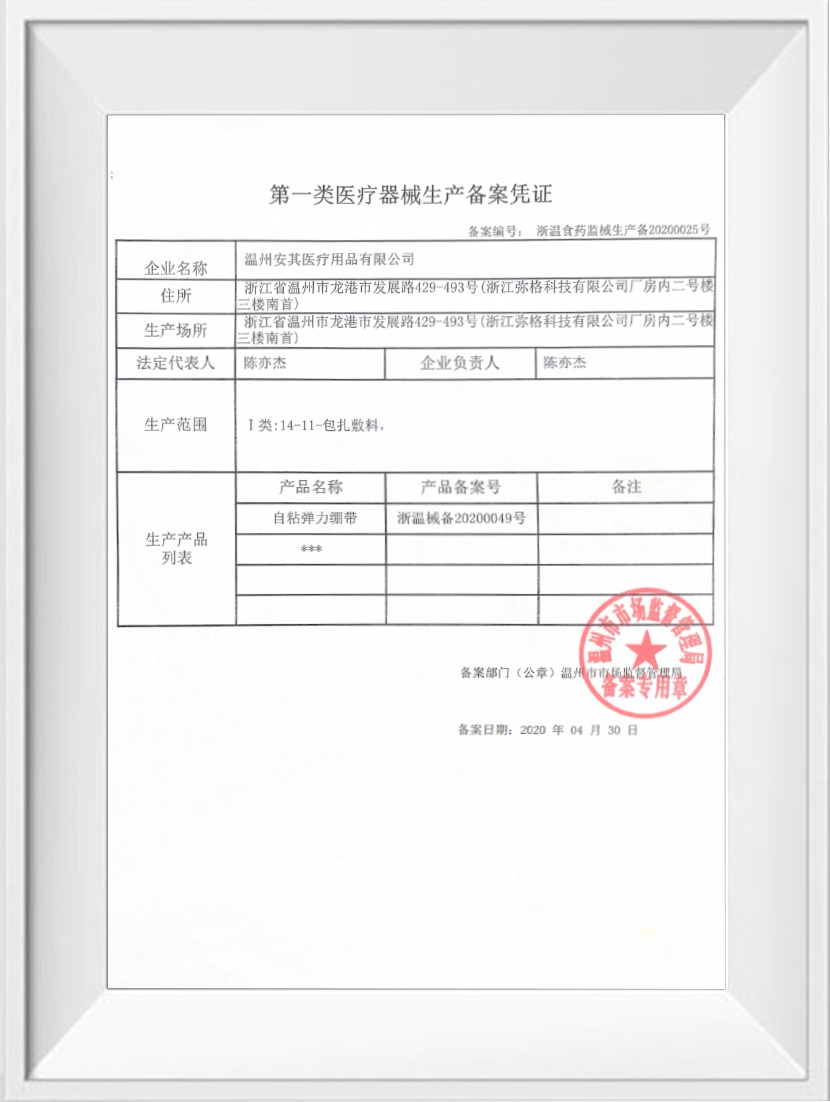
Copyright © Wenzhou Anqi Medical Supplies Co., Ltd. All Rights Reserved.
Approval No: Zhejiang Wenzhou Food and Drug Administration Machinery Production Filing No. 20200025
The information provided on this website is intended for use only in countries and jurisdictions outside of the People's Republic of China.
