
 English
 русский
 中文简体
中文简体 Español
 Deutsch
 عربى
عربى

Choosing a Self-Adhesive Bandage
Selecting a suitable self-adhesive bandage is an important decision for individuals, caregivers, and medical facilities. Because these bandages are used for wound protection, joint support, and everyday personal care, choosing the right type can influence comfort, convenience, and overall usability. This essay discusses the key aspects to consider when selecting a self-adhesive bandage, provides a structured comparison table, and explains how each factor affects daily use.
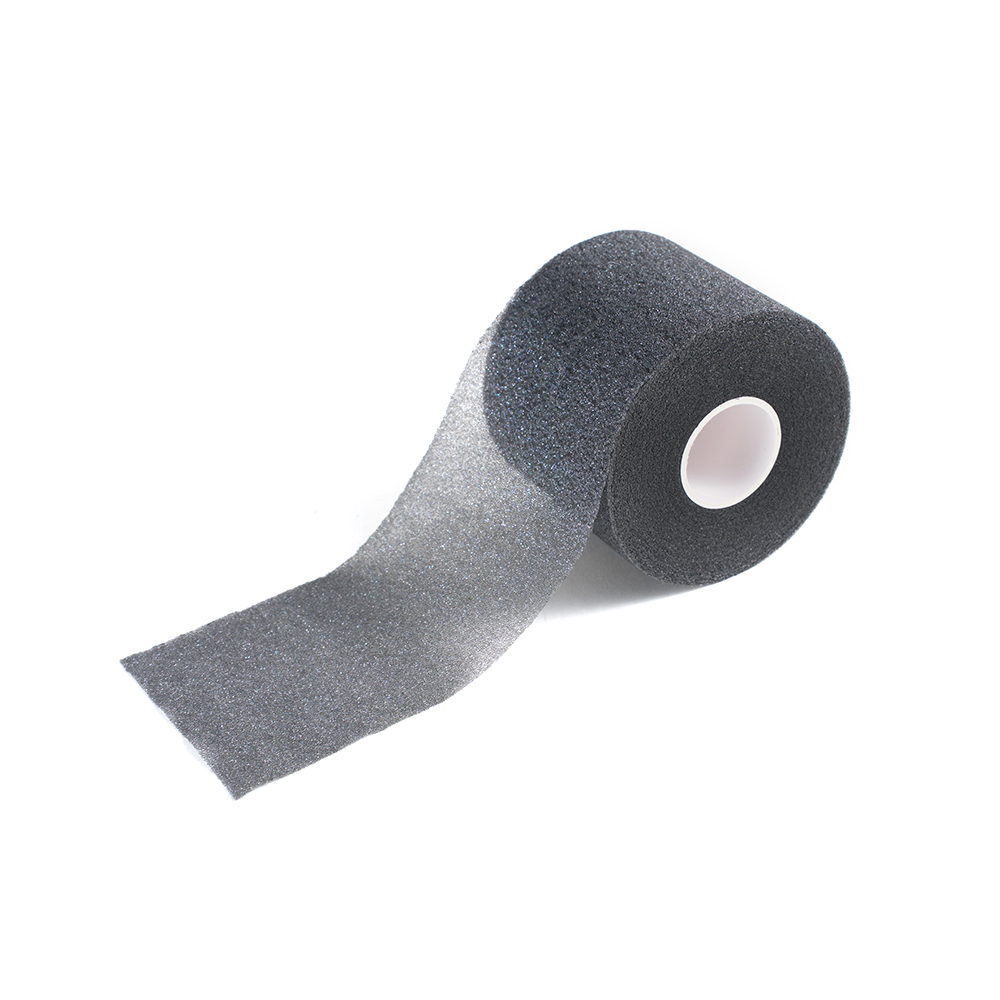
Understanding Self-Adhesive Bandages
Self-adhesive bandages, sometimes called cohesive bandages or wrap bandages, are designed to stick to themselves without adhering to skin or hair. This characteristic makes them practical for various applications, including sports injuries, minor strains, and dressing stabilization. Their flexibility, ease of use, and gentle adhesion make them suitable for households, clinics, and sport-related environments.
To make an informed choice, buyers can evaluate several aspects such as materials, stretch properties, breathability, comfort, and intended use. Each of these factors contributes to performance and overall user experience.
Key Aspects to Consider
1. Material and Texture
The material composition of a self-adhesive bandage affects comfort, durability, and performance. Common materials include non-woven fabrics, elastic cotton blends, and synthetic fibers.
Important points to evaluate include:
- Softness: A softer texture may reduce irritation, especially for sensitive skin.
- Elasticity: Determines how well the bandage conforms to different body parts.
- Grip strength: Influences how securely the bandage stays in place.
Some materials offer a more breathable structure, while others prioritize secure and consistent compression.
2. Adhesion and Holding Strength
Self-adhesive bandages do not use glue; instead, they cling through cohesive properties. Strength of adherence varies by product.
Factors to consider:
- Level of cohesion: Higher cohesion helps maintain stable compression during sports or movement.
- Reusability: Some bandages can be repositioned once or twice, while others lose adhesion when stretched repeatedly.
- Moisture performance: Humidity or sweat can reduce adherence in certain materials.
Selecting the right level of hold ensures the bandage stays in place without causing discomfort or restricting circulation.
3. Breathability and Moisture Management
Breathability contributes to skin comfort, especially when the bandage is worn for several hours.
Points to assess:
- Ventilation holes or porous structure: Supports airflow.
- Moisture-wicking capability: Helps keep the skin surface relatively dry.
- Skin sensitivity: Breathable materials may reduce the likelihood of irritation.
High-activity users or individuals with sensitive skin may benefit from bandages that emphasize airflow and lightness.
4. Size, Stretch, and Application Area
Self-adhesive bandages come in different widths and lengths. Choosing an appropriate size supports effective wrapping and reduces waste.
Consider the following:
- Width: Narrow widths (2.5–5 cm) suit fingers or wrists; wider bands (7.5–10 cm) suit knees, thighs, or torso.
- Stretch range: Determines flexibility and ease of contouring.
- Application purpose: Support, protection, or securing a dressing may influence size selection.
A balanced stretch provides support without excessive pressure.
5. Intended Use and Activity Level
Different situations require different bandage characteristics.
Typical uses include:
- Sports and training: Require stronger cohesion and consistent compression.
- Everyday aid: Prioritize comfort, simple use, and gentle adhesion.
- Pet care: Often require materials that do not stick to fur yet hold securely.
- Medical dressings: Need stable holding ability with minimal skin irritation.
- Understanding the primary application helps narrow down product choices.
|
Aspect |
Key Considerations |
Suitable For |
|
Material & Texture |
Softness, elasticity, grip |
Sensitive skin, general use |
|
Adhesion Strength |
Cohesion level, moisture response |
Sports, active users |
|
Breathability |
Porosity, moisture-wicking |
Long-term wear, warm climates |
|
Size & Stretch |
Width, length, flexibility |
Specific joints or larger areas |
|
Intended Purpose |
Protection, support, dressing fixation |
Medical use, training, pets |
Tips for Making a Practical Choice
When comparing available options, buyers can keep the following points in mind:
Match size to the body part: Improves stability and reduces bulk.
Check packaging information: Manufacturers often indicate suitable applications.
Test comfort before extended use: A brief trial helps evaluate stretch and adherence.
Consider sensitivity: Hypoallergenic options are preferable when irritation occurs.
Assess activity level: More active individuals may prefer stronger cohesion and durable materials.
Keep In Touch

No.455 New Town Development Road,Longgang City, Wenzhou City

 +86-0577-83728222
 +86-0577-837282222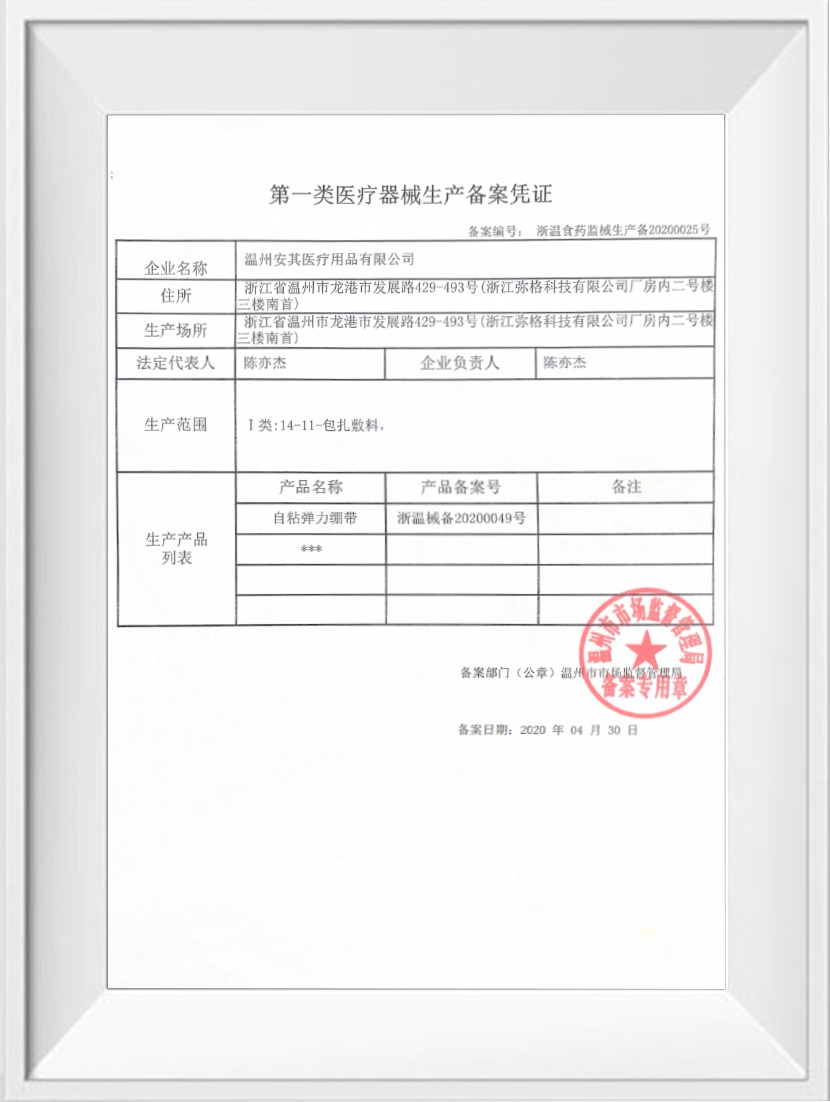
Copyright © Wenzhou Anqi Medical Supplies Co., Ltd. All Rights Reserved.
Approval No: Zhejiang Wenzhou Food and Drug Administration Machinery Production Filing No. 20200025
The information provided on this website is intended for use only in countries and jurisdictions outside of the People's Republic of China.
