
 English
 русский
 中文简体
 Español
 Deutsch
 عربى


Sports Tape Manufacturer Insights into Product Design and Usability
Content
- 1 Why Does Product Design Matter in Sports Tape Manufacturing?
- 2 How Do Material Choices Affect Comfort and Usability?
- 3 What Makes Sports Tape Easy to Apply?
- 4 How Should Sports Tape Manufacturers Design for Different Activities?
- 5 Can Packaging Improve the User Experience?
- 6 What Role Does User Feedback Play in Product Development?
- 7 How Can Manufacturers Balance Customization and Product Consistency?
- 8 What Should Buyers Consider When Choosing a Sports Tape Manufacturer?
Sports tape is now a familiar product in sports training, fitness activities and everyday movement. Its job looks simple. Designing a tape that people apply comfortably and trust takes careful thought. For a sports tape manufacturer, development means more than picking materials and winding rolls. It means understanding how people move, how they use the product and what they expect from it.
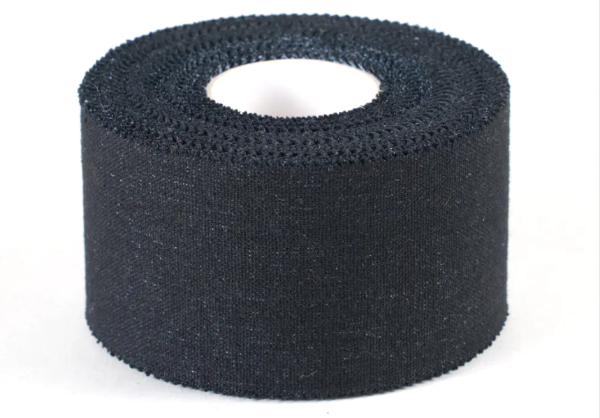
User needs keep changing, so manufacturers now pay closer attention to design and usability. Customers care about adhesion, flexibility, skin comfort, ease of application and convenient packaging. These factors decide how a product fits into daily routines and whether users buy it again.
Design and usability matter to distributors, retailers and businesses that want customized products too. A product looks good on a shelf, but its real value depends on how well the design supports actual use. That's why sports tape manufacturers look at the complete user experience throughout development.
Why Does Product Design Matter in Sports Tape Manufacturing?
Product design shapes how sports tape looks, feels and performs in use. It ties together material selection, product structure, appearance and application methods. Each decision touches the experience of the person wearing the tape.
Sports tape serves different purposes across activities. Some users apply it during training, others as part of a regular fitness routine. Expectations differ. A runner values flexibility during repeated movement. A gym user cares more about convenient application and secure placement.
A sports tape manufacturer has to plan for these differences. Treat every user as having the same needs and the design loses usefulness. Knowing the intended application gives development a clear direction.
Design also affects how easily customers recognize and understand a product. Clear packaging, practical roll formats and straightforward instructions help users choose well. These details look minor, yet they often shape a customer's first contact with the product.
Consistency counts as well. Customers expect a product to feel familiar every time. A change in texture, handling or application shakes their confidence. So design is more than a visual task. It's a process that supports predictable use.
How Do Material Choices Affect Comfort and Usability?
Materials decide how sports tape feels against the skin and responds to movement. A product that looks right in development still causes trouble if its material characteristics don't match the intended application.
Comfort is a key consideration. Sports tape stays on the skin during exercise, so users notice softness, flexibility and breathability. A material that feels fine at application behaves differently once the body warms up or movement goes on for a long time.
Adhesion deserves attention too. Tape has to stay put through its intended use, yet users want it to come off without needless discomfort. That's a real design challenge. The manufacturer has to weigh adhesion, flexibility and removal together. Treating each as a separate requirement doesn't work.
Different users respond differently to the same material. Skin sensitivity, personal preference, activity type and application habits all shape the experience. Manufacturers shouldn't assume one material suits every situation.
Material choice also affects handling. Some products are easier to position, cut or apply than others. If users struggle to control the tape, even a well-designed product turns frustrating.
So a sports tape manufacturer benefits from testing materials in real use. Feedback from product trials exposes issues that development doesn't make obvious. It also shows where small design tweaks improve the experience.
What Makes Sports Tape Easy to Apply?
Ease of application is tightly linked to usability. Users know what sports tape is for and still find it hard to apply without help. The tape is awkward to handle, the backing is hard to remove or the instructions leave key questions open.
A practical design guides the user through application. The tape is manageable, easy to position and right for its intended use. Clear instructions help users handle the product and dodge common mistakes.
Several design considerations shape this experience:
- Handling: The tape is manageable during cutting, positioning and application.
- Backing removal: The release layer comes off without making the process needlessly hard.
- Flexibility: The product suits the movements expected in its intended application.
- Instructions: Packaging explains the basic application process in clear language.
- Storage: The product stays easy to access and handle between uses.
These points matter to experienced users and newcomers alike. Experienced users value speed and consistency. Beginners need clearer guidance and a more forgiving application process.
Manufacturers can walk through the application process step by step. Watching users open, cut, position and apply the tape uncovers obstacles that are easy to miss in a production setting.
Small improvements make the process smoother. A clearer opening method, better instructions or a more manageable roll cuts needless effort. Such changes barely alter a product's appearance, but they make it more practical day to day.
How Should Sports Tape Manufacturers Design for Different Activities?
Sports tape is used in many environments. Training sessions, outdoor exercise, gym workouts and recreational sports each make different demands. Product design should reflect the intended application. A single general concept won't do.
In activities with repeated movement, users care about flexibility and how securely the tape holds. In a gym, convenient handling and easy application stand out. Outdoor use brings other factors, including moisture and changing conditions.
That doesn't mean every activity needs a separate product. It does mean manufacturers should define the intended use clearly before settling on features.
Understanding the user is part of this. Professional athletes, fitness enthusiasts, coaches, retailers and general consumers approach sports tape from different angles. Some know application techniques well. Others lean on packaging instructions or advice from trained professionals.
A sports tape manufacturer uses these differences to steer development. Rather than piling on features with no clear purpose, it focuses on what matters most to the intended audience.
Positioning needs care too. Don't present sports tape as a universal fix for every injury, discomfort or training concern. Product descriptions must state intended uses accurately and avoid claims that hint at guaranteed medical outcomes.
For products built for specific applications, clear communication matters even more. Users need to understand what a product is for, how to use it and when to seek professional advice.
Can Packaging Improve the User Experience?
Packaging often gets treated as a marketing tool. It also does practical work. It protects the product, carries information, supports storage and affects how easily customers use the tape.
Good packaging helps users identify the product and understand its intended application. Clear labeling explains the material, usage guidance, storage recommendations and relevant precautions. When information is hard to find or confusing, customers struggle to decide whether the product fits.
Opening the package is part of the experience. A package that's hard to open frustrates people, especially when they want the tape ready before exercise. The design has to balance product protection with easy access.
Storage matters too. Sports tape ends up in a gym bag, a sports facility, a retail stockroom or a home exercise area. A practical package protects the roll and keeps it organized between uses. It also leaves room for necessary product information without becoming cluttered.
For distributors and retailers, packaging adds value. Clear product identification eases inventory handling and shelf organization. Consistent labeling helps customers tell product variations apart.
Customized packaging matters to businesses building their own product lines. A sports tape manufacturer serving them weighs visual identity alongside practical requirements. Design choices support recognition while keeping product information readable and accurate.
Packaging mustn't promise what the product can't deliver. Claims about comfort, durability, skin compatibility or intended use should match the available evidence. Clear communication sets realistic expectations and cuts confusion after purchase.
What Role Does User Feedback Play in Product Development?
Development doesn't stop when a design is approved. Feedback from real users shows how a product behaves outside the development environment. It also tells manufacturers which features customers value and which details need work.
Users report that a tape is easy to handle but hard to remove. Others like the material but find the packaging inconvenient. These comments point to different parts of the experience, from material selection to application instructions.
Manufacturers gather feedback through product trials, customer service conversations, distributor comments and structured user interviews. The aim isn't to collect pats on the back. Useful feedback names specific experiences that inform design decisions.
Clear questions make the process work better. Ask whether users apply the tape without confusion, whether the packaging protects the roll in storage or whether the product suits the intended activity. Such questions give more usable answers than "do you like it?"
Read feedback carefully. One user's preference doesn't represent every customer. Look at the intended market, the circumstances of use and whether the same issue shows up across different users.
Changes from feedback include adjusting the material, revising instructions, improving packaging or clarifying product descriptions. Not every suggestion needs a redesign. Some issues are solved with better communication or clearer guidance.
The process also helps manufacturers work better with business customers. Distributors and private-label partners deal directly with their markets. Their observations give useful insight into customer expectations, purchasing concerns and recurring product questions.
How Can Manufacturers Balance Customization and Product Consistency?
Customization gives businesses room to develop sports tape products for different markets. Customers ask for changes to packaging, appearance, roll formats, labeling or presentation. These options help a product fit a particular sales channel or customer group.
Customization goes deeper than outward appearance, though. Weigh every requested change against the product's intended use, manufacturing process and quality requirements.
A packaging change is fairly simple. A change in material or adhesive characteristics needs further evaluation. Manufacturers must separate visual preferences from modifications that alter how the tape feels or behaves during application.
Communication is essential throughout. Business customers should explain their audience, distribution plans and product requirements as clearly as possible. The manufacturer then says which options are practical and flags issues that need review.
Consistency stays important once customized products enter regular production. Customers expect later orders to match the agreed design and product characteristics. Clear specifications, suitable quality checks and organized communication cut down misunderstandings.
A sports tape manufacturer also needs to be careful about claims in customized product descriptions. A private label or distinctive package doesn't establish that a product suits every user or application. Statements about performance or benefits must stay accurate and supportable.
Balancing customization and consistency comes down to planning. Businesses need enough flexibility to serve their customers, and manufacturers need a clear process for evaluating changes and holding to agreed requirements.
What Should Buyers Consider When Choosing a Sports Tape Manufacturer?
For businesses sourcing sports tape, a manufacturer's approach to design and usability shows how well a partnership will work. Price and appearance sway an initial decision, but they don't explain the whole development process.
Check whether the manufacturer understands the intended application. A supplier that asks about target users, usage environments, packaging needs and product expectations is better placed to discuss suitable options.
Material information matters too. Buyers should get clear explanations of the product's intended use, handling characteristics and relevant limits. When a requirement is unclear, settle it before production to avoid mismatched expectations.
Look at quality management as well. Ask how the manufacturer checks product consistency, handles reported defects and manages changes to agreed requirements. The answers show how issues get addressed in an ongoing relationship.
Communication during customization counts equally. Buyers need support with labeling, packaging artwork, product variations or market-specific information. A clear process for reviewing these details keeps cooperation manageable.
Examine the information that comes with the product. Instructions must be understandable, product descriptions accurate and any safety or usage guidance right for the intended audience.
Base a sourcing decision on the buyer's real needs, not assumptions about what every business wants. A retailer focuses on packaging and product variety. A distributor puts more weight on supply coordination and consistent presentation. A business building a private-label range needs closer cooperation on design and labeling.
Discussing these requirements early gives buyers and manufacturers a clearer picture of the product and the working relationship. That makes a practical basis for judging whether a supplier can support the business's plans.
Keep In Touch

No.455 New Town Development Road,Longgang City, Wenzhou City

 +86-0577-83728222
 +86-0577-837282222
Copyright © Wenzhou Anqi Medical Supplies Co., Ltd. All Rights Reserved.
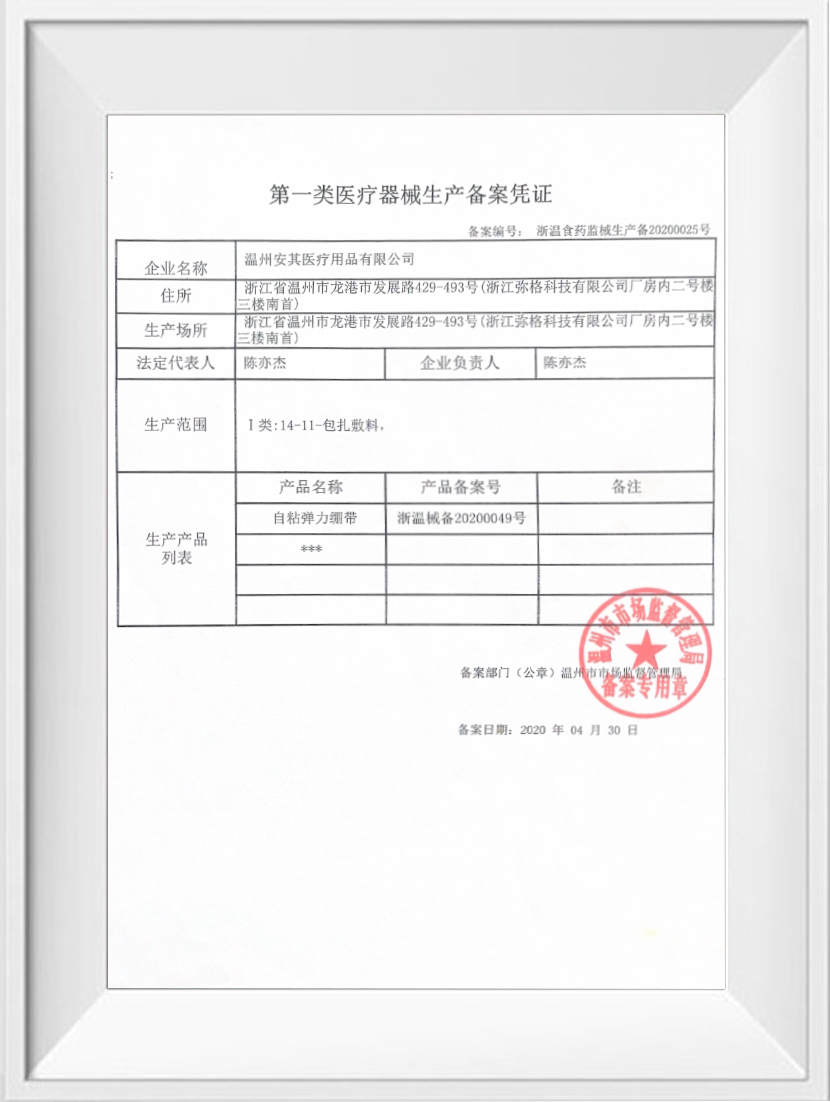
Approval No: Zhejiang Wenzhou Food and Drug Administration Machinery Production Filing No. 20200025
The information provided on this website is intended for use only in countries and jurisdictions outside of the People's Republic of China.
