
 English
 русский
 中文简体
 Español
 Deutsch
 عربى


Can China Sport Tape Be Used for Training and Everyday Fitness
Content
- 1 What Is China Sport Tape , and How Does It Work?
- 2 Can Sport Tape Be Used During Everyday Workouts?
- 3 How Can Different Types of Sport Tape Support Fitness Activities?
- 4 Is Sport Tape Suitable for Running, Strength Training, and Yoga?
- 5 What Should You Consider Before Applying Sport Tape?
- 6 Can Sport Tape Stay in Place During Sweating and Repeated Movement?
- 7 How Should You Choose Sport Tape for Everyday Fitness?
- 8 What Are the Limitations of Using Sport Tape for Fitness?
Sport tape is often linked to competitive athletes, physical training and sports support. Its use isn't limited to professionals, though. People who enjoy running, cycling, strength training, yoga and other fitness activities run into sport tape as part of their routines too.
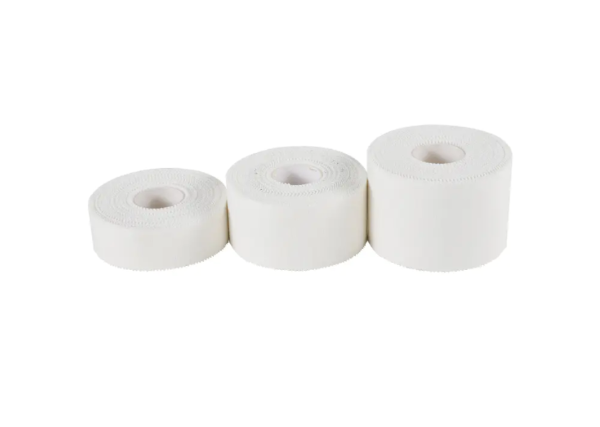
As everyday fitness becomes part of more lifestyles, interest in practical training accessories keeps growing. Sport tape is one option people consider when they want support during physical activity. Whether it suits you depends on the type of tape, the intended use, individual needs and how it's applied.
Can sport tape really serve everyday fitness? Yes, in the right situations. Knowing its common uses, limitations and application methods helps fitness enthusiasts decide well.
What Is China Sport Tape , and How Does It Work?
Sport tape is an adhesive tape made for physical activity. It comes in different materials, shapes and levels of flexibility. Some products give firm support around a joint. Others are flexible and move with the body.
The term "sport tape" covers several product types. Athletic tape supports or restricts movement around selected areas. Kinesiology tape is more flexible and follows the body's movements. Other varieties serve grip, skin protection or specific sports needs.
These products do different jobs, so don't treat them as interchangeable. Choosing well starts with knowing what you expect the tape to do.
For everyday fitness, sport tape fits activities with repeated movements or stress on certain body areas. A person who plays recreational basketball has different needs from someone who practices yoga or walks regularly.
Sport tape doesn't replace proper technique, suitable footwear, gradual training or enough recovery. It's an accessory with a place in a broader fitness routine. Its value depends on the situation, not the activity alone.
Can Sport Tape Be Used During Everyday Workouts?
Sport tape works during many forms of exercise, as long as the product suits the activity and is applied correctly. Not everyone needs it, and using tape doesn't automatically make a workout safer.
For recreational fitness, the decision often rests on movement patterns, comfort and personal experience. Someone returning to exercise after a break wants extra support. Another person just wants to shield a patch of skin from friction.
Common activities where people consider sport tape include:
- Walking and jogging: Tape serves a specific support or skin-protection purpose, depending on the product.
- Strength training: Certain types help when the hands or other areas face repeated friction.
- Cycling: Tape protects selected skin areas or supports a defined training need.
- Yoga and stretching: Flexible tape is the better pick when freedom of movement matters.
- Recreational team sports: Athletic tape fits situations where controlled support is appropriate.
Keep the purpose clear. Tape applied for no reason adds a step to your workout and gives no real benefit.
Anyone with persistent pain, swelling, weakness or restricted movement shouldn't rely on tape alone. These symptoms need assessment by a qualified healthcare professional. Training through pain makes an existing problem harder to manage.
How Can Different Types of Sport Tape Support Fitness Activities?
The type of tape matters because each product is built for a different purpose. A flexible tape that moves with the body doesn't restrict like a firmer athletic tape. Choosing by appearance or a general sports label leads to a poor fit.
| Type of sport tape | Common purpose | Possible fitness applications |
|---|---|---|
| Athletic tape | Provides firm support or limits selected movements when applied appropriately | Certain recreational sports and support needs |
| Kinesiology tape | Flexible application that follows body movement | Some training routines where flexibility is important |
| Protective tape | Helps reduce friction or cover selected skin areas | Activities involving repeated rubbing or contact |
| Grip tape | Improves grip on suitable equipment or surfaces | Selected fitness and sports equipment |
These categories overlap depending on the product design. Check the packaging and manufacturer instructions before use.
Athletic tape is tied to areas where controlled movement counts. Its application changes how freely a joint moves, so the technique must match the purpose. Apply it too tightly or in the wrong pattern and you get discomfort or restricted circulation.
Kinesiology tape is generally more flexible. It suits fitness settings where users want the tape to move with the skin. Its effects vary from person to person and with the application. Don't present it as a guaranteed way to improve performance, prevent injury or relieve pain.
Protective and grip tapes do different jobs. They help when friction or handling equipment is the main worry. A product made for equipment doesn't automatically belong on skin, and skin-contact products need to be chosen with material suitability in mind.
Is Sport Tape Suitable for Running, Strength Training, and Yoga?
Each exercise style puts different demands on the body. Select sport tape with those demands in mind. Don't use it as a general accessory for every workout.
Running and jogging
Running means repeated ground contact and constant movement of the feet, ankles, knees and hips. Some runners turn to sport tape for a specific support need or to cut friction in selected areas.
The right approach depends on why you use it. Tape can't fix unsuitable running shoes, poor training progression or an underlying injury. Runners with persistent discomfort need to review their training habits and get professional guidance when necessary.
Sweat, moisture and repeated movement also affect how well adhesive tape holds. A product that works in a short indoor session behaves differently on a longer outdoor run.
Strength training
Strength training means repeated gripping, lifting, pushing and pulling. Some people use protective tape to reduce friction on the hands. Others consider athletic tape for a specific support purpose under proper guidance.
Tape must never interfere with a secure grip on weights or equipment. Loose edges, awkward placement or reduced hand movement become distractions mid-exercise. If tape affects grip or control, remove it before you continue.
Separate taping for skin protection from taping for joint support. The two purposes call for different products and application methods.
Yoga and stretching
Yoga and stretching involve shifting body positions and a wide range of movement. Flexible tape fits these activities better than a product made to restrict movement, depending on the intended use.
Comfort comes first. Tape shouldn't pull painfully on the skin, create excess tension or limit a pose. Newcomers to yoga gain more from learning correct positioning and using suitable equipment than from adding tape with no clear need.
In all three activities, sport tape serves a defined purpose. It's no substitute for proper movement, progressive training or professional advice.
What Should You Consider Before Applying Sport Tape?
A suitable product is only part of the decision. Skin condition, placement, movement and application technique all shape the experience.
Skin condition: Apply tape to clean, dry, intact skin. Keep adhesive products off open wounds, irritated areas and already damaged skin. People with sensitive skin or a history of adhesive reactions should check product guidance and get professional advice before use.
Product compatibility: Not all sport tapes suit the same surfaces or activities. Check that the product is meant for direct skin contact and fits the planned exercise.
Application technique: Follow the product instructions. The tape must not cause excessive pressure, painful pulling, numbness, tingling or changes in skin color. Any of these means the tape comes off or you need professional advice.
Movement and comfort: Walk, stretch or do gentle movements before a demanding workout. That exposes uncomfortable placement early. Stop the activity if the tape restricts movement or causes unusual sensations.
Removal: Take tape off carefully and follow the product's instructions. Yanking it off irritates the skin. If removal hurts a lot or the skin reacts, stop and seek suitable guidance.
Never apply sport tape over an injury just to keep exercising. A painful joint or muscle needs rest, assessment or a change in activity. Tape can't confirm an injury is minor.
Can Sport Tape Stay in Place During Sweating and Repeated Movement?
Adhesion matters to anyone using sport tape during fitness activities. Sweat, skin oils, moisture, friction and repeated movement all affect how well a product stays put.
Some tapes are built for active use. Others suit limited contact or shorter sessions. Even products made for exercise behave differently depending on the user, the application area and the surrounding conditions.
Preparation helps. Skin must be clean and dry before application, and tape shouldn't go over lotions or oils unless the product instructions allow it. Give the adhesive the chance to attach as the manufacturer directs.
Movement counts too. Areas that bend often or get rubbed repeatedly lift tape edges. Clothing, sports equipment and body position add friction.
If tape starts to peel, bunch up or slide, check it before you carry on. Loose tape distracts the user or interferes with equipment handling. Reapplying tape over dirty or damp skin rarely solves the problem.
For manufacturers and suppliers, these practical conditions show why clear product descriptions matter. Information on intended use, skin contact, moisture exposure and removal helps buyers pick products that match their needs.
How Should You Choose Sport Tape for Everyday Fitness?
Choosing sport tape starts with the actual purpose. A product for skin protection doesn't give joint support, and a tape built to restrict movement doesn't suit an activity that needs flexibility.
Several factors guide the decision.
- Intended use: Identify whether the need is support, flexibility, skin protection or grip.
- Material: Consider flexibility, texture, breathability and compatibility with the intended surface.
- Adhesion: Look for product information on movement, sweat and the planned duration of use.
- Skin compatibility: Review adhesive and material information, especially when the tape touches skin directly.
- Ease of application: A clear application process cuts mistakes during everyday use.
- Removal: Check how the tape comes off and whether the instructions suit the user's needs.
- Packaging and storage: Keep the product in suitable conditions and follow the manufacturer's storage guidance to preserve its intended properties.
Read product labels. Don't lean on broad descriptions such as "sports tape" or "fitness tape." These labels cover products with different materials and functions.
For retailers, gyms, sports clubs and distributors, knowing these differences helps match products to customer requirements. Product descriptions should explain intended use without unsupported claims about injury prevention, treatment or athletic performance.
People who need tape for a medical or rehabilitation purpose should consult a healthcare professional about product selection and application. Professional guidance matters most when taping aims to manage an injury or influence joint movement.
What Are the Limitations of Using Sport Tape for Fitness?
Sport tape has practical uses, and it has limits. It doesn't stay attached under every condition, and its effect depends on the product, the application method and the person using it.
Skin irritation is one concern. Adhesives cause redness, itching or discomfort in some users. Remove the tape if a reaction develops. Anyone with a history of significant skin reactions should seek suitable advice before using an adhesive product.
Another limit is leaning on tape instead of addressing the cause of discomfort. Pain during exercise links to training load, movement patterns, equipment or an injury. Covering the area with tape fixes none of these underlying issues.
Tape also affects movement when applied wrongly. Excessive tension or poor placement restricts motion or creates uncomfortable pressure. A product made for one purpose often fails at another.
Everyday fitness doesn't always call for sport tape. Plenty of people exercise comfortably with good preparation, gradual increases in activity, suitable footwear and recovery between sessions. Tape is a useful option in selected circumstances, but choose it for a clear reason and use it as the instructions say.
For people who train regularly, the goal is an informed decision about each accessory. Knowing what sport tape can and can't do keeps it in its proper role within a practical exercise routine.
Keep In Touch

No.455 New Town Development Road,Longgang City, Wenzhou City

 +86-0577-83728222
 +86-0577-837282222
Copyright © Wenzhou Anqi Medical Supplies Co., Ltd. All Rights Reserved.
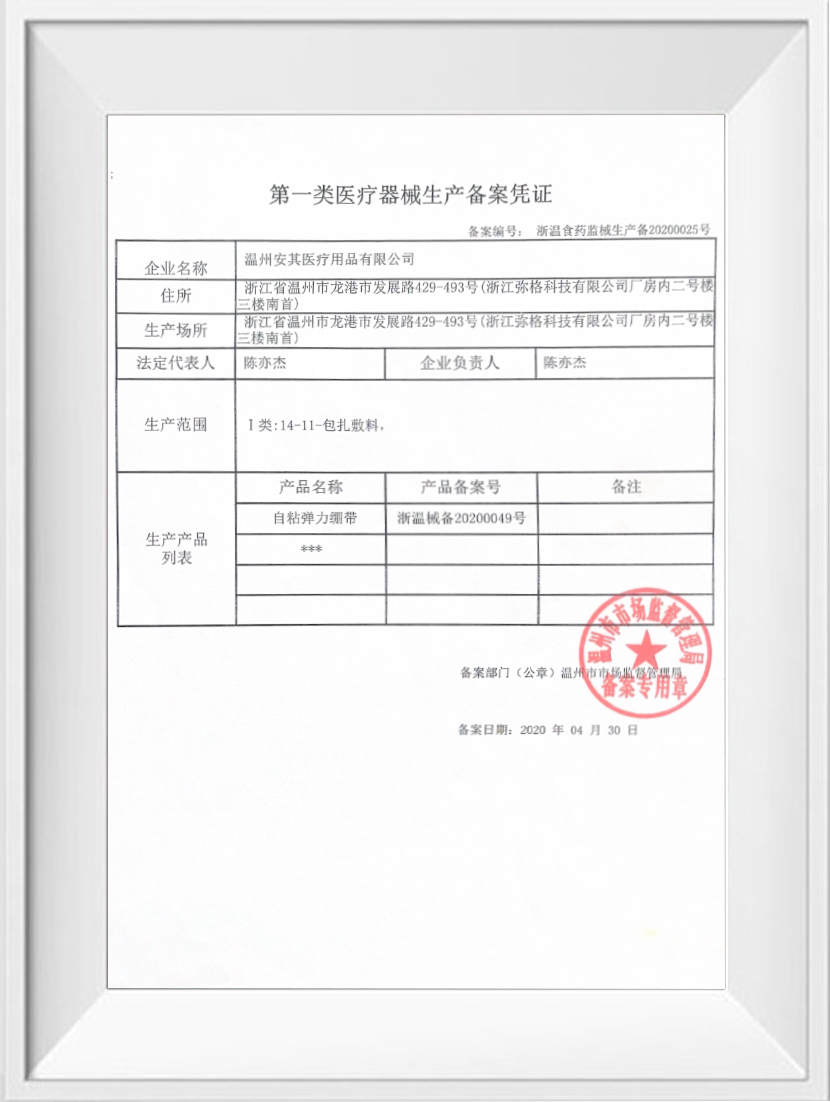
Approval No: Zhejiang Wenzhou Food and Drug Administration Machinery Production Filing No. 20200025
The information provided on this website is intended for use only in countries and jurisdictions outside of the People's Republic of China.
