
 English
 русский
 中文简体
 Español
 Deutsch
 عربى


Should Sports Tape Manufacturers Focus More on Comfort or Durability
Content
- 1 Why Are Comfort and Durability Both Important in Sports Tape?
- 2 How Does Comfort Affect the User Experience?
- 3 What Makes Sports Tape Durable During Physical Activity?
- 4 Can Manufacturers Improve Comfort Without Reducing Durability?
- 5 Do Different Types of Sports Tape Require Different Priorities?
- 6 How Do Skin Sensitivity and Long-Term Wear Influence Product Design?
- 7 What Should Sports Tape Manufacturers Consider During Quality Control?
- 8 How Are Market Expectations Changing the Balance Between Comfort and Durability?
Sports tape is now common in sports care, fitness, rehabilitation and everyday physical activity. Athletes use it to support muscles and joints, and gym-goers wear it during training. Users want different things, but two qualities shape most of their experience: comfort and durability.
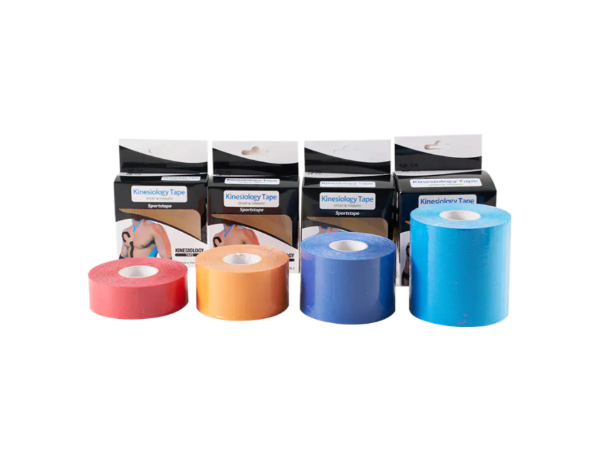
Balancing the two isn't easy for manufacturers. A tape that feels soft on the skin may not stay put during hard movement. A tape built to resist wear and hold its grip may feel stiff or unpleasant over long hours.
So which one should come first? It depends on how the tape will be used, who will wear it and what conditions it must handle. Both qualities affect performance, and neither is an optional extra.
Why Are Comfort and Durability Both Important in Sports Tape?
Sports tape sits on the skin while the body moves, stretches and works. Unlike a product that stays in one place, it has to adapt constantly. That ties comfort and durability closely to the overall experience.
Comfort is about how the tape feels. It involves skin contact, flexibility, breathability, adhesive behavior and how easily the tape moves with the body. If it irritates, pulls on the skin or restricts movement, people will struggle to wear it for the intended time.
Durability is about whether the tape keeps doing its job. It covers resistance to peeling, stretching, friction, moisture and repeated movement. A tape that loses grip too soon needs frequent replacement, which interrupts activity and makes application a hassle.
Both also influence buying decisions. Retailers and sports brands want products that meet customer expectations, and professional buyers look at consistency and suitability for different uses.
Manufacturers therefore can't rely on a single strength. A comfortable tape that won't stay on disappoints users. A tough tape that feels unpleasant does too.
The aim is a balanced product built around real usage conditions, not one quality in isolation.
How Does Comfort Affect the User Experience?
Comfort is the quality people notice first, because they feel it the moment the tape touches the skin.
Some wear sports tape for short workouts. Others keep it on through daily activity or long stretches of movement. Either way, skin contact matters. A tape that feels fine at application can become irritating after repeated movement or prolonged wear.
Several features contribute to comfort.
- Softness: The material should feel pleasant on the skin without causing needless friction.
- Flexibility: The tape should move with the body instead of feeling stiff or restrictive.
- Breathability: Air circulation helps reduce discomfort from heat and moisture.
- Adhesive experience: The adhesive should hold well without pulling hard during removal.
- Skin compatibility: Material and adhesive choices should allow for sensitive skin.
Flexibility deserves special mention. Tape goes on shoulders, knees, wrists, ankles and backs, and each moves differently. A material that feels fine on a wrist may not feel the same on a larger, more active area.
Breathability matters too. Exercise produces heat and sweat. If the tape traps moisture, wearing it becomes unpleasant, and both the material structure and the adhesive system influence that.
For manufacturers, comfort isn't just softness. It takes careful material selection, adhesive development, product structure and practical testing.
What Makes Sports Tape Durable During Physical Activity?
Durability decides whether tape can do its job under normal conditions. Physical activity brings movement, friction, sweat, moisture and contact with clothing or equipment.
These conditions can change how both the material and the adhesive behave. A tape that looks perfect before use may perform differently once it's on the skin.
Adhesion is a major piece. If the adhesive can't keep contact during movement, the edges start to lift. That hurts convenience and how securely the tape stays in position.
Material strength matters as well. Tape must handle stretching and repeated movement without tearing or breaking down. Strength isn't the same as stiffness, though. A tape that resists stretch too much limits the flexibility users expect.
Manufacturers can evaluate durability through several factors:
| Durability Factor | Why It Matters |
|---|---|
| Adhesion stability | Helps the tape remain attached during movement |
| Material strength | Reduces the risk of tearing during application and use |
| Stretch recovery | Influences how the material responds to repeated movement |
| Moisture resistance | Helps maintain usability in sweaty or humid conditions |
| Edge stability | Reduces premature lifting and peeling |
| Surface resistance | Helps the product withstand friction from clothing and equipment |
Durability also affects consistency. Customers expect different rolls of the same product to feel alike. Variation in adhesive application, material structure or production conditions can change how the tape performs.
That's why durability has to be built in throughout production, not added at the last step.
Can Manufacturers Improve Comfort Without Reducing Durability?
This is one of the central challenges in sports tape development. Comfort and durability can look like rivals, but they don't have to be.
It comes down to design. A suitable material can offer flexibility and still have enough strength for its purpose. An adhesive system can hold steadily without feeling harsh on application or removal.
Material selection plays a big role. Fabrics and elastic materials differ. Some are soft and flexible, while others keep their shape under repeated stretching.
The adhesive needs equal care. Stronger adhesion doesn't automatically mean a better experience. If it's too aggressive for the application, removal hurts. If it's too weak, the tape peels off mid-activity.
Manufacturers can find the balance through a few development choices:
Material and adhesive compatibility
The two should work as a pair. An adhesive that performs well on one fabric may behave differently on another. Testing the finished product tells you more than testing each part alone.
Flexible product structures
A suitable structure lets the tape follow body movement while staying intact. This matters most for joints and muscles that move often.
Application-specific design
Users have different needs. Tape for general fitness may need a different mix of flexibility, skin feel and grip from tape meant for demanding sports settings.
Practical wear testing
Lab checks are useful, but real use matters too. Manufacturers should see how the tape feels and performs during movement, sweating, stretching and removal.
The goal isn't to make every product behave the same. It's to find the right balance for each intended use.
Do Different Types of Sports Tape Require Different Priorities?
Yes. Sports tape spans several product categories, and intended use changes how much comfort and durability each one needs.
Some products target muscle support and movement. Others are for joint stabilization, general athletic care or temporary protection. Their materials and adhesive needs differ.
Kinesiology tape is usually expected to stretch and follow natural motion. Comfort and flexibility matter a lot, while adhesion must stay stable during activity.
Rigid athletic tape serves another purpose. It limits certain movements or gives external support, so structural stability and reliable adhesion get more attention.
Underwrap foam tape goes between the skin and other tape. Its role differs from the outer layer, so softness and skin contact matter more than long-term adhesive performance.
The table below shows how application shapes manufacturing priorities.
| Sports Tape Type | Main Application | Important Product Considerations |
|---|---|---|
| Kinesiology tape | Muscle and movement-related applications | Flexibility, skin comfort, adhesion |
| Rigid athletic tape | Joint support and movement restriction | Structural stability, adhesion, handling |
| Cohesive bandage | Wrapping and external support | Flexibility, compression control, material strength |
| Underwrap foam tape | Skin protection beneath athletic tape | Softness, cushioning, skin contact |
| Elastic adhesive bandage | Wrapping and support during activity | Stretch, comfort, shape retention |
These differences show why one manufacturing standard can't fit every category. Manufacturers should understand the intended use before deciding which traits deserve priority.
A product built around the wrong priorities may work in one setting and let users down in another.
How Do Skin Sensitivity and Long-Term Wear Influence Product Design?
Skin contact is a major consideration. Sensitivity varies from person to person, and experiences depend on where the tape is applied, how it's worn and for how long.
Some users are bothered by friction or by removing the adhesive. Others react to certain materials or adhesive ingredients. That makes skin compatibility a key part of development.
No single adhesive formula will suit everyone. Design should account for the intended wearing conditions and the chance of skin reactions.
Long wear adds more challenges. Tape may feel fine when first applied, then turn unpleasant as the user sweats and moves. Moisture, body heat and friction all change the experience.
Removal deserves attention too. A tape may hold well during activity yet hurt coming off. That can color how users judge it, even if it performed as expected during exercise.
Manufacturers can address this through material screening and product testing. They should assess skin contact, adhesive behavior, residue and removal as part of the design process.
Clear instructions help as well. Users need to know how to prepare the skin, apply the tape and remove it properly, which can prevent problems caused by misuse.
For brands and distributors, skin-related information also supports customer communication. Clear descriptions of materials, intended uses and precautions help buyers understand what a product is meant to do.
What Should Sports Tape Manufacturers Consider During Quality Control?
Quality control links design to real manufacturing results. Even with a good material structure and adhesive formula, inconsistent production can undermine comfort and durability.
Small differences in coating, cutting, material handling or packaging can change the finished product. So manufacturers should check both physical characteristics and practical performance.
Quality control should cover several areas.
Material inspection
Check incoming materials for visible defects, surface consistency and suitability for the production process. Differences in fabric or adhesive can affect the final product.
Adhesive consistency
Adhesive should go on evenly. Uneven coating leads to patchy attachment, edge lifting and differences between rolls.
Stretch and flexibility checks
Evaluate how the tape responds to stretching and movement. It should behave the way its intended application requires.
Wear and adhesion testing
Tests should reflect movement, friction, moisture and other conditions users meet. This shows whether the tape keeps doing its job.
Skin contact and removal evaluation
Assess the wearing and removal experience too. Both are closely tied to customer satisfaction and product suitability.
Packaging inspection
Packaging protects tape in storage and transport. It should preserve the product and give clear information on use and handling.
Production records and repeatable inspection procedures help spot differences between batches. When a problem appears, manufacturers can trace it to the relevant stage and review the materials or processes involved.
Quality control shouldn't just ask whether a product passes inspection. It should also reveal how users experience the tape in real conditions.
How Are Market Expectations Changing the Balance Between Comfort and Durability?
The sports tape market serves many kinds of customers: professional athletes, fitness enthusiasts, rehabilitation users, sports clubs, retailers and private-label brands. Their expectations differ.
That variety is changing how manufacturers develop products.
Consumers increasingly notice the materials and features behind what they buy. They look at softness, elasticity, skin compatibility, adhesive performance and ease of removal. Appearance and packaging still count, but the real wearing experience drives repeat purchases.
Brands and distributors also need ranges that serve different segments. Some focus on general fitness, others on professional sports or rehabilitation-related uses.
This opens opportunities for manufacturers who can customize. Different colors, widths, materials, packaging formats and adhesive options help brands target specific customer groups.
Private-label production adds another layer. A brand may have its own requirements for feel, adhesion, packaging and intended use, and the manufacturer needs to understand them before developing a product.
Sustainability is entering the conversation too. Material sourcing, packaging, production waste and product lifespan can influence purchases. Environmental goals shouldn't come at the cost of safety or intended performance, though.
To keep up, sports tape manufacturers need a broad view of product value. Comfort and durability remain central, but they now sit alongside material transparency, customization, consistency and responsible production.
Keep In Touch

No.455 New Town Development Road,Longgang City, Wenzhou City

 +86-0577-83728222
 +86-0577-837282222
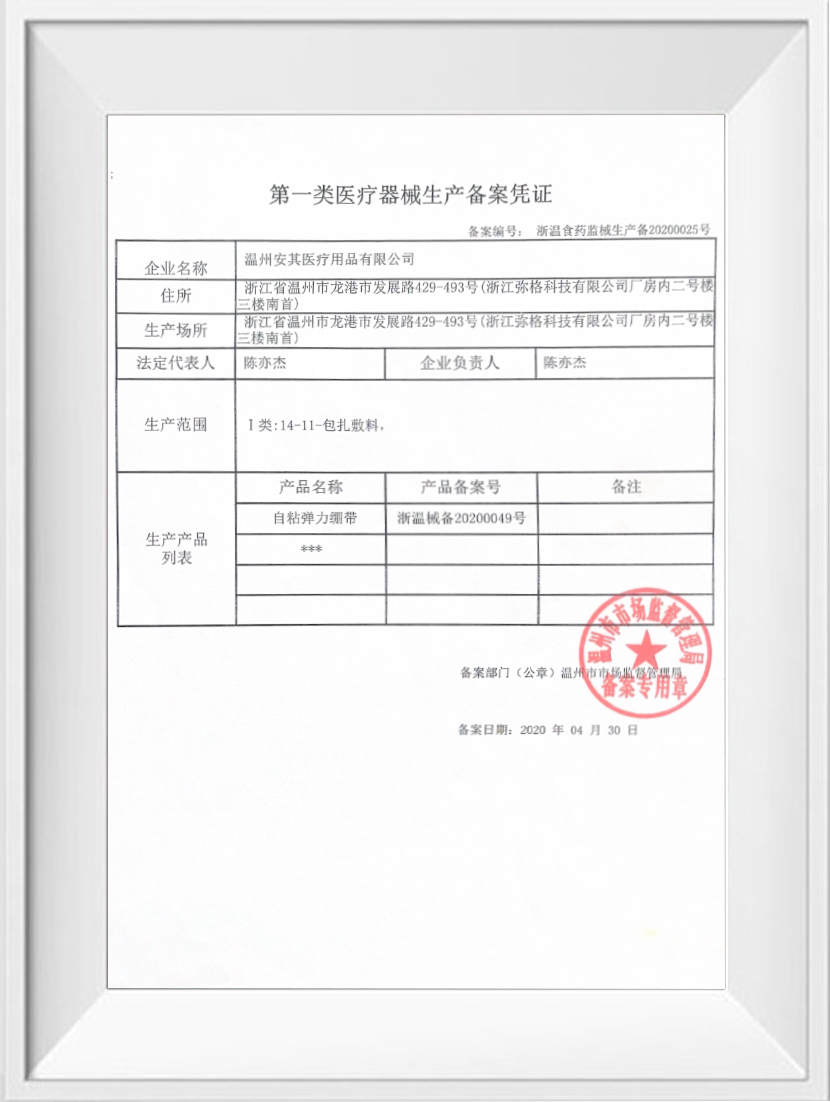
Copyright © Wenzhou Anqi Medical Supplies Co., Ltd. All Rights Reserved.
Approval No: Zhejiang Wenzhou Food and Drug Administration Machinery Production Filing No. 20200025
The information provided on this website is intended for use only in countries and jurisdictions outside of the People's Republic of China.
