
 English
 русский
 中文简体
 Español
 Deutsch
 عربى


How Is Custom Sports Tape Designed for Different Athletic Needs
Content
- 1 Why Do Different Sports Require Different Sports Tape Designs?
- 2 How Does Material Selection Affect Custom Sports Tape?
- 3 How Is Custom Sports Tape Designed for Different Body Areas?
- 4 Can Sports Tape Be Customized for Different Athletic Activities?
- 5 What Role Does Adhesive Technology Play in Sports Tape Design?
- 6 How Do Shape, Size, and Printing Influence Custom Sports Tape?
- 7 What Should Manufacturers Consider During Custom Sports Tape Production?
- 8 How Can Buyers Choose the Right Custom Sports Tape for Their Needs?
Look around a gym or a playing field and you'll spot sports tape everywhere. It sits on a volleyball player's shoulder, a runner's knee, a basketball player's ankle, a lifter's wrist. The strips look alike from a distance. The reasons behind them don't.
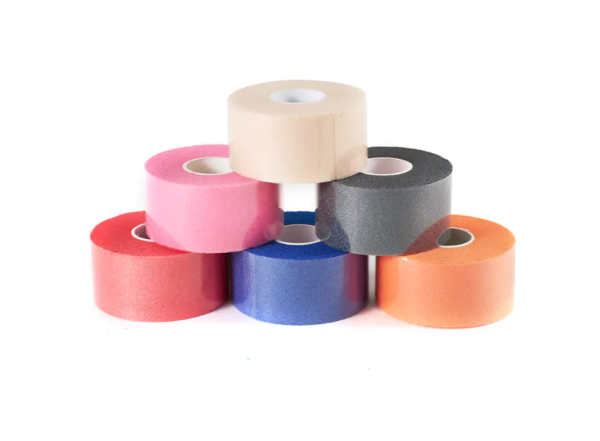
That's the point of custom sports tape . Instead of one product for every athlete, it starts from the body area, the way the athlete moves, how they train, and what the tape is for. Choosing a color or printing a team logo is the easy part. Material, adhesive, stretch, shape, and application method decide how the tape actually performs once the athlete is moving.
Sports and fitness keep branching into new forms, and demand for tailored products is shifting with them. Athletes, teams, fitness organizations, and equipment suppliers now look harder at how tape can be adapted.
Why Do Different Sports Require Different Sports Tape Designs?
Sports don't ask the same things of the body. A distance runner repeats nearly identical leg movements for hours. A basketball player stops dead, jumps, and cuts sideways. A weightlifter loads the hands and wrists again and again. A swimmer spends most of the session wet.
Those differences shape the tape. A product that works in one sport may feel wrong in another.
Movement comes first. Some activities involve constant stretching and bending, and others need steady support around one spot. Tape on a shoulder has to allow a wide arc of arm motion. Tape around a knee has to stay comfortable as the joint bends and straightens.
Conditions count too. Outdoor runners deal with sweat, rain, sun, and temperature swings. Indoor athletes face heat and moisture from hard sessions. Water sports add the question of how adhesive holds up when wet.
Personal taste matters as well. Some athletes like a light, flexible material. Others want a snug hold or a particular way of applying it.
When developing custom tape, manufacturers weigh several factors:
- Sport type: The physical demands and movement patterns associated with the activity.
- Application area: Whether the tape is intended for the knee, shoulder, wrist, ankle, back, or another body part.
- Wearing conditions: Exposure to sweat, moisture, friction, and repeated movement.
- User preferences: Skin comfort, flexibility, appearance, and ease of application.
- Intended function: Whether the product is designed for general athletic support, movement awareness, or other specified applications.
Getting these straight gives designers a clear direction before they move on to materials and production.
How Does Material Selection Affect Custom Sports Tape?
Material sits at the center of tape design. It sets how the tape stretches, how it feels on the skin, and how it reacts to movement.
Cotton is a common base. It has a soft hand and feels comfortable in normal wear. Blend it with elastic fibers and you get a tape that moves with the body, which suits joints that bend over and over.
Synthetic fibers are the other route. They can offer different degrees of flexibility, durability, and moisture handling. Depending on the use, a maker might pick a material that trades stretch against stability in a particular way.
Many products blend natural and synthetic fibers. That lets designers tune the tape's properties to the target market and the job.
The fabric has to be judged together with the adhesive. A supple fabric paired with the wrong adhesive won't wear well. An adhesive that grips too hard, or hurts coming off, will cost you user satisfaction.
The table below lays out the main material considerations.
| Material Consideration | Its Role in Sports Tape Design |
|---|---|
| Cotton fabric | Provides a soft surface and comfortable contact with the skin |
| Elastic fibers | Allow the tape to stretch and follow body movements |
| Synthetic materials | Offer different options for flexibility and durability |
| Fabric structure | Influences breathability, texture, and overall feel |
| Adhesive layer | Affects attachment, skin contact, and removal |
| Material combination | Balances flexibility, support, and wearing comfort |
No single combination fits every sport. Tape for casual fitness has different needs from tape for heavy training blocks.
Makers also have to ask how the material holds up after many repetitions. Tape should keep its intended character in normal use, not turn uncomfortable as the athlete keeps moving.
How Is Custom Sports Tape Designed for Different Body Areas?
Where the tape goes directly affects its design. Joints and muscle groups differ in shape, range of motion, and how the skin behaves.
A one-size design is convenient for general use, but it can miss the needs of a specific spot. Customization lets manufacturers adjust shapes, dimensions, and material mixes for each area.
Shoulder and upper back
The shoulder works in throwing, lifting, swimming, and reaching. Tape here needs to follow the body's contours without getting in the way of normal motion.
The upper back is a different case. The surface is broad, and the tape may need to run along muscle lines over a large area. Flexible materials and well-chosen shapes make that easier to apply.
Knee
The knee flexes and extends in running, jumping, squatting, and walking. Tape for this area has to cope with joint movement and the way the skin around the knee changes shape.
Format matters too. Pre-cut designs can guide users through common application patterns, while larger rolls let practitioners build their own layouts.
Wrist and hand
Gripping, lifting, and repeated hand motion put the wrist and hand to work. Flexibility and fit need close attention here.
Tape that restricts too much will get in the way of hand movement. A good design leaves room to move while still serving its purpose.
Ankle and foot
Running, jumping, turning, and quick direction changes all load the ankle and foot. Shoes and surrounding surfaces rub against these areas again and again.
Tape here should match the ankle's shape, follow foot movement, and handle friction. Reliable adhesion and easy application are the priorities.
Back and larger muscle areas
The back, thigh, and other large areas may call for longer strips or different cut shapes. Designers have to think about how the material tracks the skin as the body moves.
All this is why custom tape is usually developed for particular body areas instead of leaning on a single design.
Can Sports Tape Be Customized for Different Athletic Activities?
Yes. Makers adapt tape to an activity by changing the material, adhesive, shape, and intended application. The aim is to fit the product to the sport's demands, not just to restyle it.
Running and endurance sports
Runners repeat the same motion for a long time. Comfort, breathability, and staying power over continuous activity tend to top their list.
Tape for runners has to deal with sweat and with friction from clothing or gear. Flexible materials also help it follow repeated leg movement.
Basketball and team sports
Basketball means jumping, landing, turning, and sudden cuts. Players may tape ankles, knees, shoulders, or fingers, depending on what each one needs.
In team sports, looks become part of the brief. Teams may ask for set colors, printed patterns, or custom packaging that matches their uniforms and identity.
Weightlifting and strength training
Lifting loads the hands, wrists, and other areas again and again. Tape used here may need to handle gripping, contact with equipment, and constant friction.
Some lifters want a firmer feel. Others care more about flexibility and easy removal. The intended use tells you which traits to focus on.
Swimming and water-based activities
Water makes adhesion harder. Repeated exposure can change how well tape sticks to the skin.
Products for these settings need moisture resistance suited to where they'll be worn. Material and adhesive formula should be tested together.
Gymnastics and flexibility-based activities
Gymnastics and dance put the body in a huge range of positions. Tape in these settings should allow natural movement and stay comfortable as the skin stretches or folds.
Flexibility, shape, and application method all shape how it feels to wear.
These examples show that sport-specific customization means more than making different versions of the same thing. It means understanding the activity and turning its demands into practical design choices.
What Role Does Adhesive Technology Play in Sports Tape Design?
The adhesive matters as much as the fabric. Even a tape with the right stretch and texture will let the athlete down if it doesn't stick.
Sports tape typically uses skin-contact adhesives that balance hold and release. The adhesive has to keep the tape on under normal wear, yet let it come off without needless discomfort.
Several factors steer the choice.
Sweat and moisture resistance
Exercise means sweat. If the adhesive can't keep its grip when damp, the edges of the tape start to lift.
For hard training, manufacturers need to check how the adhesive reacts to sweat and humidity.
Skin compatibility
Tape sits on bare skin, so compatibility is a core part of development.
The adhesive should be assessed for its intended use, including the chance of irritation or discomfort. Still, no adhesive can promise the same result for everyone. Sensitivity varies from person to person.
Flexibility during movement
Adhesive and fabric must work as a pair. When an athlete bends a knee, rotates a shoulder, or flexes an ankle, the tape should follow the skin without lifting or pulling.
An adhesive that holds well on a still surface can act differently during repeated motion. That's why testing under realistic conditions belongs in development.
Removal experience
Hold isn't the whole story. Removal counts as well.
An adhesive that's too aggressive hurts coming off. One that's too weak lets go during normal activity.
Makers need to design for both stages of use. A sound balance makes the product more practical for everyday athletic work.
How Do Shape, Size, and Printing Influence Custom Sports Tape?
Customization also covers how the product looks and is supplied. Users have their own preferences for width, roll format, pre-cut shapes, and printed designs.
Tape shape and format
Sports tape comes as rolls, pre-cut strips, and other application-specific formats. Each has its purpose.
Rolls let users cut to suit. They often appeal to professional practitioners and to anyone who likes flexible application.
Pre-cut strips follow common application patterns. They make life easier for people who don't want to cut tape themselves.
Some custom products use special shapes for particular body areas. These can simplify application and cut down on handling.
Width and length
Body areas need different coverage. A narrow strip fits a small area, and wider tape suits larger muscle groups.
The format should match the use. Makers need to think about the dimensions and also about how users will cut, store, and apply the tape.
Color and visual design
Color requests are common. Teams may want tape that matches their kit, and retailers may want shades that fit their ranges.
Patterns and logos can be added, depending on the product structure and printing process. The print method must not interfere with flexibility, skin contact, or function.
Packaging customization
Packaging affects how the product is shown, stored, and shipped. Single rolls, retail boxes, multi-roll sets, and bulk packs suit different sales channels.
For sports brands and distributors, packaging can also carry product information, application tips, and material details. Clear labels help buyers know what they're getting and how it's meant to be used.
What Should Manufacturers Consider During Custom Sports Tape Production?
Going from concept to finished product takes several linked stages. Each one affects the look, consistency, and practical use of the tape.
Material preparation
Production starts with choosing and preparing the fabric and adhesive. The choice follows the intended application, target users, and desired product traits.
Makers must confirm that the materials work together. Differences in fabric structure or adhesive behavior can change the finished product.
Adhesive coating
The adhesive goes onto the fabric in a controlled coating process. Even coverage matters, because an uneven coat hurts both attachment and wearing feel.
The process also has to respect the material's flexibility. The finished tape should keep its intended physical traits.
Cutting and shaping
Once the material is ready, it is cut into rolls or custom shapes. Cutting accuracy affects how the final product looks and works.
Pre-cut tape needs shapes that match the intended use. Roll products need clean edges and consistent widths.
Printing and customization
If the product carries logos, colors, or patterns, printing has to be coordinated with the material and the production process.
The design should stay sharp without harming the tape's properties. Makers also need to check that the chosen print method suits the material.
Quality inspection
Inspection goes beyond appearance. Makers may check adhesive consistency, flexibility, cutting quality, packaging condition, and other traits tied to the intended use.
Depending on the product and market, testing may also include skin-contact assessments and trials under simulated wearing conditions.
How Can Buyers Choose the Right Custom Sports Tape for Their Needs?
For buyers, the first step is pinning down what the tape is for, before getting into looks or packaging. A clear requirement helps manufacturers suggest the right materials and production options.
A few questions can guide the process.
| Buying Consideration | Questions to Ask |
|---|---|
| Intended activity | Will the tape be used for running, team sports, gym training, or water-based activities? |
| Application area | Is it designed for the knee, shoulder, wrist, ankle, or another body area? |
| Material | What fabric structure and elasticity are suitable for the intended use? |
| Adhesive | How does the adhesive respond to sweat, moisture, and repeated movement? |
| Product format | Is roll tape or pre-cut tape more suitable? |
| Customization | Are specific colors, patterns, logos, or shapes required? |
| Packaging | Will the product be sold individually, in sets, or in bulk? |
| Quality requirements | What inspections and product documentation are available? |
Tell the manufacturer who the users are, too. A product for professional teams may have different requirements from one for general fitness customers.
Samples are worth requesting. They let buyers inspect the material, try the application, and see whether the look matches the design.
Keep the conversation with the manufacturer open on both function and appearance. A detailed brief cuts down on misunderstandings during development and keeps production in line with the intended use.
Keep In Touch

No.455 New Town Development Road,Longgang City, Wenzhou City

 +86-0577-83728222
 +86-0577-837282222
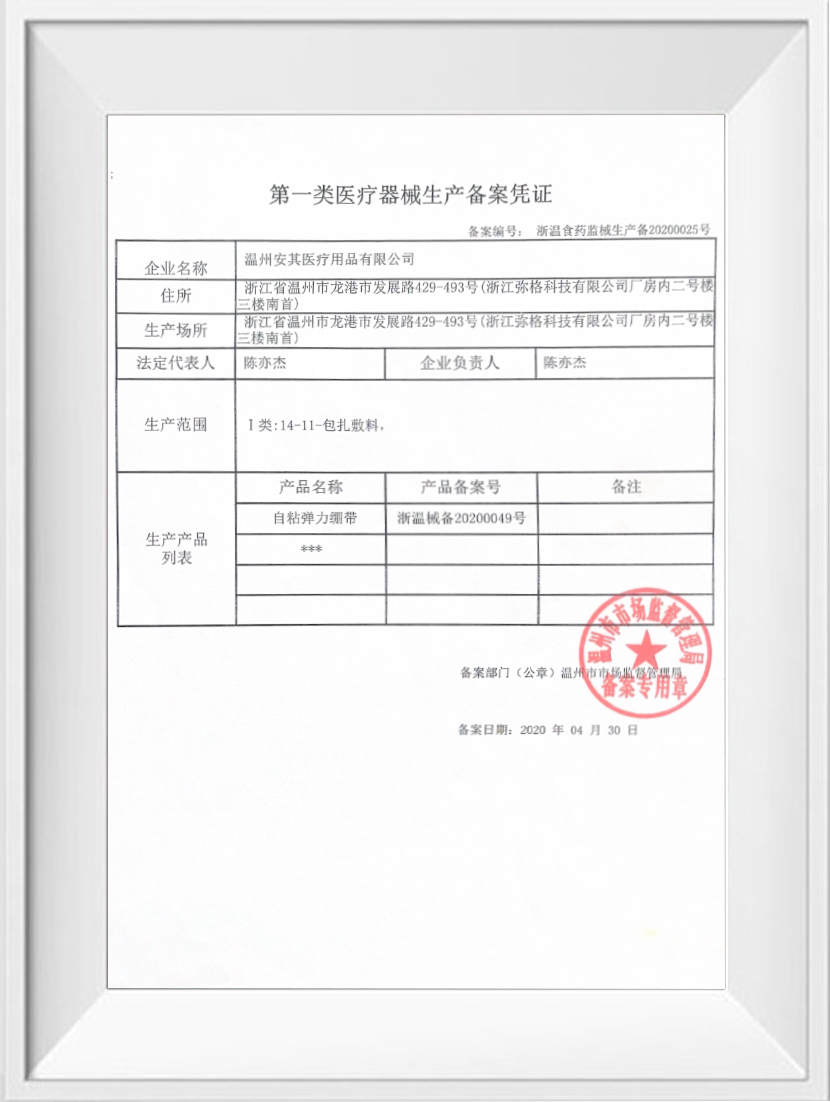
Copyright © Wenzhou Anqi Medical Supplies Co., Ltd. All Rights Reserved.
Approval No: Zhejiang Wenzhou Food and Drug Administration Machinery Production Filing No. 20200025
The information provided on this website is intended for use only in countries and jurisdictions outside of the People's Republic of China.
