
 English
 русский
 中文简体
 Español
 Deutsch
 عربى


Can Breast Strapping Tape Replace a Traditional Bra
Content
- 1 What Is Breast Strapping Tape and How Does It Work?
- 2 How Is Breast Strapping Tape Different from a Traditional Bra?
- 3 Can Breast Strapping Tape Provide the Same Support as a Bra?
- 4 Why Are More Consumers Considering Breast Strapping Tape?
- 5 Is Breast Strapping Tape Comfortable and Safe for the Skin?
- 6 How Should You Choose Between Breast Strapping Tape and a Traditional Bra?
- 7 What Should Consumers Know Before Using Breast Strapping Tape?
- 8 How Is Breast Strapping Tape Influencing the Fashion Accessories Market?
Backless dresses, strapless tops, open-back gowns, plunging necklines: fashion keeps moving toward cuts that a regular bra just can't hide behind. The straps peek out, the back band shows, and the outfit loses the clean line it was designed to have.
That's where breast strapping tape comes in. You stick it straight onto the skin and arrange the strips to suit the neckline and the look you're after. No straps, no band, no hooks.
So can it actually replace a bra? It depends on who is wearing it, what they're wearing it with, and how much support they need. Tape works well for some outfits and occasions. It doesn't do everything a bra does.
Knowing where the two differ makes the buying decision easier. It also says something about where the fashion accessories market is heading.
What Is Breast Strapping Tape and How Does It Work?
Breast tape is an adhesive product that supports and positions the bust without a bra's usual structure. It has no cups, no shoulder straps, no hooks, and no back band. An adhesive layer holds it to the skin.
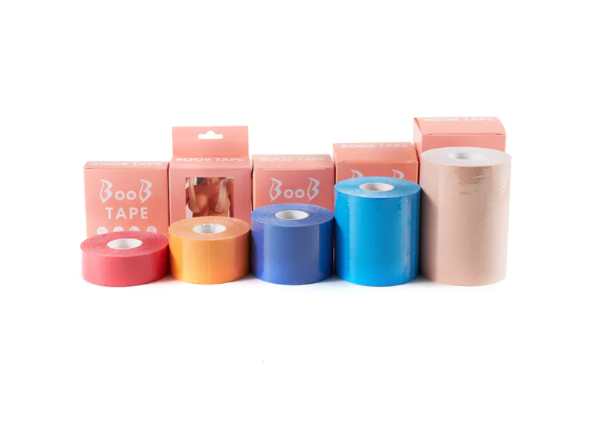
You apply it in strips, and the direction of each strip depends on the outfit and the support you want. Some people run it vertically for lift. Others lay it horizontally or on a diagonal to hold the bust from different angles.
The principle is simple. The adhesive grips the skin, and the stretchy backing follows the body's curves. Applied well, the tape holds the bust where you put it.
People usually reach for it when a bra won't work with the clothes. Typical cases include:
- Backless dresses.
- Strapless evening gowns.
- Off-shoulder tops.
- Deep V-neck clothing.
- Open-side dresses.
- Outfits with unusual shoulder or back designs.
Materials and adhesives vary by product. Some focus on flexibility, and others put skin comfort first.
Don't confuse it with ordinary fashion tape. Fashion tape keeps fabric in place, closes gaps, or fixes cloth to skin. Breast tape is meant to support and shape the bust directly. The two can look alike, but they do different jobs.
How Is Breast Strapping Tape Different from a Traditional Bra?
The difference comes down to construction. A bra combines fabric, cups, shoulder straps, and a back band, and these share the load across the body.
Tape relies on adhesive contact. It sticks to the skin, and the support comes from where the strips go and how much tension they carry.
That changes how each one feels and performs while you wear it.
| Comparison Factor | Breast Strapping Tape | Traditional Bra |
|---|---|---|
| Main Structure | Flexible adhesive strips | Cups, straps, and a back band |
| Support Method | Adhesive attachment and strip placement | Fabric construction and body support |
| Visibility | Can remain hidden under many open designs | Straps or bands may be visible |
| Clothing Compatibility | Suitable for selected backless and strapless outfits | Suitable for many everyday clothing styles |
| Adjustability | Depends on application and tape design | Often adjustable through straps and closures |
| Reusability | Depends on the product type | Usually designed for repeated use |
| Wearing Experience | Direct contact with the skin | Fabric contact with the body |
A bra is built for daily, repeated use. It gives you a structured support system in a wide range of shapes, sizes, and styles.
Tape is about freedom in what you wear. It keeps the look clean when underwear would show. The tradeoff is that it takes careful application, and it may not support as consistently as a well-fitted bra.
Neither one covers every situation. Which suits you depends on the outfit, your body shape, and your own preferences.
Can Breast Strapping Tape Provide the Same Support as a Bra?
Shoppers ask this more than anything else. Tape can lift and hold the bust in place, but it gets there in a very different way from a bra.
A bra spreads support across connected parts. Cups hold the bust, straps keep it positioned, and the band adds stability around the torso.
Tape depends on adhesion. How well it works comes down to how you arrange the strips, how firmly they stick, and how they suit your body.
For some people, tape gives enough support for a given outfit. It can also create a lifted look with no underwear visible. How well it performs, though, changes with how much support you need.
A few things shape the experience.
Body Shape and Bust Size
Bodies differ, so the amount of tape and its placement differ too.
If you need a lot of support, tape may feel less stable than a structured bra. If you want light support or a certain effect under a garment, it may be a better match.
Tape Application
Technique matters. Strips placed in the wrong spot, or applied with the wrong tension, won't give the result you expected.
Stick to the product instructions. Don't drag the skin hard or apply the tape in a way that hurts.
Clothing Design
The cut and fabric of the outfit change how the tape works. A backless dress may leave room for several layouts, while a deep neckline might need a different one.
Activity Level
Movement affects the adhesive. Sweat, friction, and motion can loosen it.
For energetic or long-wearing situations, check that the product is meant for them. Tape shouldn't be assumed to replace a sports bra or other gear made for active use.
Why Are More Consumers Considering Breast Strapping Tape?
Clothing design has pushed accessories to evolve. Open backs, thin straps, asymmetric cuts, and low necklines are everywhere now, and ordinary underwear struggles to hide in them.
Tape solves that by offering support without a conventional bra structure.
A More Flexible Appearance
Bras have visible structure. Even strapless ones can have a back band or firm edges that show through certain fabrics.
Tape can follow the shape of the outfit, which gives you more room to wear unusual cuts.
Less Visible Under Clothing
Thin fabrics show the outline of underwear. A regular bra can leave edges or lines, especially under fitted clothes.
Applied well, tape cuts down on those visible marks, so it's an option when you want a smooth finish.
Adaptable Application
You can run the strips in different directions and adjust them for the neckline, back design, and support you want.
Flexible doesn't mean right for everyone, though. Product instructions and how your skin feels should still guide you.
Convenience for Special Occasions
Weddings, formal events, parties, and photo shoots often involve clothes that don't play well with regular bras.
For one-off use, tape lets you wear the outfit as designed without altering it.
Is Breast Strapping Tape Comfortable and Safe for the Skin?
Anything that touches your skin has to be comfortable, and tape is no exception.
The adhesive sits directly on the skin, so its material and formula affect how it feels. Some products pair a flexible backing with skin-contact adhesives. Still, skin reacts differently from person to person.
Sensitive skin may turn red, itch, or get irritated. Even products made for skin contact can cause reactions in some people.
A few precautions help avoid trouble.
Check the Skin Before Application
Start with clean, dry skin free of oils and lotions. Moisture and skincare products can weaken adhesion.
Skip broken, irritated, sunburned, or damaged skin. If you've reacted to adhesives before, read the ingredient list and test a small area as the manufacturer suggests.
Avoid Excessive Tension
Overstretched tape pulls on the skin and becomes uncomfortable. Aim for the support you need without extra strain.
Also keep adhesive off the nipples unless the product is specifically made and labeled for that. Separate protective covers may be needed.
Follow the Recommended Wearing Instructions
Products differ in how to apply and remove them. Follow the guidance on wear time, skin prep, and removal.
Take the tape off if it causes pain, burning, itching that won't stop, or other signs of irritation. If a reaction develops, stop using it.
Remove the Tape Carefully
Ripping tape off quickly can irritate the skin. Some products suggest warm water or another method to loosen the adhesive.
Peel slowly and don't tug hard. If the instructions name a specific removal method, use it.
Comfort isn't only about how strongly the tape sticks. Flexibility, backing material, skin compatibility, and how easily it comes off all count.
How Should You Choose Between Breast Strapping Tape and a Traditional Bra?
Let the outfit and the support you need decide. Rather than treating one as a full replacement for the other, think of them as tools for different situations.
| Wearing Situation | Suggested Option | Main Consideration |
|---|---|---|
| Everyday clothing | Traditional bra | Structured support and repeated use |
| Backless dress | Breast strapping tape | Reduced visibility under open-back designs |
| Strapless top | Tape or strapless bra | Clothing cut and required support |
| Sports activities | Sports bra | Support during movement |
| Deep V-neck dress | Breast strapping tape | Compatibility with the neckline |
| Formal evening wear | Tape or specialized bra | Appearance and clothing structure |
| Long working hours | Traditional bra | Consistent support and wearing comfort |
A bra makes more sense if you need steady support all day. It also suits people who like familiar fabric and adjustable straps.
Tape is worth a look when the clothes rule out an ordinary bra, or when you want no straps or back band showing.
Plenty of people keep both in the wardrobe and pick by outfit, rather than expecting one product to handle everything.
When shopping for tape, look at its intended use, material, adhesive, flexibility, and removal instructions. Good product descriptions spell these out so buyers know what they're getting.
What Should Consumers Know Before Using Breast Strapping Tape?
Tape is flexible, but it asks more of you during application and removal than most bras do. Knowing its limits helps you avoid using it the wrong way.
It Is Not a Universal Bra Replacement
Tape suits some clothing styles. It doesn't offer the same construction or support as a bra. If you need a lot of support, a structured garment may serve you better.
Application Requires Practice
Where the strips go changes the result. New users often need a few tries to learn which layouts suit their body and clothes.
Try a small amount before a big event. That gives you a chance to learn the technique and check how your skin reacts.
Adhesion Can Change During Wear
Sweat, moisture, body oils, and friction can weaken the hold, particularly over long hours.
Think about where and how long you'll wear it, and don't assume it will stay put in every setting.
Removal Needs Care
Strong adhesion hurts if you yank the tape off. Follow the removal instructions to limit irritation.
Product Information Matters
Read up on the material, adhesive type, intended use, and skin-contact guidance. Clear labeling tells you what the product does and where it falls short.
For manufacturers and suppliers, this points back to design. Tape has to balance adhesion, flexibility, skin contact, and easy removal. Those qualities shape how buyers judge it and whether it fits their wardrobe.
How Is Breast Strapping Tape Influencing the Fashion Accessories Market?
Tape reflects a wider shift in fashion accessories. Shoppers want products that adapt to different clothing designs instead of relying on one type of underwear.
That has driven demand for accessories that are discreet and versatile. Adhesive bras, nipple covers, fashion tape, and breast tape each serve a different purpose in this category.
Breast tape holds its own spot by pairing adhesive attachment with flexible support layouts. You can adjust it to the garment, which makes it useful for both everyday styling and special occasions.
Materials are central to the category. Makers have to think about how the backing stretches, how the adhesive behaves on skin, and how easily the tape comes off.
Packaging and instructions shape the experience too. Clear guidance on application, skin prep, wear conditions, and removal helps people use the product properly.
Retailers and distributors need to look beyond appearance. Widths, colors, material options, packaging formats, and intended uses all matter when serving different tastes.
As necklines and open designs keep showing up in clothing, adhesive accessories stay relevant. Breast strapping tape is one answer to the problem of dressing freely while still getting bust support, and traditional bras continue to cover everyday needs with their structured design.
Keep In Touch

No.455 New Town Development Road,Longgang City, Wenzhou City

 +86-0577-83728222
 +86-0577-837282222
Copyright © Wenzhou Anqi Medical Supplies Co., Ltd. All Rights Reserved.
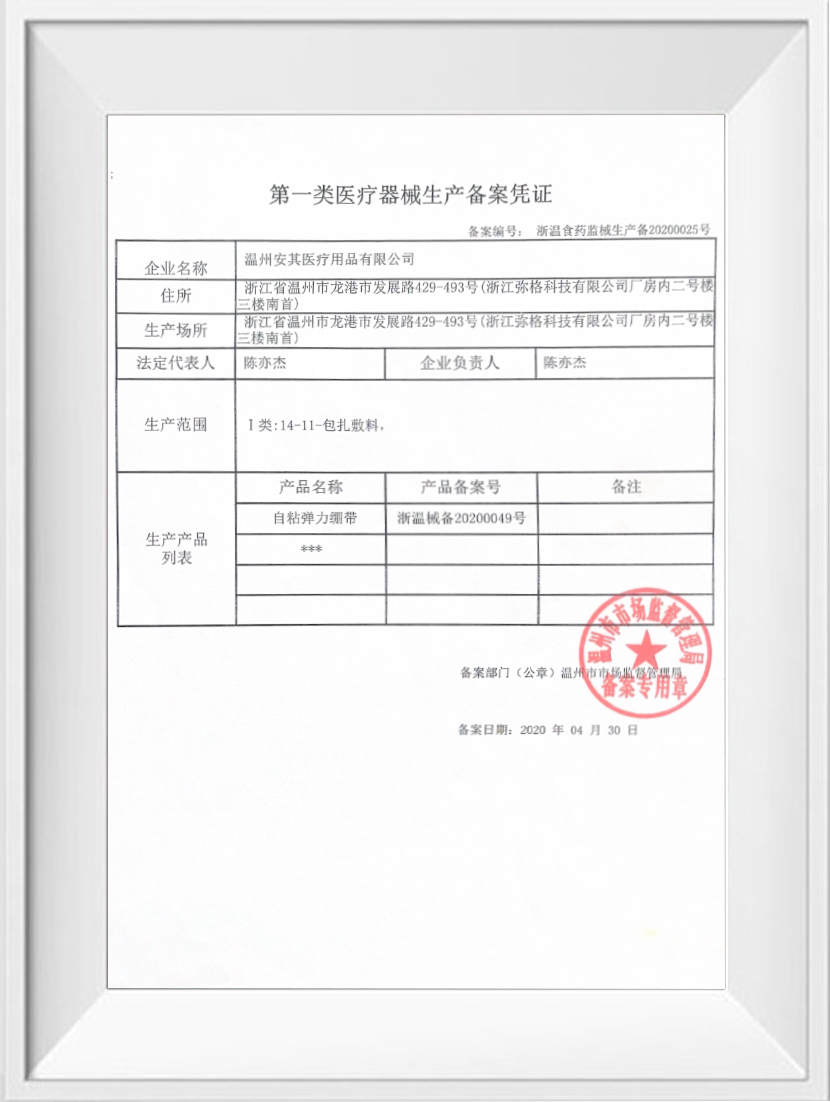
Approval No: Zhejiang Wenzhou Food and Drug Administration Machinery Production Filing No. 20200025
The information provided on this website is intended for use only in countries and jurisdictions outside of the People's Republic of China.
