
 English
 русский
 中文简体
中文简体 Español
 Deutsch
 عربى
عربى

Precut Kinesiology Tape for Knee: Uses and Benefits
Content
Precut kinesiology tape is a convenient and effective tool for managing knee pain, discomfort, and injuries. It is commonly used by athletes, individuals recovering from injuries, and people dealing with chronic knee issues. The tape works by providing support to the muscles and joints while allowing for a full range of motion. This article explores the common uses of precut kinesiology tape for the knee, its benefits, and practical applications.
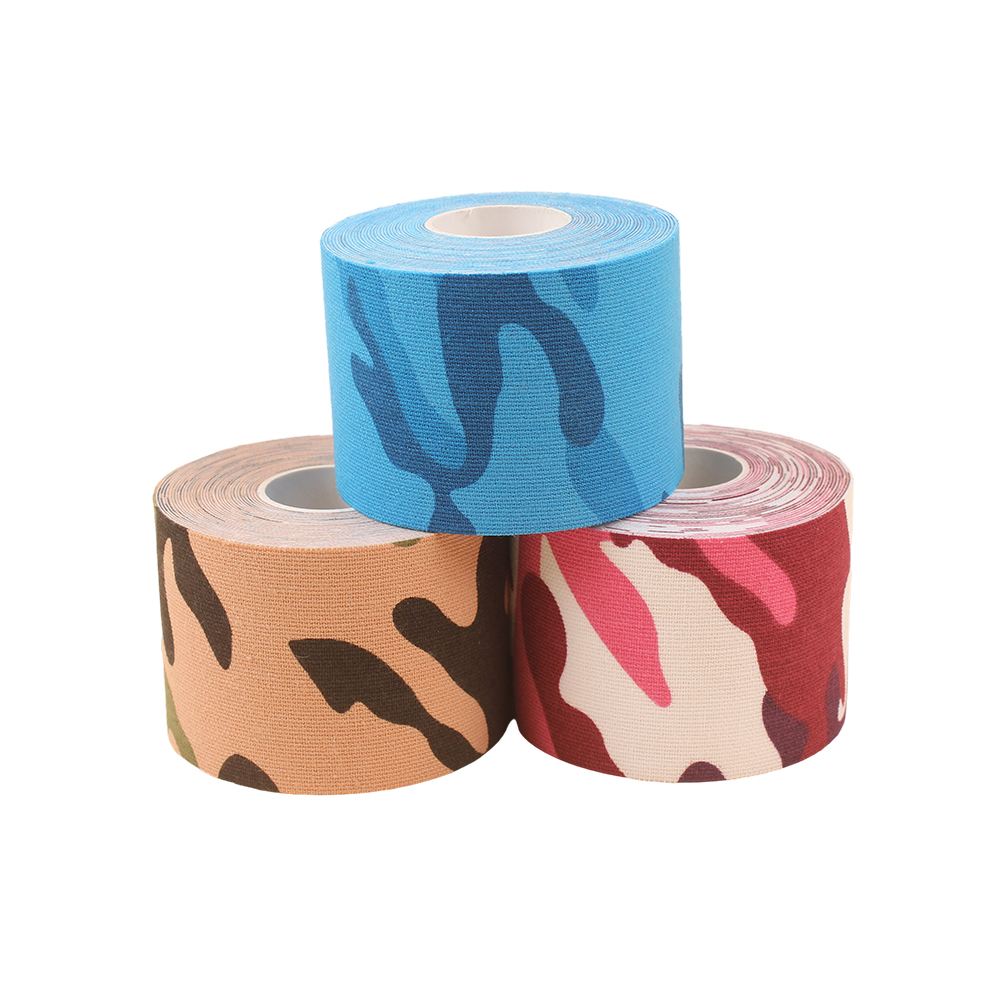
Uses of Precut Kinesiology Tape for Knee
Precut kinesiology tape is designed specifically for the knee area, providing targeted support for various conditions. It is typically used to relieve pain, reduce swelling, and support knee movement. The following are some of the common uses of kinesiology tape for the knee:
|
Use |
Description |
Condition Treated |
|
Pain Relief |
Reduces pressure on pain-sensitive areas of the knee. |
General knee pain, patellar tendinitis |
|
Swelling Reduction |
Promotes lymphatic drainage and reduces fluid buildup. |
Swelling caused by injury or inflammation |
|
Knee Support |
Supports weak or injured knee ligaments and muscles. |
Ligament injuries, muscle strain |
|
Improved Movement |
Allows for free movement while providing stability. |
Post-surgery recovery, chronic pain |
Precut kinesiology tape is beneficial for treating several knee conditions, such as patellar tendinitis, ligament injuries, and swelling due to overuse or trauma. It works by lifting the skin slightly, which allows better blood flow and lymphatic drainage, reducing pain and swelling.
Precut Kinesiology Tape for Knee: Benefits and Application
1. Pain Relief and Muscle Support
- Reduced Pressure: The tape alleviates pressure on the knee joint, helping to reduce pain caused by conditions like patellar tendinitis and general knee strain. The support provided by the tape allows individuals to perform everyday activities with less discomfort.
- Targeted Relief: The precise placement of precut tape ensures that the affected area of the knee is properly supported. It can relieve pain in the patella (knee cap) area or around the tendons and muscles, depending on where the tape is applied.
2. Reducing Swelling and Inflammation
- Lymphatic Flow: By lifting the skin slightly, kinesiology tape helps promote better lymphatic drainage. This improves circulation and reduces swelling, especially after knee surgery or an injury like an ACL tear. The tape encourages the natural process of fluid removal, thus helping to prevent further swelling and discomfort.
- Application for Inflammation: Precut kinesiology tape is often applied in a way that helps reduce inflammation around the knee joint. The tape can be applied to the sides of the knee or around the knee cap to encourage a reduction in fluid buildup and promote healing.
How to Use Precut Kinesiology Tape for Knee
Precut kinesiology tape is designed for ease of use. Here are the general steps to apply it effectively for knee support:
Clean and Prepare the Skin
Ensure Clean Skin: Before applying the tape, clean the knee area to remove any oils, dirt, or lotions that might interfere with adhesion. Dry the skin thoroughly to ensure the tape sticks properly.
Trim Hair: If necessary, trim any body hair around the knee to prevent discomfort when removing the tape.
Position the Tape Correctly
Apply in a "Y" Shape for Tendons: For conditions like patellar tendinitis, apply the tape in a "Y" shape with the base of the Y starting just below the knee cap and the two arms wrapping up either side of the knee. This technique targets the quadriceps and patellar tendons to provide support.
Place in an “I" Shape for Swelling: For general swelling or fluid retention around the knee, apply the tape in a straight “I"shape over the affected area, ensuring it lifts the skin without overstretching.
Ensure Proper Tension
Mild Tension: When applying the tape, make sure it has mild tension to promote movement and comfort. Too much stretch in the tape can cause discomfort or restrict circulation, while too little tension can reduce its effectiveness.
Wear for Optimal Results
Duration: Kinesiology tape can be worn for several days, even during exercise or physical activity, as it is designed to be breathable and flexible. Remove the tape after 3-5 days or as recommended by your therapist or doctor, especially if you notice any irritation or discomfort.
Keep In Touch

No.455 New Town Development Road,Longgang City, Wenzhou City

 +86-0577-83728222
 +86-0577-837282222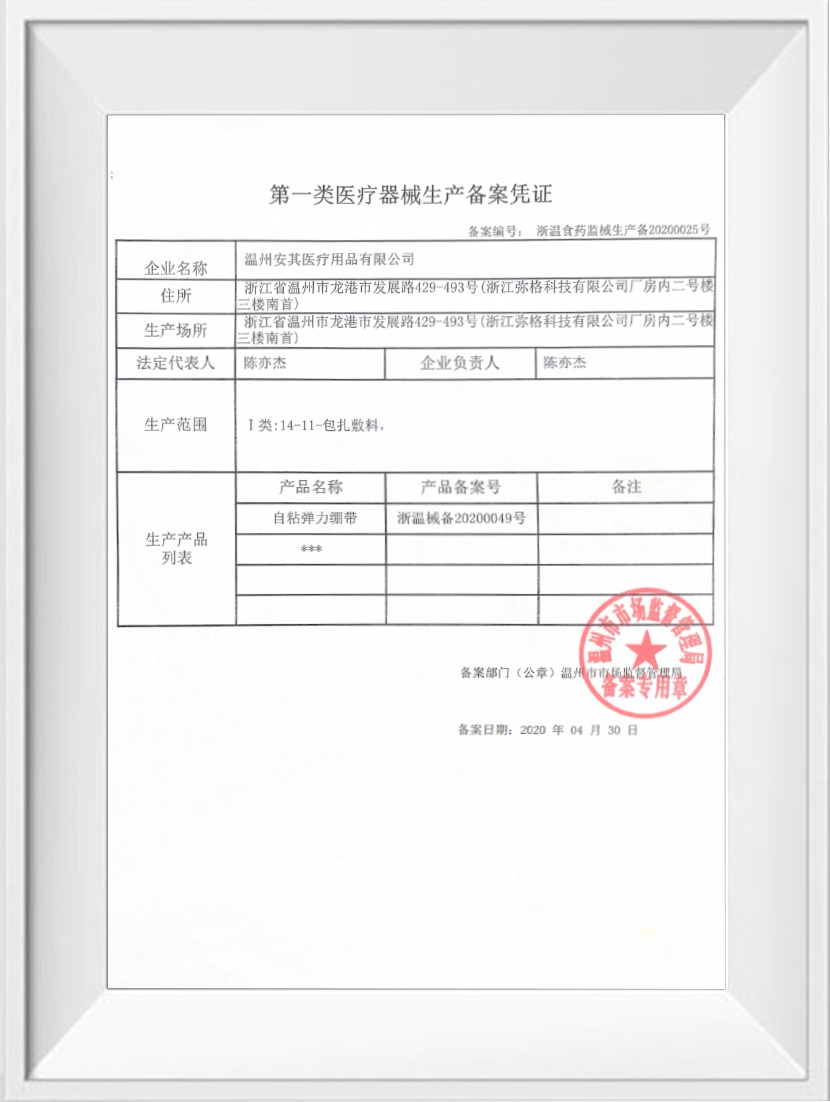
Copyright © Wenzhou Anqi Medical Supplies Co., Ltd. All Rights Reserved.
Approval No: Zhejiang Wenzhou Food and Drug Administration Machinery Production Filing No. 20200025
The information provided on this website is intended for use only in countries and jurisdictions outside of the People's Republic of China.
