
 English
 русский
 中文简体
中文简体 Español
 Deutsch
 عربى
عربى

Breast Lift Tape: Composition and Practical Use
Content
How does breast lift tape function, and what are its mechanical limits?
The tape operates on principles of tensile support and adhesion rather than compressive encapsulation like a standard bra.
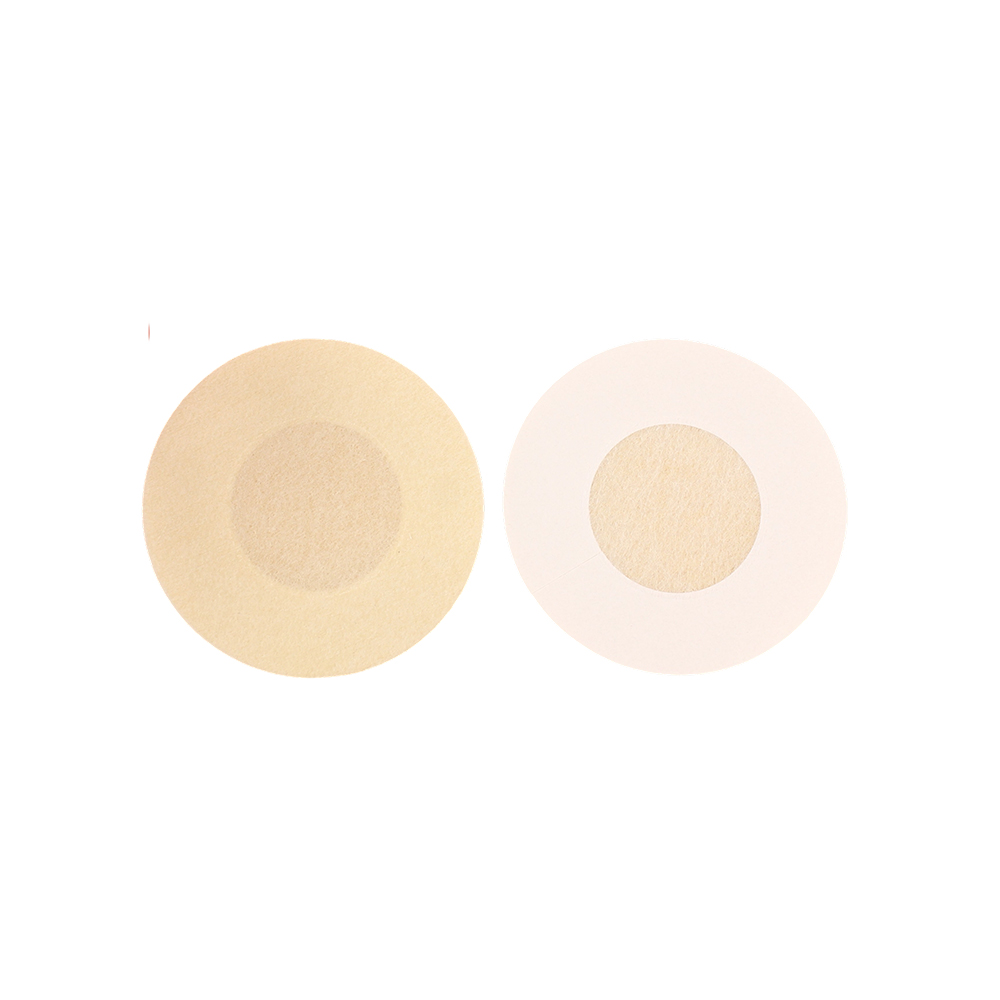
- Adhesive Bond and Skin Tension: The primary mechanism is the bond formed between the tape's medical-grade adhesive and the skin of the chest and the underside of the breast. When applied correctly, strips of tape are anchored on the lateral chest wall, drawn under and around the breast tissue to lift it, and then secured upward toward the shoulder or sternum. This creates a sling-like support system that relies on the tape's tensile strength and the integrity of the skin-adhesive bond to counteract gravity.
- Material Properties: The fabric backing is designed to have a controlled degree of stretch. This allows it to conform to the body's curves and accommodate movement (such as breathing and walking) without losing its supportive tension or detaching. However, this stretch is finite. The tape cannot provide the same level of containment, separation, or redistribution of weight as an engineered bra with underwire, cups, and wide bands. Its support is more directional (focused on vertical lift and minimal side support) and is fundamentally limited by the shear strength of the adhesive and the tolerance of the skin to sustained tension.
What are the primary safety considerations and potential skin reactions?
Safety is a central concern, as the product involves direct, prolonged skin contact with an adhesive under mechanical stress.
The common risk is skin irritation or damage. This can range from mild redness and itching upon removal to, in rarer cases, blistering or abrasion. Risk factors include using the tape on sensitive or damaged skin, removing it improperly, wearing it for longer than the recommended duration, or having an undiagnosed allergy to the adhesive components. To mitigate this, manufacturers recommend a patch test 24 hours before full use, applying a small piece to the area where the tape will be used to check for adverse reaction. Furthermore, the skin's natural barrier function can be compromised if the same area is taped repeatedly without sufficient recovery time, increasing vulnerability to irritation. The tape is also not advised for individuals with certain skin conditions, such as eczema or dermatitis, on the application site. Proper removal technique—slowly peeling back the tape while supporting the skin, and using an oil-based remover to dissolve the adhesive—is a critical safety step to minimize trauma.
For which garments or situations is this product considered suitable?
The suitability of breast lift tape is situational, determined by garment design and the required level of support.
- Backless, Strapless, or Low-Cut Attire: This is the most cited application. The tape provides a lifting effect for styles where traditional bra straps or bands would be visible, such as backless dresses, halters, deep-V necklines, or off-the-shoulder tops. It allows for a discreet support solution that is not possible with conventional lingerie.
- Specific Aesthetic Goals: Some users employ it to enhance cleavage or create a particular silhouette by positioning and lifting breast tissue in a way that differs from their natural placement. It can also be used to smooth lines under thin or tight-fitting fabrics where bra lines are undesirable.
- Short-Duration Wear for Special Events: The product is generally marketed and most effectively used for events lasting several hours, such as weddings, parties, or photoshoots. It is engineered for temporary wear, not for all-day, everyday use as a bra replacement. Its performance and comfort are optimized for these contained timeframes.
- Limited Active Wear: While some tapes are marketed as "sweat-proof," their utility for high-impact activities like running or intensive sports is limited. The dynamic, repetitive motion and significant gravitational forces involved in such activities can exceed the tape's adhesive and tensile capabilities, leading to failure or discomfort. Its use is generally confined to light activity or stationary social functions.
What are the realistic limitations and necessary user expectations?
Prospective users should have informed expectations about the product's performance boundaries.
A primary limitation is variability in individual results. Efficacy depends on factors including breast size, density, skin elasticity, and the user's skill in application technique. Individuals with larger or heavier breast tissue may find the tape offers less lift or holding power than a structured bra, and the sensation of support will feel different. Another key limitation is the lack of shaping and separation. Unlike a cupped bra, the tape does not mold each breast into a separate, rounded shape. It primarily lifts from below and may compress tissue together, creating a different look. Furthermore, application has a learning curve. Achieving an optimal, comfortable, and secure lift often requires practice, and incorrect application can lead to poor results or discomfort. Finally, there is a cost and waste consideration. The tape is typically single-use or limited to a few uses, generating recurring expense and material waste compared to a reusable garment. Understanding these parameters is essential for determining if the product aligns with a user's specific needs and expectations.
Keep In Touch

No.455 New Town Development Road,Longgang City, Wenzhou City

 +86-0577-83728222
 +86-0577-837282222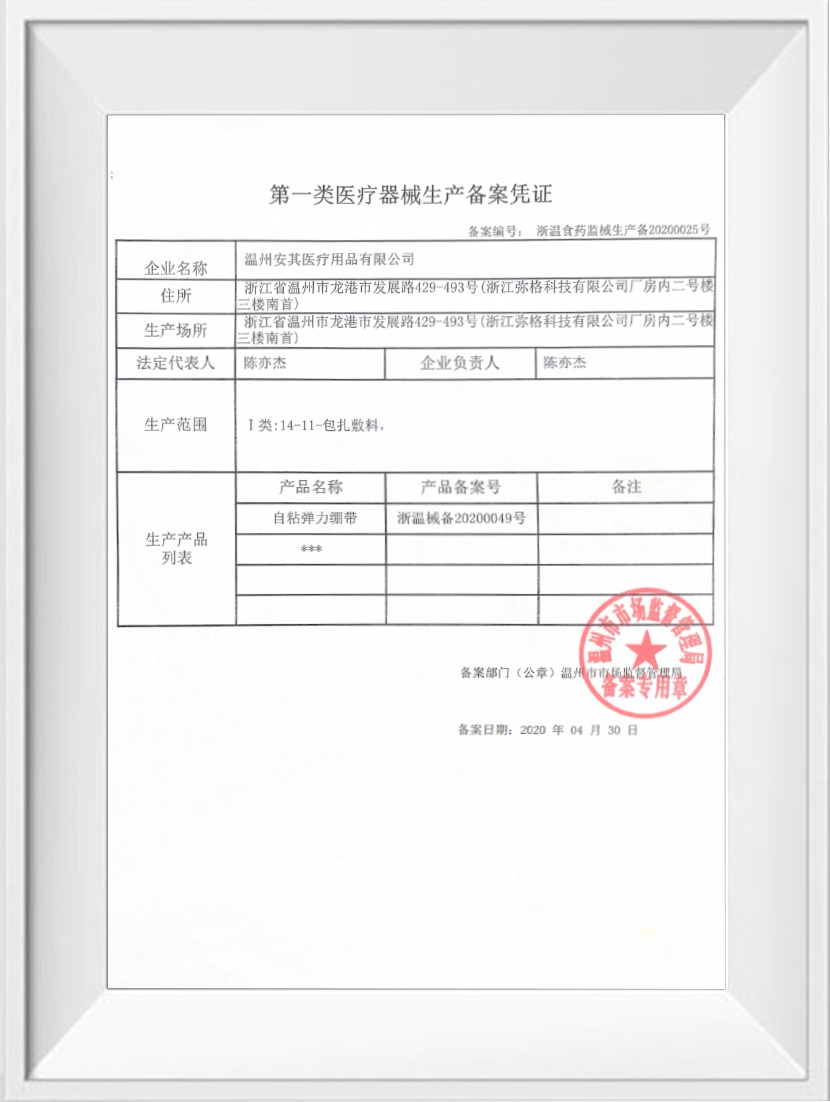
Copyright © Wenzhou Anqi Medical Supplies Co., Ltd. All Rights Reserved.
Approval No: Zhejiang Wenzhou Food and Drug Administration Machinery Production Filing No. 20200025
The information provided on this website is intended for use only in countries and jurisdictions outside of the People's Republic of China.
