
 English
 русский
 中文简体
中文简体 Español
 Deutsch
 عربى
عربى

Is Cotton Sport Tape Safe for All Skin Types?
Content
Cotton sport tape is generally considered safe because it is made from natural fibers, which tend to be gentler than synthetic tapes. However, skin reactions can still occur.
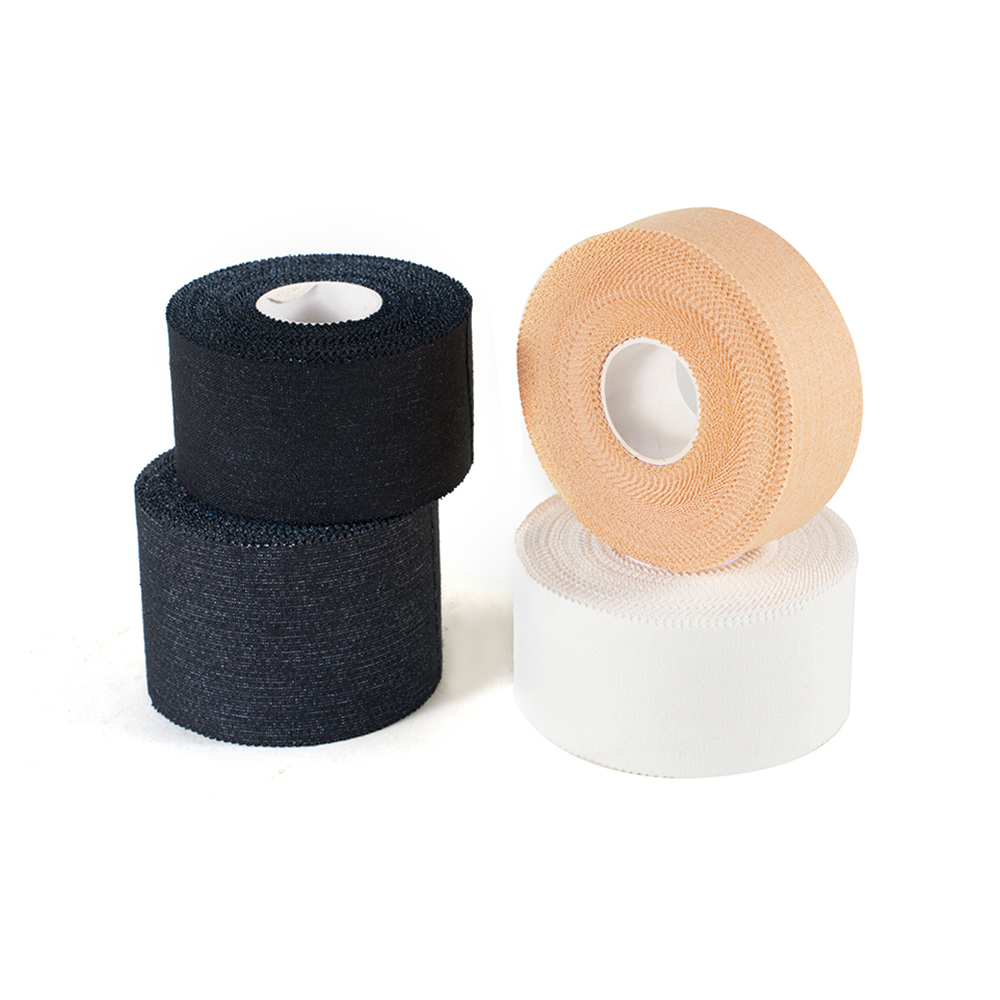
Key points to consider:
Adhesive sensitivity: The adhesive used on sport tape can cause irritation or allergic reactions, even if the cotton material is gentle.
Skin preparation: Applying tape to clean, dry skin reduces the risk of irritation and improves adhesion.
Duration of use: Prolonged wear can increase the risk of skin maceration, especially if the tape becomes damp with sweat.
For individuals with sensitive skin, it is advisable to perform a patch test or choose hypoallergenic tapes. In clinical settings, healthcare professionals may recommend pre-wrap or protective barriers to reduce direct adhesive contact.
How Effective Is Cotton Sport Tape in Injury Prevention?
Effectiveness is a common public concern, especially for athletes seeking reliable injury prevention. Cotton sport tape provides support and stability by restricting excessive movement in joints such as ankles, wrists, and knees.
Key effectiveness considerations include:
Support vs. mobility: Cotton tape can offer firm support while still allowing some movement, making it suitable for mild to moderate support needs.
Proper application: The tape's effectiveness depends heavily on correct application technique. Incorrect taping can reduce support or cause discomfort.
Temporary solution: Sport tape is generally intended as a temporary support method and should not replace medical evaluation or long-term rehabilitation.
While cotton sport tape can reduce the risk of sprains and provide support during activity, it should be combined with proper training, strengthening exercises, and medical guidance for injury management.
What Are the Environmental Concerns?
Environmental impact is increasingly important to consumers. Cotton sport tape can be more environmentally friendly than synthetic alternatives, but there are still considerations.
Natural fiber use: Cotton is a renewable resource, and biodegradable cotton tapes are more eco-friendly than synthetic options.
Adhesive and backing: The adhesive and backing materials may not be fully biodegradable, depending on the product.
Waste generation: Sports taping often involves frequent replacement, which can generate waste.
To reduce environmental impact, consumers can choose tapes made from organic cotton, recyclable packaging, or biodegradable adhesives when available.
How to Choose the Right Cotton Sport Tape?
Choosing the right tape is a common concern because different sports and injury types require different levels of support. Consumers should consider the following:
Tape width: Wider tapes provide more surface area and support, while narrower tapes are better for small joints or detailed taping.
Adhesion strength: Higher-adhesion tapes are suitable for intense activity, but they may be harder to remove and can irritate skin.
Stretch level: Cotton sport tape typically has low stretch, offering firm support. For applications requiring more flexibility, elastic or kinesiology tape may be more appropriate.
Intended use: Consider whether the tape is for preventive support, injury recovery, or athletic performance.
Proper selection and application ensure better support and reduce the risk of discomfort or skin issues.
Cotton sport tape is a widely used tool in sports and rehabilitation due to its breathability, comfort, and supportive properties. Public concerns about skin safety, effectiveness, environmental impact, and product selection are valid and can be addressed through informed use. By choosing the right tape, preparing the skin properly, and applying it correctly, users can maximize benefits while risks. Cotton sport tape remains a practical option for athletes and healthcare professionals when used appropriately.
Keep In Touch

No.455 New Town Development Road,Longgang City, Wenzhou City

 +86-0577-83728222
 +86-0577-837282222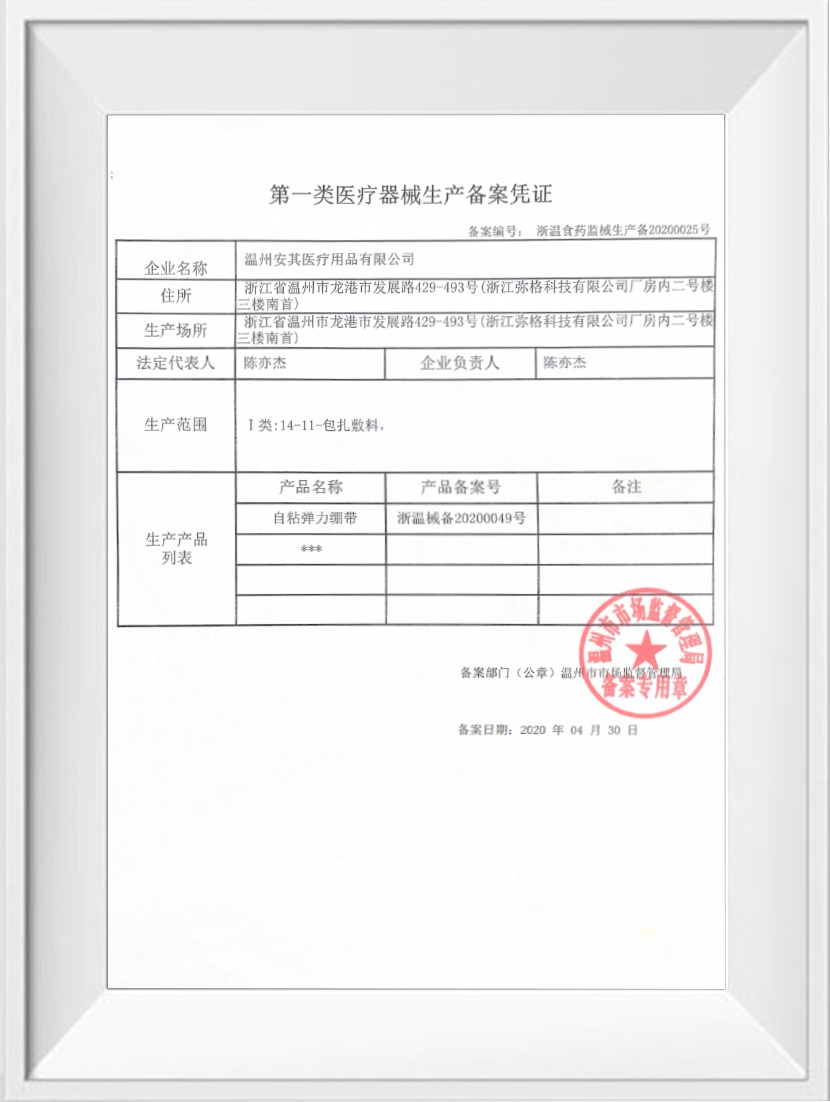
Copyright © Wenzhou Anqi Medical Supplies Co., Ltd. All Rights Reserved.
Approval No: Zhejiang Wenzhou Food and Drug Administration Machinery Production Filing No. 20200025
The information provided on this website is intended for use only in countries and jurisdictions outside of the People's Republic of China.
