
 English
 русский
 中文简体
中文简体 Español
 Deutsch
 عربى
عربى

How to Use Kinesio Pre Cut Knee Support Tape Properly?
Content
- 1 Why Does Proper Application Actually Matter Here?
- 2 What Should Happen Before You Apply the Tape?
- 3 How Should the Tape Actually Get Positioned?
- 4 What Mistakes Tend to Trip People Up During Application?
- 5 How Can Someone Actually Improve Wearing Comfort?
- 6 How Should the Tape Actually Get Removed?
- 7 How Should Someone Take Care of Their Skin While Using This Tape?
- 8 What Should Buyers Think Through Before Choosing Knee Support Tape?
- 9 How Does Learning Proper Use Actually Improve the Experience?
Buying a roll of knee support tape with genuinely good intentions, then peeling it off two hours later because it bunched up awkwardly behind your knee or started lifting at the edges during a workout, is a common enough experience that it's worth stopping to ask what actually went wrong. If you've been searching for how to use Kinesio Pre Cut Knee Support Tape properly, you're probably hoping for something more useful than "just stick it on," since the real difference between comfortable support and constant annoyance usually comes down to a handful of small details in preparation and placement.
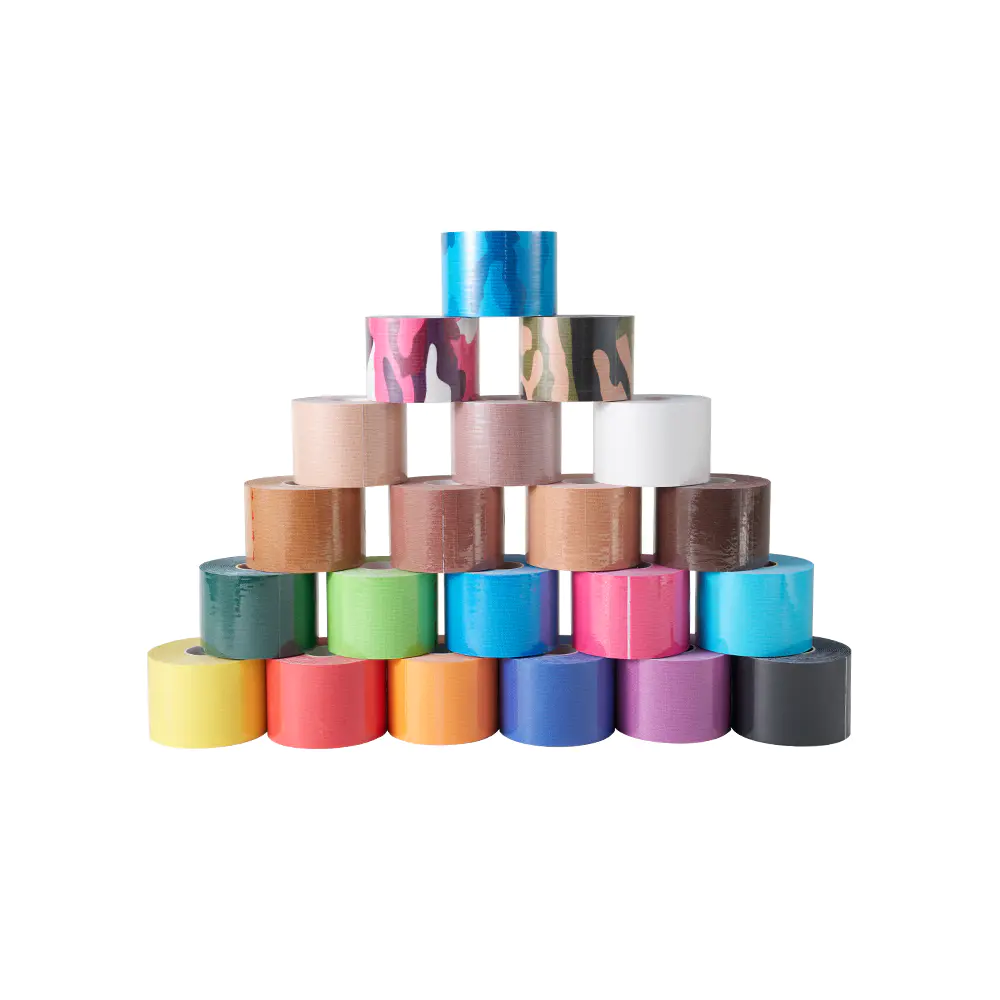
Knee support tape gives people a convenient way to add support around the knee during different activities, and unlike traditional tape rolls that need cutting and shaping by hand, pre cut versions come ready to apply straight out of the package. That convenience doesn't mean skin prep, placement, and removal stop mattering though. Getting those details right shapes whether the tape feels like it's genuinely helping or just sitting there as an annoyance you keep noticing.
Why Does Proper Application Actually Matter Here?
Kinesio Pre Cut Knee Support Tape is shaped to follow the natural movement pattern around the knee, and how it gets placed on the skin directly affects how it feels once you're actually moving around.
Applying it incorrectly tends to show up as a handful of predictable issues:
| Common Issue | Possible Reason |
|---|---|
| Tape doesn't stay in place | Skin preparation may have been skipped or rushed |
| Discomfort during movement | Placement doesn't quite match the knee's natural motion |
| Reduced wearing comfort | Tape wasn't smoothed down evenly during application |
| Early removal | Daily conditions like sweat or friction wore down the adhesion |
Using the tape correctly helps it work with your normal movement instead of fighting against it every time you bend or straighten your knee.
Before applying anything, it helps to remember that everyone's body and activity habits differ. The goal here is creating a genuinely comfortable fit, not just pressing tape onto skin and hoping it holds.
What Should Happen Before You Apply the Tape?
Preparation matters more than most people expect going in.
Plenty of problems trace back to rushing the sticking part while ignoring the actual condition of the skin underneath.
Before applying anything, a few steps are worth taking:
| Preparation Step | Purpose |
|---|---|
| Clean the skin area | Creates a surface the tape can actually grip |
| Dry the area completely | Supports better attachment from the start |
| Check the skin condition | Helps avoid unnecessary irritation later |
| Prepare the tape position | Makes actual application go more smoothly |
Skin should be clean and completely dry before applying anything. Lotion, body oils, or even a bit of leftover sweat from an earlier walk can quietly affect how well the tape ends up sticking.
It's also worth checking the knee area itself before applying tape. If the skin already feels irritated or sensitive, that's usually a sign to wait rather than push through with application anyway.
Taking the time to prep properly tends to make the whole experience go smoother and heads off a lot of the common issues before they start.
How Should the Tape Actually Get Positioned?
Where the tape sits plays a real role in how comfortable it feels once you're moving.
Pre cut knee support tape comes shaped for the knee area specifically, which makes placement more straightforward than cutting your own from a roll, but it still needs some genuine attention to get right.
A simple approach that tends to work:
- Figure out exactly where support is actually needed around the knee.
- Place the tape carefully, without rushing through it.
- Smooth the tape surface down firmly once it's positioned.
- Move your knee a bit and check whether it feels comfortable.
The tape should sit naturally along with the body rather than pulling or creating pressure somewhere it shouldn't. Avoid placing it in a way that restricts how your knee normally bends, since comfortable movement is really the whole point of wearing it.
What Mistakes Tend to Trip People Up During Application?
Even with a pre cut design doing a lot of the shaping work already, a few common mistakes still show up regularly.
| Mistake | Why It Causes Problems |
|---|---|
| Applying on unclean skin | Reduces how well the tape actually sticks |
| Stretching the tape too much | Can create pressure that feels uncomfortable |
| Leaving wrinkles in the tape | Causes uneven contact with the skin |
| Removing it too quickly | Can irritate skin unnecessarily |
Plenty of people assume applying the tape more firmly automatically means better support, but comfort and correct placement matter a lot more than sheer pressure. The tape is meant to move along with your knee, not become something you're constantly aware of during a normal day.
How Can Someone Actually Improve Wearing Comfort?
Comfort comes down to a mix of things: how the tape got applied, the condition of the skin underneath, and how active someone actually is during the day.
Tape applied correctly should feel like it's just there, not something demanding attention every time you take a step.
A few things worth paying attention to:
- Smooth, even application without rushed spots
- Placement that actually matches how the knee moves
- Clean skin preparation beforehand
- Gentle, proper removal afterward
The tape shouldn't interfere with a normal routine, whether that's a workout, a long walk, or just getting through a regular day at work. Different people have different needs here too. Someone using it during active exercise might care about different things than someone wearing it mostly for daily comfort while sitting at a desk. Understanding your own situation helps shape how you approach the whole process.
How Should the Tape Actually Get Removed?
Removal deserves just as much attention as application, even though it's easy to rush through at the end of a long day.
Pulling the tape off quickly tends to create unnecessary discomfort, sometimes more than the application itself. A gentle approach protects the skin underneath a lot better.
| Step | Purpose |
|---|---|
| Remove slowly | Avoids a sudden, uncomfortable pull |
| Follow the direction the tape was applied | Makes the whole process go more smoothly |
| Check the skin afterward | Helps catch any reaction early |
If the tape feels stuck and difficult to remove, forcing it off tends to make things worse rather than better. Taking an extra minute during removal usually makes the whole experience noticeably more comfortable.
How Should Someone Take Care of Their Skin While Using This Tape?
Skin care matters a lot for anyone using knee support tape on a regular basis.
Since the tape stays directly against skin for hours at a time, paying attention to how your skin actually responds becomes part of using it well.
A few habits worth building in:
- Checking skin condition before every application
- Keeping the area reasonably clean between uses
- Letting skin rest for a bit between applications when needed
- Avoiding tape on skin that's already damaged or irritated
Everyone's skin responds a bit differently here. Some people wear tape fairly regularly without issue, while others notice it needs to be more occasional. Paying attention to your own comfort signals over time helps shape a routine that actually works for you specifically.
What Should Buyers Think Through Before Choosing Knee Support Tape?
Picking the right knee support tape involves more than just grabbing whatever's available at a pharmacy. It's worth thinking through how and where you actually plan to use it.
A few things worth considering:
| Consideration | Question Worth Asking |
|---|---|
| Activity type | When will this tape actually get worn? |
| Application needs | Does easy, quick placement matter to you? |
| Comfort expectations | Will it be worn during active movement or mostly at rest? |
| Usage habits | Is this for occasional use or something more regular? |
Pre cut designs offer real convenience by cutting down on preparation steps, but understanding proper application still matters even with that head start. The right choice really comes down to matching the tape with your own needs and daily habits, not just picking whatever looks convenient on a shelf.
How Does Learning Proper Use Actually Improve the Experience?
Kinesio Pre Cut Knee Support Tape isn't something you just slap on and forget about for the rest of the day. How it gets applied shapes the entire experience of wearing it. Careful preparation, thoughtful positioning, comfortable wearing, and gentle removal all play into whether the experience feels genuinely helpful or just mildly irritating. Understanding these steps helps people avoid the common mistakes that turn a useful product into something they stop bothering with after a week. The pre cut design offers real convenience, cutting out a lot of the guesswork involved in shaping tape by hand, but correct use still remains part of getting comfortable support during actual movement. Paying attention to skin preparation, how the tape gets placed, and your own personal comfort signals helps knee support tape fit naturally into daily routines and exercise, rather than becoming one more thing to fuss over during an already busy day.
Keep In Touch

No.455 New Town Development Road,Longgang City, Wenzhou City

 +86-0577-83728222
 +86-0577-837282222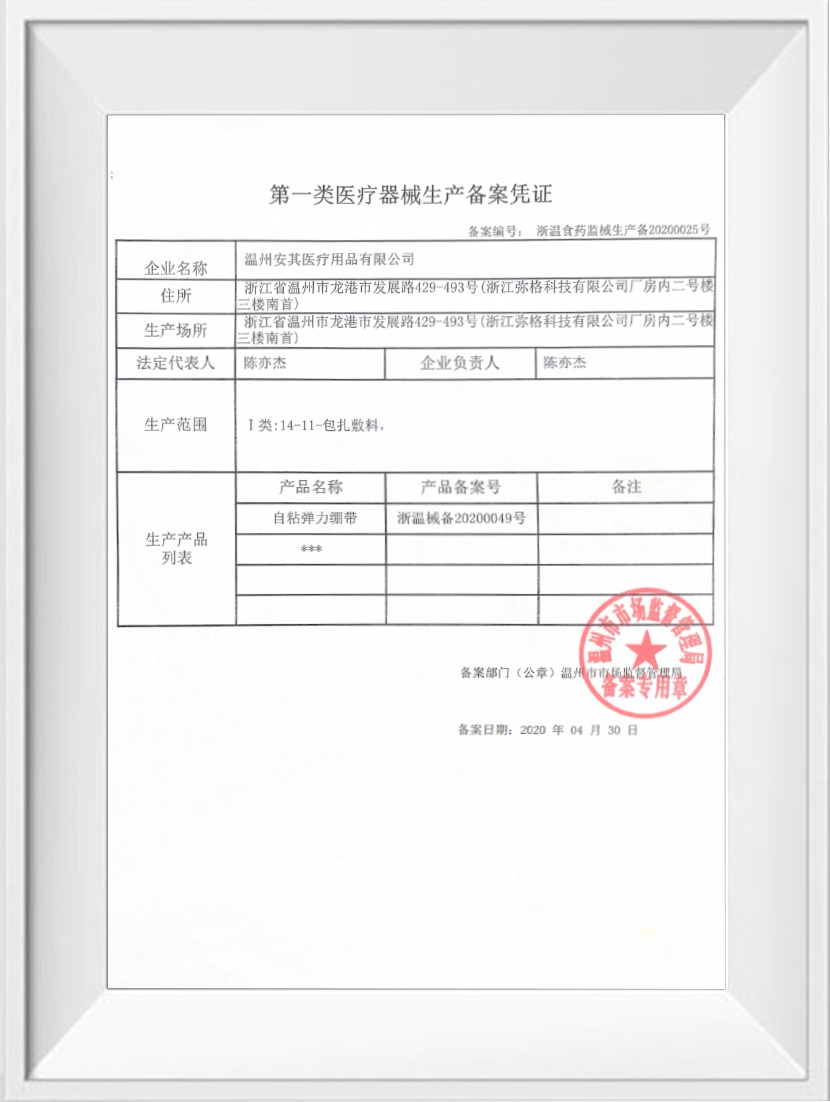
Copyright © Wenzhou Anqi Medical Supplies Co., Ltd. All Rights Reserved.
Approval No: Zhejiang Wenzhou Food and Drug Administration Machinery Production Filing No. 20200025
The information provided on this website is intended for use only in countries and jurisdictions outside of the People's Republic of China.
