
 English
 русский
 中文简体
中文简体 Español
 Deutsch
 عربى
عربى

How Does Kinesio Pre Cut Knee Support Tape Support Knee Movement?
Content
- 1 Why Does Knee Support Matter During Movement?
- 2 How Does This Tape Work With Natural Movement?
- 3 What Makes the Pre Cut Design Different From a Regular Tape Roll?
- 4 Can Knee Support Tape Help During Sports Activities?
- 5 What Factors Affect the Comfort of Knee Support Tape?
- 6 How Should Someone Apply Kinesio Pre Cut Knee Support Tape?
- 7 How Can Users Maintain Their Knee Support Tape Experience?
- 8 What Should Buyers Consider When Choosing Knee Support Tape?
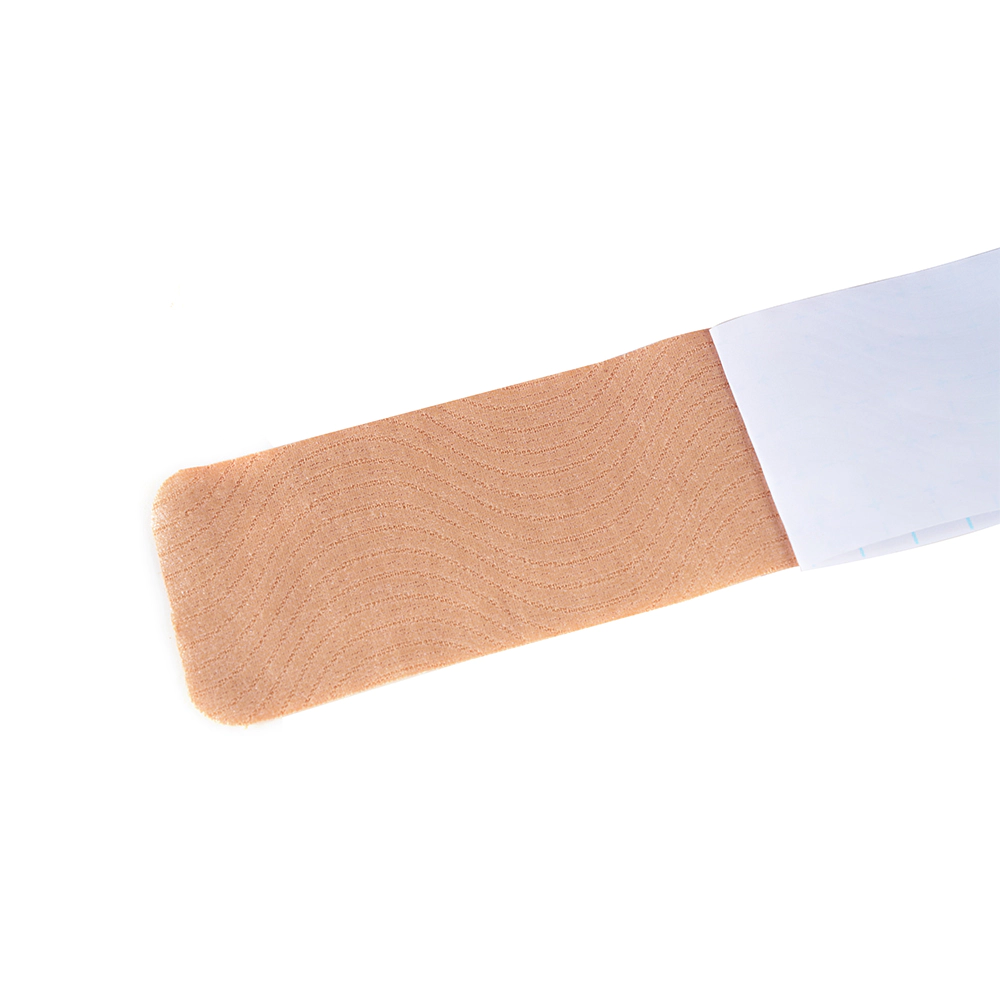
A knee that feels shaky halfway through a workout can throw off an entire routine. A runner who eases up mid-jog because of knee discomfort, or someone at the gym skipping lunges out of caution, is dealing with the same basic issue: wanting to stay active while feeling like the knee has some backup. Anyone searching for Kinesio Pre Cut Knee Support Tape is usually after something that feels comfortable on the skin, stays put through sweat and movement, and doesn't fight against how the knee naturally bends. The knee does more work than most joints get credit for. It bends going down stairs, straightens on the last push of a squat, absorbs shock landing from a jump, and handles small twists nobody consciously notices until something feels off. When the muscles and tissue around the joint need a bit of extra backup, kinesiology tape becomes part of the routine for a fair number of active people. A pre cut design skips the fussy part of cutting and shaping tape by hand, offering a shape already built for the knee. Knowing how the tape actually behaves on the body, what the pre cut shape changes about using it, and where it fits into different activities makes it easier to decide whether it belongs in a workout bag or a daily routine.
Why Does Knee Support Matter During Movement?
The knee doesn't get a break during a normal day. Walking to the car, climbing a flight of stairs, jogging around the block, or working through a leg day at the gym all load the joint differently. Muscles, tendons, and connective tissue around the knee handle most of this on their own, but certain days or certain activities put more strain on that system than usual.
A lot of people notice small shifts in how their knee feels mid-activity, like favoring one leg slightly on stairs, cutting a run short, or hesitating before a lateral movement in a workout class. These small adjustments change how comfortably someone gets through the rest of their session.
Support tape gets used because it can add a felt sense of stability while someone moves, not because it locks the joint in place. Someone doing squats still wants full range of motion; they just want a bit more confidence in the knee while doing it.
Here's where this tends to come up in daily life:
| Activity Situation | Common User Concern |
|---|---|
| Running and walking | Keeping movement comfortable over distance |
| Fitness training | Supporting the knee through active exercises |
| Outdoor activities | Managing repeated bending on uneven terrain |
| Daily movement | Feeling steadier during ordinary tasks |
A support option that still allows bending and straightening tends to work better here than something stiff. Too much restriction feels awkward mid-stride, while too little support doesn't do much for someone who wanted backup in the first place.
How Does This Tape Work With Natural Movement?
Kinesiology tape is built to travel with the skin instead of locking a joint into one position. As the knee bends walking up a hill or straightens finishing a lunge, the tape follows that motion rather than resisting it.
The pre cut shape simplifies things at the point of application. Instead of pulling out scissors and eyeballing a strip length before a workout, someone can pull a shape that's already sized for the knee area straight out of the packaging, which tends to make the process feel less fiddly, especially first thing in the morning before a run.
The tape does its job through a few straightforward mechanics:
- It sticks to the skin surrounding the knee
- The flexible material stretches and moves as the body moves
- The tape shifts along with the skin rather than staying rigid
- The wearer keeps a full range of motion through normal activity
This sits pretty differently from a rigid brace that locks a knee at a set angle. A lot of people reach for the lighter option specifically because they want backup during a run or a workout without adding bulk under a pair of leggings or shorts.
There's also a side effect worth mentioning: wearing tape around the knee tends to make someone more aware of how that joint is moving. Once someone notices the tape shifting slightly during a squat, they often start paying closer attention to their form too.
What Makes the Pre Cut Design Different From a Regular Tape Roll?
A standard roll of kinesiology tape means measuring a length, cutting it, sometimes rounding the corners, and shaping it before it ever touches skin. Someone who's done this dozens of times might not think twice about it. Someone doing it for the first time before a race, standing in a bathroom with scissors and a mirror, often finds it more frustrating than expected.
Pre cut tape skips that step. It shows up already shaped for a knee, which matters most in situations where time is short or steady hands aren't guaranteed, like right before a morning run or during a quick halftime adjustment at a rec league game.
| Feature | Pre Cut Knee Support Tape | Traditional Tape Roll |
|---|---|---|
| Preparation | Ready to apply out of the packaging | Needs cutting and shaping first |
| Convenience | Faster for last-minute use | Takes more setup time |
| Shape consistency | Built for the knee area specifically | Varies depending on how it's cut |
| Learning process | Easier for someone new to tape | Takes some practice to get right |
Pre cut shapes tend to earn their keep before workouts, hikes, or any situation where someone needs to apply support without much lead time. That said, the shape alone doesn't guarantee a good result. Where it lands on the knee, how the skin was prepped, and what activity follows still shape the actual experience.
Can Knee Support Tape Help During Sports Activities?
Plenty of sports put the knee through repeated bending and pivoting. A weekend soccer game, a spin class, a trail run with switchbacks, all of these ask the knee to work through slightly different patterns each time. Some people reach for support tape here because it moves with them rather than boxing them in.
Athletes tend to avoid anything bulky that gets in the way mid-motion. A brace strapped tight around the knee can feel noticeable during a sprint or a deep squat, while a thin strip of tape mostly disappears once someone's focused on the activity itself.
Different activities tend to bring different expectations to the table:
| Activity | What Users Often Look For |
|---|---|
| Running | Support that holds up through repeated strides |
| Gym training | Room to move through a full workout without restriction |
| Hiking | Backup that lasts through a longer stretch outdoors |
| Sports practice | Flexible support that doesn't slow reaction time |
A lot of the real value here comes down to how someone feels mentally during activity. Someone who trusts their knee a bit more tends to push through a workout instead of holding back out of worry.
Tape isn't a stand-in for the basics either. Warming up properly before a run, building exercise habits that don't overload the knee, and paying attention when something genuinely hurts still matter regardless of what's wrapped around the joint.
What Factors Affect the Comfort of Knee Support Tape?
Whether someone keeps using a tape long-term usually comes down to comfort more than anything else. A strip that itches by the second mile or peels at the edges during a workout stops being useful pretty fast.
A handful of things shape that experience:
Material feel
Skin against tape for a few hours during a hike or a workday feels different than skin against tape for a quick trip to the gym. A rough texture that seemed fine at first can start to bother someone by the end of a longer activity.
Flexibility
Since the knee never really stops moving, tape that can't keep up starts to feel like it's fighting against every bend and straighten instead of going along with it.
Application position
Where the tape actually sits changes how noticeable it feels. A strip placed slightly off from where it should be can end up bunching or pulling in a way that's hard to ignore mid-workout.
Skin condition
Sweaty or lotioned skin tends to loosen the tape's grip faster than clean, dry skin. Someone applying tape right after a shower usually gets a better hold than someone doing it right after a run in humid weather.
Picking a suitable tape isn't only about the product sitting in the package. It has a lot to do with someone's own comfort preferences and how they actually plan to use it day to day.
How Should Someone Apply Kinesio Pre Cut Knee Support Tape?
How the tape gets applied has a real effect on how the rest of the day or workout goes. Since it's meant to move with the body, getting the placement right around the knee matters more than people sometimes expect.
A few steps tend to make the difference:
- Clean the skin around the knee and dry off any sweat, lotion, or oils beforehand
- Get the knee into a comfortable position before sticking anything down
- Follow the shape's intended direction rather than guessing at placement
- Press down gently once it's on to help it bond with the skin
Pulling too hard or repositioning the tape repeatedly tends to work against the shape it was cut for in the first place. Paying attention to how it feels once movement starts, whether it's bending for a squat or striding out for a run, gives a decent sense of whether the placement worked.
A tape applied well shouldn't demand constant attention during normal activity. If someone keeps noticing it pulling or bunching mid-movement, that's usually a sign the placement needs a second look.
How Can Users Maintain Their Knee Support Tape Experience?
Getting good use out of knee tape isn't just about the moment it goes on. How it gets stored and handled beforehand plays a part too.
Keeping unused tape somewhere clean and dry protects the adhesive before it ever touches skin. Tossing a roll or pack into a damp gym bag for weeks tends to shorten its usefulness before it's even applied once.
While wearing it, checking in with how the skin feels matters. Irritation or discomfort partway through the day is worth paying attention to rather than pushing through, since figuring out the cause early usually beats dealing with a bigger skin issue later.
A few habits tend to help over time:
- Applying tape to skin that's been cleaned beforehand
- Keeping unused tape somewhere dry between uses
- Skipping unnecessary stretching of the tape during application
- Peeling tape off slowly rather than ripping it
- Checking the skin underneath every so often for irritation
None of these habits take much effort, but they add up to a noticeably better experience for anyone using tape regularly as part of a workout or daily routine.
What Should Buyers Consider When Choosing Knee Support Tape?
Picking a knee support tape involves more than glancing at the packaging. Different people need different things depending on how active they are, what their skin tolerates, and how comfortable they already are with applying tape.
A few questions tend to clear things up:
- Is this mainly for sports, general exercise, or everyday movement?
- Does a simpler application process matter more than customizing the fit?
- Would flexible support work better than something rigid?
- How often does this actually need to get used?
- Does the shape line up with where support is actually needed on the knee?
Material, shape, comfort, and how easy the application feels all shape the day-to-day experience. A tape that fits naturally into someone's existing routine tends to stick around longer than one that feels like an extra chore.
Kinesio Pre Cut Knee Support Tape gives active people a way to add knee support without changing how they move through a workout or a run. Pairing a ready-to-use shape with a material built to follow the body means less fuss before activity and more attention on the activity itself. Paying attention to how it's applied, what affects comfort, and what different activities actually need helps someone figure out whether this fits their own routine rather than someone else's.
Keep In Touch

No.455 New Town Development Road,Longgang City, Wenzhou City

 +86-0577-83728222
 +86-0577-837282222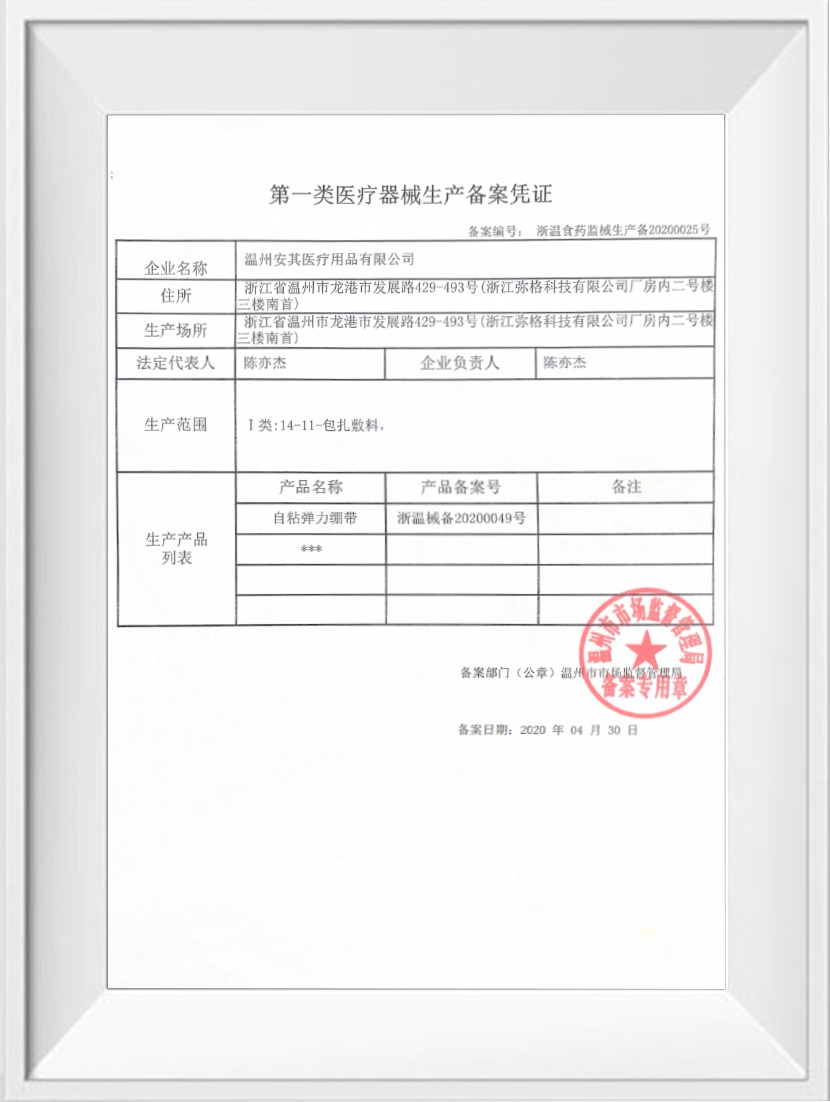
Copyright © Wenzhou Anqi Medical Supplies Co., Ltd. All Rights Reserved.
Approval No: Zhejiang Wenzhou Food and Drug Administration Machinery Production Filing No. 20200025
The information provided on this website is intended for use only in countries and jurisdictions outside of the People's Republic of China.
