
 English
 русский
 中文简体
中文简体 Español
 Deutsch
 عربى
عربى

What Is Cotton Athletic Tape and How Is It Used
Content
- 1 Why People Use Cotton Athletic Tape
- 2 What Cotton Athletic Tape Is Actually Made For
- 3 How Cotton Athletic Tape Gets Applied
- 4 Where Athletic Tape Shows Up Most
- 5 How Cotton Material Affects Comfort
- 6 Things Worth Considering Before Using Athletic Tape
- 7 Making Cotton Athletic Tape Part of a Routine
- 8 What to Look for When Choosing Athletic Tape
Walk into a sports training room, a fitness center, or a community gym, and you'll probably spot a roll of athletic tape sitting nearby. Some athletes reach for it before training starts. Others use it afterward, or during recovery from a hard session. Even people who never compete in organized sports sometimes keep a roll at home for everyday support during physical activity.
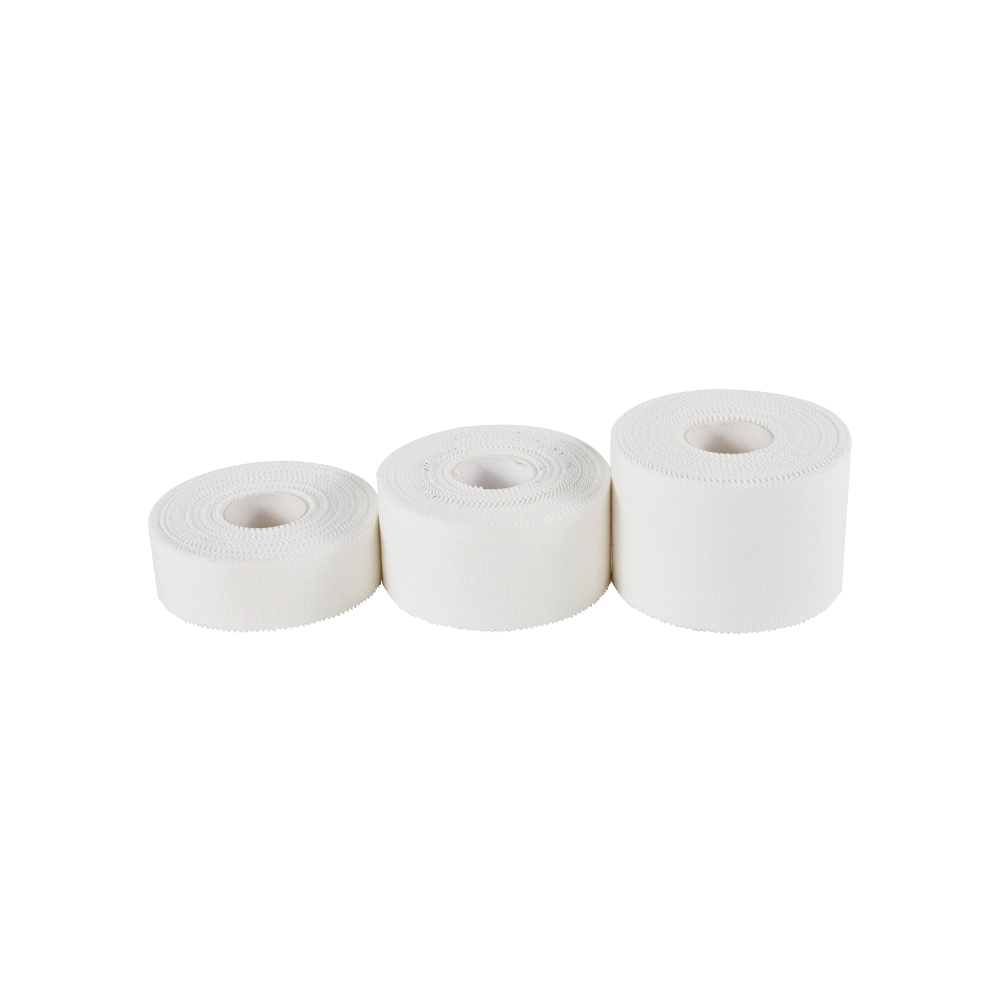
Cotton Athletic Tape has stuck around because it offers a simple way to support different parts of the body. It doesn't replace medical care or professional treatment, but it's commonly used to help stabilize a joint, support a muscle, or limit motion that might cause strain during activity. From casual exercise to organized sports, it fits into a lot of different routines — which is part of why it shows up so often in gym bags, clinics, and training facilities.
Why People Use Cotton Athletic Tape
Every physical activity puts different demands on the body. Running, lifting, jumping, or changing direction quickly can all add stress to joints and the soft tissue around them.
Athletic tape is generally applied to support these areas while still letting people move through their normal routine or sport. The reason isn't always the same from person to person.
Some apply tape before exercise as a precaution. Others reach for it after noticing mild discomfort, or when getting back into activity after time off. Common reasons include:
- Supporting a joint during movement
- Helping limit motion that isn't needed
- Adding a sense of stability
- Assisting with activities involving repeated movement
How someone uses it usually depends on the activity and the body part involved.
What Cotton Athletic Tape Is Actually Made For
Unlike regular household tape, sports tape is built with movement in mind. Cotton offers a balance between comfort and firmness — it wraps around different body shapes reasonably well while still holding up during activity.
It tends to show up on areas that deal with repeated movement, whether in sports or daily life:
| Body Area | Common Purpose |
|---|---|
| Ankle | Extra support during movement |
| Wrist | Helps limit unnecessary motion |
| Thumb | Supports grip-related activity |
| Finger | Used during ball sports or training |
| Foot | Helps secure protective wrapping |
Different sports involve different movement patterns, so taping methods vary too. Someone preparing for a tennis match might tape differently from someone getting ready for weight training or a hike. The tape itself is the same basic product — it's the application that changes based on what someone needs.
How Cotton Athletic Tape Gets Applied
Applying tape isn't just a matter of wrapping it around a joint. The position, direction, and how much tension is used all affect how it feels once you're moving.
A lot of people pick up basic taping techniques from coaches, trainers, or physical therapists. Others get comfortable with it just through regular practice over time.
Before applying tape, it's common to make sure the skin is clean and dry first. A typical process might look something like:
- Clean the skin
- Position the joint comfortably
- Apply the tape with steady, even pressure
- Smooth it down for better contact
- Check that circulation and normal movement still feel fine
The tape should feel supportive, not restrictive. If something feels off during activity, it's usually worth adjusting or removing.
Where Athletic Tape Shows Up Most
Sports tape appears in a lot of different settings, and competitive athletes are just one part of that picture. Plenty of active people use it as a regular part of their routine.
| Activity | Possible Use |
|---|---|
| Running | Ankle or foot support |
| Fitness training | Wrist support during lifting |
| Ball sports | Finger or thumb support |
| Hiking | Joint support on uneven terrain |
| Recreational exercise | Added confidence during movement |
Some people also use tape during physically demanding work, where repeated motion puts extra strain on certain joints. The reasons vary — some like the feeling of extra support, others just include taping as part of getting ready before activity.
How Cotton Material Affects Comfort
The material itself matters quite a bit for everyday use. Cotton feels familiar to most people since it's already common in clothing and sports gear. As tape, it offers a decent amount of flexibility while staying comfortable against the skin for many users.
That said, comfort depends on more than just the material. Application technique, skin condition, activity level, and how long the tape stays on all play a role.
Some people prefer a lighter wrap for activities with frequent movement. Others go with a firmer application when they want more support. Finding what works best usually comes from experience rather than sticking to one fixed method.
Things Worth Considering Before Using Athletic Tape
Even though athletic tape is widely used, it helps to think through the activity before applying it. Questions worth asking:
- Which joint actually needs support?
- Will the activity involve repeated movement?
- Does the tape still allow comfortable motion?
- Is the skin clean beforehand?
- Will it stay dry during use?
These questions can help someone figure out if taping makes sense for their situation. It's also worth removing tape carefully afterward instead of pulling it off quickly — taking care of the skin matters, especially for people who tape regularly.
Making Cotton Athletic Tape Part of a Routine
For a lot of people, tape ends up being part of preparation rather than something used only when discomfort shows up. Wrapping an ankle before a long hike can feel about as routine as putting on the right shoes.
Others just keep a roll in their gym bag alongside water bottles, gloves, or resistance bands. These habits tend to develop naturally over time. Someone who plays weekend sports might tape the same spot before every match. A fitness enthusiast might only bother with it during heavier training sessions.
There's no single routine that works for everyone — the tape is just another tool that helps when it's needed.
What to Look for When Choosing Athletic Tape
Picking out sports tape gets easier once you know how you plan to use it. Different activities come with different expectations — some people care most about flexibility, others prioritize stability or how easy the tape is to apply.
Before choosing a product, it helps to think about:
- The type of activity
- The body area being supported
- Personal comfort preferences
- How easy it is to carry and store
- Everyday application habits
A roll that works well for one person might feel completely different for someone else, since every sport and every movement pattern puts its own demands on the body.
Cotton Athletic Tape continues to show up across sports, fitness routines, rehab settings, and everyday activity because it offers a practical, adaptable way to support movement. Whether it's used before exercise, during training, or just as part of getting ready, it remains a familiar accessory for people looking for a bit of extra support in an active routine.
Keep In Touch

No.455 New Town Development Road,Longgang City, Wenzhou City

 +86-0577-83728222
 +86-0577-837282222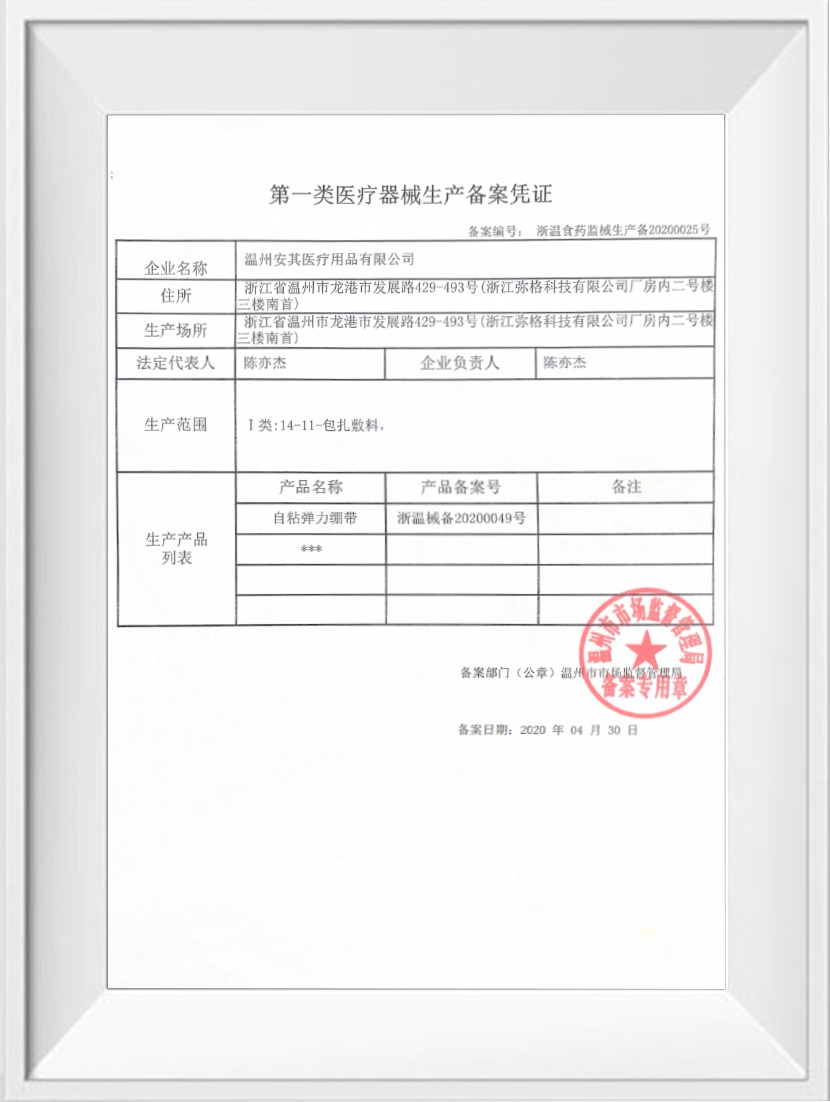
Copyright © Wenzhou Anqi Medical Supplies Co., Ltd. All Rights Reserved.
Approval No: Zhejiang Wenzhou Food and Drug Administration Machinery Production Filing No. 20200025
The information provided on this website is intended for use only in countries and jurisdictions outside of the People's Republic of China.
